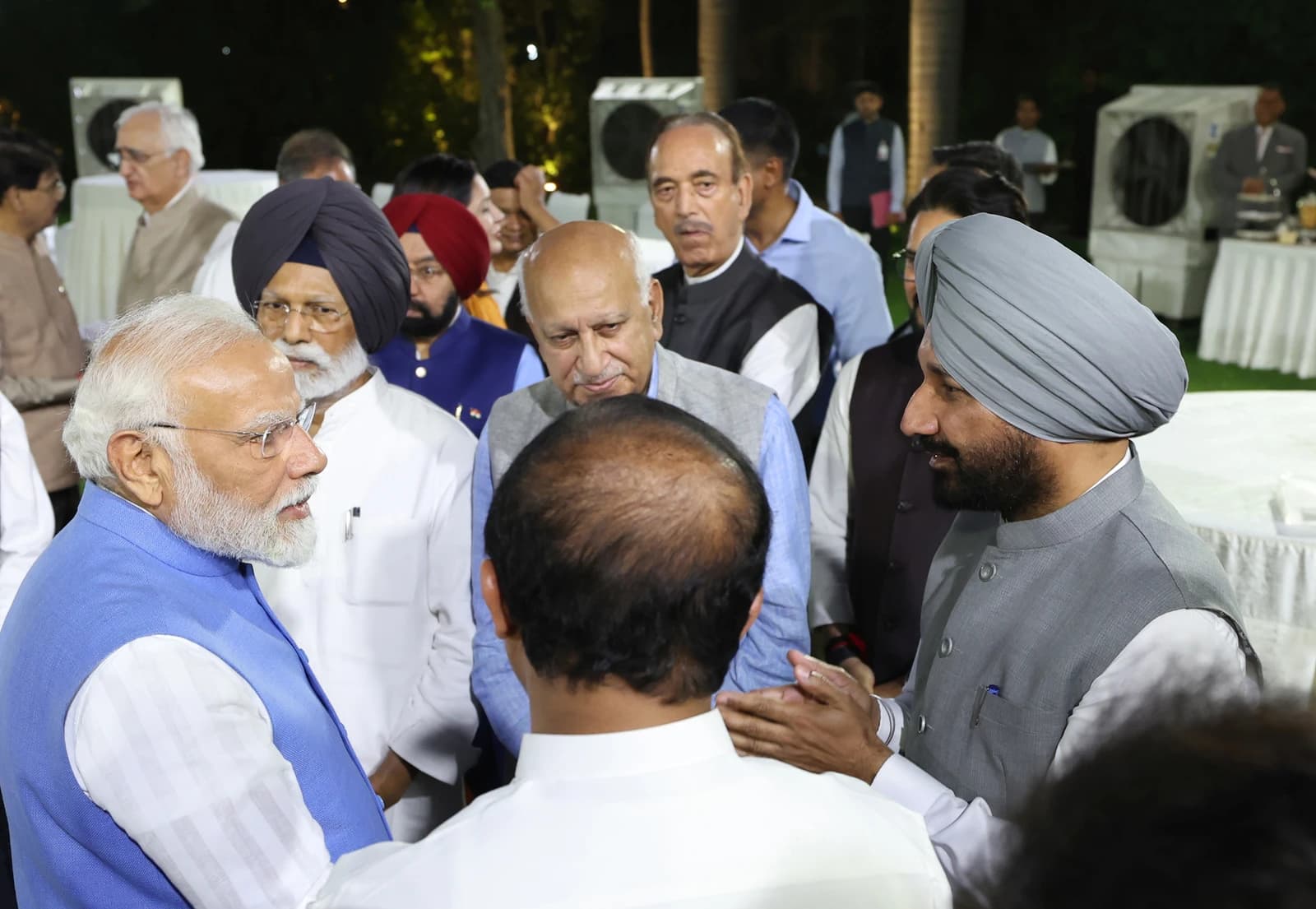
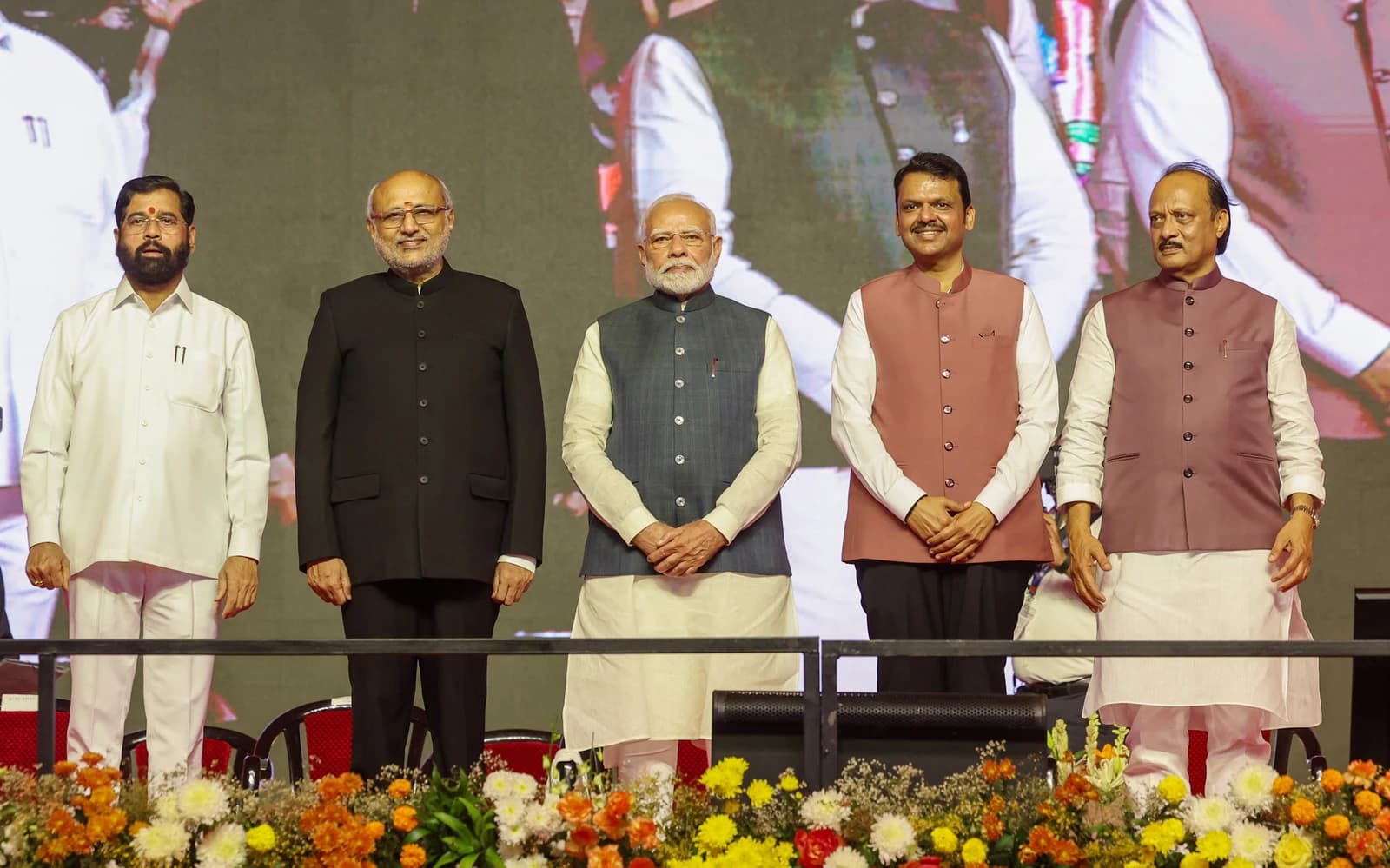
Prime Minister Narendra Modi’s drive to make India more self-reliant is emerging as one of the country’s most important economic themes, and allies such as Maharashtra Deputy Chief Minister Eknath Shinde are now publicly reinforcing that message as investors weigh where the next decade’s manufacturing growth will come from.
India self-reliance theme lifts manufacturing focus
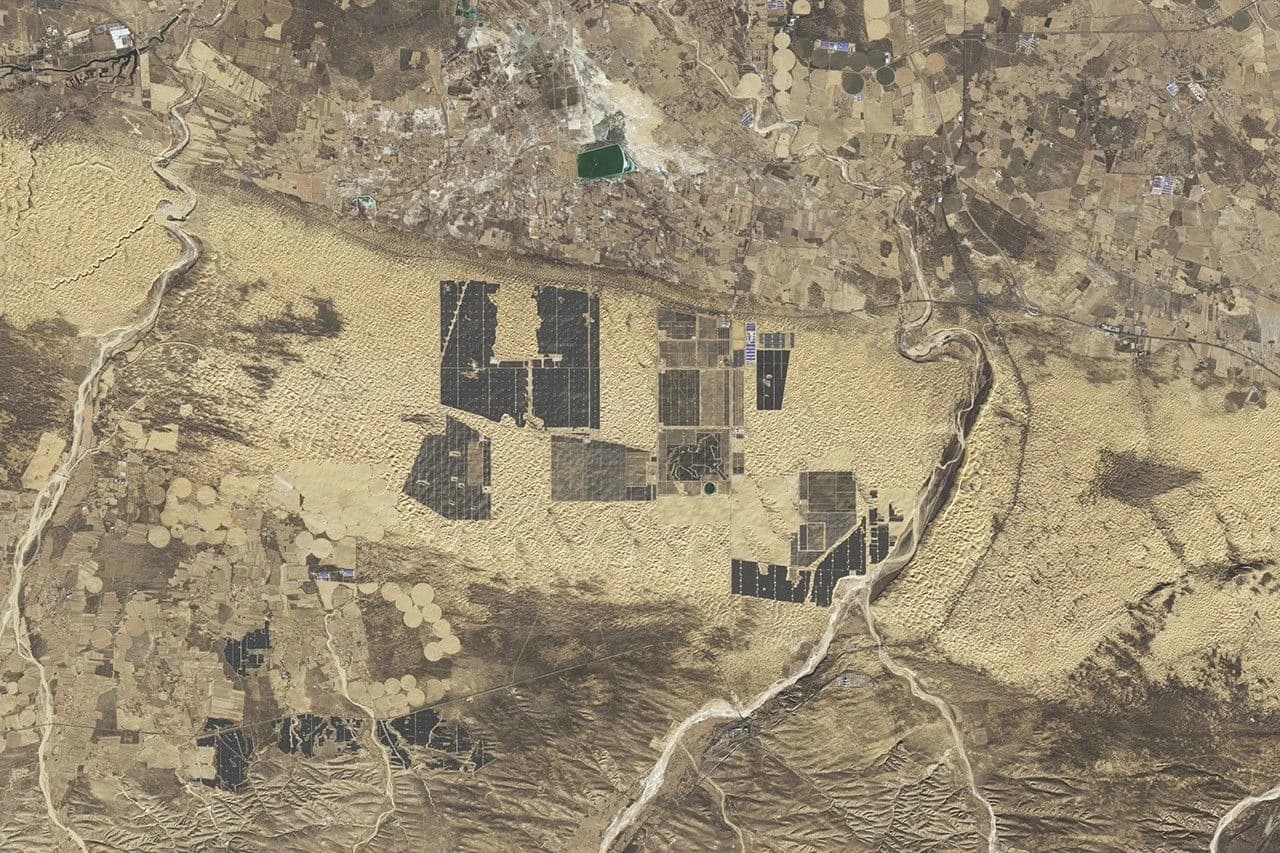
That matters because self-reliance in India is no longer just political branding. It is becoming an industrial strategy built around domestic production, lower import dependence and a larger role for Indian companies in critical supply chains. For investors, that points to a widening opportunity set across manufacturing, power, logistics, autos, industrials and defense — the sectors most likely to benefit if India keeps shifting from consumption-led growth toward capex-led expansion.
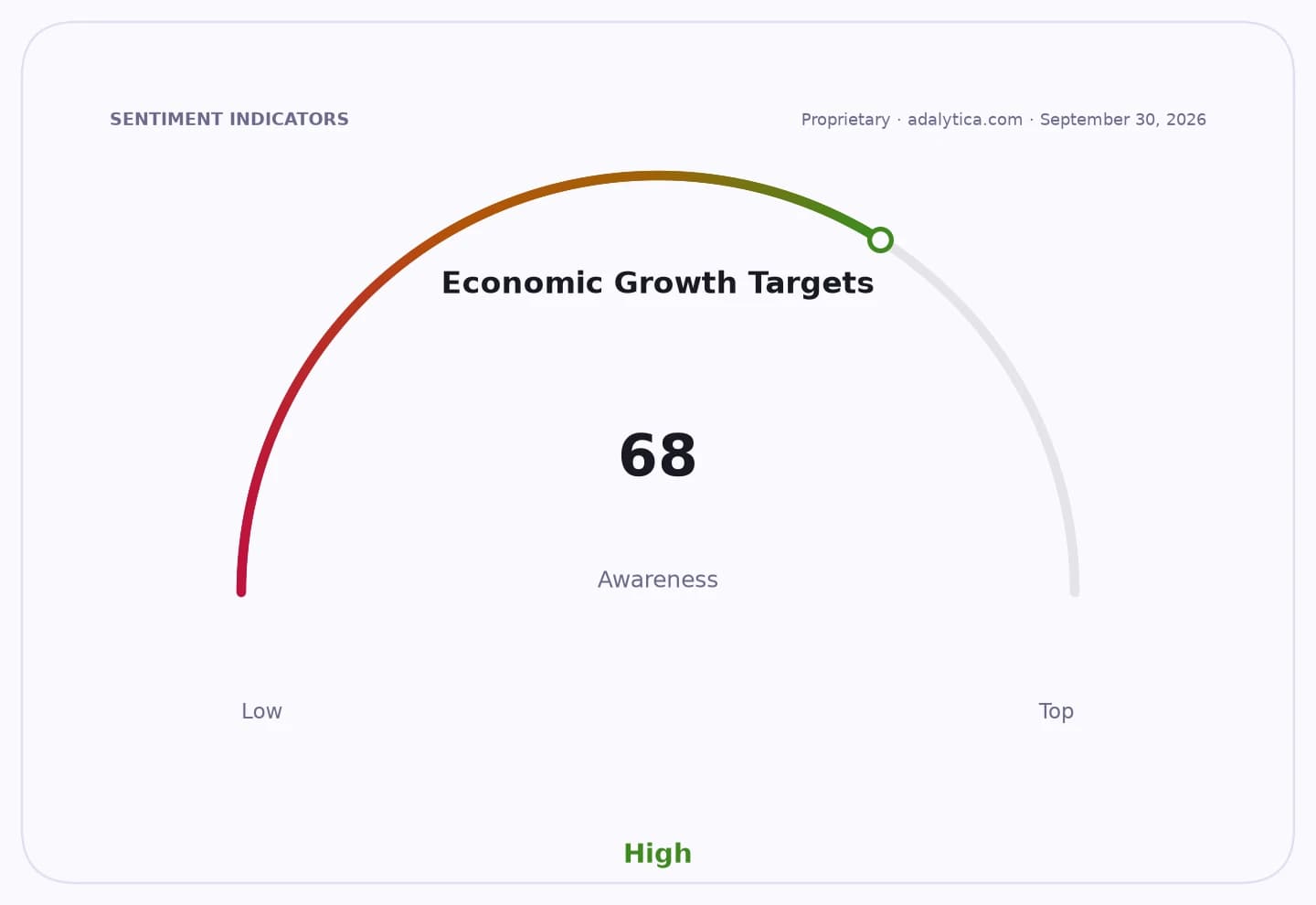
Sentiment IndicatorsⓘProprietary · adalytica.com · October 14, 2026
This is a snapshot — live sentiment, awareness and momentum for 130+ markets update continuously in the dashboard.Open AlphaPulse
Shinde’s remarks in Maharashtra fit into a broader policy narrative that has gained traction over the past several years: India wants to be less exposed to external shocks, whether in energy, electronics, rare earths or strategic imports. The market implication is straightforward. As global companies diversify away from concentrated supply chains, India is increasingly being viewed as a credible destination for new capacity, especially as infrastructure improves and growth remains among the strongest in major economies.
That is why the message matters to investors even when the comments themselves are political. India’s investment case has been strengthened by sustained reform, stronger physical infrastructure and a government willing to use industrial policy more aggressively than in the past. A country that can combine high growth with policy continuity tends to attract both foreign capital and domestic private investment, and that is exactly the combination the market is hunting for in a fragmented global economy.
The signal is especially important for sectors tied to import substitution. If India keeps pushing local production in strategic materials, electronics components, energy equipment and transport infrastructure, the winners are likely to be companies with domestic manufacturing capacity, secure access to capital and the ability to scale quickly. The losers are firms that rely too heavily on imported inputs or on a model that assumes India will remain a pure consumer market rather than a production base.
There is also a geopolitical edge to the story. In an era of trade friction and supply-chain nationalism, India’s self-reliance push gives multinational investors a hedge against China exposure while giving Indian policymakers more leverage in negotiations. That makes the theme durable, not cyclical. The market should think less about one speech and more about a multi-year capital shift.
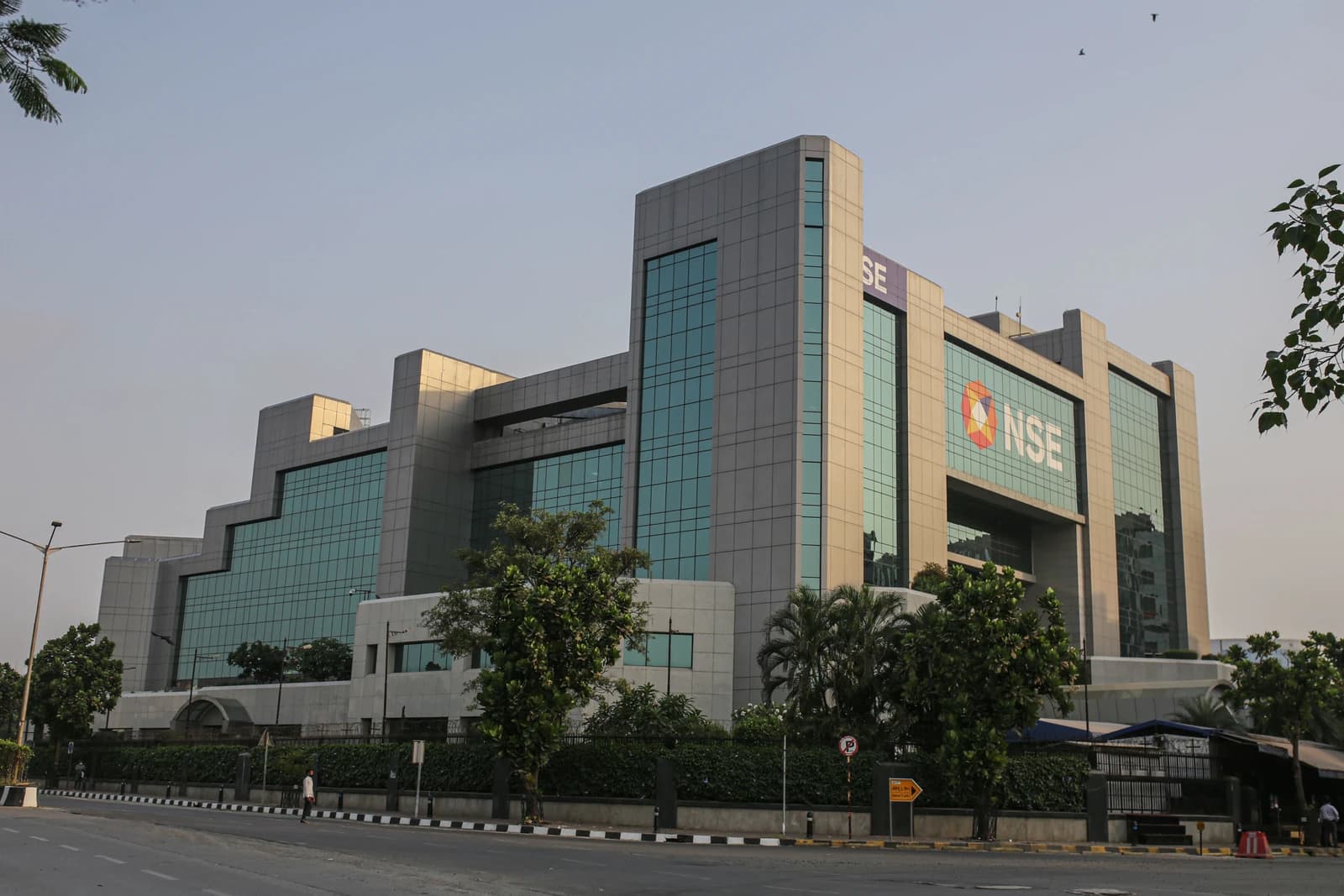
For investors, the practical takeaway is to stay overweight the beneficiaries of India’s industrial acceleration. That includes domestic manufacturers, logistics operators, utilities tied to industrial growth, defense names and select infrastructure plays. If Modi’s self-reliance agenda keeps translating into policy and capex, the upside could be far bigger than the market is currently pricing in.
| Entity | Gains | Losses |
|---|---|---|
| Indian manufacturers | ▲More local demand | ▼Higher execution pressure |
| Infrastructure and logistics firms | ▲Capex-led growth | ▼Capacity constraints |
| Import-dependent companies | ▲Less, if substitution rises | ▼Margin pressure |
| Foreign suppliers | ▲Continued access to India market | ▼Market share loss |