India’s stock market is sliding even with GDP growth above 7% because foreign investors keep pulling money out, valuations stayed rich and the market lacks the AI and semiconductor exposure that has fueled rallies elsewhere.
India Stocks Fall Despite 7% GDP Growth
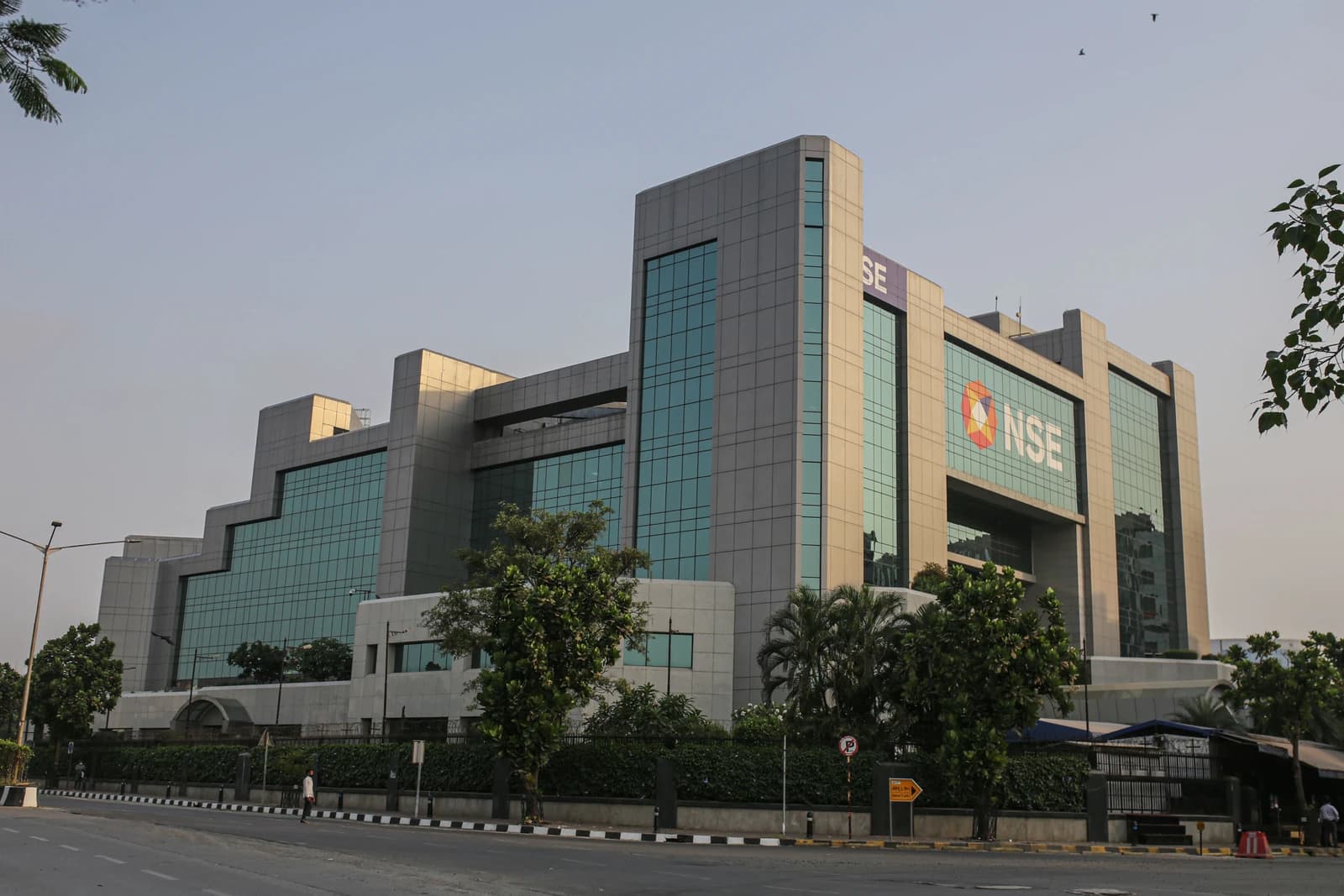
That disconnect matters because it undercuts the usual argument that strong macro data should automatically lift equities. India still has healthy demand, firm GST collections, manageable fiscal deficits and strong bank credit growth, but those fundamentals have not stopped the Nifty and Sensex from retreating roughly 11% and 12% over the past year, respectively, while the Nifty slipped to a 52-week low earlier this week.
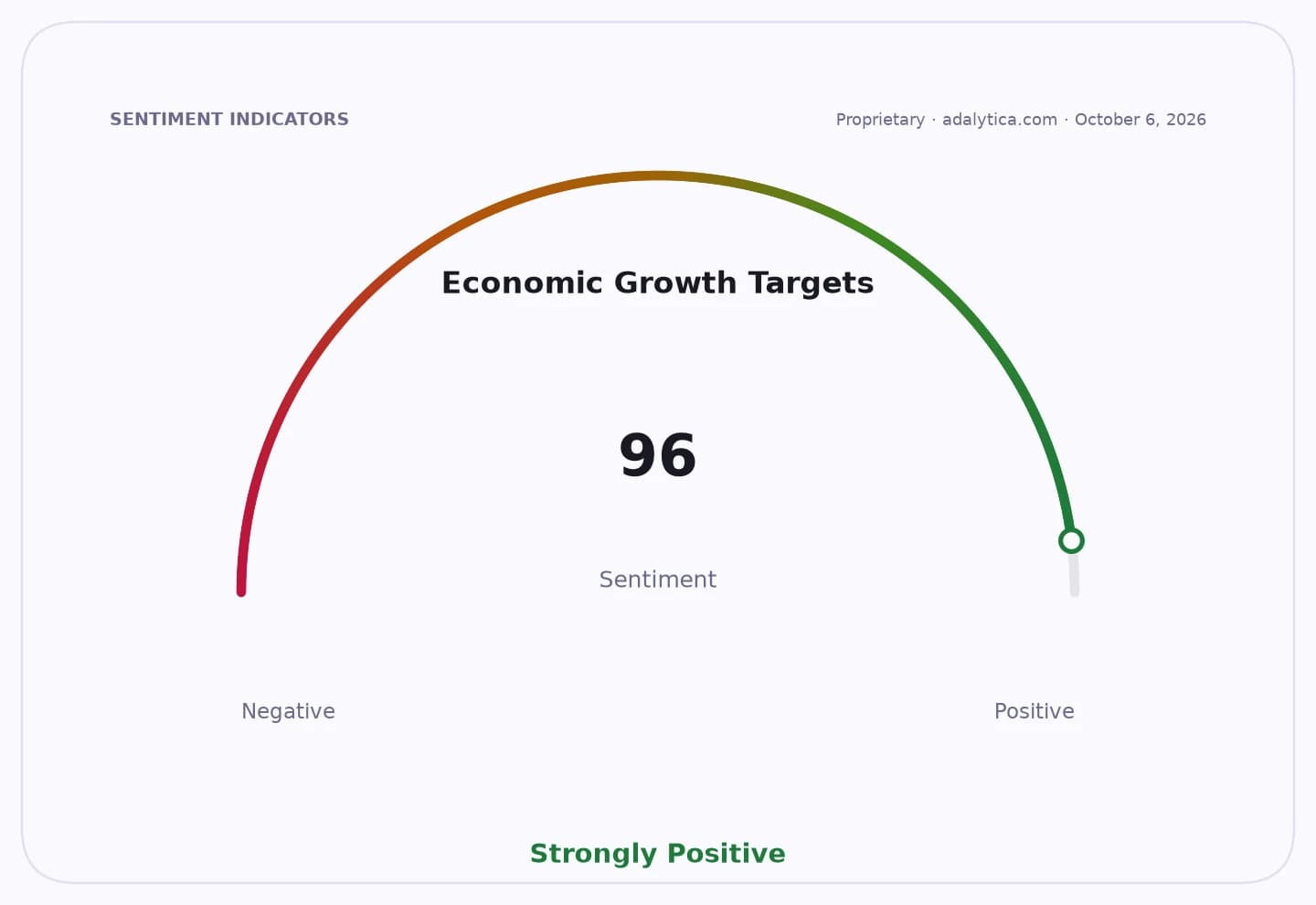
Sentiment IndicatorsⓘProprietary · adalytica.com · October 13, 2026
This is a snapshot — live sentiment, awareness and momentum for 130+ markets update continuously in the dashboard.Open AlphaPulse
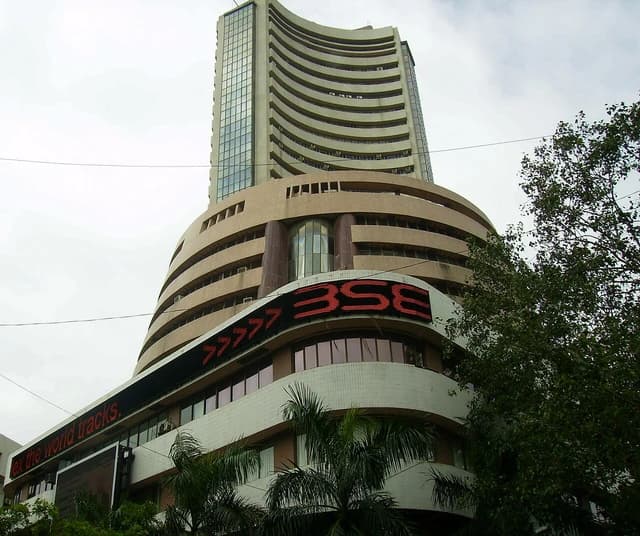
The biggest drag has been foreign institutional selling. Overseas investors have been net sellers for years, with outflows accelerating over the past two years to more than ₹4.41 lakh crore, or about $40 billion, even as domestic mutual funds and other local institutions kept buying. Bernstein said in a September report that it sees little reason for new foreign money to return, a view that reflects both stretched starting valuations and better opportunities elsewhere.
India’s market was re-rated hard after years of strong performance, leaving multiples above long-term averages and requiring much faster earnings growth than companies delivered. Nifty valuations have eased to about 19 times earnings from around 23 times last year, but they remain expensive relative to many global peers, limiting fresh foreign inflows even after June-quarter earnings showed some improvement.
The sector mix is also working against India. Global money has been chasing markets with direct exposure to artificial intelligence and semiconductors, especially the US, South Korea and Taiwan. Nvidia’s market value has climbed above $6 trillion, and South Korean chipmakers have surged, drawing capital away from India, where such names are scarce.
Macro pressures have added to the strain. Higher crude prices tied to the US-Iran conflict have pushed Brent above $100 a barrel in recent days, worsening India’s import bill, pressuring the rupee and lifting pump prices. That feeds through to inflation, corporate costs and consumer spending, making it harder for equities to shrug off the foreign selling.
Technical readings on India-focused ETFs also point to persistent weakness. The iShares MSCI India ETF has fallen below both its 50-day and 200-day moving averages, while the relative strength index has been stuck in oversold territory, consistent with a market that remains under distribution rather than broad accumulation.
For investors, the message is that India’s growth story is intact but the market is being priced more like a liquidity trade than a macro trade. The next catalyst is whether earnings growth can accelerate enough to justify premium valuations and whether crude and the rupee stabilize enough to stop foreign outflows.
| Entity | Gains | Losses |
|---|---|---|
| Domestic mutual funds | ▲Buy on weakness | ▼Face mark-to-market pressure |
| Foreign portfolio investors | ▲Shift to AI/chip markets | ▼Miss India rebound |
| Indian exporters | ▲Benefit from weaker rupee | ▼— |
| Indian consumers and importers | ▲— | ▼Pay more for fuel and inputs |