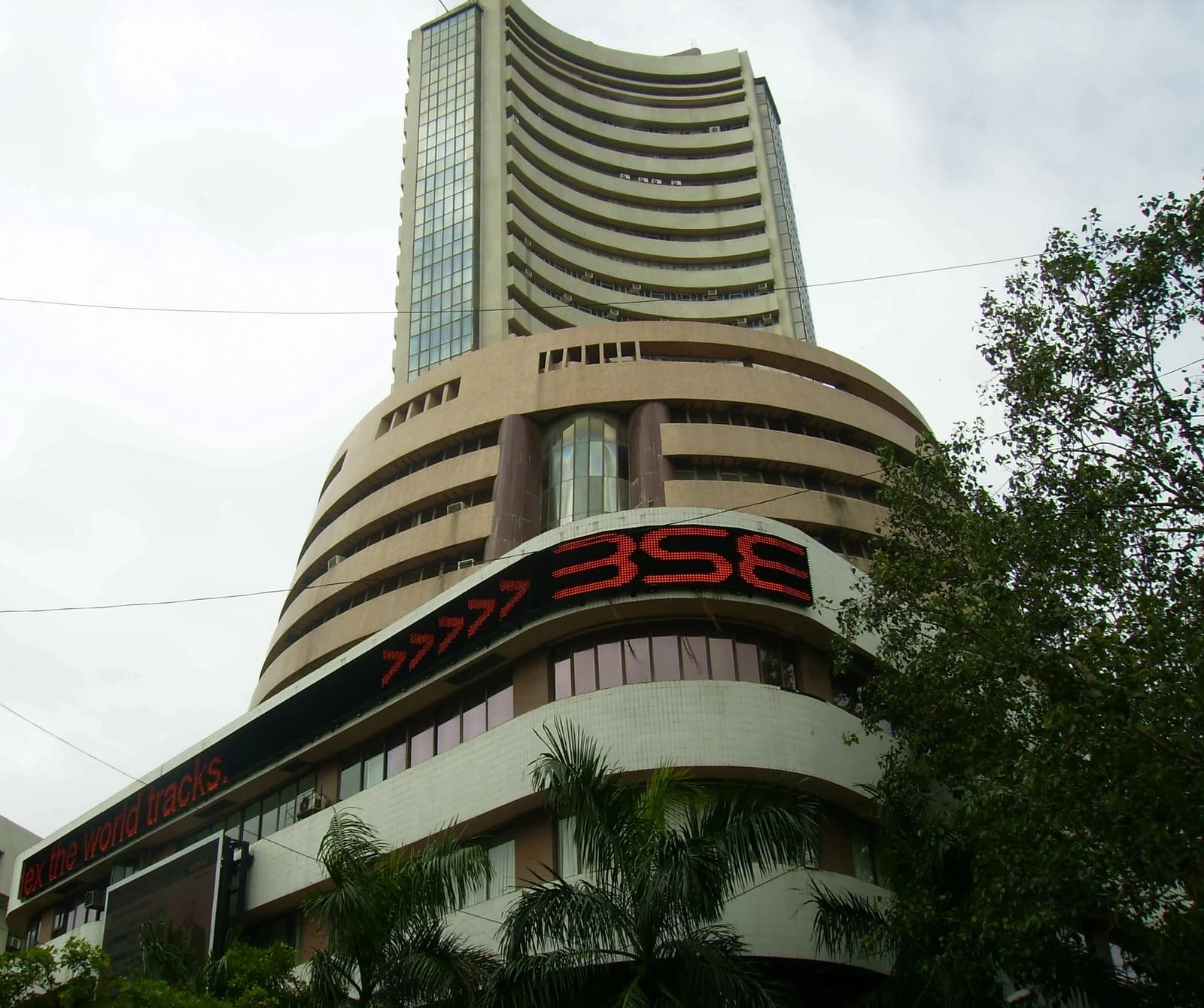
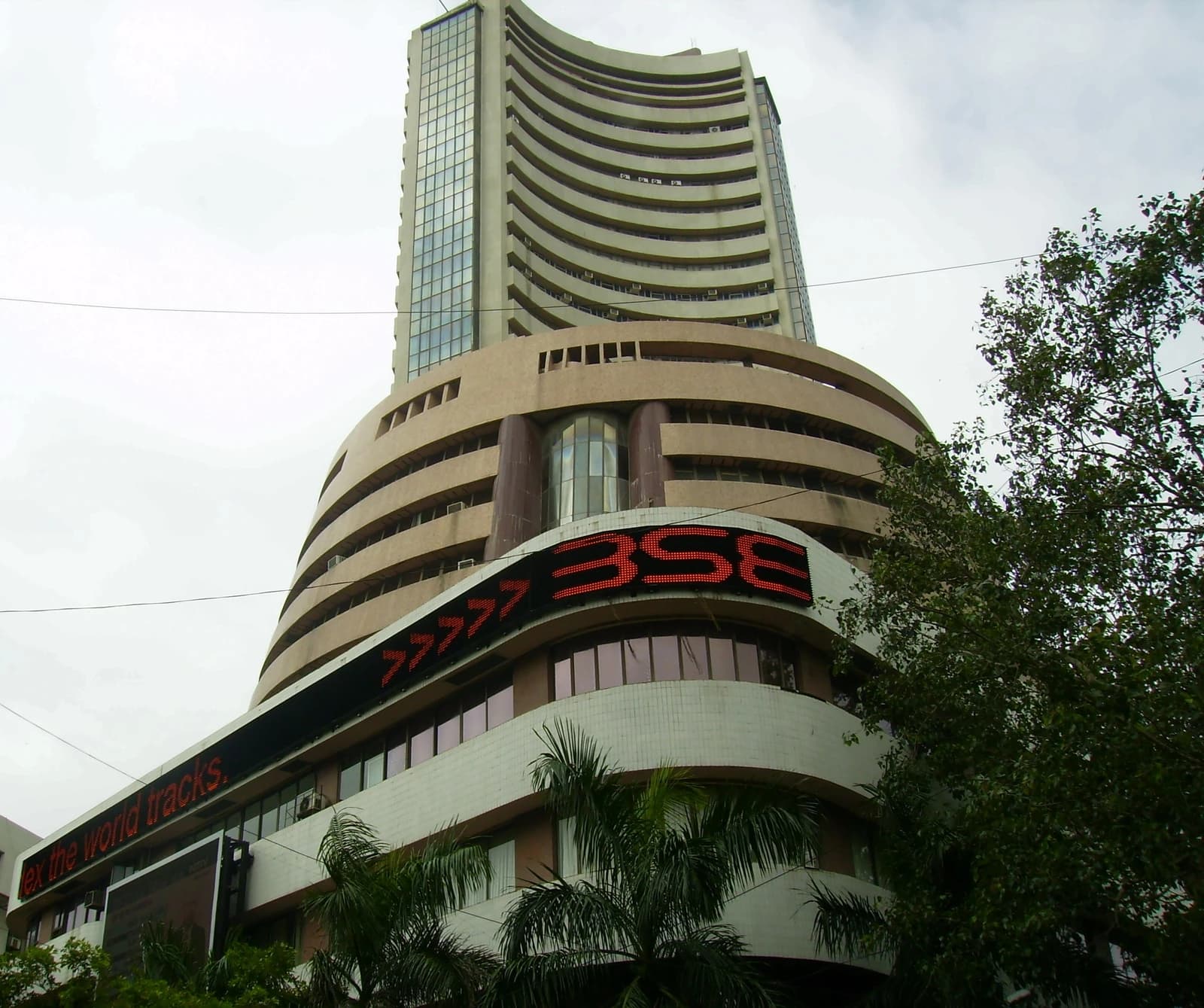
India’s stock market is going through a sharp de-risking phase, and the scale of the selloff matters far beyond a single red session. The Sensex’s 1,150-point drop erased about ₹8 lakh crore of investor wealth in one day, a move that signals a broad unwind in risk appetite and a reminder that one of the world’s most popular emerging-market trades is still vulnerable to macro shocks, foreign outflows and valuation compression.
India stocks fall as Sensex drops 1,150 points
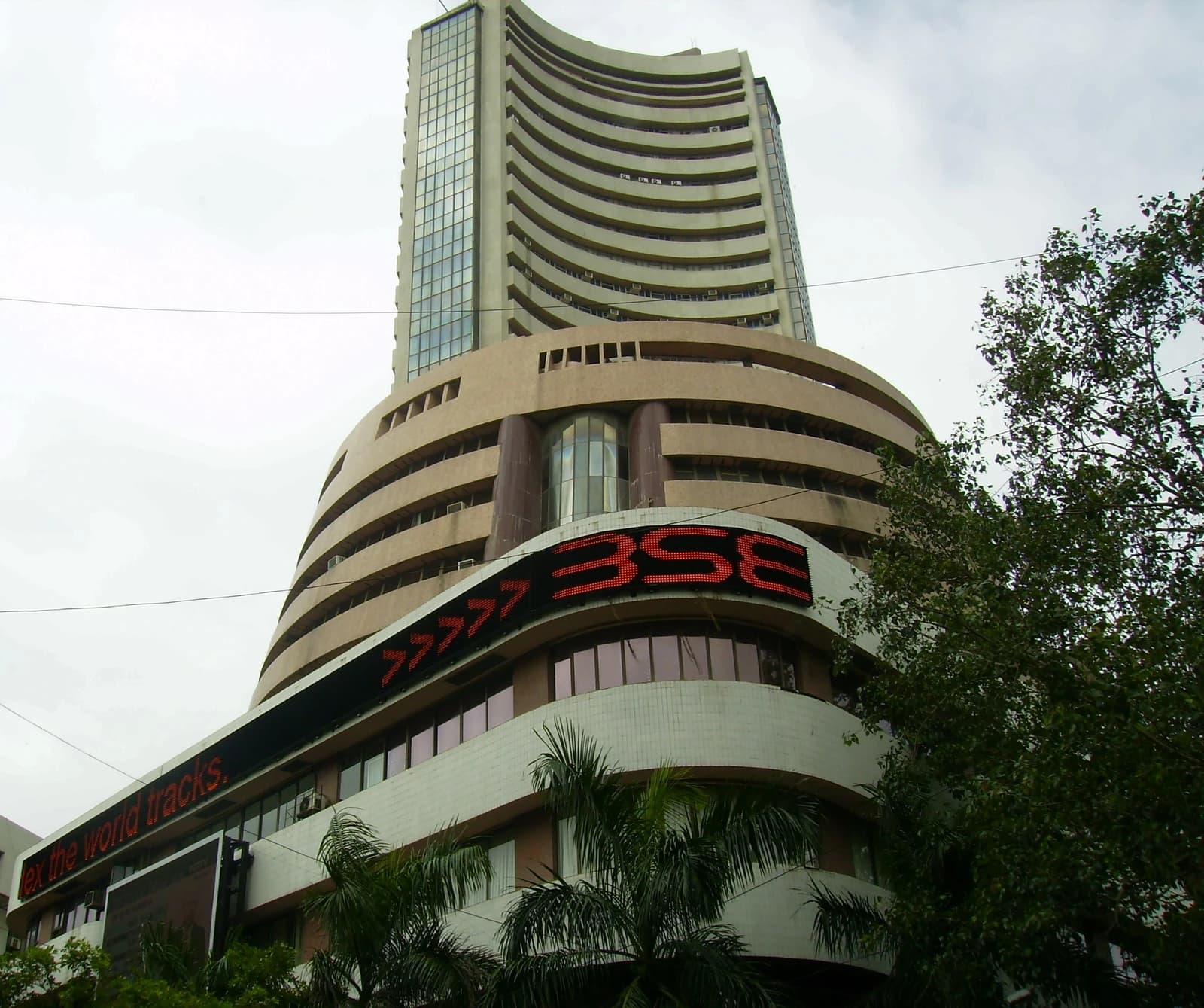
For investors, the key issue is not just the size of the fall but the speed at which sentiment can reverse after a long stretch of optimism. When large-cap benchmarks are hit that hard, passive and active portfolios alike feel the pain, and the damage tends to spread from financials and industrials to the broader market as money managers cut exposure, raise cash and defend performance. In that kind of tape, liquidity becomes the story.
Sentiment IndicatorsⓘProprietary · adalytica.com · October 9, 2026
This is a snapshot — live sentiment, awareness and momentum for 130+ markets update continuously in the dashboard.Open AlphaPulse
The pressure is not isolated to India. The broader risk backdrop has turned defensive, with U.S. equity sentiment sitting at “Extreme Greed” even as awareness in the market remains at “Extreme Fear” in Adalytica’s S&P 500 Trade Signals snapshot. That kind of split often precedes sharper cross-asset swings, because crowded positioning leaves less room for error when global growth or rates expectations shift. India, which has benefited for months from strong domestic flows and a premium valuation, is especially exposed when international investors decide to trim emerging-market risk.
The price action in India-focused funds reinforces the message. The INDA ETF has slipped below both its 50-day and 200-day moving averages, while its relative strength index has fallen into deeply oversold territory, a sign that sellers have been in control and that momentum has broken. The EPI ETF shows the same pattern: trading below its 50-day and 200-day averages with weak RSI readings. Those are conventional technical indicators, but they confirm what the headline already shows — this is a market under pressure, not just a one-day headline move.
The real economic significance is that a sharp equity correction can tighten financial conditions even without a policy move from the central bank. A weaker stock market hits household wealth, complicates fundraising, and can cool enthusiasm for new capital spending. That matters in India, where the equity market has been central to financing growth stories across banks, consumption, infrastructure and manufacturing. If the correction deepens, it could slow the flow of retail money into equities and make institutional investors more selective on new risk.
The currency backdrop is also worth watching. The U.S. dollar’s trade signal profile shows rising awareness, which typically means the greenback is once again commanding attention from investors. A firmer dollar can pressure emerging-market assets, especially when valuations are rich and earnings expectations are still being reset. For India, that combination is toxic: it can trigger outflows, weigh on imported inflation and make foreign investors less willing to pay up for growth.
The opportunity, paradoxically, often emerges after this kind of washout. India’s long-term investment case has not disappeared; what changes in selloffs like this is the entry point. High-quality domestic lenders, infrastructure plays and consumption leaders can become far more attractive if the correction turns into a reset rather than a recession signal. But the market is not yet offering that clarity, which means investors should respect the tape and wait for stabilization before leaning aggressively back into beta.
Our thesis is straightforward: this is a valuation-and-positioning shakeout in a market that had been expensive and crowded, and the next move will depend on whether foreign selling meets real domestic demand. If it does, the rebound could be sharp. If it doesn’t, India equities may need more time to find a durable floor. For now, the smart money should stay selective, keep cash ready, and focus on names with balance-sheet strength and structural growth rather than trying to catch the entire market in free fall.
| Entity | Gains | Losses |
|---|---|---|
| Cash-rich investors | ▲Better entry points | ▼Short-term mark-to-market pain |
| Foreign sellers | ▲Higher cash balance | ▼Exposure to India rerating |
| Indian domestic institutions | ▲Selective bargains | ▼Portfolio drawdowns |
| Sensex bulls | ▲Potential reset in valuations | ▼Immediate wealth destruction |