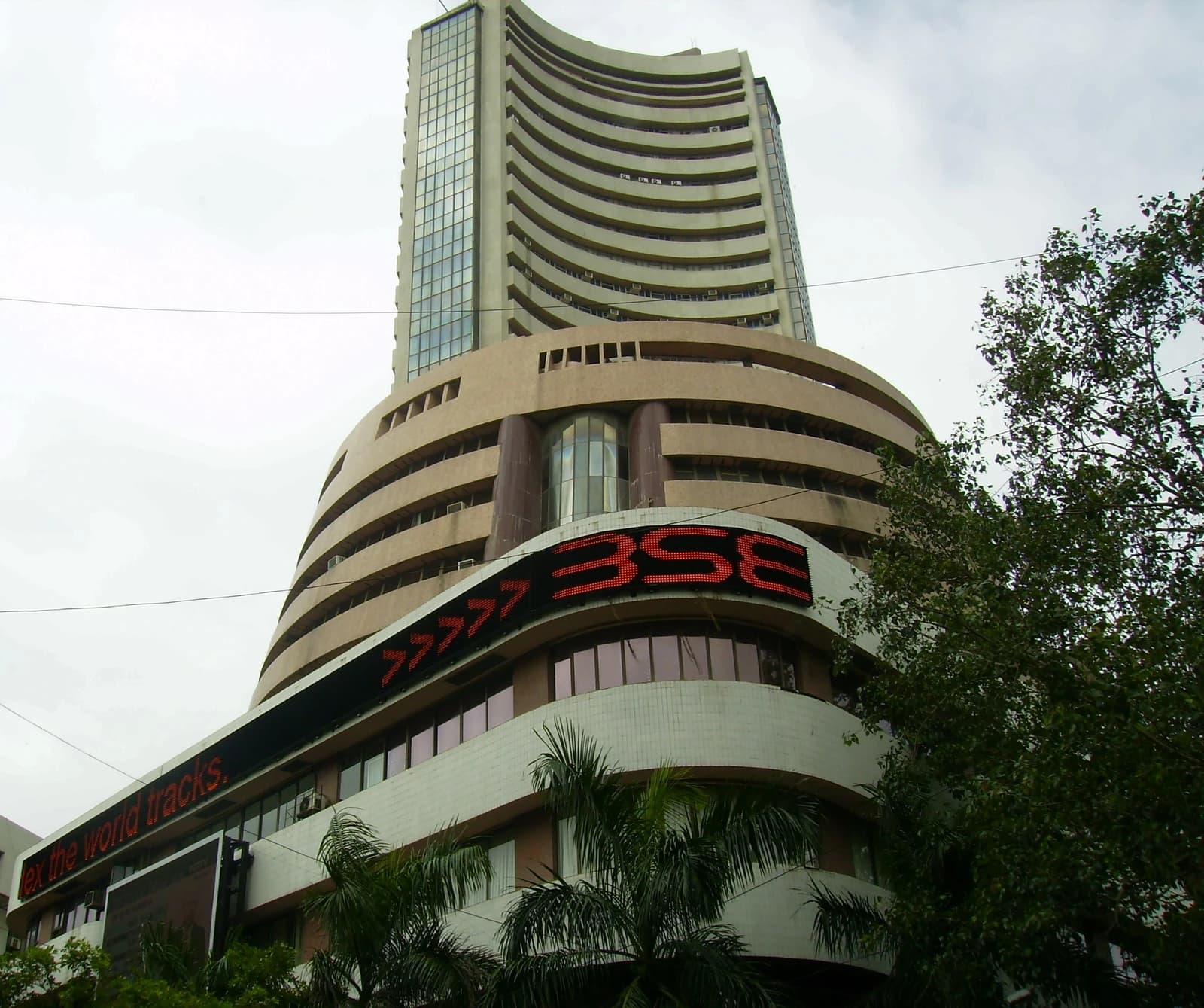
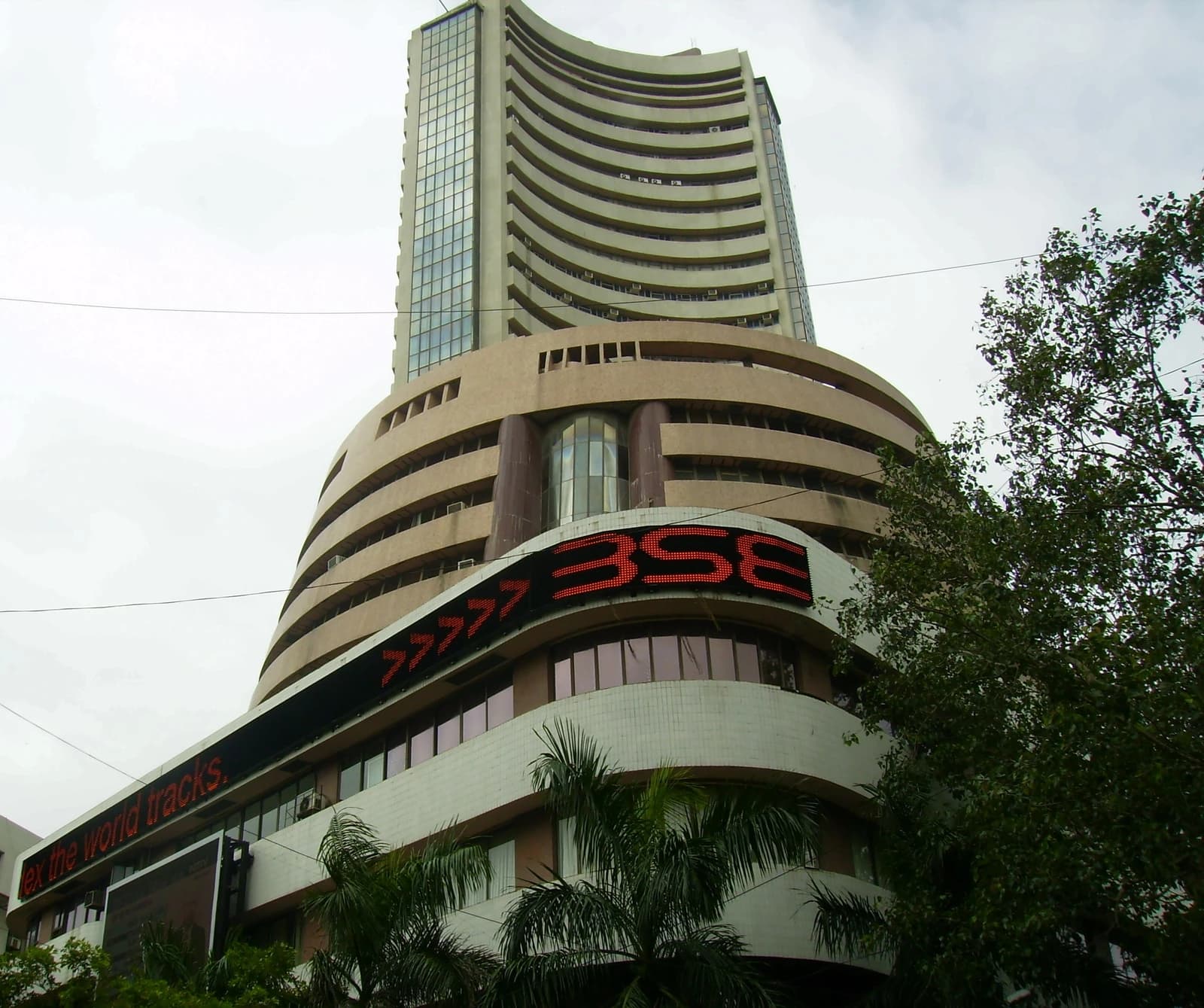
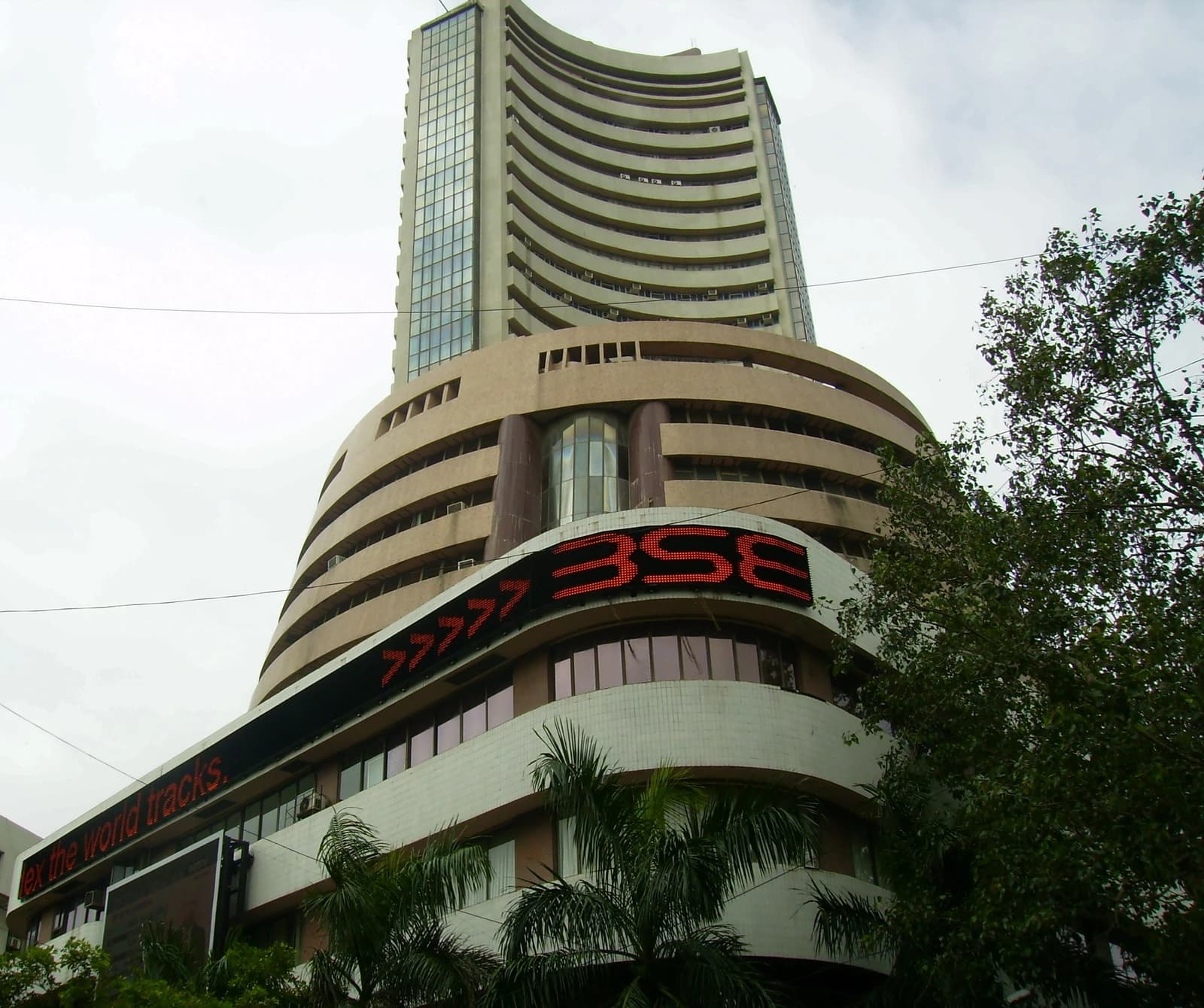
Domestic equities tumbled sharply as a tighter RBI stance collided with relentless foreign selling, pushing the Sensex down more than 1,100 points and wiping over ₹10 lakh crore from BSE market capitalisation in a single session.
Sensex Falls 1,100 Points on RBI, FII Selling
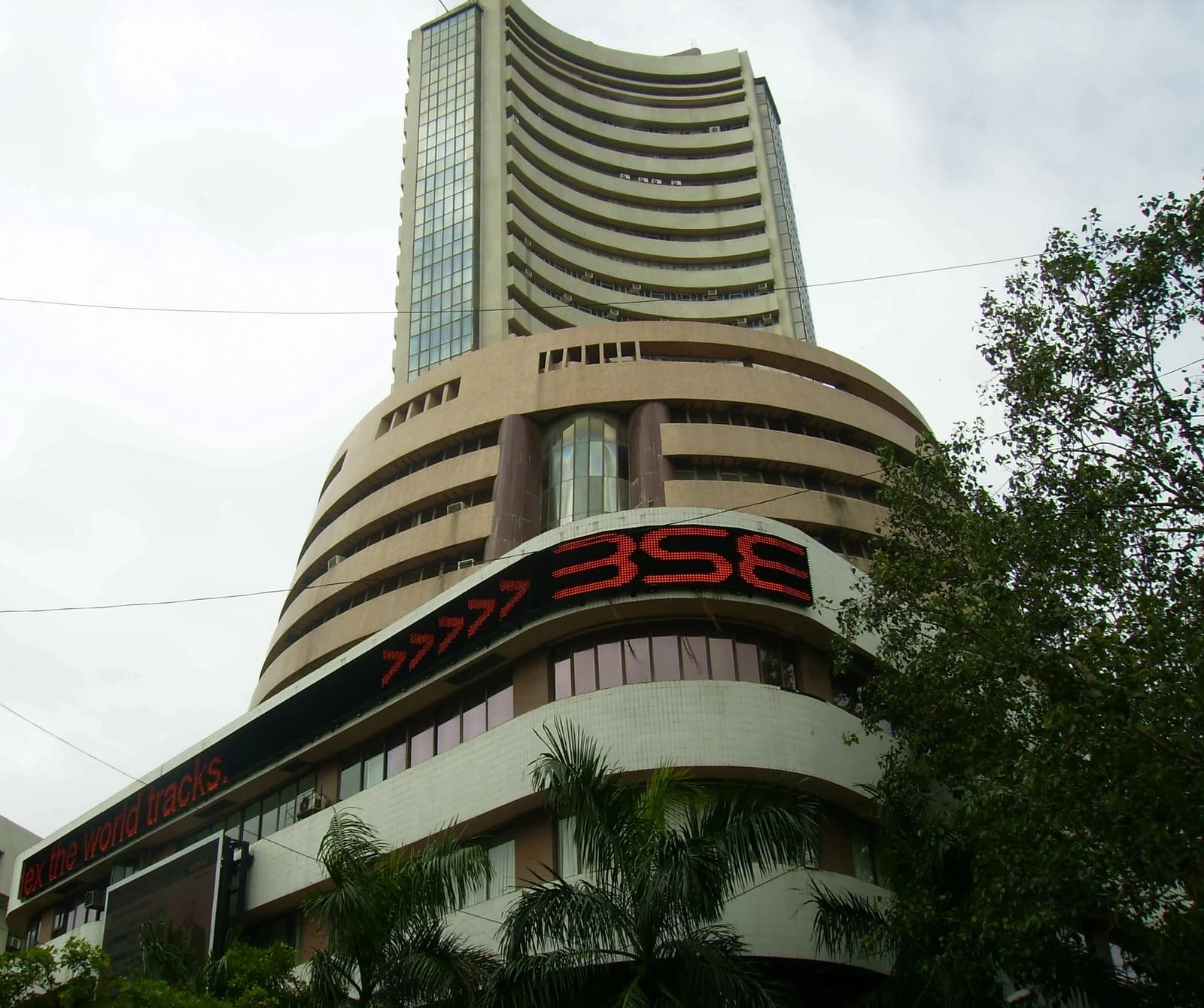
The selloff matters because it was not a routine correction but a broad de-risking move across asset classes. Higher policy rates, firmer global bond yields, a jump in crude prices and weakness across Asian and US markets all hit valuations at the same time, lifting the cost of capital just as investors were already reducing exposure to India. For a market that had been relatively resilient, the speed of the fall suggests the margin for bad news has narrowed fast.
Sentiment IndicatorsⓘProprietary · adalytica.com · October 9, 2026
This is a snapshot — live sentiment, awareness and momentum for 130+ markets update continuously in the dashboard.Open AlphaPulse
At the centre of the move was the RBI’s decision to turn more hawkish, a shift analysts said mattered more than the actual rate increase. Jefferies expects about 100 basis points of further tightening in the current cycle, while Nomura called the policy stance change a surprise. That matters for equities because a higher rate path pressures valuations, raises borrowing costs for companies and reduces the appeal of risk assets versus fixed income.
The bond market backdrop amplified the damage. US 30-year Treasury yields climbed above 5.7%, with the 10-year above 5.3% and the 2-year near 4.9%, levels that make global debt more competitive with equities and tend to pull capital away from emerging markets. In India, the impact showed up immediately: the Sensex dropped to below 71,500 and the Nifty fell under 22,200, breaking support levels that had helped cushion the market in recent weeks.
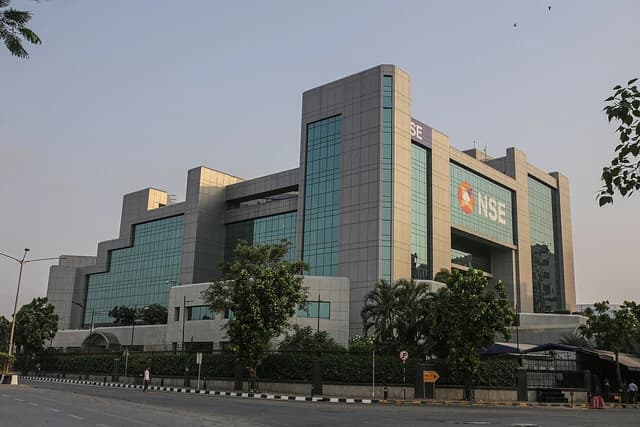
Foreign investors deepened the slide. NSE data showed overseas funds sold more than ₹6,121 crore of shares on the day, extending a streak that has seen roughly ₹57,000 crore leave Indian equities over nine straight sessions. Since the start of September, FIIs have been net sellers in 20 of 25 trading sessions, a pattern that weighs heavily on large-cap stocks and makes every bout of volatility harder to absorb.
Crude oil added another layer of pressure. Brent rose above $102 a barrel as attacks on shipping in the Gulf and the Strait of Hormuz revived supply worries, raising the prospect of higher import bills and stickier inflation. For India, that is a direct macro risk: dearer oil can widen the current account deficit, crimp corporate margins and complicate the RBI’s policy response.
The market damage was broad-based. BSE-listed companies lost more than ₹10 lakh crore in value, dragging total market capitalisation below ₹461 lakh crore. Metal stocks led sector losses, while realty and oil-and-gas names also fell sharply. The advance-decline ratio underscored the weakness, with 2,645 shares declining on the NSE versus 693 gaining. Midcaps and smallcaps fell about 2%, showing that the selloff was not confined to index heavyweights.
Still, the pain was uneven. Some information technology names such as TCS, Infosys and HCL Tech outperformed, helped by their defensive earnings profile and global revenue exposure, while consumer and infrastructure-linked names were among the laggards. That divergence suggests investors are rotating toward quality balance sheets and export earners even as they cut overall risk.
Technically, the market was vulnerable before the decline accelerated. The Nifty broke below key support near 22,800, and analysts warned that a slide toward its 52-week low around 22,180 could trigger further forced selling. The Sensex’s 50-day average remains well above current levels, while the Nifty’s relative strength index has dropped to oversold territory, indicating that momentum has turned decisively negative.
For investors, the key question is whether this is a valuation reset or the start of a deeper rerating. A mild bull case rests on earnings resilience, particularly among large-cap financials and exporters, and on the possibility that global yields stabilise. The bear case is more immediate: if the RBI keeps tightening, crude stays elevated and FIIs continue selling, domestic equities may struggle to find a floor until risk-free rates and oil ease.
The next few sessions will hinge on whether global bond yields cool, whether crude can hold above the $100 mark and whether the RBI signals more caution in the face of growth risks. Until then, the market is likely to remain in a defensive phase, with liquidity, policy and foreign flows setting the tone.
| Entity | Gains | Losses |
|---|---|---|
| FIIs/short sellers | ▲Cheaper entry points | ▼Valuation gains |
| IT exporters | ▲Defensive flows | ▼Cyclical exposure |
| Bond investors | ▲Higher yield appeal | ▼Equity rotation |
| Equity bulls | ▲None | ▼₹10 lakh crore market value |