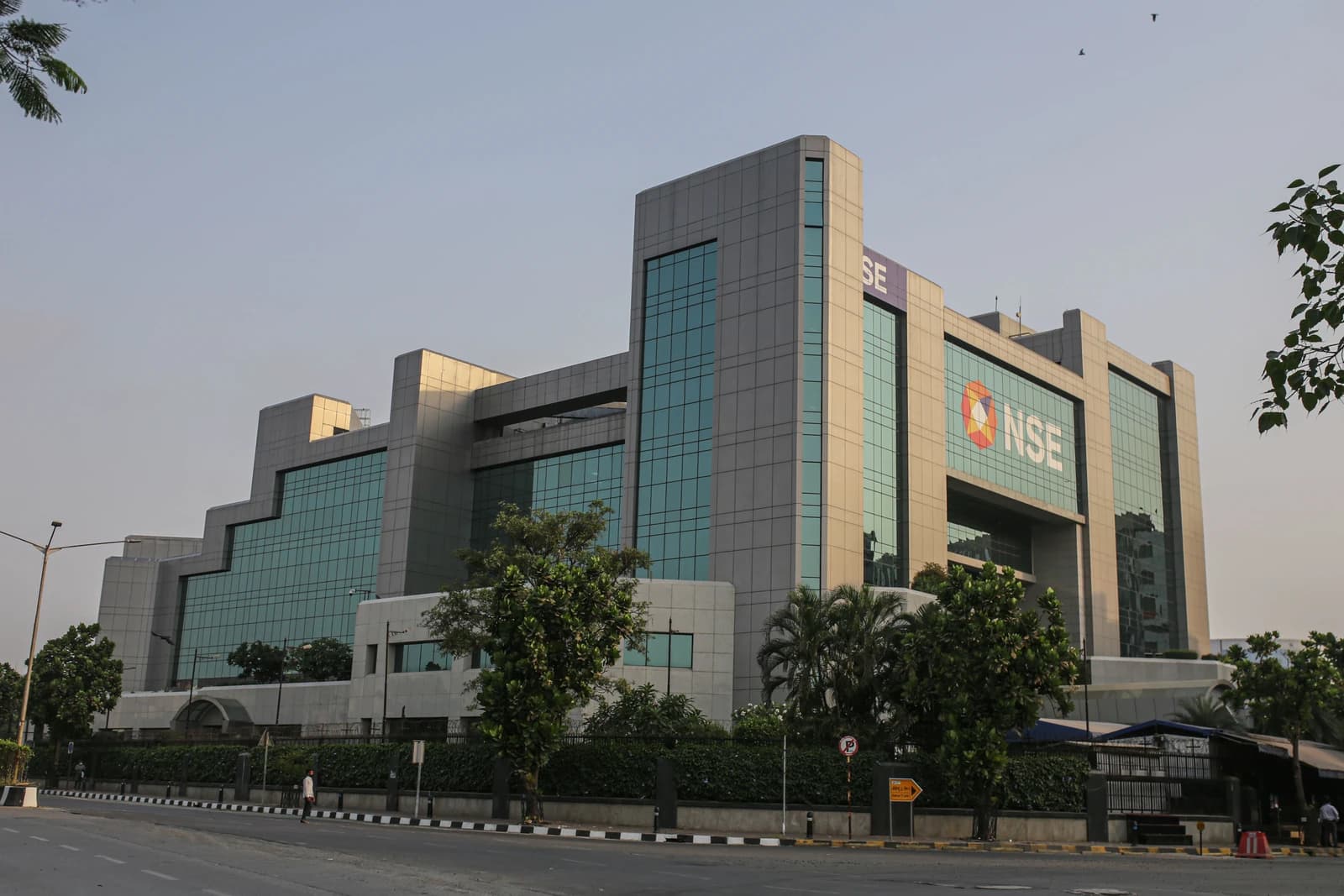
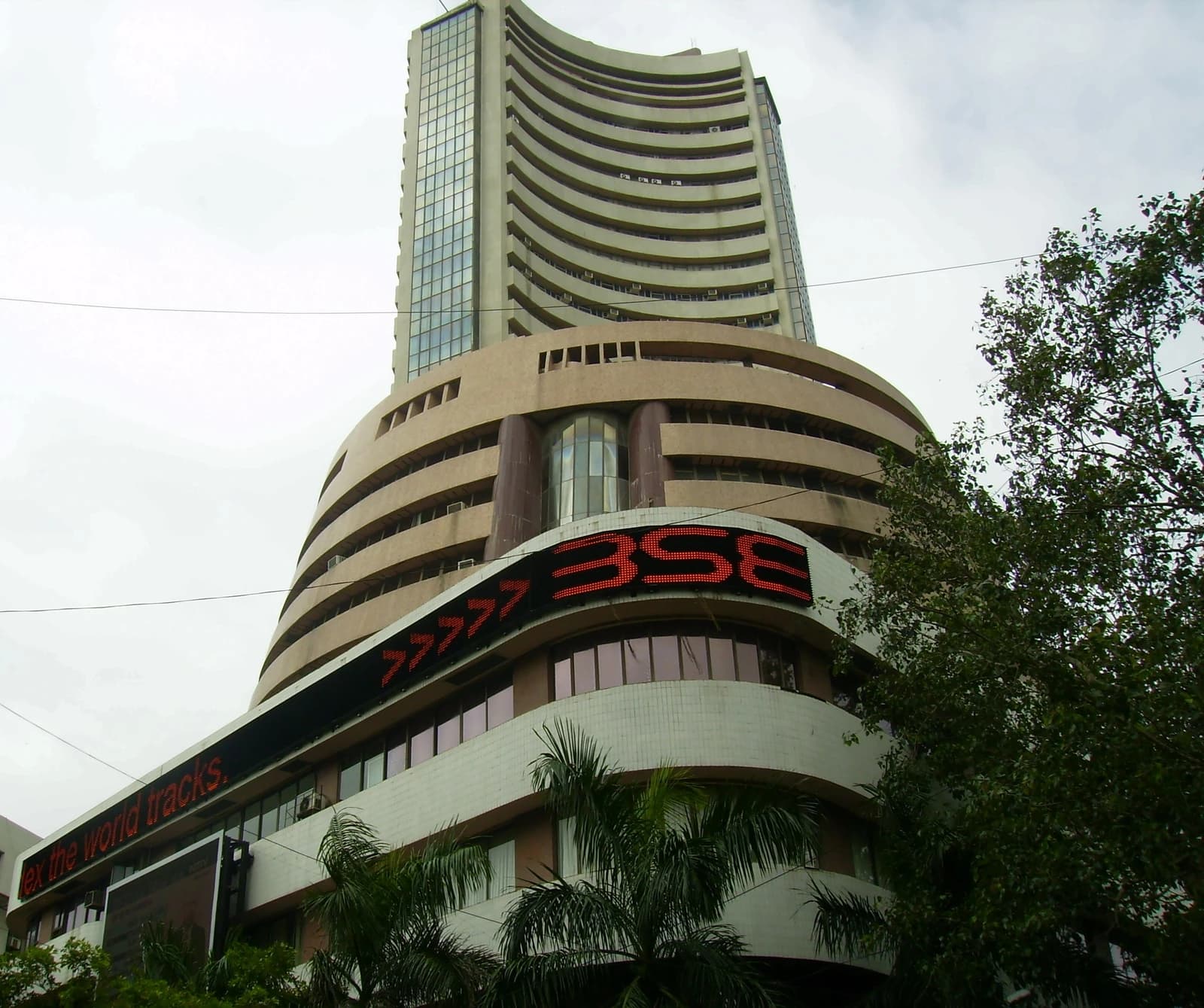
Indian stocks are heading into Monday after an eighth straight week of losses, but the big question for investors is whether the selloff has finally gone far enough. The Sensex and Nifty have been hit by foreign selling, higher bond yields and firmer crude prices, yet the latest global cues are no longer uniformly negative, with Wall Street rallying late last week and Japan and Taiwan showing renewed strength.
Nifty tests support as India stocks extend losses

That matters because India’s market has not been falling in isolation. The correction has been part of a wider global reset in risk appetite, driven by interest-rate expectations and the tug of war between growth and valuation. When the Dow Jones, Nasdaq, Kospi and Nikkei are all moving on the same macro forces — yields, Fed expectations and tech sentiment — Indian equities tend to take their cues from abroad as much as from domestic fundamentals. For long-term investors, that makes this kind of weakness less about panic and more about where discipline and patience can pay off.
Sentiment IndicatorsⓘProprietary · adalytica.com · October 5, 2026
This is a snapshot — live sentiment, awareness and momentum for 130+ markets update continuously in the dashboard.Open AlphaPulse
The domestic backdrop is still fragile. The Sensex dropped 1,670.84 points for the week and the Nifty fell more than 3%, extending a corrective phase that has now lasted eight weeks. The Sensex briefly sank to a 52-week low of 71,292.88 before recovering, while the Nifty tested its long-term support around 22,400-22,600, a zone that technical strategists say has not been revisited in nearly six years. The readings are deeply oversold, with the Sensex RSI down to 24.55, a conventional indicator that often suggests selling has become stretched.
That does not mean the market is automatically cheap, but it does mean the odds of a short-term rebound have improved. Traders may see a bounce toward 22,800 on the Nifty and 72,300-72,500 on the Sensex if support holds. But investors should think beyond the next session. Corrections like this usually shake out weak hands, reset expectations and create better entry points for businesses with durable earnings power, balance sheets and pricing strength. In other words, volatility is the price of admission for long-term returns.
The global setup is mixed but not broken. US stocks finished Friday higher after weaker-than-expected jobs data eased pressure on the Federal Reserve, with the Nasdaq hitting a record intraday before paring gains. That helped improve sentiment for Monday’s open. Japan’s Nikkei and Taiwan’s TAIEX also offered firmer cues, even as South Korea’s Kospi remained under pressure from technology profit-taking. The message for investors is that the global backdrop is still favorable for selective risk-taking, but only if rates and yields stop rising.
For India specifically, the next market leg will likely be driven by whether foreign institutional selling slows and whether crude oil can stabilize. Higher oil is a tax on Indian growth, inflation and corporate margins, and that is why the recent spike has weighed so heavily on sentiment. If oil cools and US yields ease further, the pressure on the rupee, imports and domestic rates could start to lift. That would be especially constructive for rate-sensitive sectors and for the broader market multiple.
If you are a long-term investor, this is the kind of tape that rewards a steady hand rather than a prediction. The near-term trend is still weak, but the combination of oversold technicals, supportive US cues and key Asian benchmarks holding up suggests the market may be closer to a tradable bottom than a fresh breakdown. For investors building wealth over five to 10 years, the sensible move is to keep watching, stay diversified and focus on quality names that can compound through the noise.
| Entity | Gains | Losses |
|---|---|---|
| Long-term investors | ▲Better entry points | ▼Short-term mark-to-market pain |
| Oversold Indian indices | ▲Rebound potential | ▼Recent momentum sellers |
| Wall Street bulls | ▲Easier Fed-rate outlook | ▼Weak-growth fears |
| Oil importers in India | ▲Lower input pressure if crude eases | ▼Higher costs if oil stays firm |