Prime Minister Narendra Modi’s latest push for a “Viksit Bharat” by 2047 is more than political rhetoric — it is a reaffirmation of India’s long-term growth ambition at a time when investors are looking for durable secular winners in one of the world’s fastest-growing economies.
India Viksit Bharat Push and Long-Term Market Theme
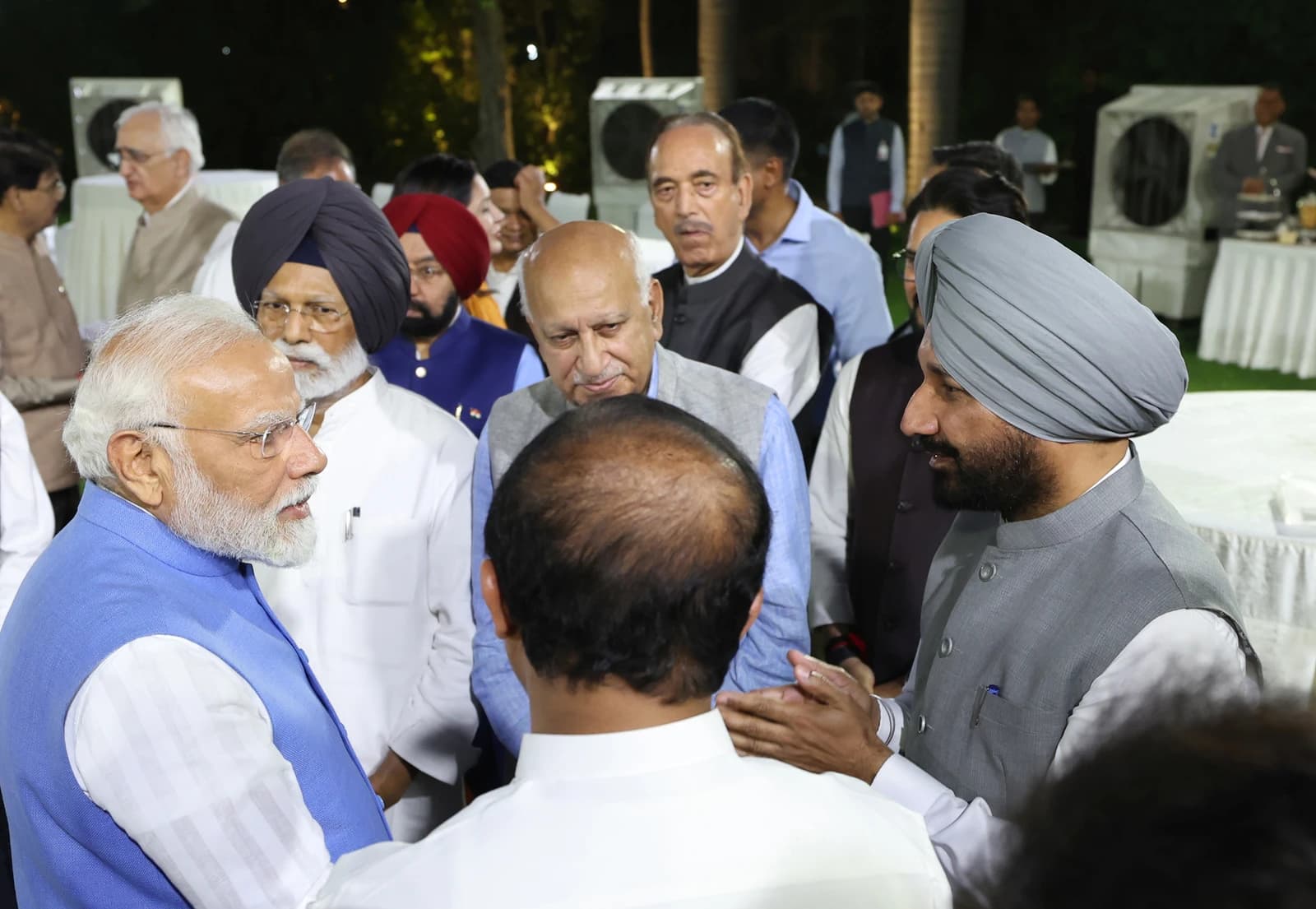
That matters because the story India is selling to the world is increasingly about scale, execution and confidence. Modi’s message — that India will build toward hosting the Olympics, reach deeper into space and keep advancing by 2047 — is designed to reinforce the idea that the country is not just managing growth, but aiming for nation-building on a generational horizon. For businesses and markets, that kind of policy continuity and national ambition can support capital spending, infrastructure buildout, defense, space, digital services and consumer demand over many years.
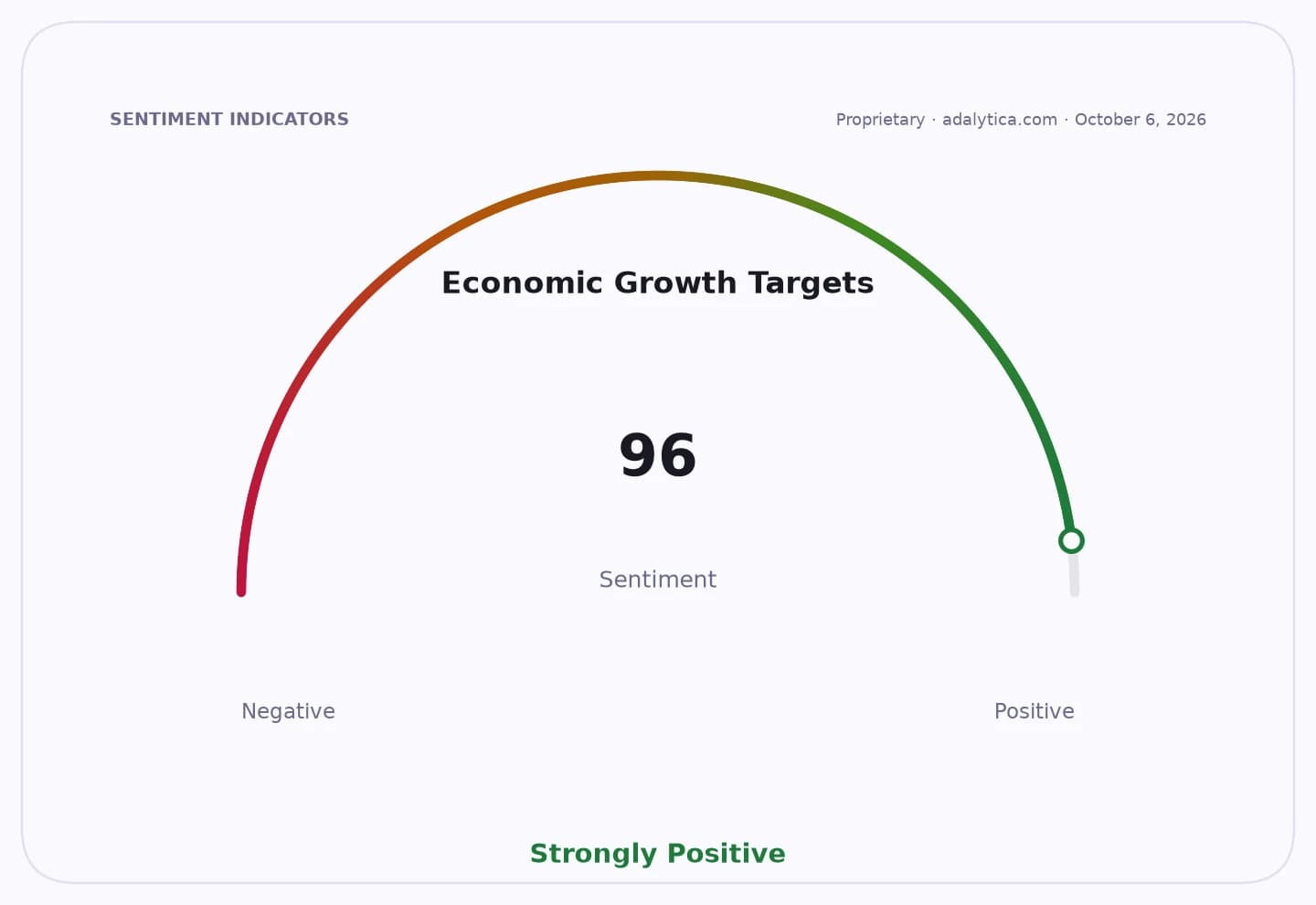
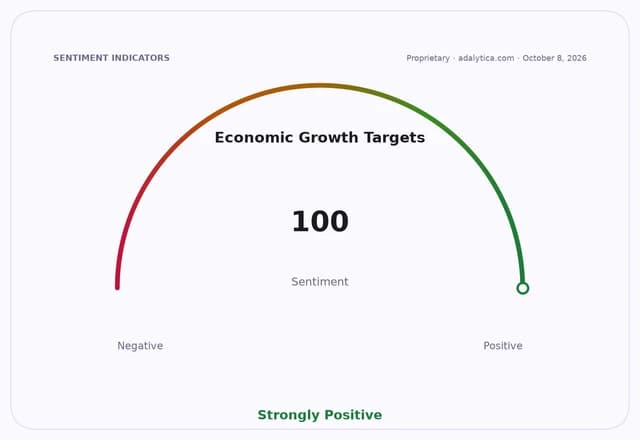
Sentiment IndicatorsⓘProprietary · adalytica.com · October 8, 2026
This is a snapshot — live sentiment, awareness and momentum for 130+ markets update continuously in the dashboard.Open AlphaPulse
For investors, the relevance is straightforward: India remains a structural growth market, and narratives like this help shape where domestic and global capital flows next. When a government frames the next two decades around modernization and scale, it tends to favor companies tied to infrastructure, manufacturing, aviation, technology, energy and urban development. That is why long-term investors continue to view broad India exposure as a compelling diversification play, whether through country funds, ETFs or a basket of high-quality local businesses with strong earnings and cash flow.
The market backdrop also shows how quickly expectations can shift. India-focused funds such as the iShares MSCI India ETF and the India Fund have been volatile, with recent trading levels below their 50-day and 200-day moving averages, a sign that near-term sentiment can cool even when the long-term story remains intact. For patient investors, that disconnect is often where opportunity lives: the headlines may be political, but the investment case is still rooted in compounding GDP, rising formalization and a broader upgrade in national infrastructure.
Economic Growth Targets vs INDAadalytica.com
Explore this data interactively — full history, time series and cross-market comparisons.Open AlphaPulse
There is also a softer but important message in Modi’s remarks. By emphasizing criticism, self-improvement and service, he is trying to frame continuity not as complacency but as discipline. Markets tend to reward that kind of policy steadiness when it is matched by spending, reform and execution. Of course, the risks are real — growth targets are easier to announce than to deliver, and India still faces bottlenecks in jobs, land, logistics and public finance.
Even so, the bigger narrative is hard to miss: India is pitching itself as a 2047 winner, and investors who want exposure to that story should think in years, not weeks. If the country keeps turning ambition into infrastructure and productivity gains, this is the kind of theme worth holding, not trading.
| Entity | Gains | Losses |
|---|---|---|
| India long-term investors | ▲Secular growth exposure | ▼Short-term volatility |
| Infrastructure and capital goods firms | ▲Bigger spending cycle | ▼Execution bottlenecks |
| Broad India ETFs | ▲Theme-driven inflows | ▼Near-term technical weakness |
| Political critics | ▲Scrutiny of delivery | ▼Momentum around Modi’s narrative |