Russia’s coal industry is headed for another year of heavy losses, and that matters because the sector is no longer just a cyclical laggard — it is becoming a drag on cash flow, exports and the broader energy economy.
Russia coal sector loss forecast for 2026
Deputy Energy Minister Dmitry Islamov said the coal sector’s loss in 2026 could reach 300 billion to 310 billion rubles, or roughly $3.4 billion, even after prices improved and the rouble weakened slightly. That would follow a 408 billion-ruble consolidated loss in 2025, according to Rosstat, underscoring how deeply the industry remains squeezed by weak economics, transport bottlenecks and sanctions-era trade frictions.
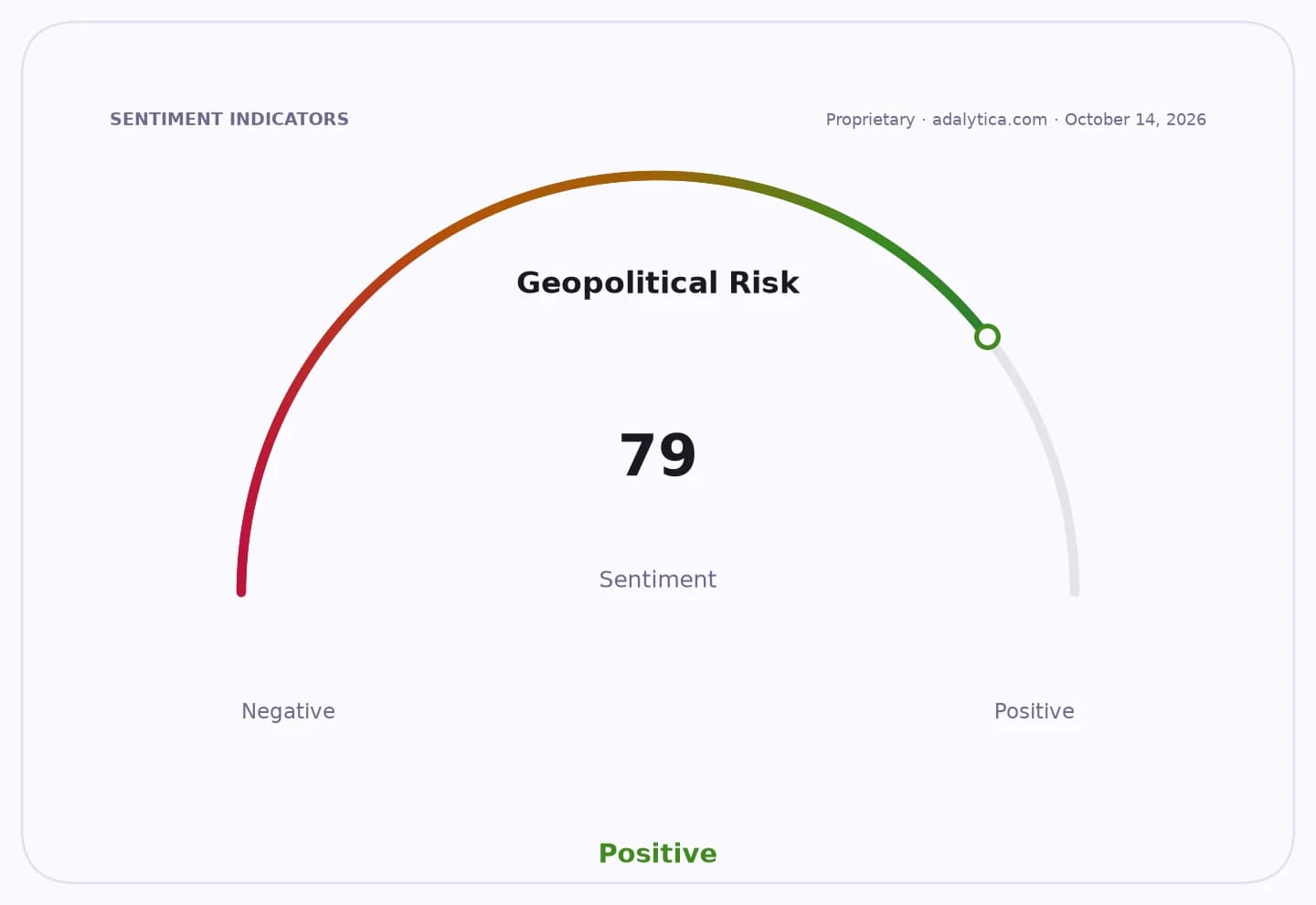
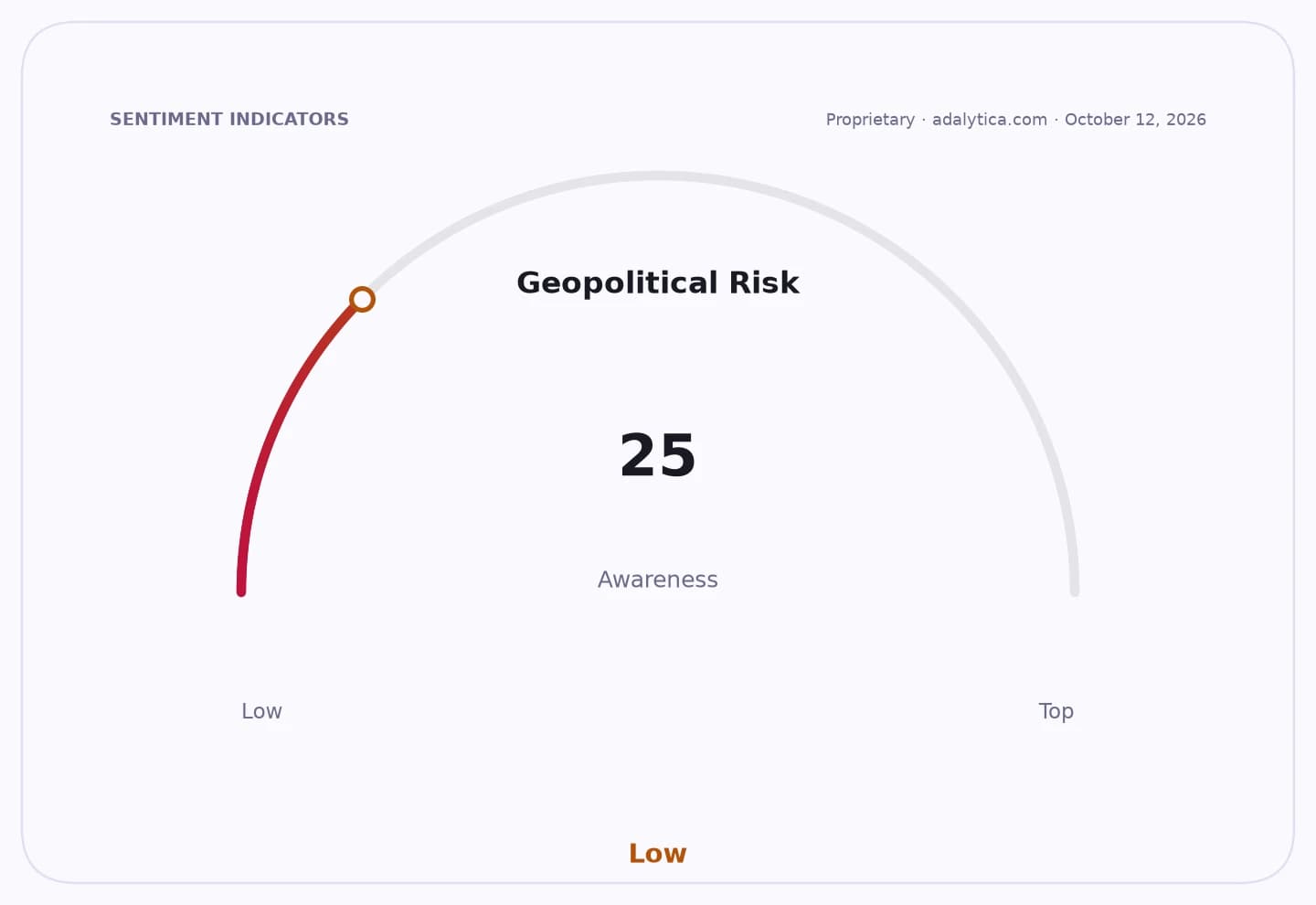
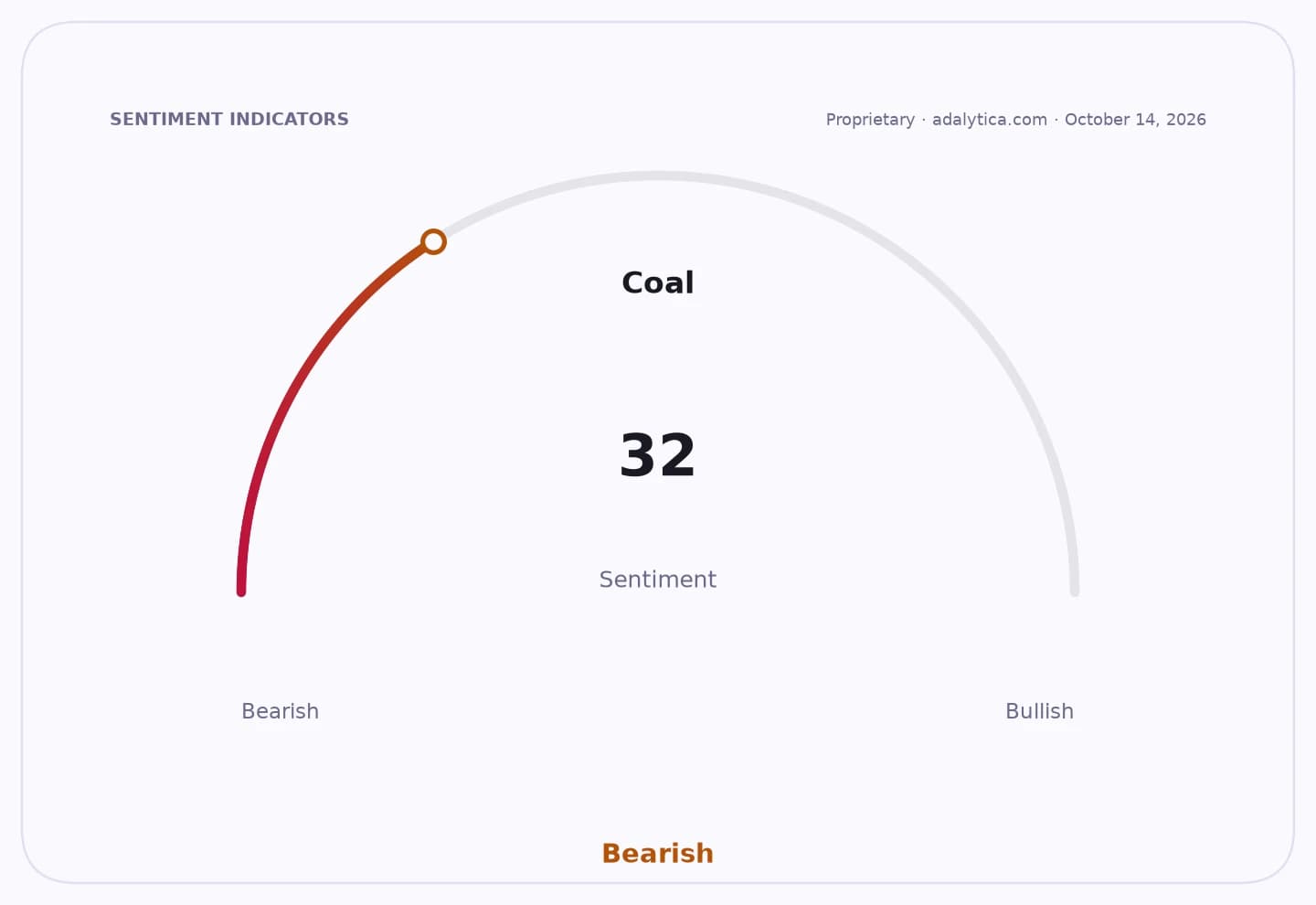
Sentiment IndicatorsⓘProprietary · adalytica.com · October 14, 2026
This is a snapshot — live sentiment, awareness and momentum for 130+ markets update continuously in the dashboard.Open AlphaPulse
The key issue is not simply profitability. Coal remains a major employer, export earner and source of freight volumes in Russia’s industrial chain. If the sector cannot materially narrow losses even with firmer prices, then miners will have less room to fund capital spending, service debt or sustain production at high-cost operations. That pushes more of the burden onto the state, rail operators and regional budgets already under pressure.
Islamov said the loss estimate depends on three variables: global coal prices, export volumes and the exchange rate. That is the right framework for investors to watch. Higher prices help, but they only translate into better results if Russia can actually move more coal to market. In other words, the sector’s fortunes hinge on whether logistics can catch up with demand recovery.
For investors, the message is straightforward: this is a structural stress story, not a quick turn. Coal prices may be improving, but the sector’s economics remain fragile enough that even a better pricing backdrop leaves Russia with a triple-digit-billion-ruble hole. That suggests continued support for better-positioned exporters, rail-linked infrastructure plays and non-Russian coal suppliers that can capture displaced market share.
The market is also missing how persistent this pressure can become. Russia’s coal industry is being squeezed from both sides — by weaker profitability at home and by the broader geopolitical reshaping of trade routes abroad. Unless export flows normalize and transport costs ease, the 2026 loss forecast may prove less like a ceiling and more like a waypoint.
For global investors, the takeaway is to stay selective: avoid assuming a coal rebound automatically fixes balance sheets. The winners are companies and markets with lower costs, better logistics and cleaner access to seaborne demand. The losers are Russian producers tied to an export model that is still struggling to convert firmer prices into real earnings.
| Entity | Gains | Losses |
|---|---|---|
| Russian coal miners | ▲Higher coal prices | ▼300B+ ruble losses |
| Russian rail/logistics | ▲More export volumes | ▼Freight bottlenecks pressure |
| Global non-Russian exporters | ▲Market share gains | ▼Less price support risk |
| Russian state budgets | ▲Possible export receipts | ▼More support for sector |