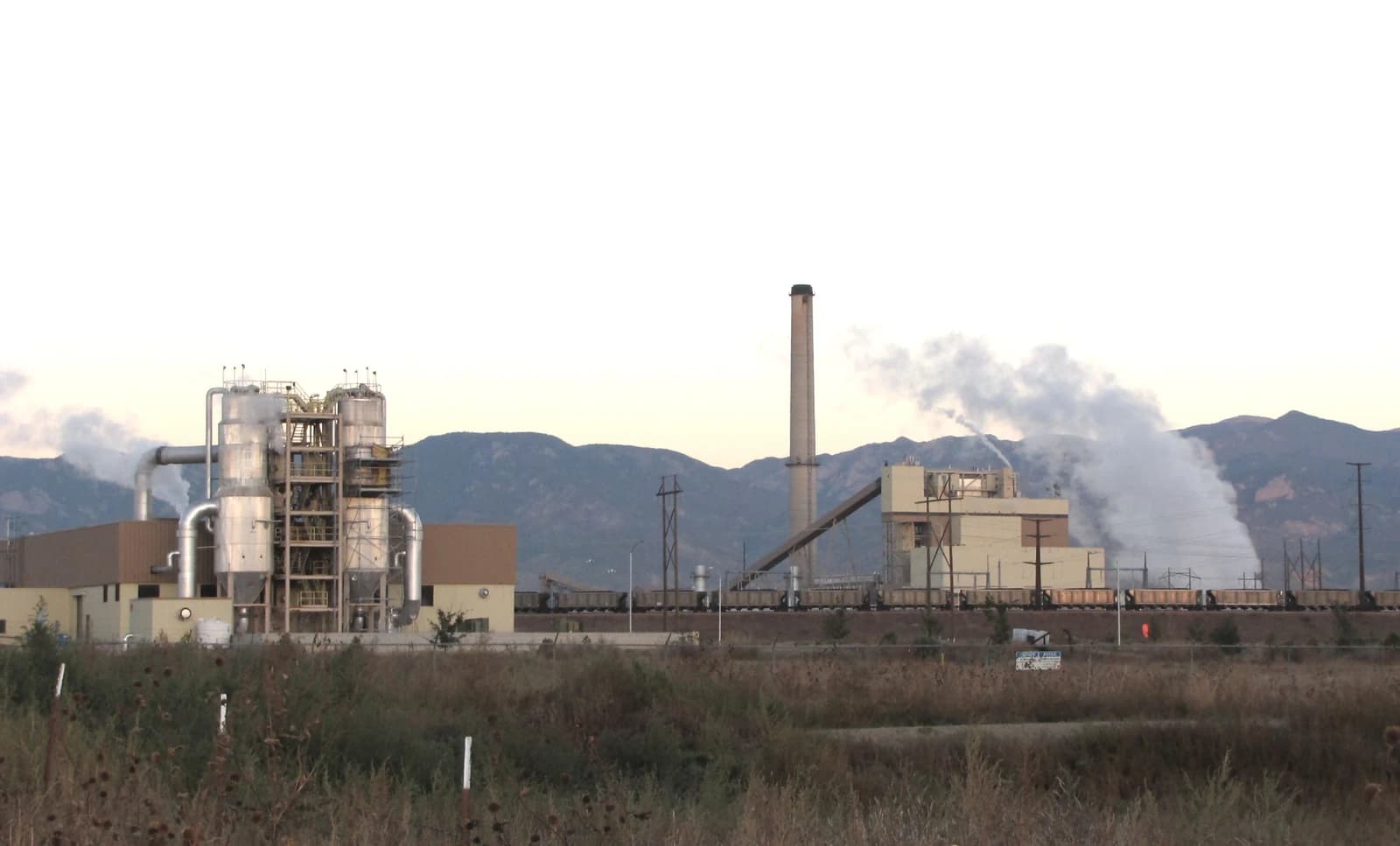
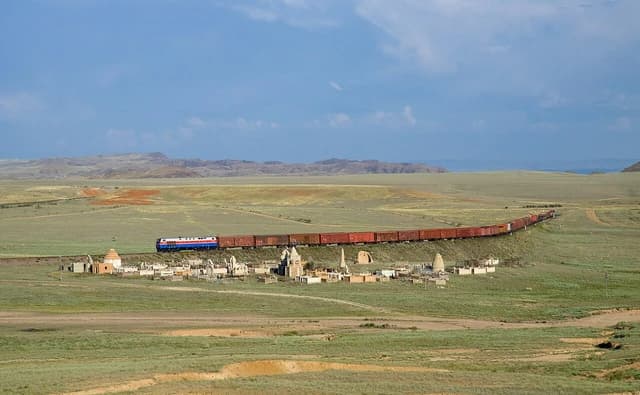
Kazakhstan has moved 77.8 million tons of coal so far this year, a heavy logistics flow that points to steady domestic power supply, firm export demand and no disruption to the country’s winter fuel chain.
Kazakhstan Coal Shipments Reach 77.8 Million Tons

The transport figure matters because coal remains central to Kazakhstan’s electricity and heating system, and any bottleneck can quickly turn into an industrial or household energy problem. The Transport Ministry said 25 million tons were shipped abroad, while the rest was sold domestically, including 28 million tons moved since preparations for the heating season began.
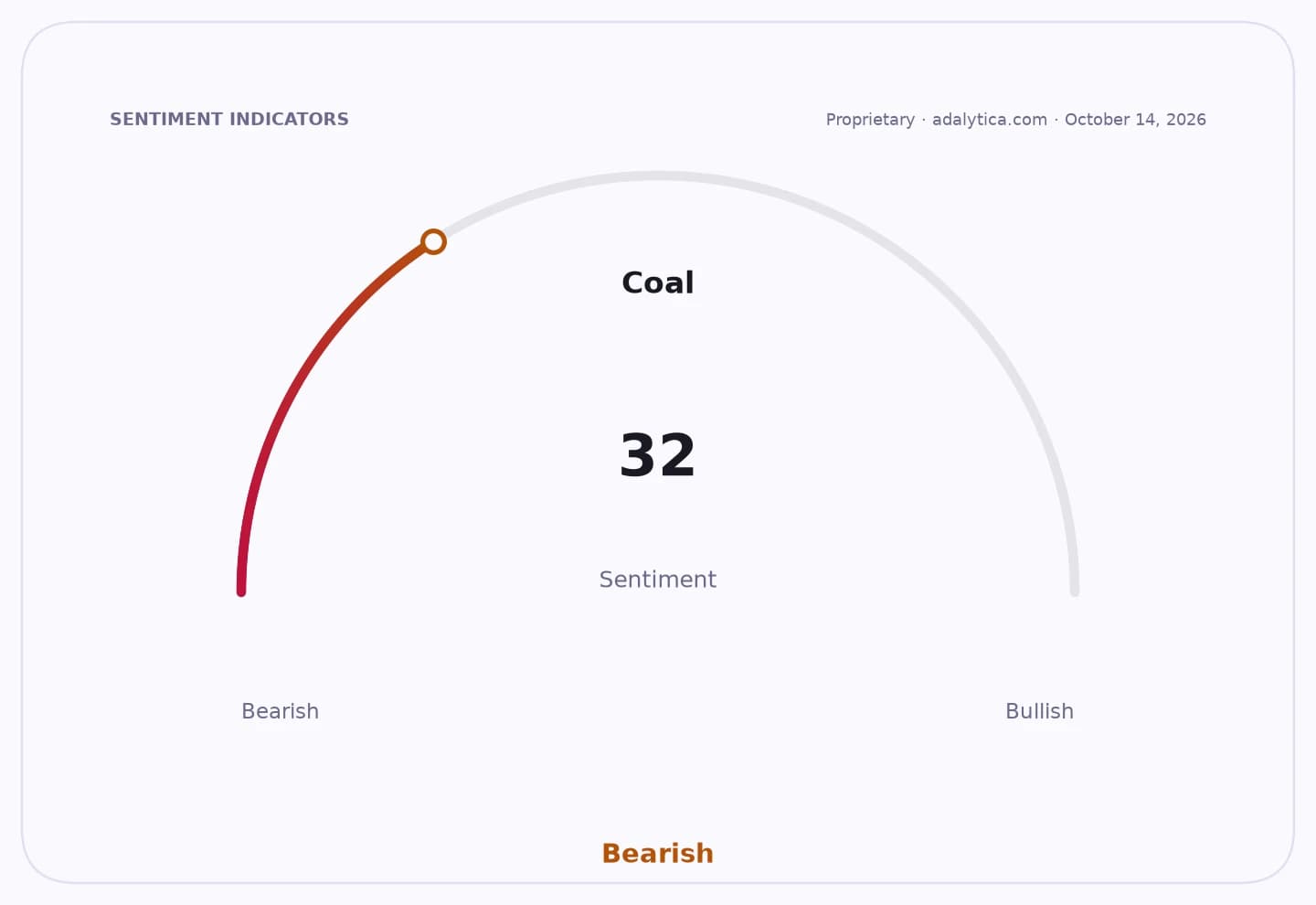
Sentiment IndicatorsⓘProprietary · adalytica.com · October 13, 2026
This is a snapshot — live sentiment, awareness and momentum for 130+ markets update continuously in the dashboard.Open AlphaPulse
The ministry said fuel stocks at power stations now meet or exceed required levels, suggesting utilities are entering the cold season with buffers in place. That lowers the risk of emergency procurement, rail congestion or spot shortages that can pressure local prices and strain generators.
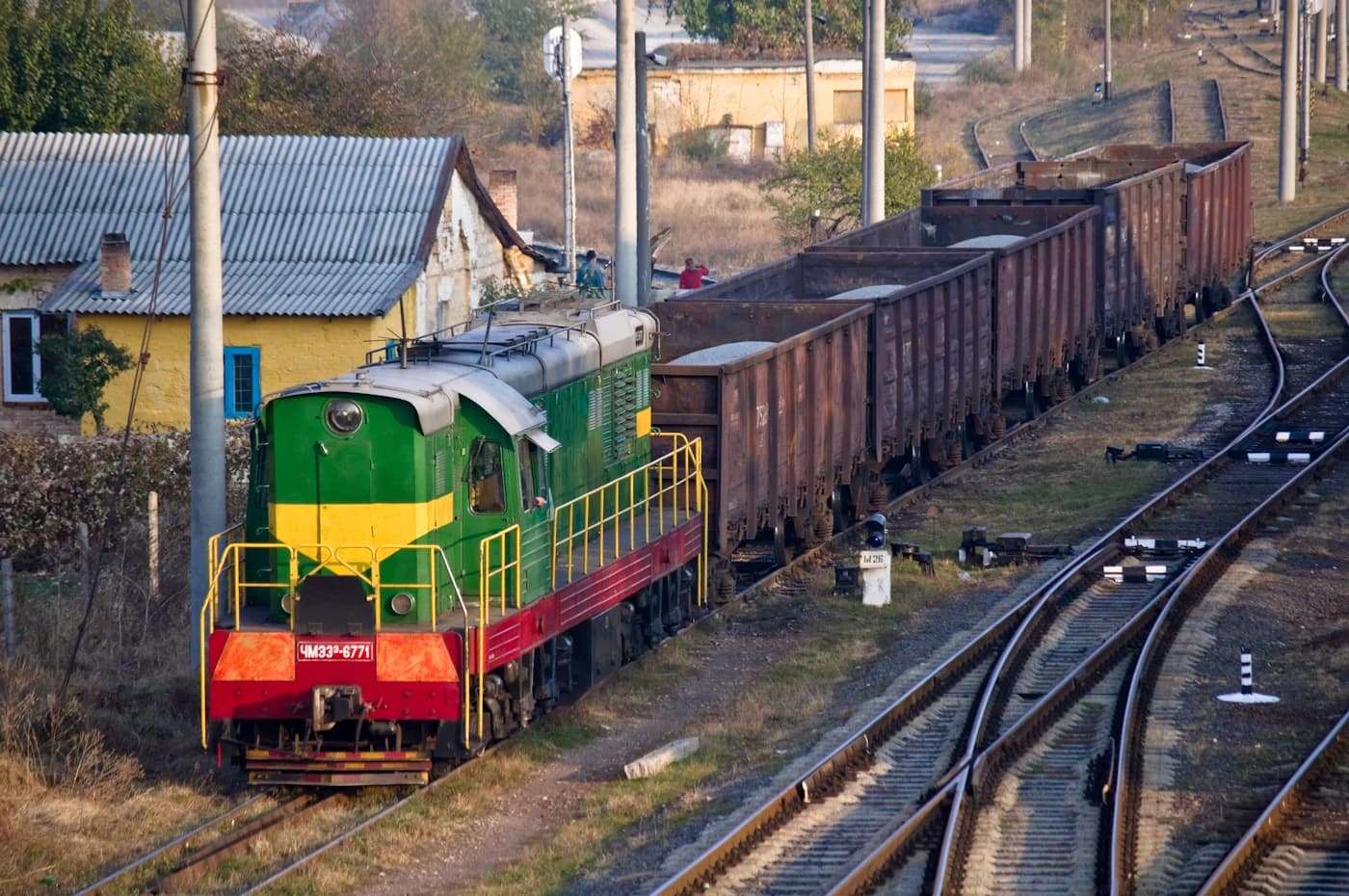
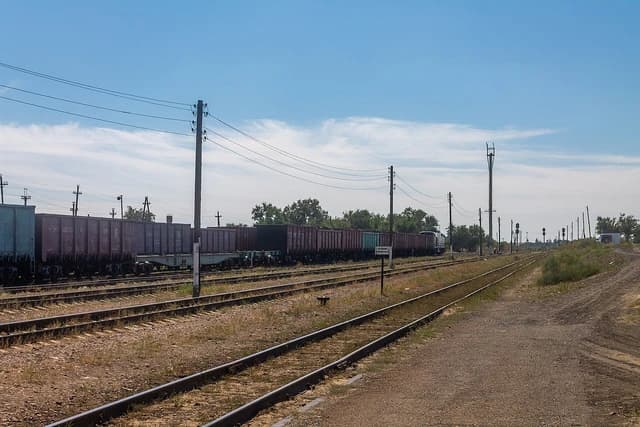
The scale of the rail effort also underscores how dependent the coal market still is on transport capacity rather than just mine output. Kazakhstan said 18,500 wagons are being used, with an additional reserve of up to 3,000 wagons available during peak demand, indicating the system is being run with some slack despite the seasonal surge.
For investors, the message is that coal logistics in Central Asia remain a live indicator for regional power security and export availability. Stable haulage supports miners, rail operators and utilities, while also keeping export tonnage available for overseas buyers watching supply from a commodity market that remains volatile.
The broader backdrop is a global coal market that is still tight enough to keep shipping, storage and delivery conditions economically important, even as longer-term energy transition pressures persist. Kazakhstan’s uninterrupted delivery schedule suggests near-term supply is holding up, but the real test will come if winter demand spikes faster than rail capacity or inventories can absorb.
| Entity | Gains | Losses |
|---|---|---|
| Kazakhstan utilities | ▲Adequate winter stockpiles | ▼Shortage risk recedes |
| Coal exporters | ▲25 million tons shipped abroad | ▼Less upside from domestic diversion |
| Rail operators | ▲Higher wagon utilization | ▼Less spare capacity in peak periods |
| Coal buyers facing tight markets | ▲Reliable deliveries | ▼Lower chance of supply squeeze |