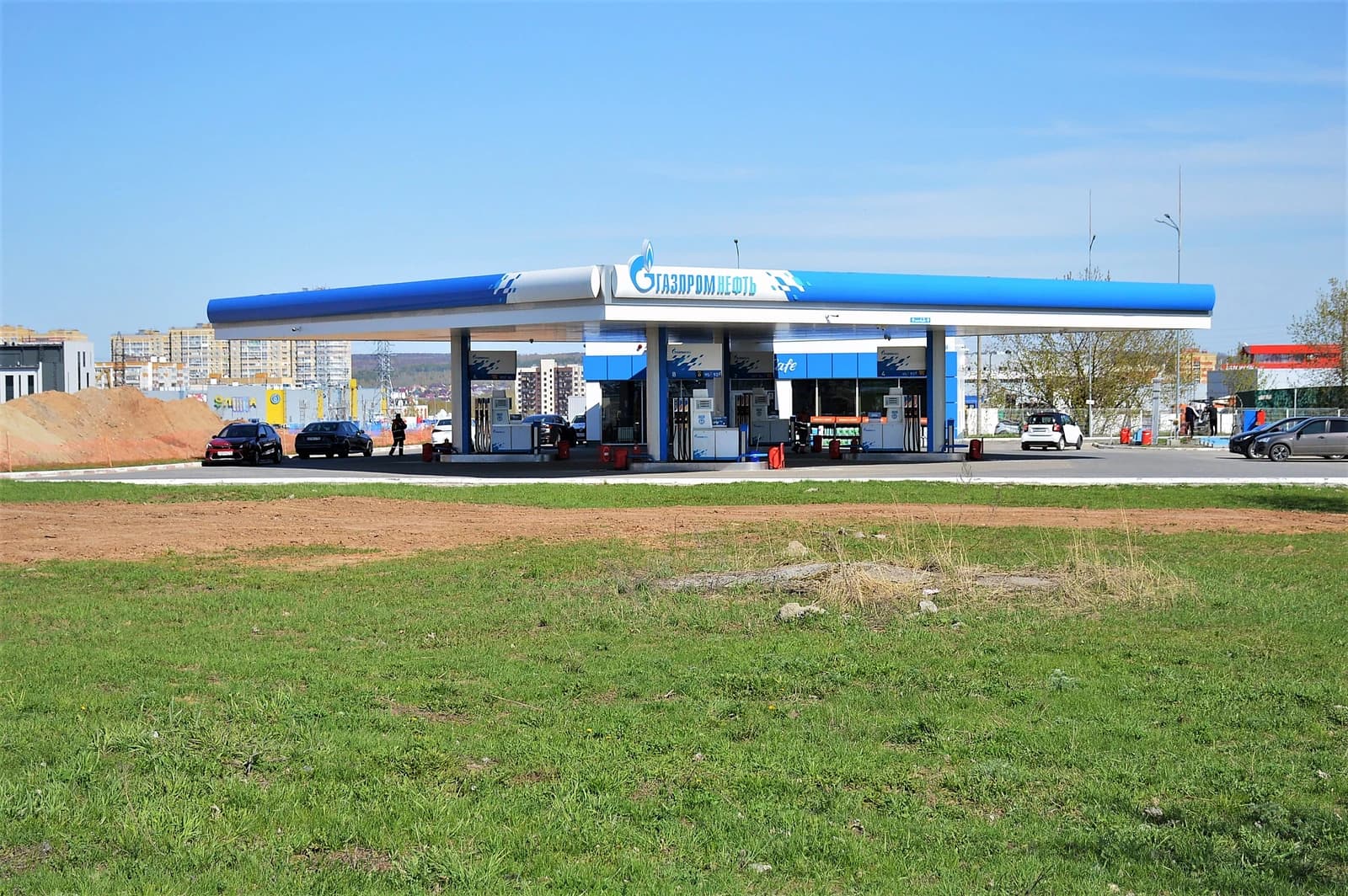
Fuel stations across northern Syria are running empty just as temperatures fall, threatening transport, household heating and already-fragile local commerce in Aleppo and Idlib.
Syria diesel shortage hits Aleppo and Idlib
The shortage matters because diesel is not just a vehicle fuel in northern Syria; it is a winter necessity for heating homes and keeping small businesses moving. With stations closed or operating intermittently, drivers are scrambling for supplies and families face another season of high prices and unreliable access to fuel.
Sentiment IndicatorsⓘProprietary · adalytica.com · October 14, 2026
This is a snapshot — live sentiment, awareness and momentum for 130+ markets update continuously in the dashboard.Open AlphaPulse
Local media said the crisis is being driven by delayed oil shipments, while Syria’s state oil company said 15 tankers were waiting for permission to enter the country’s ports, including six carrying diesel and nine carrying gasoline. The bottleneck comes after months of fuel shortages nationwide that have already pushed up prices and sparked public anger.
For workers who depend on taxis and other transport to earn a living, the lack of fuel cuts directly into income. One taxi driver told local media diesel was expensive and often unavailable for days at a time, making business planning nearly impossible.
The shortage also raises the risk of broader economic disruption in a region still recovering from years of war and sanctions. When fuel is scarce, transport costs rise, heating becomes more expensive and supply chains slow, adding pressure to households that are already vulnerable before winter sets in.
Syria’s government cut diesel prices for heating and agriculture in September after protests over fuel costs, but the latest supply crunch suggests price moves alone are not enough without a steady flow of imports. For investors and traders, the episode underscores how quickly regional fuel balances can tighten when logistics stall, keeping attention on crude, refined-product supply and winter demand.
| Entity | Gains | Losses |
|---|---|---|
| Fuel importers | ▲Higher pricing power | ▼Port delays and uncertainty |
| Northern Syrian households | ▲None | ▼Heating shortages, higher costs |
| Taxi and transport workers | ▲None | ▼Lost income, higher operating costs |
| Oil suppliers waiting offshore | ▲Potential backlog demand | ▼Clearance delays, slower sales |