Novosibirsk authorities have removed gasoline rationing at Gazpromneft filling stations, a sign the fuel market in the Siberian region is easing after weeks of tight supply that forced curbs on sales. The move matters because fuel availability feeds directly into transport costs, farm logistics and local inflation, and it suggests emergency measures are starting to work.
Novosibirsk removes gasoline rationing at Gazpromneft stations
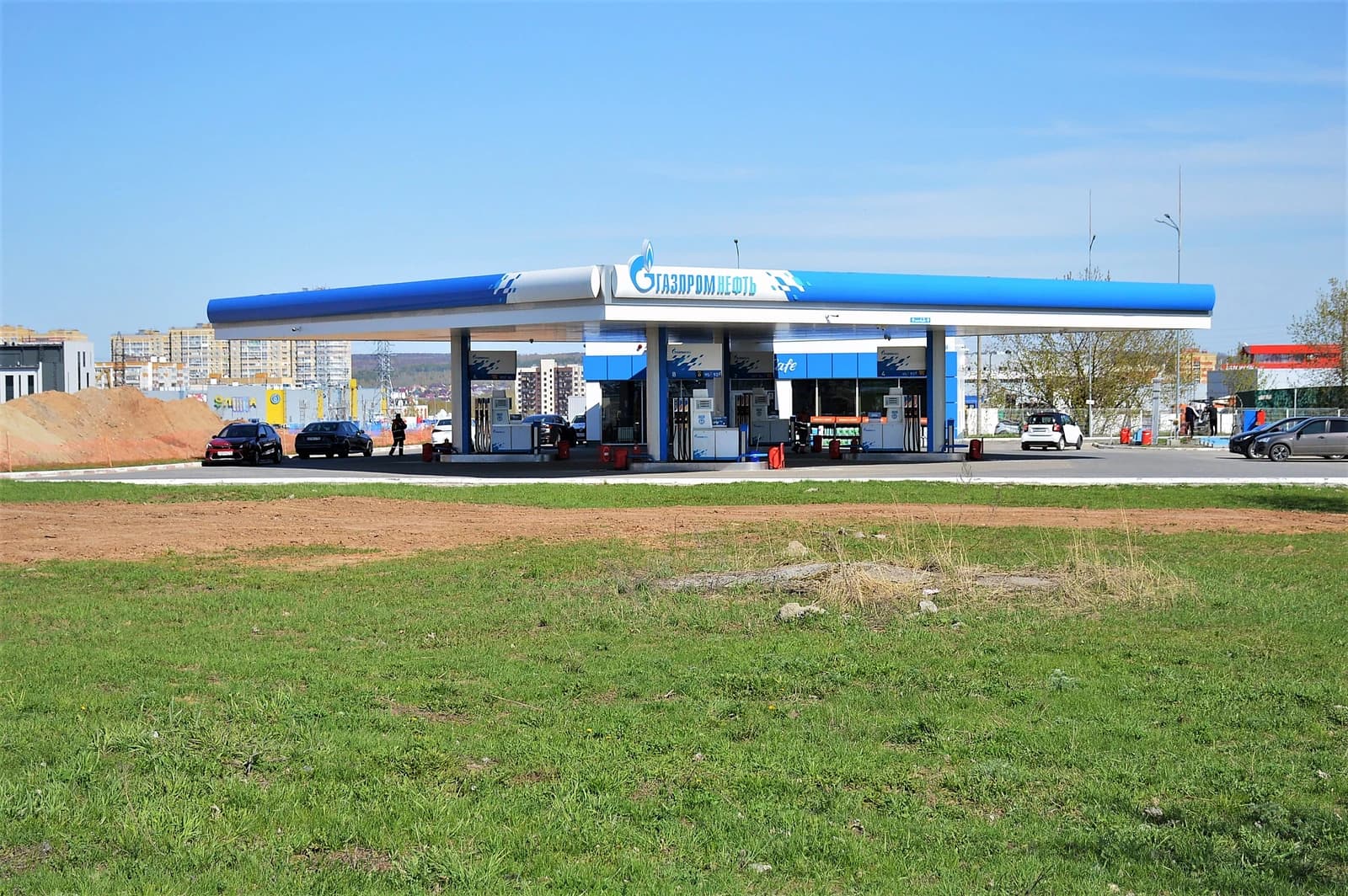
The regional fuel task force said it also restored post-payment at all Gazpromneft stations, resumed deliveries to automated forecourts and returned service stations used by special equipment to normal operations. Officials said the steps were possible because of a broader package of federal measures to steady the fuel market, combined with pressure from the regional government.
Sentiment IndicatorsⓘProprietary · adalytica.com · October 14, 2026
This is a snapshot — live sentiment, awareness and momentum for 130+ markets update continuously in the dashboard.Open AlphaPulse
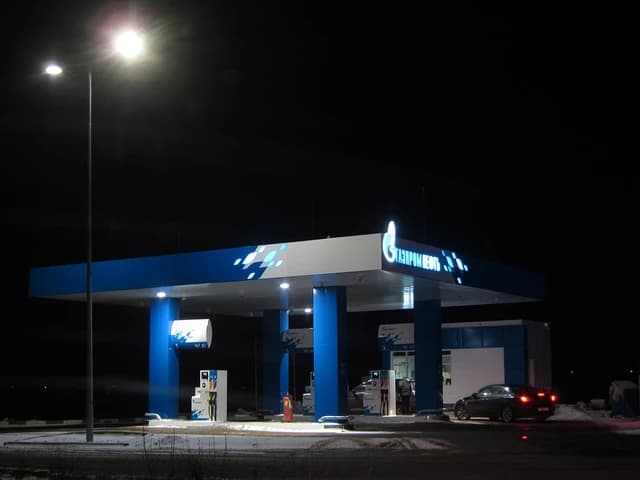
The decision reverses restrictions imposed earlier amid stronger demand and broader strain in Russia’s fuel supply chain. For consumers and businesses in Novosibirsk, the immediate effect should be fewer queues, more predictable refueling and less disruption for freight operators, agricultural users and municipal services that depend on steady diesel and gasoline access.
For investors, the development underscores how quickly localized fuel shortages can become an economic issue in a major producing country, especially when distribution bottlenecks or seasonal demand spikes hit regional networks. It also keeps attention on whether Russia can maintain domestic fuel availability without more administrative controls that can pressure margins for fuel retailers and complicate trading flows.
The broader market backdrop remains fragile. Global fuel sentiment has swung sharply in recent weeks, and while the Adalytica Global Stability Sentiment gauge remains neutral at 61, its 7-day drop to 21 in awareness shows lingering caution around energy supply risks. Any renewed disruption in Russian refining, transport or regional dispatch could quickly force rationing back onto the agenda.
For now, Novosibirsk’s move is a small but important signal that authorities are trying to normalize supply rather than tighten controls. The key test is whether inventories and deliveries hold through the next spike in demand.
| Entity | Gains | Losses |
|---|---|---|
| Novosibirsk consumers | ▲Easier refueling | ▼Less rationing |
| Gazpromneft stations | ▲Normal sales volumes | ▼Fewer admin limits |
| Regional businesses | ▲More reliable fuel access | ▼Lower delivery risk |
| Competing fuel retailers | ▲Stabilized market | ▼Less shortage pricing |