VNG AG’s plan to raise gas imports from Azerbaijan points to a deeper shift in Europe’s energy trade: buyers are still reworking supply chains around non-Russian gas, and long-term contracts are starting to turn that shift into a durable commercial relationship.
VNG AG Plans More Gas Imports From Azerbaijan
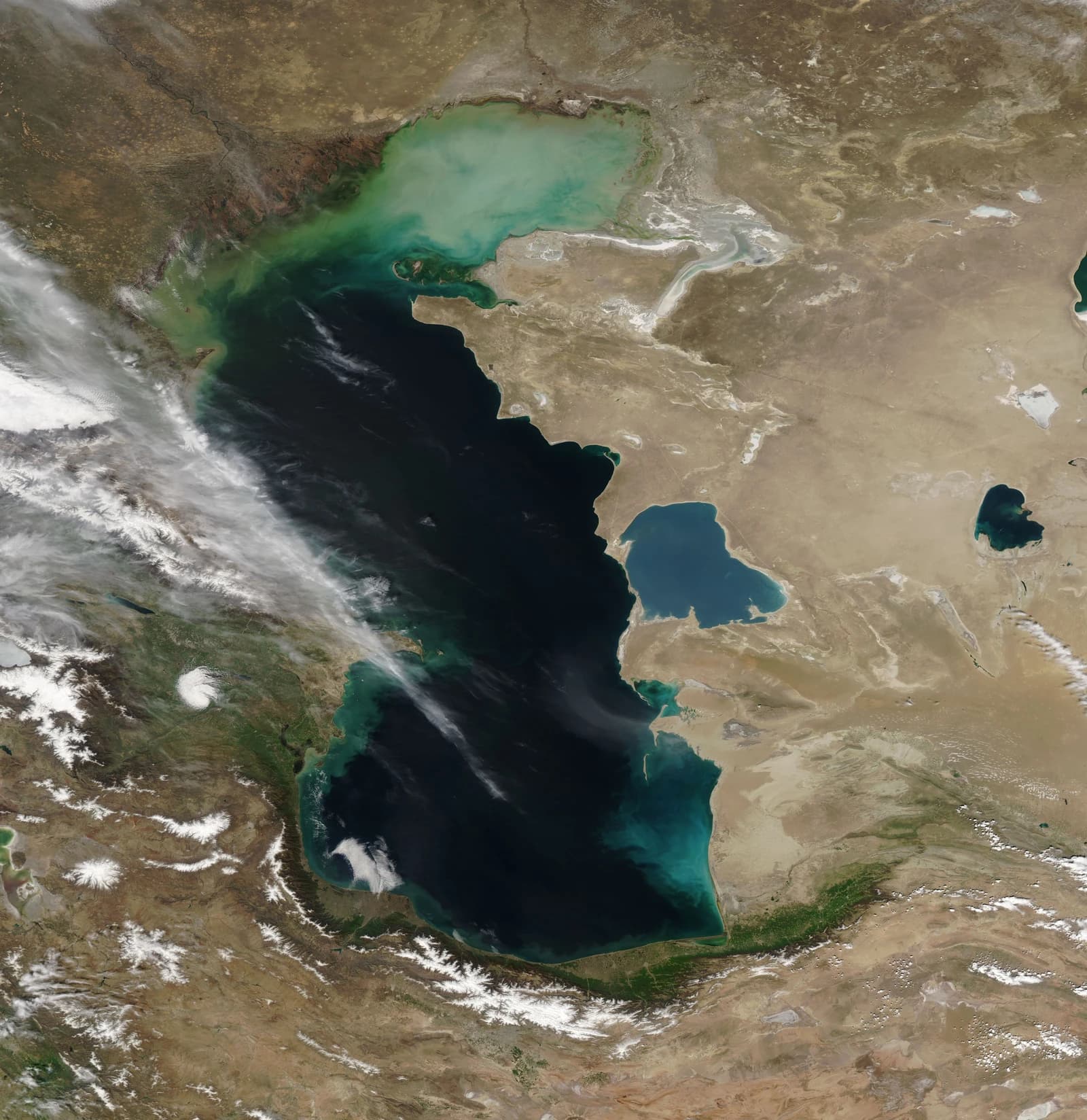
For investors, that matters because the story is no longer just about emergency replacement volumes. It is about the infrastructure, contracts and financing that can keep flows moving for 15 to 20 years, even as Europe pushes toward decarbonization. VNG said it has already been taking Azerbaijani gas since the start of this year, but volumes are still small — making the next phase of growth the part that could actually move the needle for both sides.
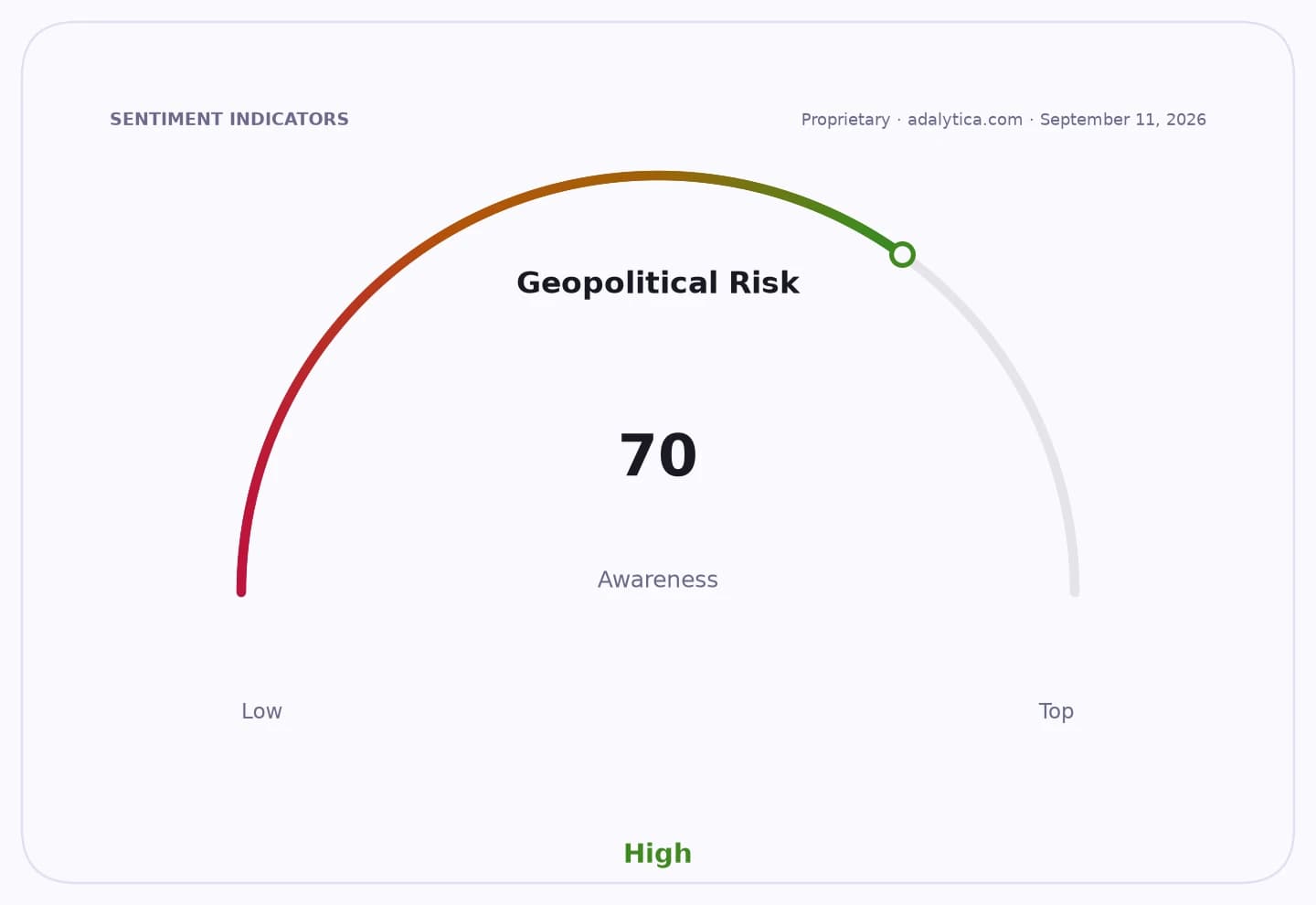
Sentiment IndicatorsⓘProprietary · adalytica.com · October 7, 2026
This is a snapshot — live sentiment, awareness and momentum for 130+ markets update continuously in the dashboard.Open AlphaPulse
The economics are straightforward. Azerbaijan gets a steadier export outlet and a chance to monetize gas that would otherwise remain stranded in a regional market. Germany and wider Europe get another source of supply at a time when security of supply still matters, especially during winter peaks and periods of market stress. VNG’s willingness to discuss long-dated supply arrangements suggests the market is beginning to price gas less as a temporary bridge and more as a strategic asset in the transition.
That is why the partnership with SOCAR matters beyond the headline. The deal is not only about short-term deliveries into Europe, but also about a wider energy transition framework that could eventually include hydrogen or biomethane. In other words, this is a classic toll-road trade: Europe secures molecules now, Azerbaijan earns revenue and investment capacity, and both sides preserve optionality for the next phase of the energy system.
The broader significance sits in the Middle Corridor narrative too. The conference in Baku is focused on infrastructure, logistics, green energy and digitalization, but for markets the message is simpler: capital is still flowing toward routes and suppliers that reduce geopolitical exposure. That creates a tailwind not just for upstream gas producers, but for pipeline operators, LNG infrastructure, energy traders and the contractors that build the enabling network.
I believe the market underestimates how sticky these relationships can become. Once utilities and industrial buyers invest in diversified supply, they tend to renew rather than unwind, especially when the alternative is renewed concentration risk. That makes Azerbaijan a beneficiary of Europe’s energy security imperative, while also giving German buyers more leverage in a volatile global gas market.
For investors, the actionable takeaway is to watch the picks-and-shovels winners around non-Russian supply corridors: pipeline capacity, trading houses, midstream infrastructure and transition-linked gas exporters with access to Europe. This is not a one-off procurement headline. It is another sign that the next leg of Europe’s energy market is being built around long-duration contracts, strategic diversification and the gradual monetization of flexible supply routes.
| Entity | Gains | Losses |
|---|---|---|
| VNG AG | ▲Supply diversification | ▼Single-source risk |
| Azerbaijan/SOCAR | ▲Export revenue | ▼Unused gas volumes |
| European gas market | ▲More secure supply | ▼Tight winter leverage |
| Russian gas exporters | ▲— | ▼Market share |