Russia and Vietnam have agreed to deepen supplies of liquefied natural gas and coal, a deal that underscores how high gas prices and geopolitical shocks are reshaping fuel flows across Asia and keeping coal consumption elevated despite the energy transition.
Russia Vietnam expand LNG and coal supplies
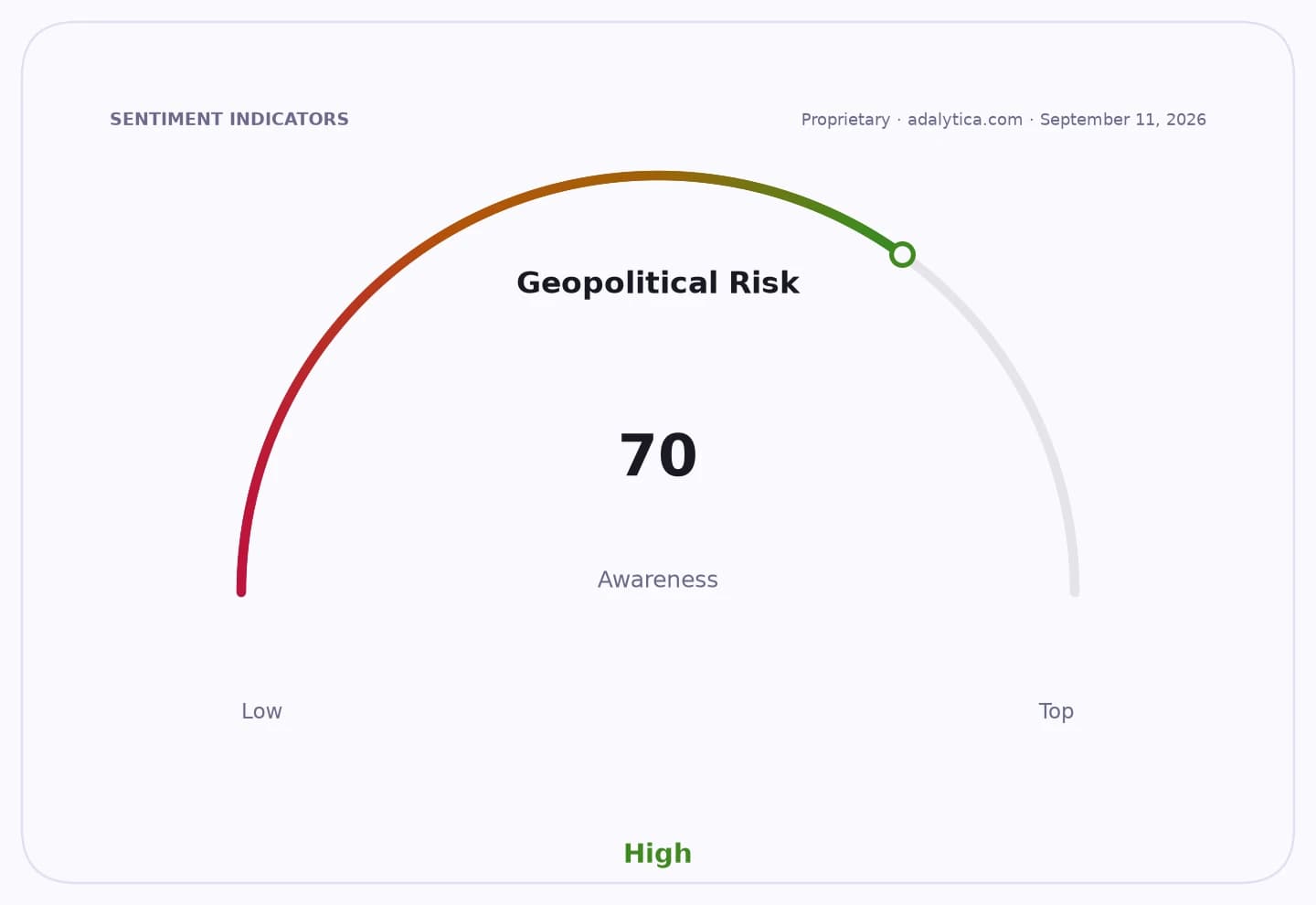
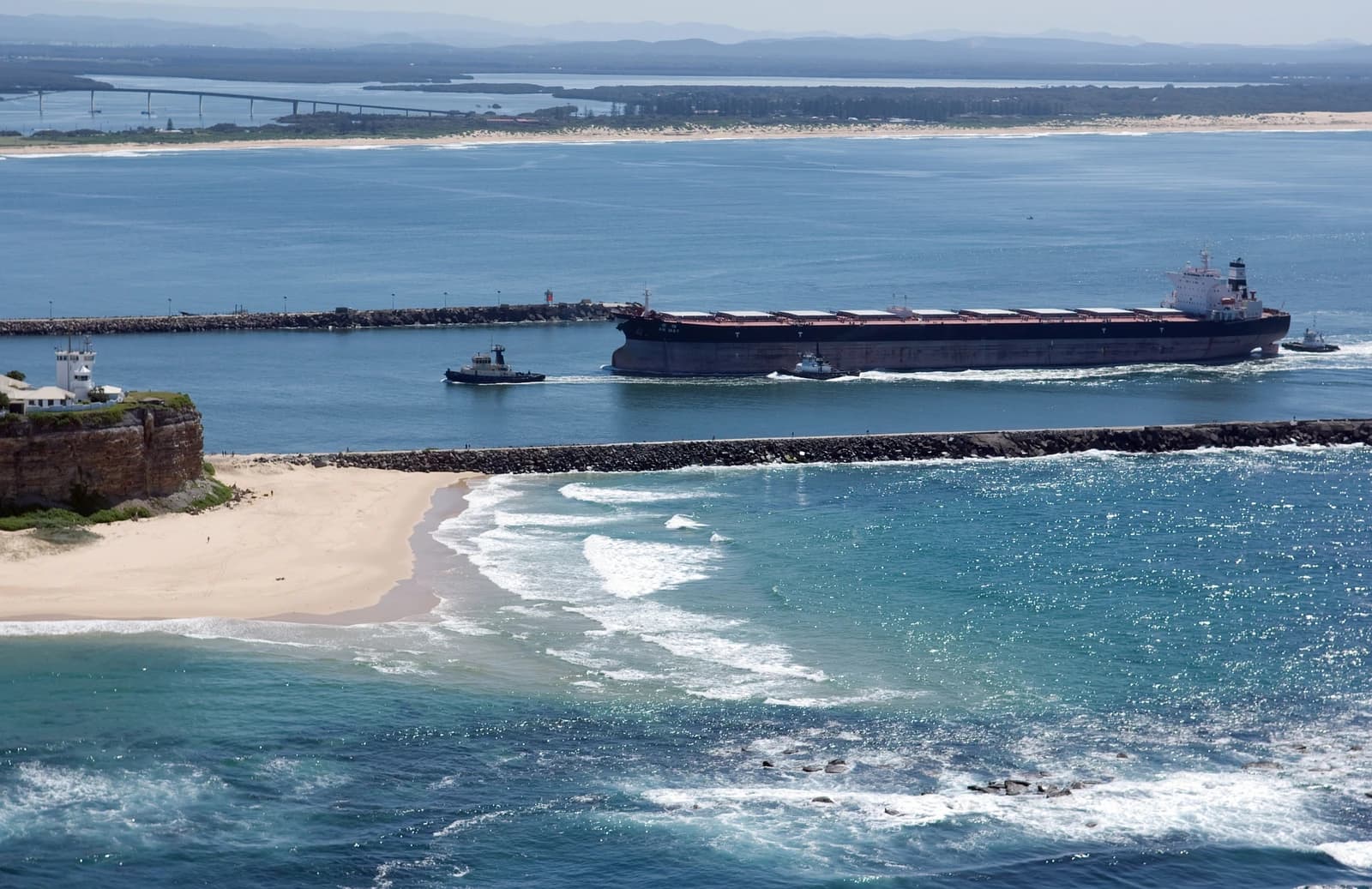
The agreement matters because LNG and coal remain core inputs for power generation and industrial activity, and any new supply channel can affect regional pricing, shipping patterns and energy security. It also lands at a time when global coal demand is expected to hit a record 8.94 billion tons in 2026, according to industry estimates cited in the context, as elevated natural gas prices push utilities back toward coal.
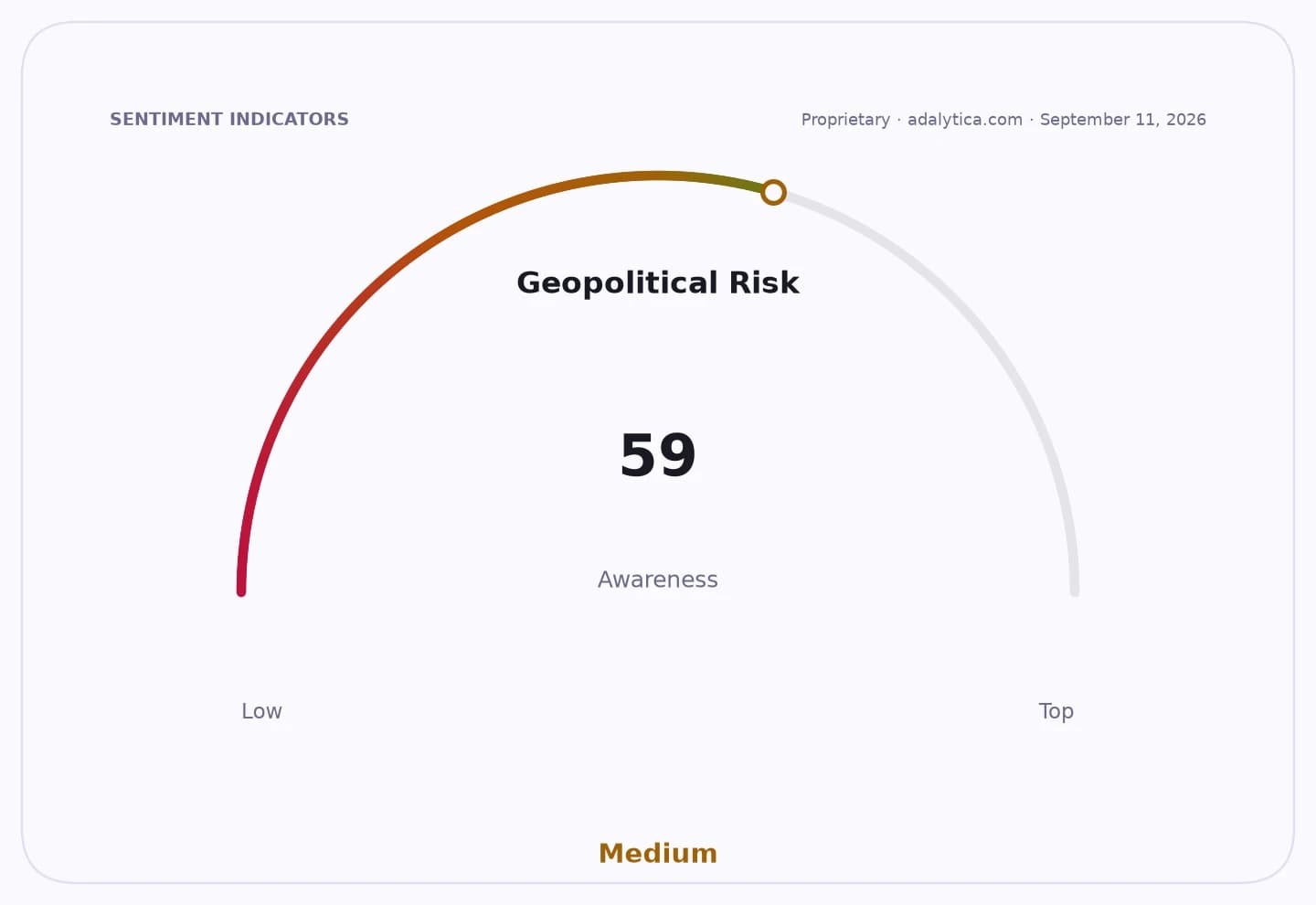
Sentiment IndicatorsⓘProprietary · adalytica.com · September 11, 2026
This is a snapshot — live sentiment, awareness and momentum for 130+ markets update continuously in the dashboard.Open AlphaPulse
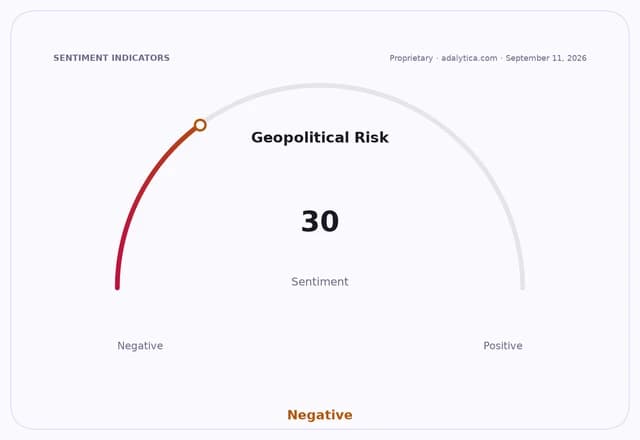
For investors, the deal reinforces a bullish backdrop for fossil-fuel exporters and a more complicated outlook for gas markets. Russia stands to preserve a customer in Asia as Western sanctions continue to limit its options, while Vietnam gains more diversified fuel supply at a time of volatile LNG markets and higher power-generation costs. The setup is also supportive for coal-linked assets and commodity traders that benefit when gas-to-coal switching accelerates.
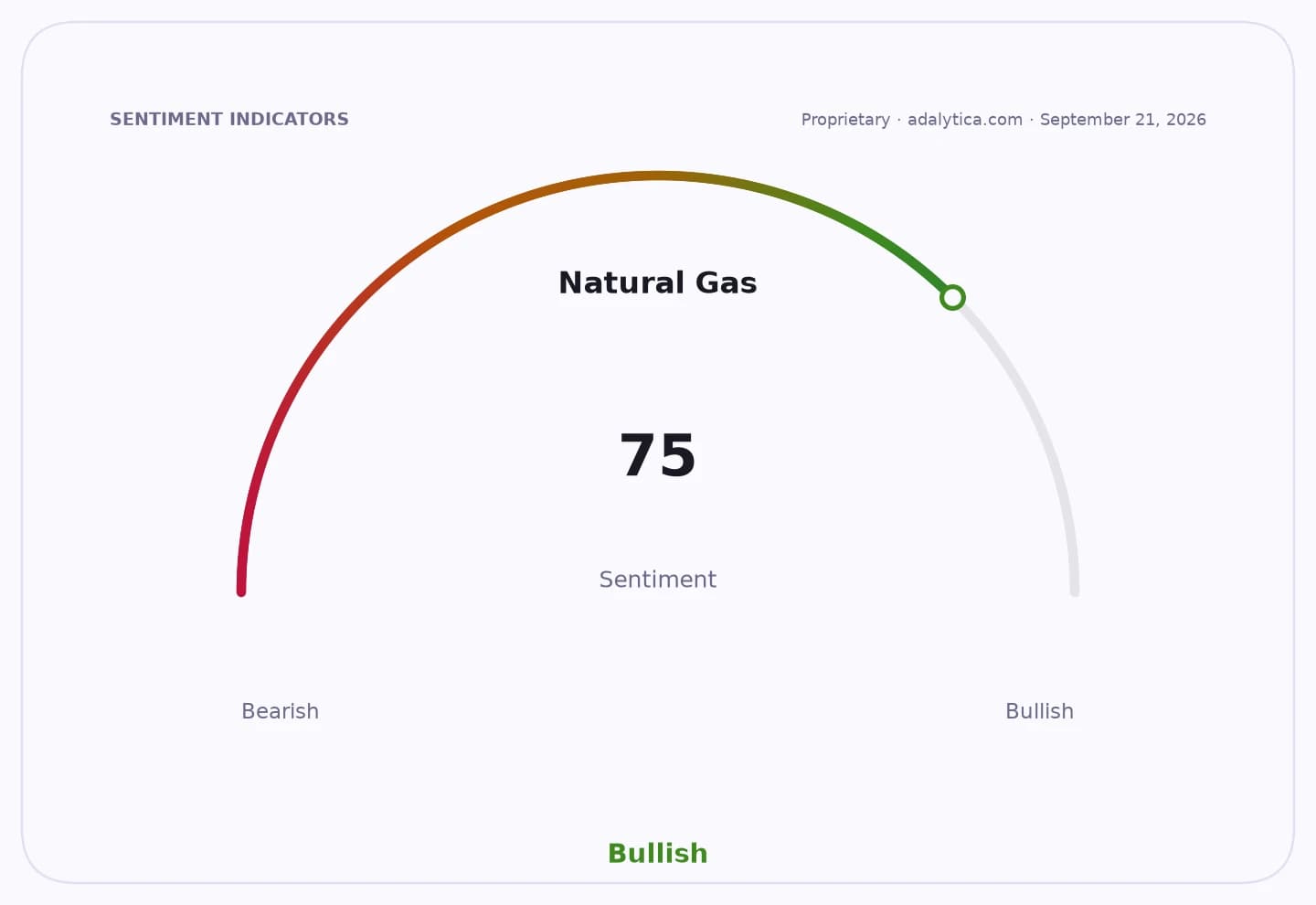
The timing is notable. Natural gas futures have been volatile, with the U.S. benchmark NG=F recently trading at $2.82, below its 50-day moving average of $2.86 and 200-day moving average of $3.27, but still showing a short-term pickup in trade signals. The broader energy sector has also stayed firm, with the XLE energy ETF closing at $64.93, well above both its 50-day and 200-day moving averages, reflecting investor appetite for oil and gas exposure.
Adalytica’s Global Stability Sentiment gauge points to a more cautious macro backdrop, with sentiment in “Fear” territory at 30. That combination of geopolitical strain, supply uncertainty and persistent demand for conventional fuels suggests energy trade deals like Russia-Vietnam’s will remain closely watched by utilities, commodity traders and producers heading into the winter and beyond.
| Entity | Gains | Losses |
|---|---|---|
| Russia | ▲LNG and coal exports | ▼Western market access |
| Vietnam | ▲More fuel supply security | ▼Exposure to higher import costs |
| Coal producers | ▲Stronger demand | ▼Gas-to-coal switch rivals |
| LNG buyers | ▲Potential supply relief | ▼Higher spot-market volatility |