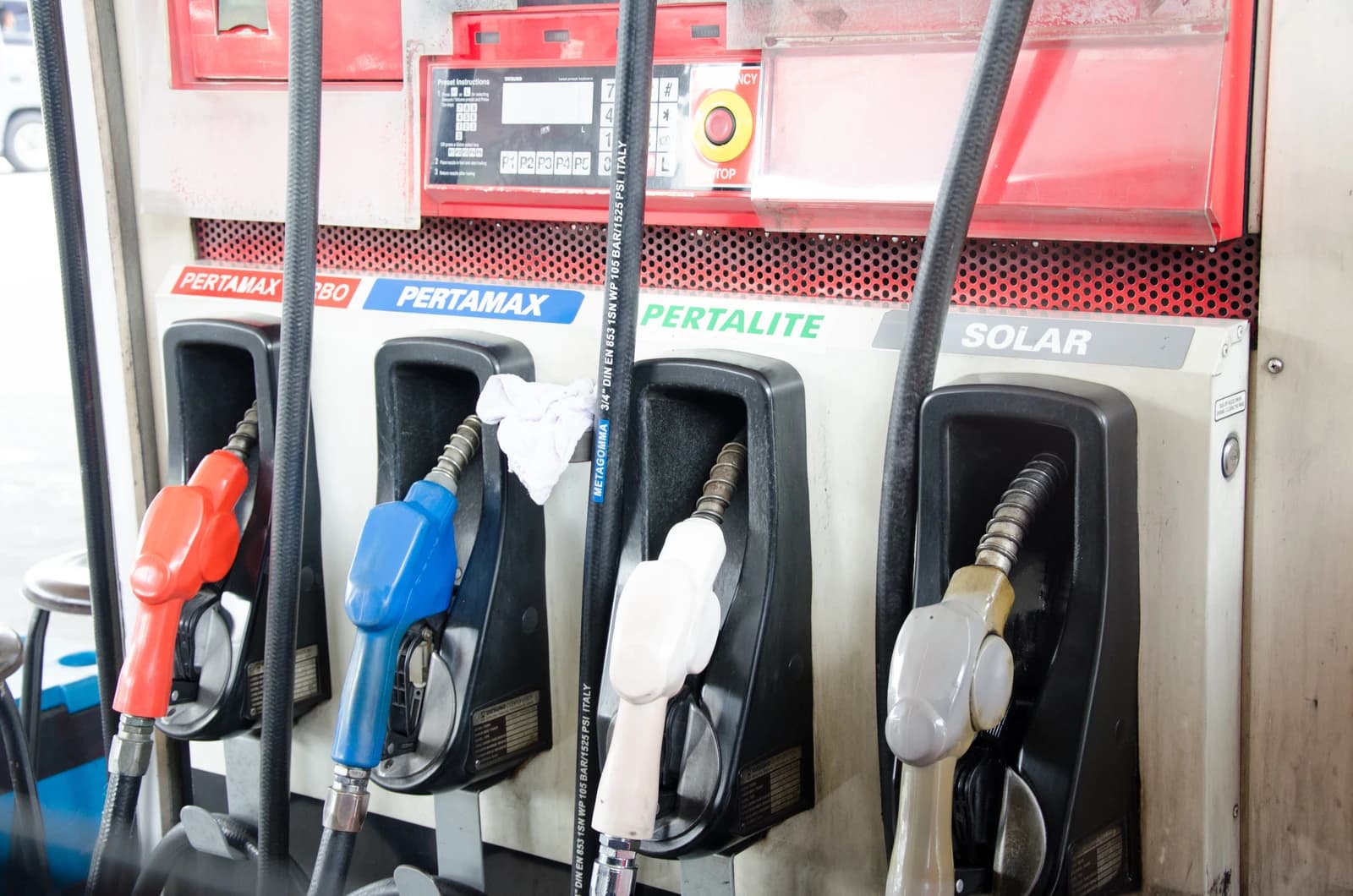
More than 100 gas stations in Russia’s Transbaikalia are now selling petrol without limits, but the region is still managing supplies through caps at several major chains as officials seek to prevent a renewed shortage from spreading across the remote border province.
Russia Transbaikalia reimposes petrol purchase caps
The immediate issue is not a full-blown fuel collapse but a logistics stress test. With 250 filling stations in the region and 249 selling fuel to individuals, authorities are trying to stretch inventories while 11,130 tonnes of petrol and diesel are still en route. Regional officials say current stocks at depots and stations total more than 17,000 tonnes, enough for about 20 days at the current dispensing regime.
That makes petrol access in Transbaikalia a broader economic issue than a local inconvenience. The region is large, transport-dependent and sparsely populated, so even temporary limits on AИ-92 and AИ-95 can hit freight operators, farmers, motorists and small businesses that rely on road deliveries. Diesel remains unrestricted at all the chains cited, underlining that authorities are prioritising commercial transport and essential logistics even as they ration car gasoline.
The restrictions are uneven. At 42 BRK stations, customers can buy no more than 15 litres of AИ-92 and AИ-95 per vehicle, while diesel is unlimited. At 13 Petrovsknefteprodukt stations, the cap is 20 litres on the same grades. Neftemarket has imposed tighter limits in settlements — 15 litres on AИ-92 and 20 litres on AИ-95 — with slightly higher allowances on federal highways. The result is a patchwork market that reflects how regional authorities and operators are managing scarce supply station by station.
For investors, the main takeaway is that Russia’s domestic fuel market remains vulnerable to regional bottlenecks even where national supply is formally adequate. That matters for operators, local distributors and transport companies because rationing can quickly distort sales volumes, cash flow and working capital, while also raising the risk of panic buying if supply expectations deteriorate. It also points to continued dependence on coordination with Moscow: the regional government says it has already secured additional shipments through the Energy Ministry, and Governor Alexander Osipov separately asked Deputy Prime Minister Alexander Novak in August to increase deliveries.
The episode also shows how quickly petrol shortages can recur after temporary relief. Transbaikalia’s gasoline crisis began in mid-June, lasted for weeks, then eased as limits were removed and inventories normalised. The return of caps suggests the underlying problem has not been fully resolved, even if diesel supply and inbound volumes are currently stabilising the system.
If the extra shipments arrive on schedule, the region may avoid a broader disruption. If they do not, the current 20-day buffer could narrow fast, forcing tighter rationing and likely renewing pressure on prices, transport costs and local business activity.
| Entity | Gains | Losses |
|---|---|---|
| Regional authorities | ▲Time to stabilise supply | ▼Political pressure if shortages return |
| Petrol stations with caps | ▲Controlled inventories | ▼Higher sales volumes |
| Motorists and small businesses | ▲Access to some fuel | ▼Convenience and refill freedom |
| Freight and diesel users | ▲Unrestricted diesel supply | ▼Secondary cost risk if petrol turmoil spreads |