Gas stations in Chita are limiting gasoline sales to 15 liters per car from Sept. 23 as the Russian Far East city waits for new fuel deliveries, a sign that local supply disruptions are again forcing authorities to ration retail demand.
Chita gas stations limit gasoline sales to 15 liters
The restrictions, introduced by the BRK and Kors chains, affect AI-92 and AI-95 gasoline but not diesel, underscoring that the bottleneck is concentrated in motor fuel for private vehicles rather than across the broader transport fuel market. Regional officials said the move is meant to stretch remaining stocks until additional shipments arrive, with more than 11,130 tons already in transit and extra volumes dispatched under agreements with Russia’s Energy Ministry.
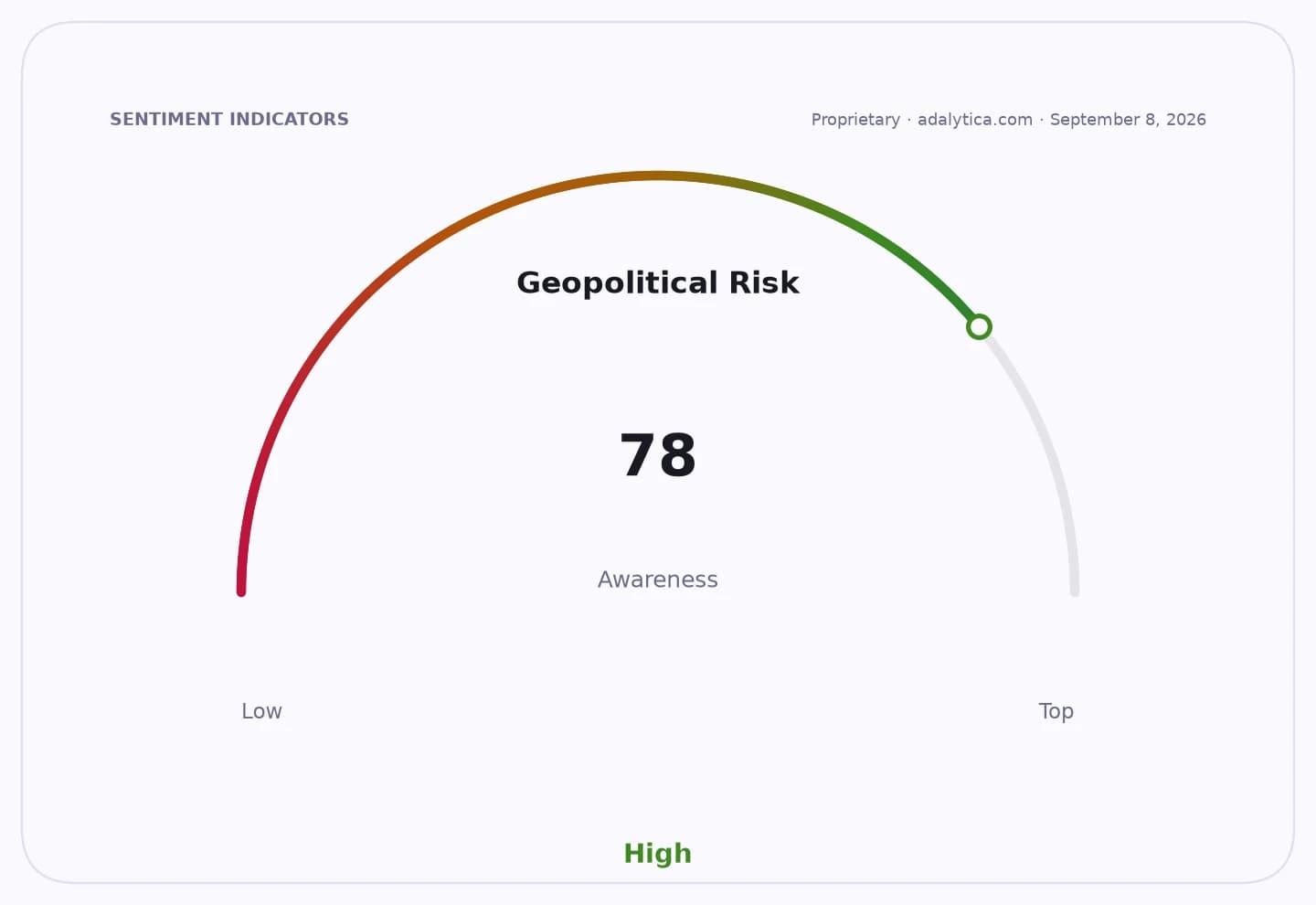
Sentiment IndicatorsⓘProprietary · adalytica.com · September 26, 2026
This is a snapshot — live sentiment, awareness and momentum for 130+ markets update continuously in the dashboard.Open AlphaPulse
That matters because fuel rationing is not just a consumer inconvenience. It points to tight regional logistics, uneven refinery output and a market in which local stations can run short even when aggregate inventories look adequate on paper. The region says total stocks at gas stations and depots exceed 17,000 tons, enough for about 20 days at the current rate of sale, but the return of per-car limits shows how quickly demand spikes can overwhelm distribution buffers.
For investors, the episode is a reminder that Russia’s domestic fuel market remains vulnerable to swings in refinery availability, transport bottlenecks and periodic panic buying. When shortages emerge, they can lift spot premiums, disrupt regional pricing and pressure independent retailers with thinner inventories. The fact that diesel remains unconstrained suggests the strain is specific to gasoline balances, but it also highlights how quickly a localized issue can become a wider policy problem if supplies do not normalize.
The situation in Chita follows earlier temporary shortages in the city and comes after a broader gasoline crisis in the region in June, which was later eased when limits were lifted and stocks recovered. Officials now say 249 of the region’s 250 filling stations are operating, with 106 able to sell fuel without restrictions, but the recurring need for caps suggests underlying fragility remains.
The near-term test is whether the incoming cargoes arrive on schedule and restore normal retail flows before drivers and businesses start altering behavior more broadly. If they do, the episode may fade as a regional supply hiccup. If they don’t, it could reinforce a larger pattern of intermittent fuel stress across parts of Russia linked to refinery outages and rising demand.
| Entity | Gains | Losses |
|---|---|---|
| Regional authorities | ▲More time to balance supply | ▼Political pressure if shortages persist |
| Fuel suppliers in transit | ▲Higher urgency for deliveries | ▼Logistical strain |
| Motorists in Chita | ▲Continued access to some fuel | ▼Lower fill volumes and inconvenience |
| BRK and Kors stations | ▲Preservation of remaining stocks | ▼Lost retail sales and customer dissatisfaction |