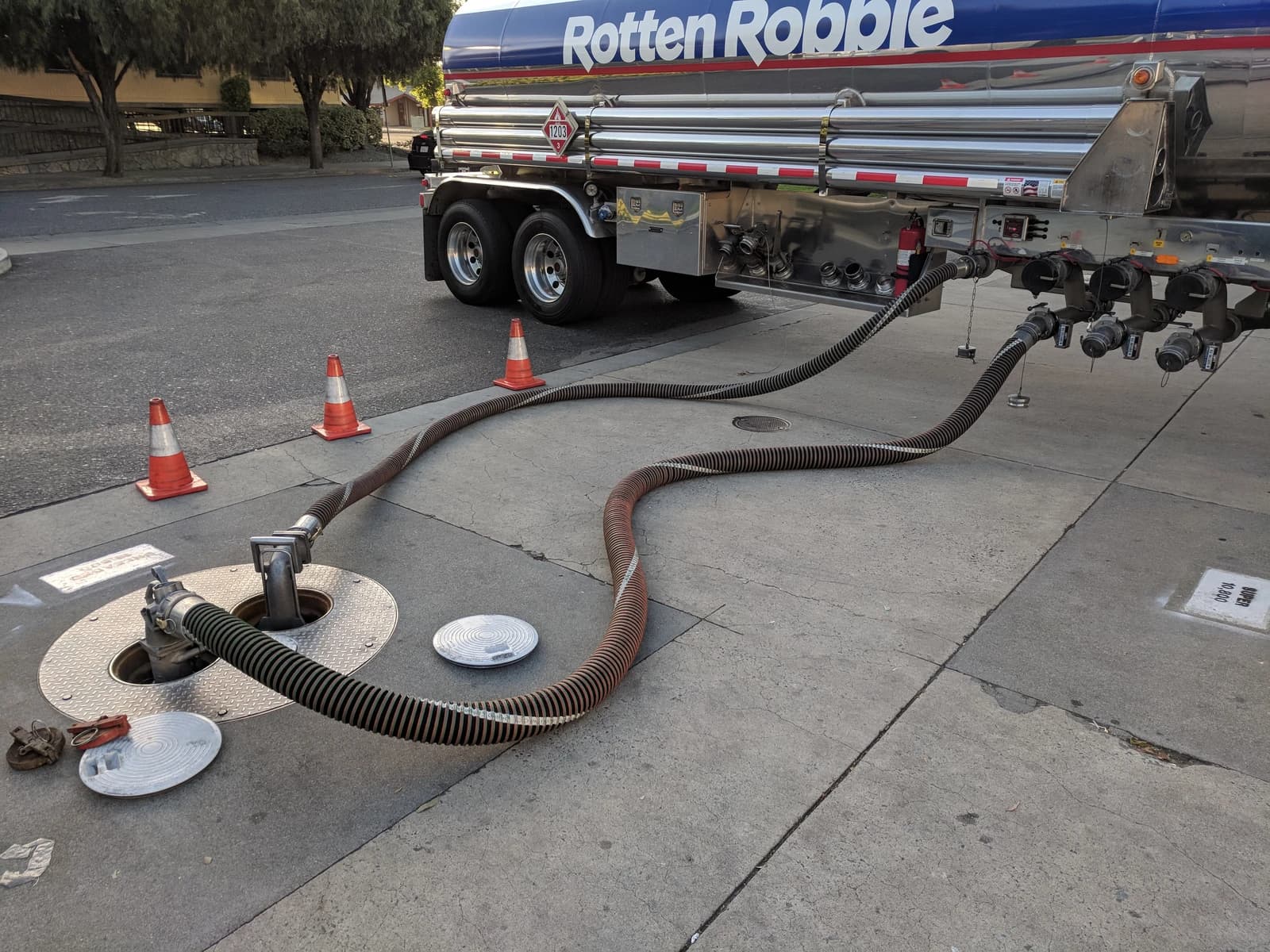
KazMunayGas is moving to build a new aviation fuel and lubricants depot in southern Kazakhstan, a modest-sized project that underscores the state oil company’s effort to strengthen domestic fuel logistics and capture more value from the country’s downstream chain.
KazMunayGas Plans $22M Fuel Depot in Turkestan
The depot, budgeted at 10 billion tenge, or about $22.3 million, will be built on a 10.93-hectare site in the Sauran district of the Turkestan region and is designed to store up to 8,000 cubic meters of aviation fuel and lubricants. KMG said construction is due to start in the first quarter of 2027 and that the facility should create around 50 jobs once operational.
For Kazakhstan, the project matters less for its size than for what it says about energy strategy. As a major crude producer, the country has long depended on transportation and processing infrastructure to turn upstream output into usable domestic supply and export earnings. A dedicated aviation fuel depot can help reduce bottlenecks in a market where airport fuel availability, import dependence and logistics costs can affect airline operating expenses and regional connectivity.
For KazMunayGas, the investment is small relative to its broader capital program, but it fits a wider pattern of downstream expansion and infrastructure buildout. Recent company filings show KMG has been spending heavily on growth capital expenditure, reflecting a push to support production, transport and refining-related assets. Projects like this can improve supply reliability and potentially support margins by keeping more of the fuel distribution chain under local control.
The timing also points to broader market sensitivity around fuel economics. Jet fuel and lubricants are among the products most exposed to refining margins and transport costs, and any additional storage capacity in a strategically located southern hub could help KMG service domestic demand more efficiently. That is particularly relevant for airlines and logistics operators, which benefit from steadier supply, while competitors and importers may face a tougher market if local infrastructure improves.
Investors are likely to view the announcement as incremental rather than transformational. The capital outlay is limited, but the project supports KMG’s longer-term positioning in downstream energy services, where returns can be steadier than in upstream crude production if assets are well utilized. The key question will be execution: whether the depot comes online on schedule in 2027 and whether it feeds into broader aviation fuel demand growth in Kazakhstan and neighboring markets.
| Entity | Gains | Losses |
|---|---|---|
| KazMunayGas | ▲Downstream control | ▼Near-term capital |
| Airlines | ▲Better fuel supply | ▼Less pricing leverage |
| Local economy | ▲Jobs and activity | ▼Limited direct impact |
| Fuel importers | ▲— | ▼Share of market |