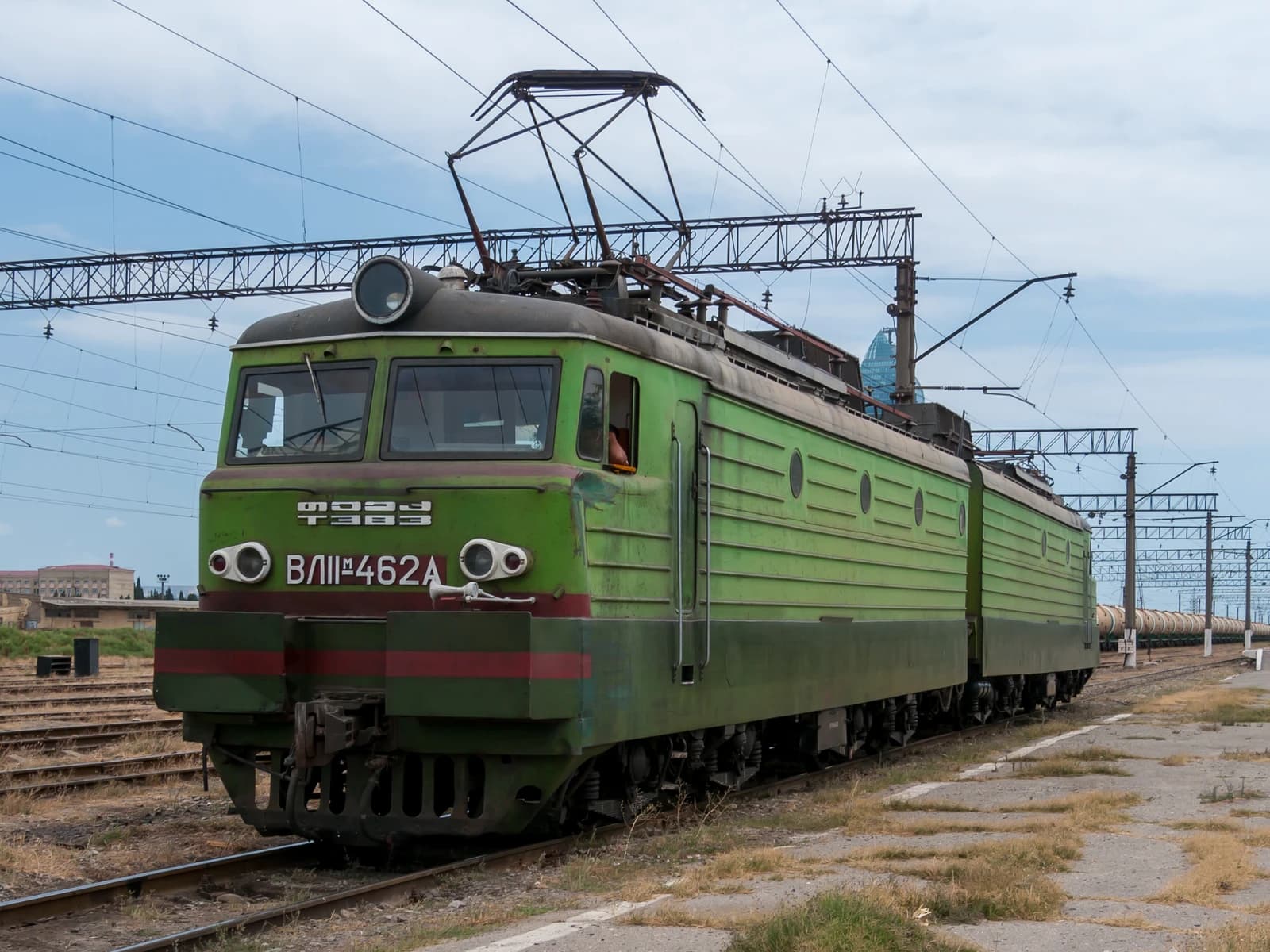
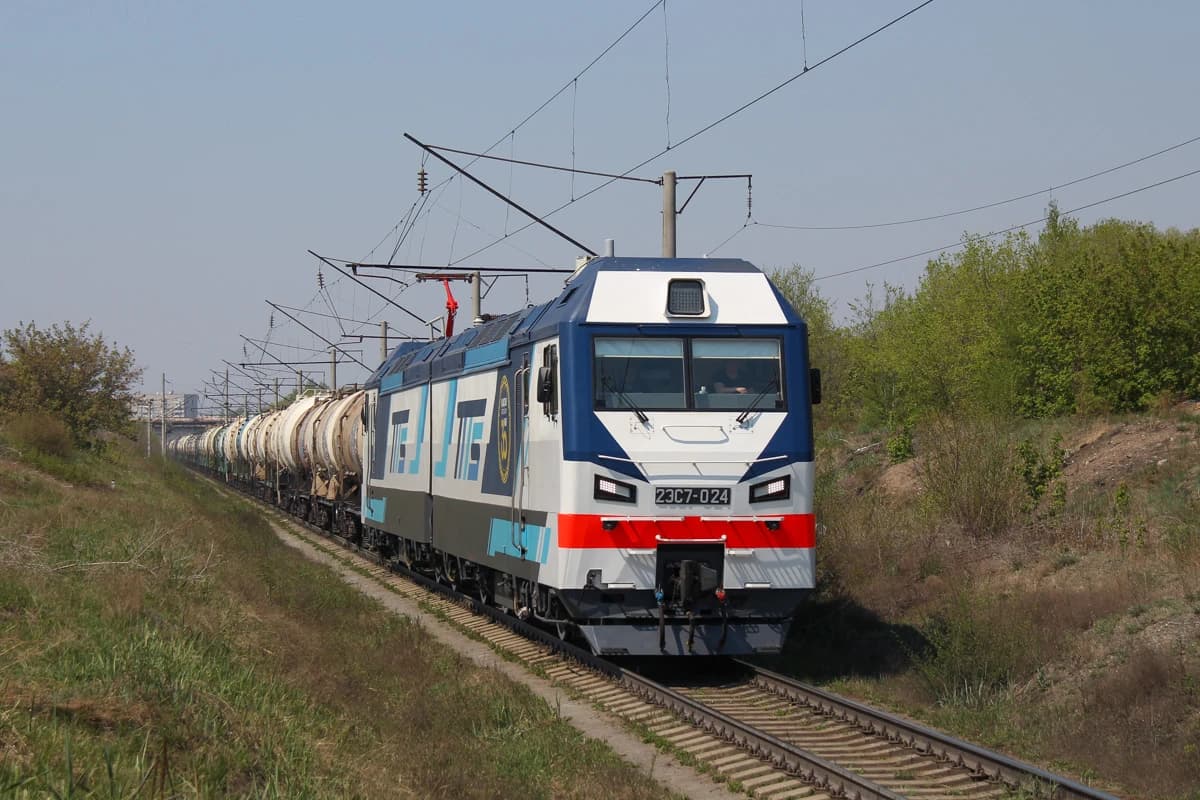
Moldova’s state railway is lifting freight tariffs by 15% from Nov. 1, a move that underscores how higher diesel and other petroleum-linked costs are forcing rail operators to pass inflation through to shippers even as the network remains an essential trade corridor.
Moldova Rail Freight Tariffs Rise 15% Nov. 1
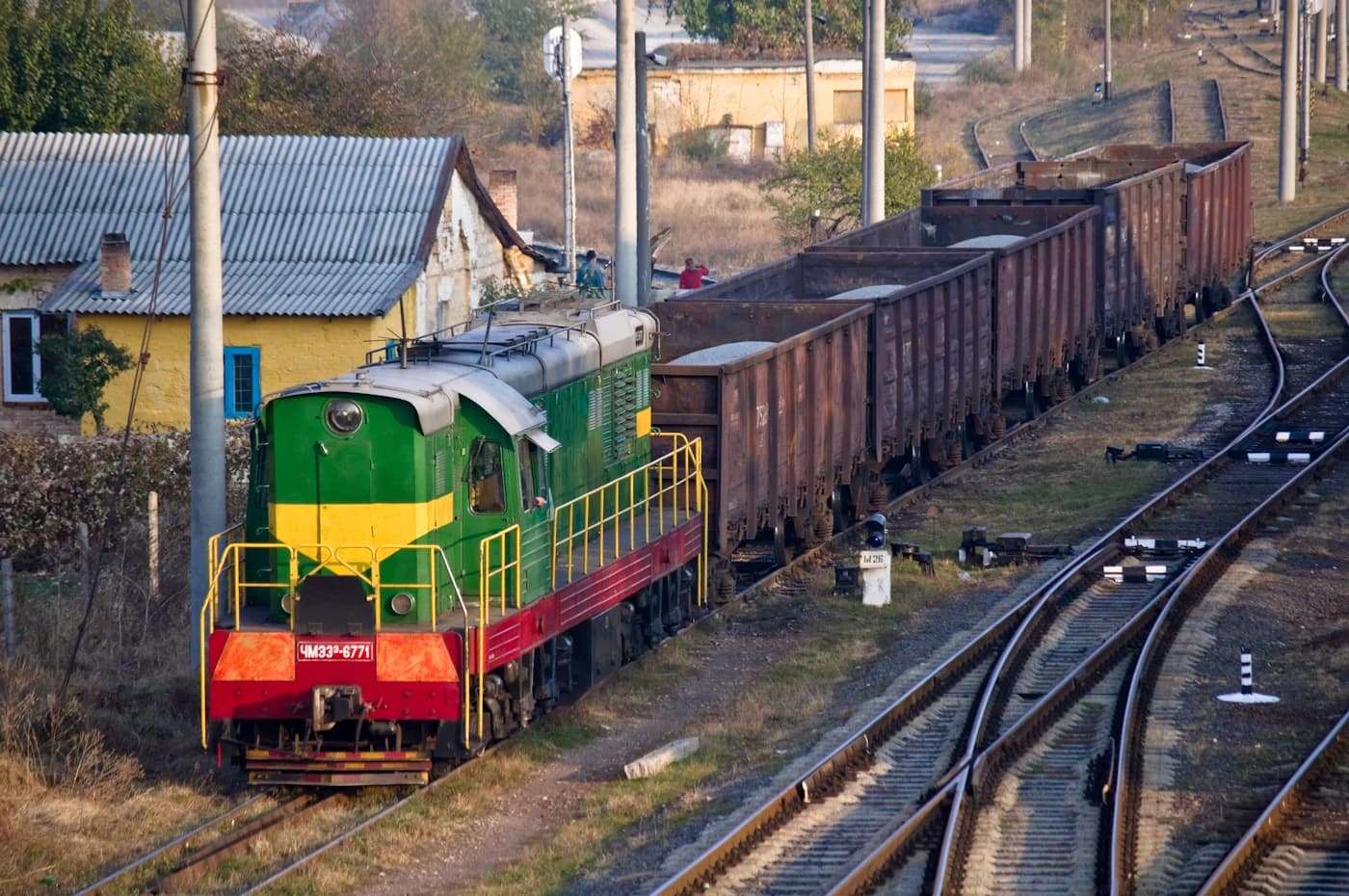
Calea Ferată din Moldova said the increase is necessary because of rising costs for petroleum products, a reminder that rail, though often cheaper than road over long distances, remains highly exposed to energy prices and maintenance expenses. For an economy that relies on rail to move bulk goods, especially grain and other commodities, the change effectively raises logistics costs at a time when exporters are already managing thin margins and volatile demand.
The railway said grain transport will remain a priority and that all economic agents will be treated equally, an important signal for a sector where capacity allocation can quickly become political. Keeping cereals front and center suggests the operator is trying to protect a strategically sensitive export flow while broadening the cost burden across other shippers.
For investors, the immediate issue is not just the tariff hike itself but what it says about pricing power, operating stress and capital needs across the rail freight chain. In markets, freight operators with stronger networks and better cost discipline tend to absorb energy shocks more effectively, while smaller or more fragile systems are pushed toward either subsidy dependence or repeated fare increases. Technical indicators on the related rail equities also point to mixed sentiment: CSX has stabilized above its 50-day moving average and Union Pacific is trading above both its 50-day and 200-day moving averages, while a smaller rail-linked name, RAIL, remains below both averages and shows weaker momentum.
The broader backdrop is one of persistent strain in freight logistics. Rail operators globally have faced slow speeds, infrastructure bottlenecks and intermittent disruptions that limit throughput and keep unit costs elevated. At the same time, shippers are still demanding rail capacity for bulk commodities, which means tariff hikes can preserve revenue but also risk nudging some cargo toward trucking or other routes if the price gap widens too far.
For Moldova, the increase may help cover costs in the near term, but it also raises a familiar question for a state-run network: whether higher tariffs can be matched by better service, faster transit and more reliable equipment. If not, the economic burden falls on exporters and domestic producers, while the railway remains trapped between inflationary input costs and constrained operating efficiency.
| Entity | Gains | Losses |
|---|---|---|
| Calea Ferată din Moldova | ▲Higher tariff revenue | ▼Shippers face higher costs |
| Grain exporters | ▲Priority access | ▼Margins squeezed |
| Other freight customers | ▲Equal treatment clarity | ▼15% price increase |
| Rail competitors / trucking | ▲Potential diversion demand | ▼Rail loses some volume |