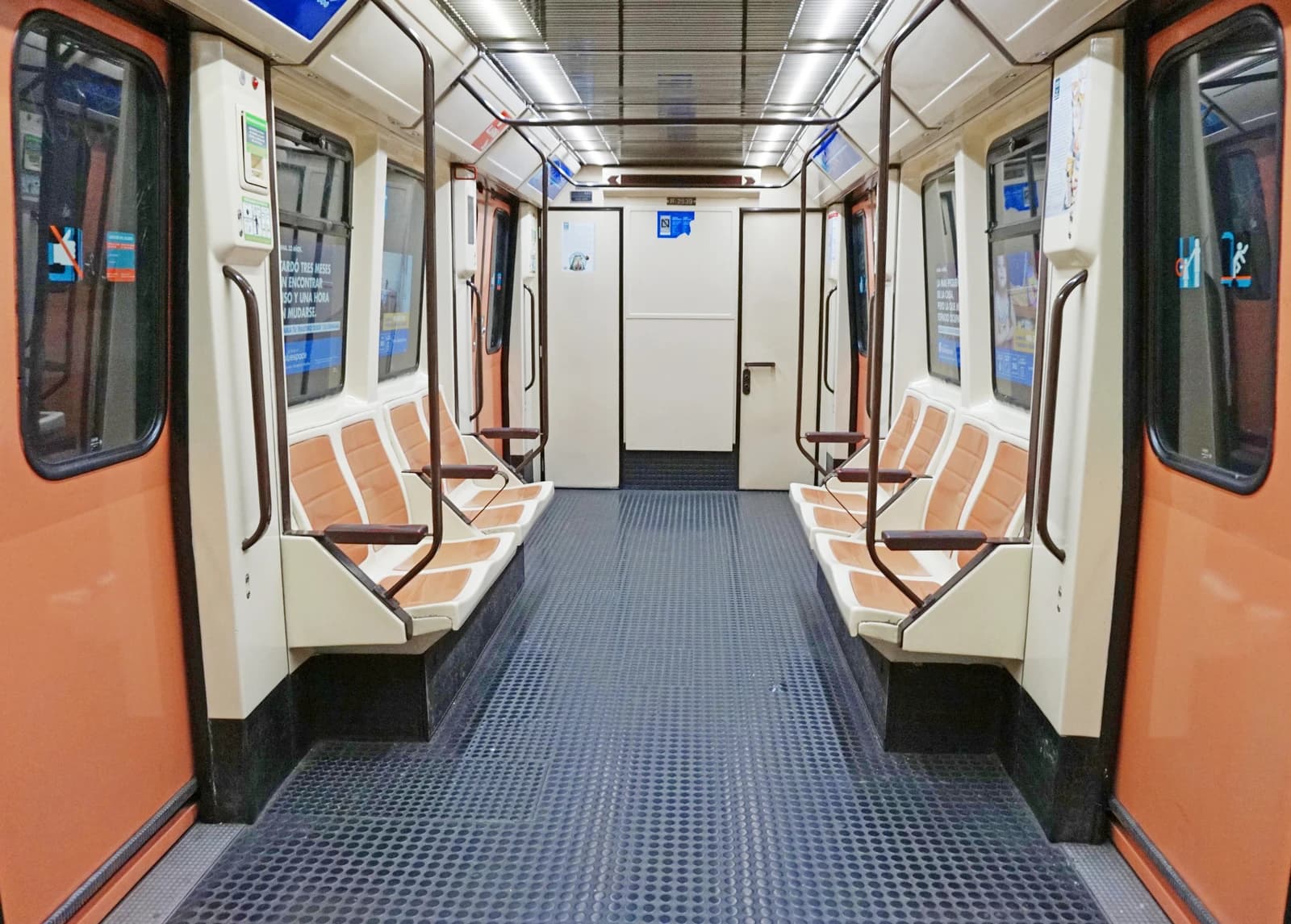
Santa Cruz’s urban transport operators will keep the fare at 3 bolivianos for now, but the freeze is temporary and signals an impending increase as city authorities and drivers negotiate a transitional rate after the end of diesel subsidies.
Santa Cruz keeps 3-boliviano fare amid subsidy talks
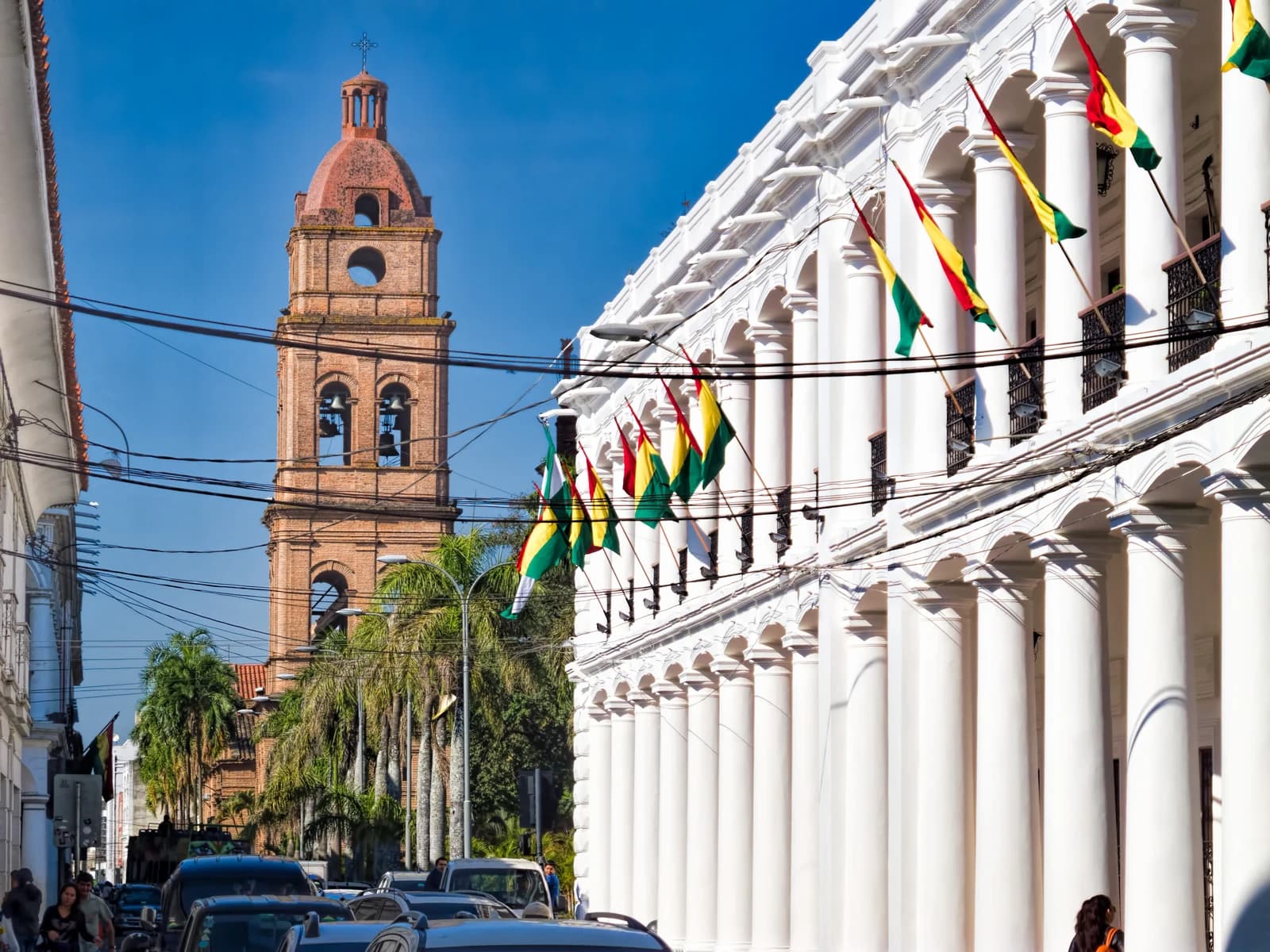
The decision matters because public transport costs feed directly into household spending, local inflation and the finances of thousands of commuters in Bolivia’s commercial hub. Any fare adjustment in Santa Cruz, the country’s most economically dynamic city, can quickly ripple through consumer prices, wage demands and business operating costs, especially if fuel policy changes keep pushing operators’ costs higher.
Transport leader Mario Guerrero said the fare will stay unchanged until the mayor’s office approves a temporary tariff while a technical study determines the size of the increase. The urban transport sector had asked for a 6-boliviano fare, along with lower rates for students and older passengers and a night tariff of 8 bolivianos. That request has already run into resistance from the city government, which says more than half of the public fleet runs on compressed natural gas or gasoline, making a full pass-through of diesel-related cost pressures hard to justify.
The standoff underscores the political sensitivity of fare setting in a market where transport is both a basic service and a source of livelihood for drivers. For the operators, a higher fare would help offset rising fuel and maintenance costs and preserve margins that were squeezed when subsidies were reduced. For commuters, particularly lower-income households and students, a sharp increase would weigh on disposable income and raise the risk of broader social pushback.
Investors and businesses watching Bolivia will read the dispute as another sign that the removal of fuel support is feeding through the real economy unevenly, with the transport sector likely among the first to seek compensation. A negotiated interim rate would reduce the chance of immediate disruption, but it would not remove the inflationary pressure created by higher mobility costs.
The key question now is how large the temporary fare will be and how quickly the technical study is completed. If city hall authorizes only a modest increase, transport unions may keep pressing for more. If it moves closer to the drivers’ demand, the effect could be felt quickly in urban prices and consumer sentiment across Santa Cruz.
| Entity | Gains | Losses |
|---|---|---|
| Transport operators | ▲Higher revenue potential | ▼Fare freeze pressure |
| Santa Cruz commuters | ▲Short-term price stability | ▼Future fare risk |
| Santa Cruz city hall | ▲Time for technical review | ▼Political cost of delay |
| Local retailers and employers | ▲Near-term transport certainty | ▼Higher logistics costs later |