Urban transport in Potosí has reached a temporary fare agreement after Bolivia ended its diesel subsidy, making the Andean city the second in the country to adopt an interim pricing structure as the fuel shock ripples through public transport.
Potosí sets temporary fares after Bolivia ends diesel subsidy
The deal matters because diesel is a core input for Bolivia’s passenger transport network, and removing the subsidy immediately raises operating costs for fleets that run on thin margins. Local governments are now trying to prevent a broader service breakdown by negotiating fares city by city, a stopgap that may ease pressure on operators while pushing more of the fuel burden onto commuters.
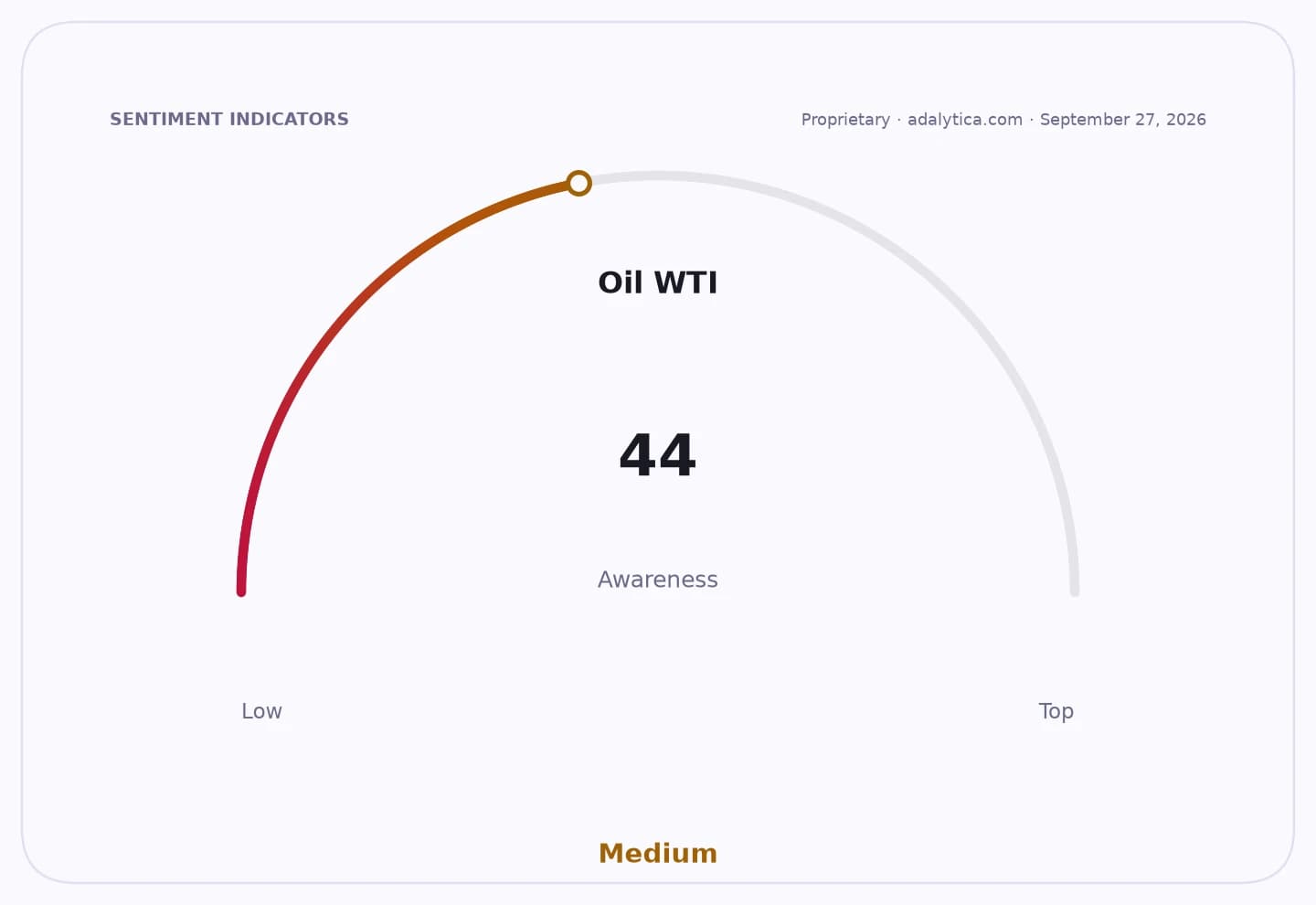
Sentiment IndicatorsⓘProprietary · adalytica.com · September 27, 2026
This is a snapshot — live sentiment, awareness and momentum for 130+ markets update continuously in the dashboard.Open AlphaPulse
Potosí’s arrangement sets adult fares at 4 bolivianos, with older passengers paying 3 bolivianos, university and teacher-training students 2 bolivianos, secondary students 1 boliviano and primary pupils 0.50 bolivianos, according to Mayor William Cervantes. Sucre was the first city to adopt a temporary rate after the subsidy ended, suggesting a spreading pattern of local compromise rather than a uniform national solution.
The move also highlights the political and social cost of the subsidy cut. Bolivia’s transport confederation has called for a withdrawal of vehicles nationwide from Sept. 28 in protest at the new diesel price, threatening disruptions across urban, interprovincial, interdepartmental and international services. That raises the risk of immediate mobility constraints, higher logistics costs and knock-on effects for commerce in a country where public transport is an essential part of daily economic activity.
For investors, the issue is less about a single fare table than about the inflationary and social pressure that follows fuel normalization. Higher transport costs can filter into food distribution, consumer prices and wage demands, while any prolonged strike would weigh on domestic activity. At the same time, the episode reinforces a broader regional theme: governments facing strained fiscal accounts are finding it harder to defend costly fuel subsidies, even if the political backlash is severe.
The market backdrop also matters. Global oil benchmarks have been volatile, and the latest move in diesel-sensitive transport comes as fuel costs remain elevated enough to force pricing adjustments in multiple sectors. In Bolivia, that means the next test is whether temporary fares stabilize operations or whether continued resistance from drivers forces further concessions, especially if other cities follow Potosí and Sucre in formalizing interim rates.
For now, Potosí’s agreement is a tactical fix, not a durable settlement. If diesel prices remain high and the national transport strike goes ahead, the government will face pressure to either expand compensation measures or accept more service interruptions, both of which carry economic costs.
| Entity | Gains | Losses |
|---|---|---|
| Urban transport operators | ▲Higher fare recovery | ▼Fuel subsidy removal pain |
| Commuters and students | ▲Continued service access | ▼Higher travel costs |
| Municipal authorities | ▲Short-term stability | ▼Political pressure |
| Businesses and consumers | ▲Fewer immediate disruptions | ▼Risk of strike-led losses |