A transport consortium in Campo Grande is learning the hard way that a seemingly modest diesel premium can become a cash drain of more than R$400,000 a month when a fleet burns through fuel at scale.
Consórcio Guaicurus diesel costs rise in Campo Grande
That is the real story investors should focus on: not just a fuel contract misstep, but a lesson in how operational inefficiency can quickly overwhelm a business already short on liquidity. The intervention overseeing Consórcio Guaicurus said the group was spending about R$4.6 million a month on diesel, which accounts for roughly 30% of its monthly costs and more than 60% of payments to suppliers. Paying about R$0.50 more per liter than direct distributor prices translated into an extra 8.5% per liter and, given the consortium’s consumption, a monthly penalty larger than R$400,000.
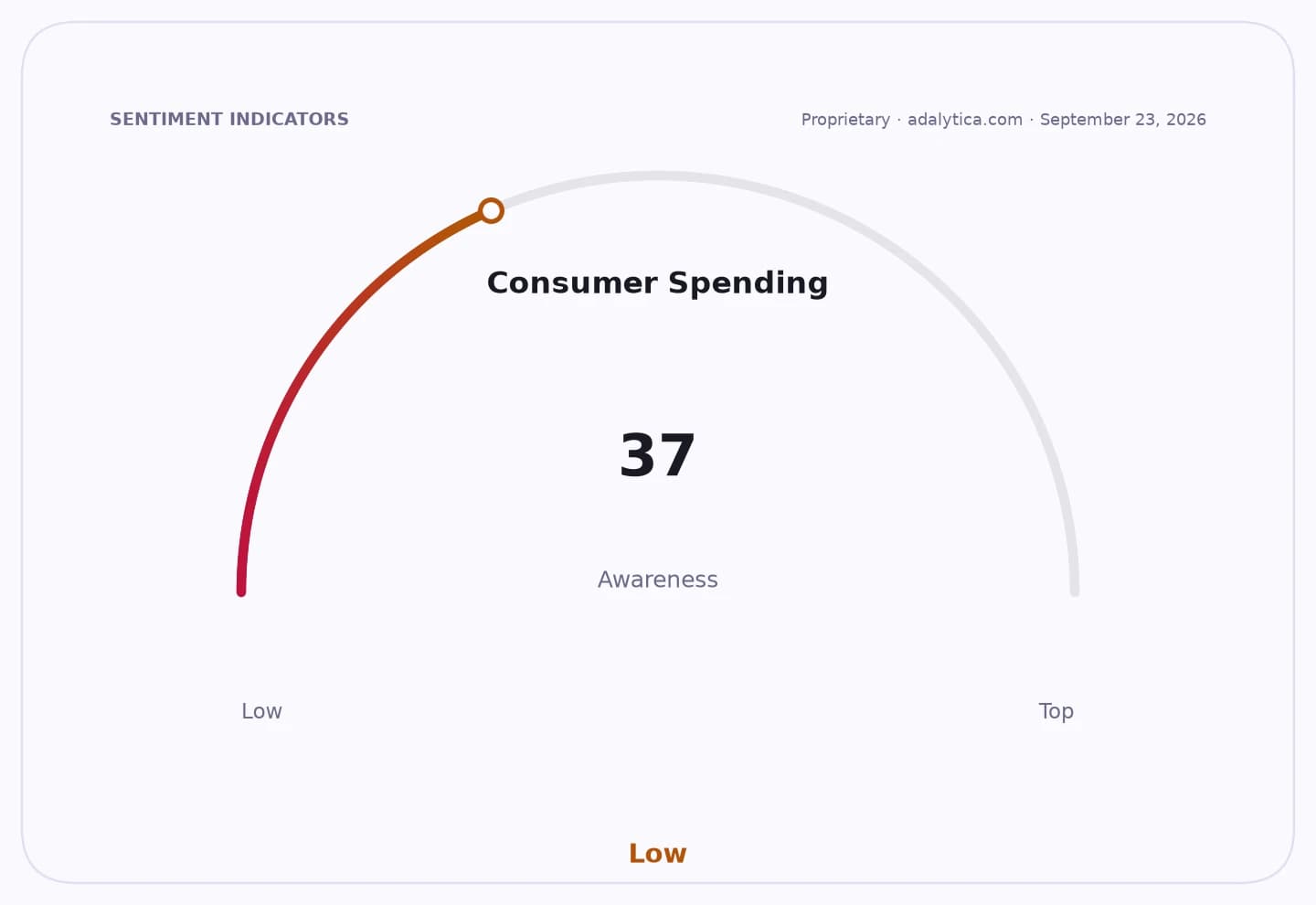
Sentiment IndicatorsⓘProprietary · adalytica.com · September 28, 2026
This is a snapshot — live sentiment, awareness and momentum for 130+ markets update continuously in the dashboard.Open AlphaPulse
For a capital-starved operator, that kind of leakage matters far beyond the fuel line. Every extra real spent on diesel is a real not available for maintenance, parts, repairs or paying vendors. In a transport business, where reliability and service frequency are the product, weak cash discipline can easily turn into a service problem and, eventually, a demand problem. The report already points to a 10% drop in passengers and a loss of confidence, a reminder that riders notice when an operator looks strained.
What makes the case especially relevant is that the added cost came from the buying channel, not from greater service. The diesel was being purchased through a TRR middleman rather than directly from distributors. That arrangement is legal and often useful for logistics, but the intervention’s findings suggest that for large-volume users, convenience may come at a steep price. The report said direct distributor prices were around R$5.90 a liter at the time, making the intermediary route meaningfully more expensive without any corresponding increase in fuel delivered or trips offered.
The bigger takeaway for investors is that cost control in transport is never just about fare revenue. It is about procurement, fleet management and the difference between a vehicle that runs efficiently and one that quietly bleeds margin. The intervention found variation in fuel efficiency between garages and individual buses, with some outliers significantly better or worse than category averages. One garage posted 3.10 kilometers per liter versus 3.02 km/l at another, a gap that looks small until it is multiplied across a full month of diesel purchases.
That is why the proposed fixes are encouraging. The intervention wants to prioritize the most economical buses when operationally possible, especially on lower-demand days, and is developing an app to track fueling and consumption in real time. That sounds basic, but basic controls are often what separate resilient operators from distressed ones. If the consortium can cut the price paid per liter and tighten consumption discipline, it can free up meaningful cash without cutting service.
For long-term investors, the story is a broader reminder that pricing power and operational efficiency matter just as much in public transport as they do in listed companies. A business that consumes millions of reais of diesel every month cannot afford to treat fuel as a passive expense. It has to treat it as a controllable input.
In the near term, the key question is whether the intervention can translate these findings into lasting savings. If it can, the benefit will be immediate in cash flow and credibility. If it cannot, the diesel bill will keep doing what it has been doing already: quietly compounding the pressure. Worth watching.
| Entity | Gains | Losses |
|---|---|---|
| Consórcio Guaicurus | ▲Lower fuel costs, better cash flow | ▼Higher operating pressure |
| Passengers | ▲More reliable service potential | ▼Risk from underfunded operations |
| Direct distributors | ▲More business volume | ▼Loss of intermediary premium |
| TRR intermediary | ▲Less margin on fuel resale | ▼Procurement shift away from middlemen |