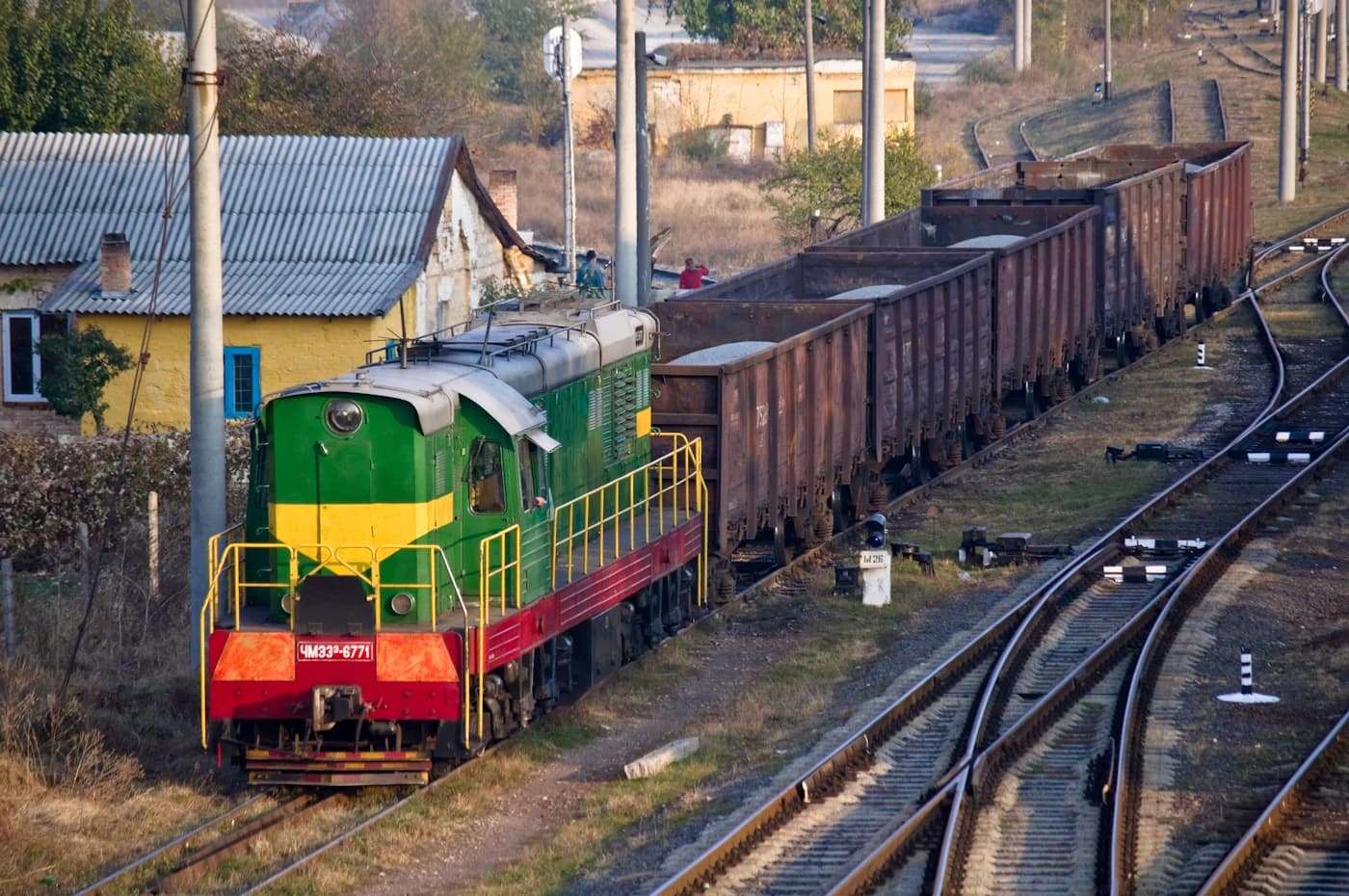
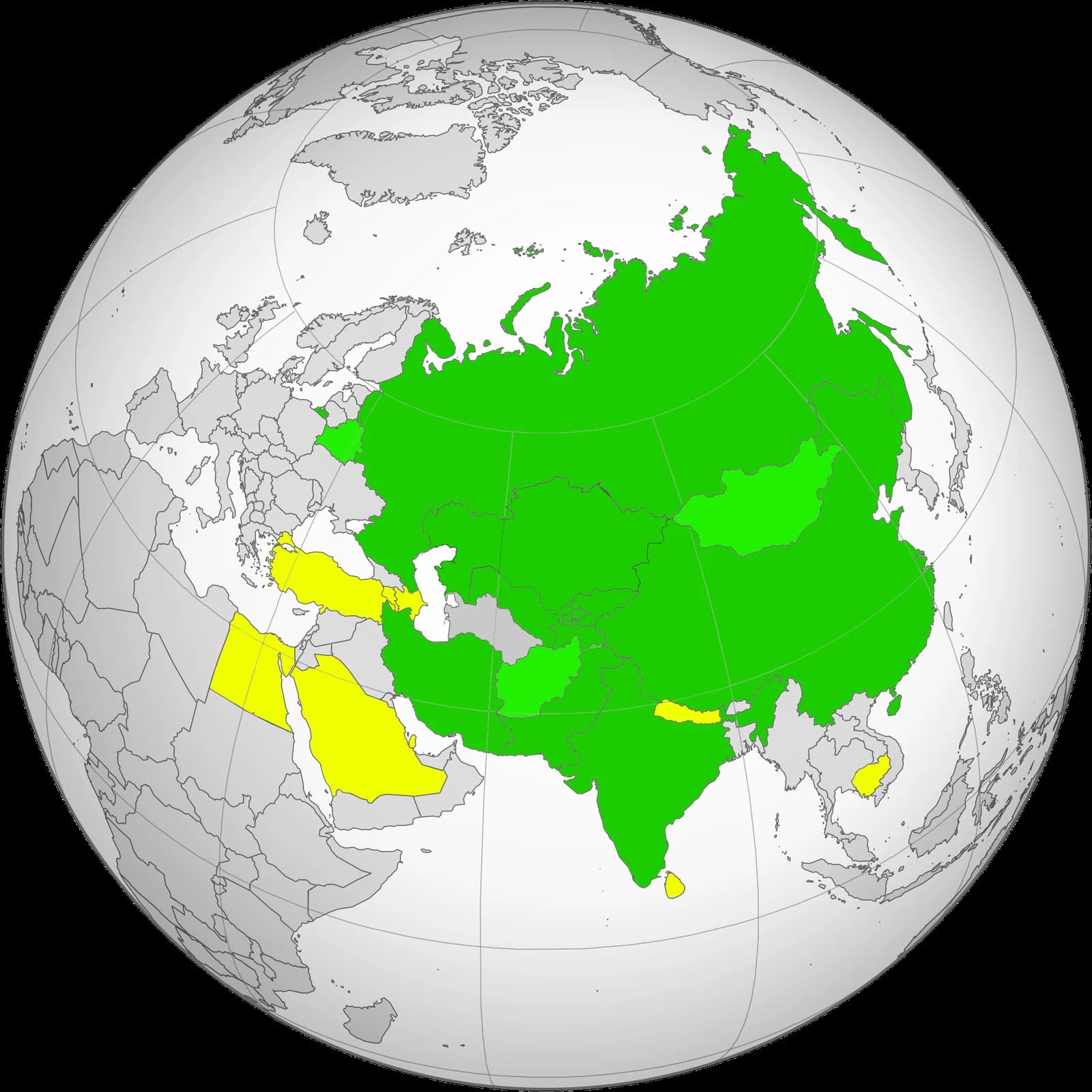
Freight volumes on Azerbaijan Railways rose 11% in the first nine months of the year, underscoring how the country is steadily turning its rail network into a bigger piece of Eurasia’s trade map.
Azerbaijan Railways Freight Volumes Rise 11%
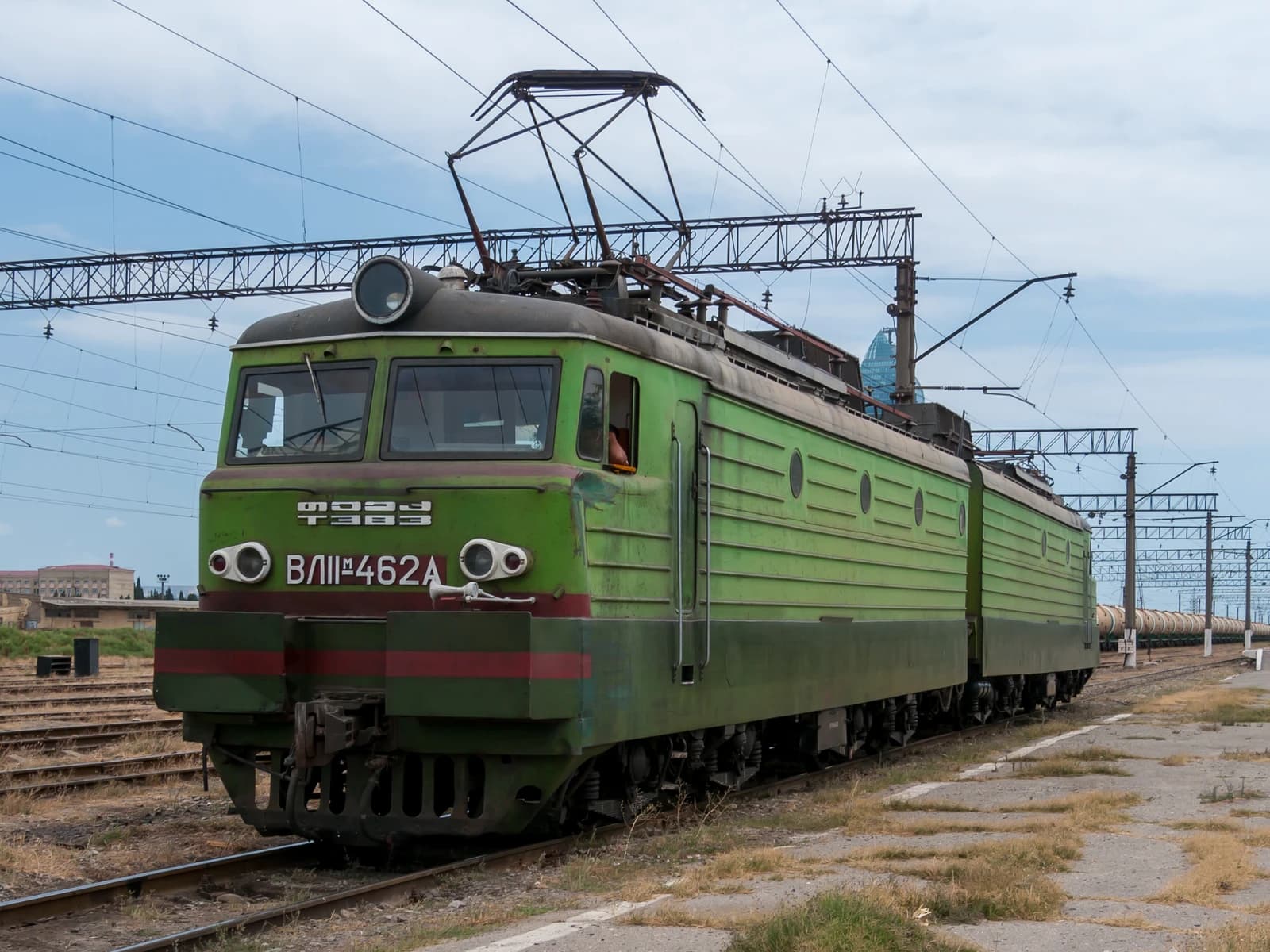
That matters because rail is not just moving more cargo inside Azerbaijan; it is handling more transit traffic, the kind that can generate higher-margin, longer-duration revenue and strengthen the country’s role as a logistics corridor between Asia, Russia and Europe. For investors, the message is simple: when a railway’s growth comes from cross-border freight rather than only domestic demand, it usually has more room to compound.

Azerbaijan Railways said it transported about 14 million tons of cargo in the period, with transit shipments up 15% to 5.7 million tons. The strongest growth came on the East-West corridor, where freight rose 20%, and on the North-South route, where volumes jumped 26%. Those are not small moves. They suggest shippers are increasingly using Azerbaijan as a practical alternative in a region where supply chains are still being reshaped by geopolitical friction, sanctions risk and rerouting away from older paths.
The numbers also fit a broader trend: rail freight is gaining importance across the Caspian and South Caucasus as governments push harder to capture transit fees, logistics investment and industrial activity linked to corridor traffic. For Azerbaijan, that can support everything from port throughput to warehousing, customs services and related infrastructure spending. In other words, the rail network is becoming part of a wider economic platform, not just a transport utility.
There is also a strategic angle. The North-South corridor has drawn attention from Moscow and Baku as a way to deepen cargo links through the region. If those volumes keep building, Azerbaijan could strengthen its bargaining power as a transit state while reducing dependence on any single trade route. That is valuable in an environment where the cost and reliability of transport matter almost as much as the goods being shipped.
For long-term investors, the key question is whether this freight growth proves durable. Rail demand tied to transit can be sticky, but it depends on infrastructure quality, border efficiency and politics. If Azerbaijan continues to improve throughput and win more international cargo, the rail network could keep benefiting from a secular shift toward diversified Eurasian logistics. Worth watching closely.
| Entity | Gains | Losses |
|---|---|---|
| Azerbaijan Railways | ▲Higher freight volumes | ▼ |
| Transit shippers | ▲Better route options | ▼ |
| North-South corridor | ▲More strategic relevance | ▼Competing routes |
| Regional rivals | ▲ | ▼Lost transit share |