Central Asia is moving from a region defined by great-power rivalry to one increasingly shaped by its own strategy of diversification, with transport, energy and trade links now being built to reduce dependence on Russia and China without severing ties to either.
Central Asia Builds Middle Corridor Trade Links
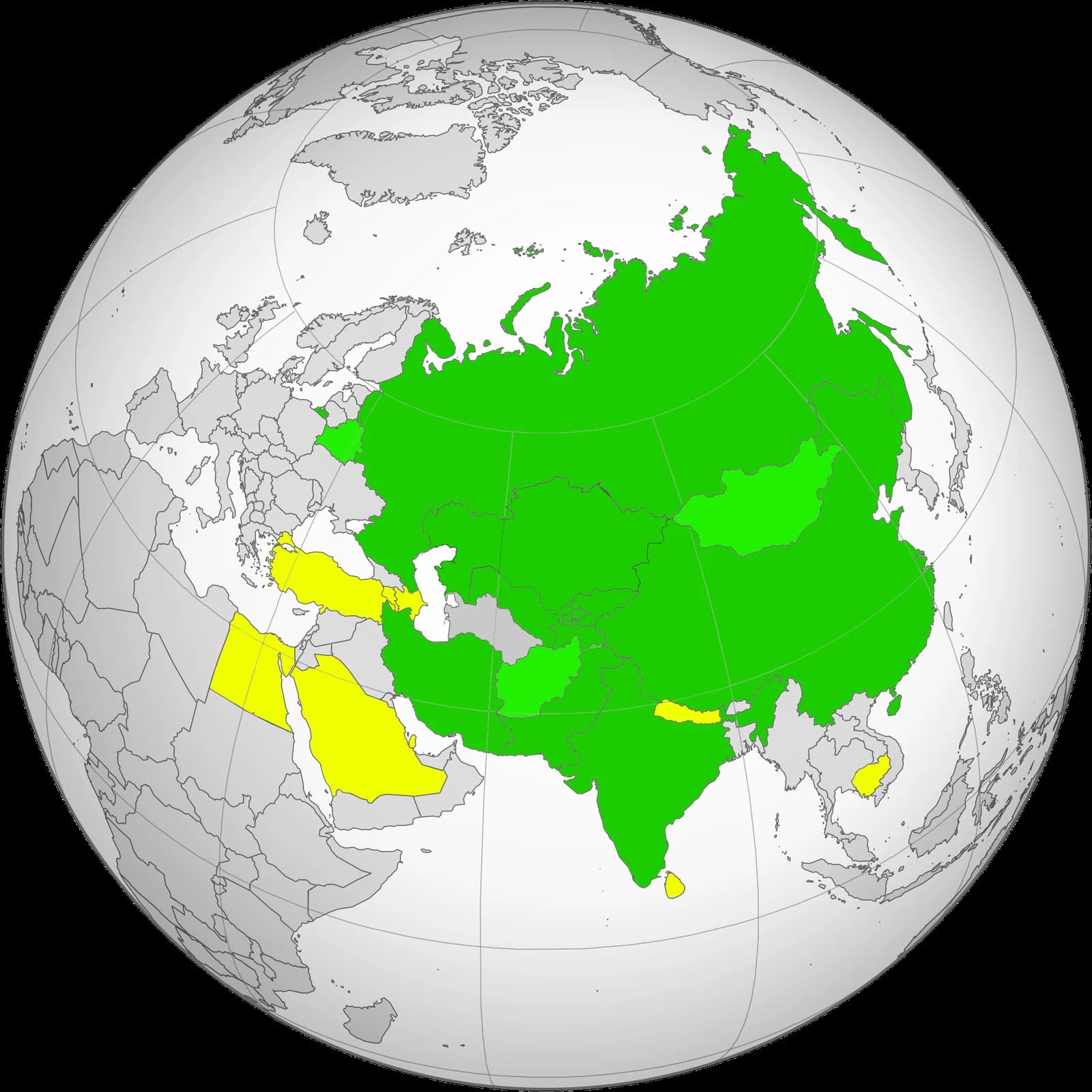
That shift matters economically because the five Central Asian states are trying to turn geography from a constraint into an asset. Landlocked economies such as Kazakhstan, Uzbekistan, Kyrgyzstan, Tajikistan and Turkmenistan have long depended on routes and systems dominated by Moscow or Beijing. Since Russia’s war in Ukraine, that vulnerability has become more acute, pushing regional governments to widen their options in logistics, energy exports, investment and diplomatic alignment.
Sentiment IndicatorsⓘProprietary · adalytica.com · October 13, 2026
This is a snapshot — live sentiment, awareness and momentum for 130+ markets update continuously in the dashboard.Open AlphaPulse
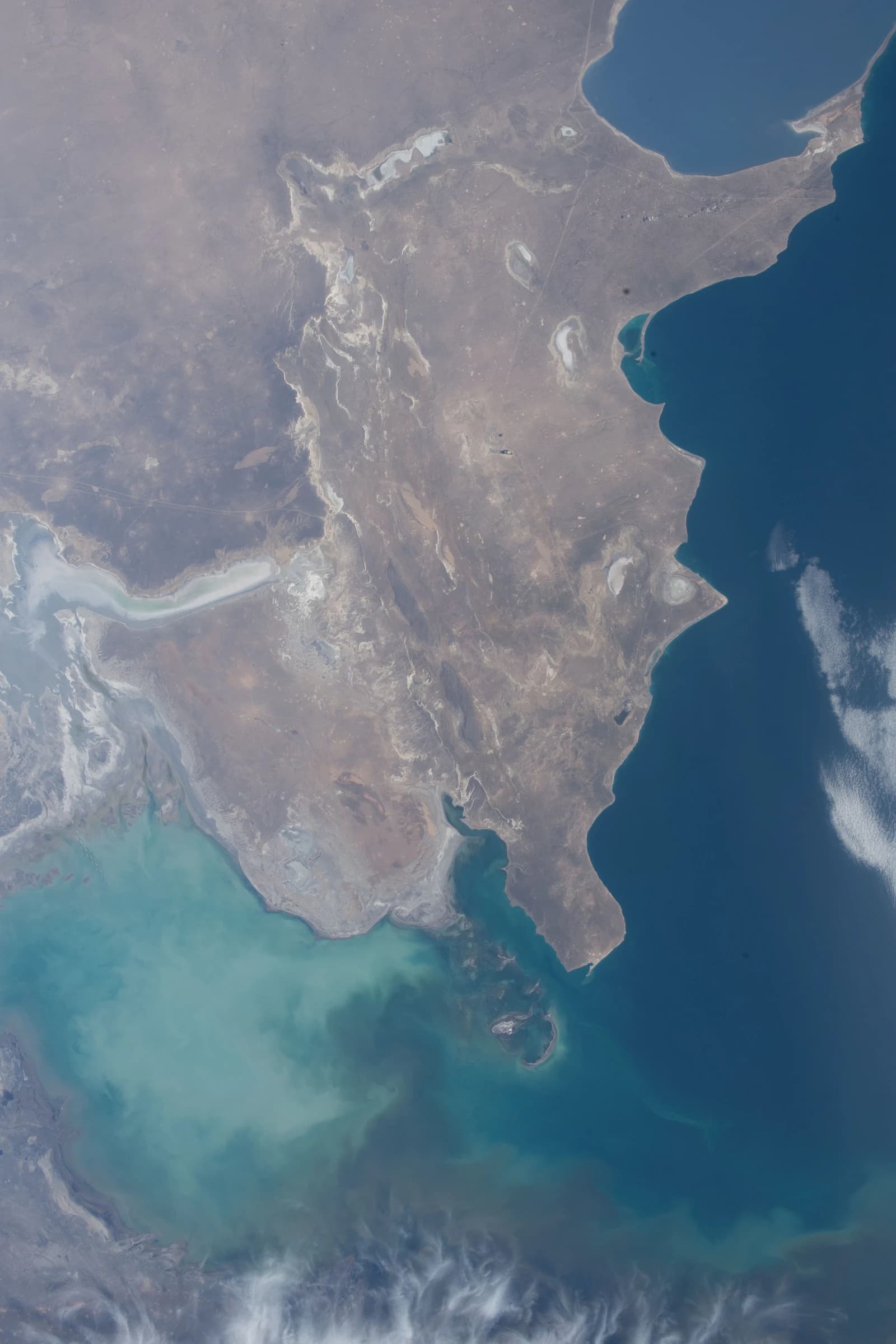
The clearest expression of that effort is the Middle Corridor, the trans-Caspian route linking Central Asia with Azerbaijan, Turkey and Europe. A World Bank study published on Sept. 28 said trade along the corridor could more than triple by 2040, and could rise fourfold under deeper reforms. To get there, the bank said at least $25 billion will be needed for railways, ports and logistics infrastructure. That puts the corridor in the category of strategic infrastructure, not just a regional transport project.
For investors, the implication is that Central Asia is no longer simply a transit prize contested by larger powers. It is becoming a multi-vector market where demand will increasingly flow into rail, port, warehousing, energy interconnectors and customs modernization. That creates potential opportunities for Turkish, Azerbaijani, Gulf, European, South Korean, Japanese, Indian and US capital, all of which the region is courting as it tries to avoid overreliance on any single external partner.
Russia still retains structural leverage through security ties, labor mobility, energy links and historical connectivity, especially in Kazakhstan and Kyrgyzstan. But the war has reduced Moscow’s ability to monopolize the region’s strategic choices. The message from Central Asian governments is not anti-Russian; it is that Russia can no longer be the only option. That distinction matters for markets because it suggests continuity in some legacy ties even as new corridors and partners gradually dilute their dominance.
China remains the region’s most important economic counterpart, especially through Belt and Road infrastructure, trade and energy investment. Yet Beijing’s financing power has also made local governments more cautious, not less. Their goal is to capture Chinese capital while preventing it from hardening into political dependence. That is why diversification is extending well beyond the China-Russia frame to Europe, Turkey, the Gulf and Asia.
Energy is part of the same equation. Turkmenistan, Kazakhstan and Azerbaijan are all seeking more routes and more buyers, linking pipeline politics with trade logistics across the Caspian. Rising coordination with Azerbaijan gives Central Asia not only a physical route to Europe but also a thicker institutional and political bridge across the Caspian. The Organization of Turkic States is helping formalize that process, turning cultural affinity into practical cooperation on transport, trade, investment and energy.
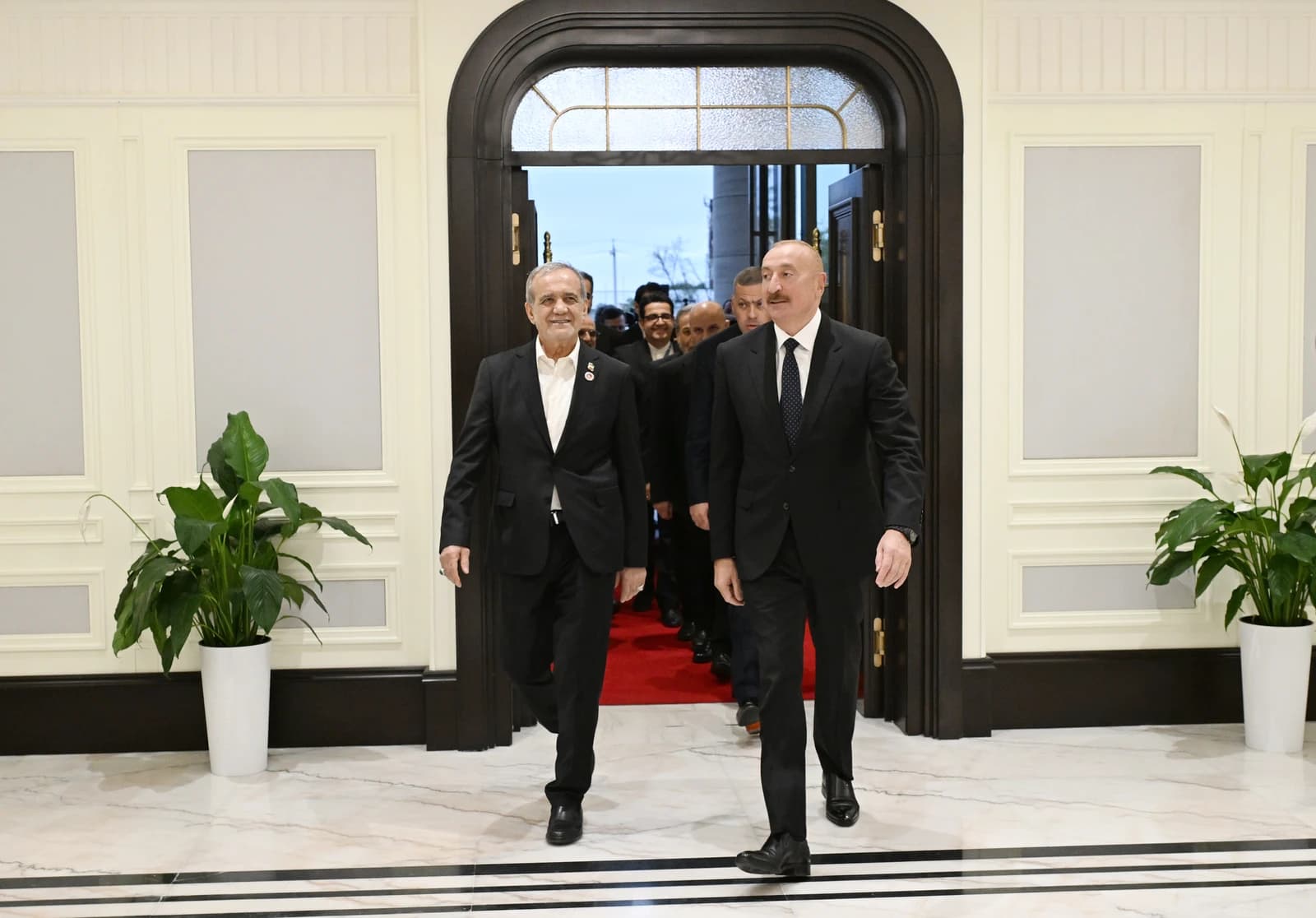
The timing underscores how quickly the regional calculus is changing. A Central Asia-Azerbaijan summit on Oct. 8 in Turkmenistan and a CIS summit a day later will effectively test how far the region is willing to lean westward across the Caspian while still operating inside Russia-centered institutions. The outcome will help show whether Central Asia can sustain a genuinely diversified external policy or whether its new balance remains constrained by the old one.
For markets, the bull case is a gradual buildout of a lower-friction trade corridor between Asia and Europe that unlocks infrastructure spending and broadens financing channels. The bear case is slower-than-promised reform, bottlenecks at ports and border crossings, and the risk that geopolitical shocks — from Russia to the Caspian to the Middle East — keep freight and energy routes expensive and unreliable. Either way, Central Asia’s strategic value is rising because its governments are no longer waiting for the region to be defined from outside.
| Entity | Gains | Losses |
|---|---|---|
| Central Asian states | ▲More policy autonomy | ▼Dependence on single routes |
| Azerbaijan and Turkey | ▲Transit relevance | ▼Older east-west chokepoints |
| Russia | ▲Some retained influence | ▼Route monopoly |
| China | ▲Continued investment access | ▼Exclusive leverage |