Iran is trying to widen its economic orbit by proposing a “CIS+1” format with the former Soviet republics, a move that underscores how Tehran is leaning on regional diplomacy to offset sanctions, protect export channels and keep trade routes open as geopolitical pressure intensifies.
Iran Proposes CIS+1 Trade Format
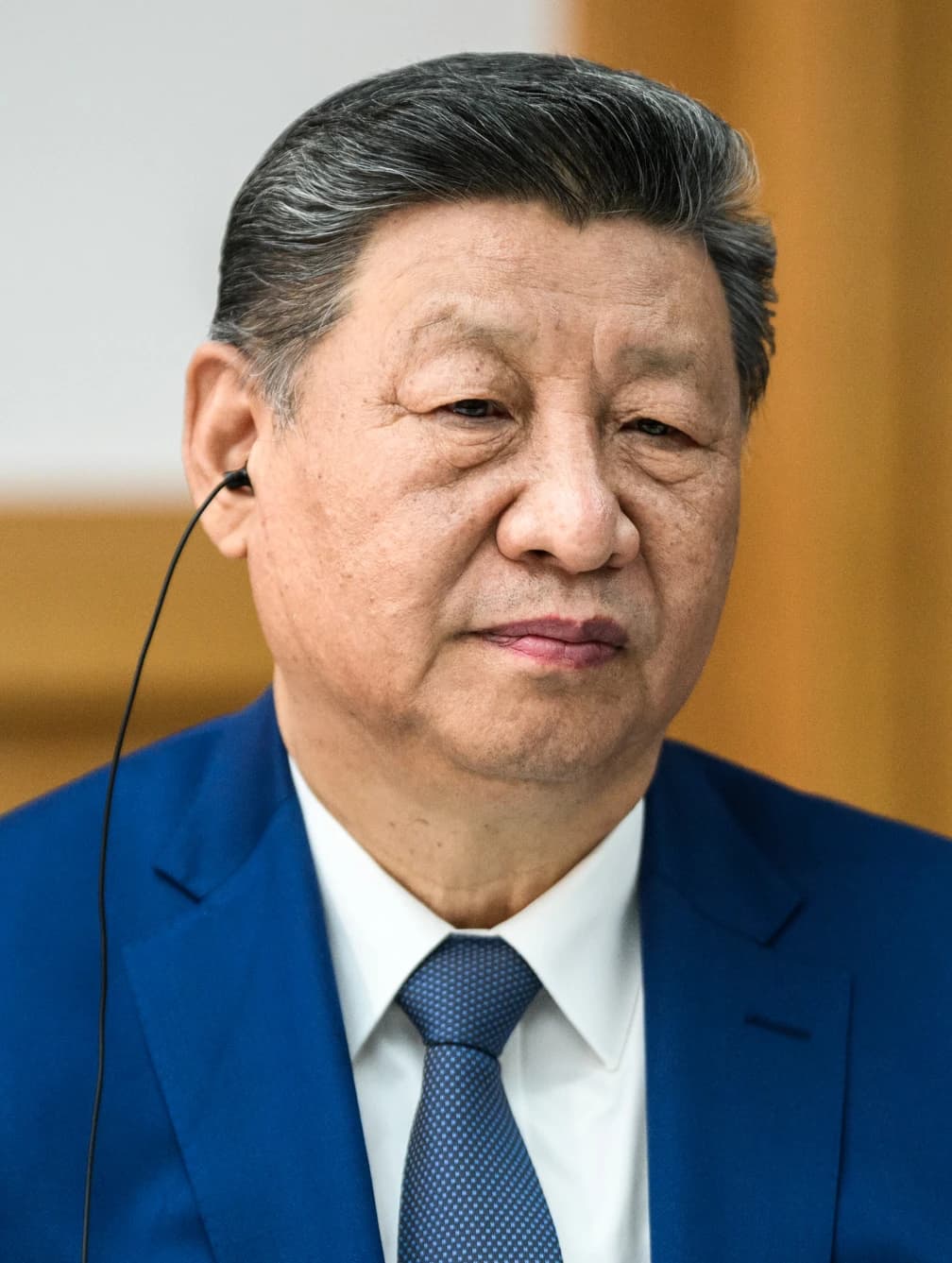
President Masoud Pezeshkian floated the idea at a Commonwealth of Independent States summit, saying a “CIS countries + Iran,” or “CIS+1,” mechanism should be created as a “flexible and effective” platform for dialogue and cooperation, according to Fars. The pitch is economically important because it would give Iran a structured way to deepen commercial ties with neighbors that sit along key energy, logistics and transit corridors, even as Western sanctions continue to narrow Tehran’s access to global finance and shipping.
Sentiment IndicatorsⓘProprietary · adalytica.com · October 11, 2026
This is a snapshot — live sentiment, awareness and momentum for 130+ markets update continuously in the dashboard.Open AlphaPulse
For investors, the signal is less about an immediate market reaction than about the direction of Iran’s strategy: expand trade with sanction-tolerant partners, strengthen non-Western supply chains and reduce dependence on routes and counterparties vulnerable to US pressure. That matters for oil markets, freight rates and regional risk premia. Iran remains a meaningful force in crude exports and any effort to lock in more stable regional trade relations could help sustain flows of energy, refined products and goods through Eurasian channels that are already under strain from sanctions and conflict.
The proposal also fits a broader geopolitical pattern in which sanctioned states seek alternative multilateral formats to normalize commerce outside US and European influence. For the CIS bloc, closer ties with Iran could bring access to a large market and expanded transit links to the Persian Gulf. For Iran, it would offer political cover and practical trade benefits at a time when its oil business is still constrained by sanctions, and when tensions in the wider Middle East keep shipping and insurance costs elevated.
That backdrop has kept global stability sentiment elevated even as market awareness of geopolitical risk remains uneven. Oil benchmarks have been sensitive to the threat of supply disruption, while investors in emerging markets and energy are watching whether Tehran can convert diplomatic outreach into durable trade channels. The harder question is whether a CIS+1 framework would produce real commercial integration or remain a political statement with limited enforcement power.
The near-term significance, though, is clear: Iran is signaling that it intends to work around isolation by institutionalizing ties with neighboring economies. If the initiative gathers traction, it could modestly alter trade patterns across the Caspian and Central Asia, reinforce sanctions-resistant flows and keep geopolitical risk embedded in energy and transport markets.
| Entity | Gains | Losses |
|---|---|---|
| Iran | ▲Broader trade access | ▼Economic isolation |
| CIS states | ▲New transit links | ▼Greater sanctions exposure |
| Oil exporters | ▲More resilient routes | ▼Higher geopolitical risk |
| Western sanctions policy | ▲— | ▼Reduced leverage |