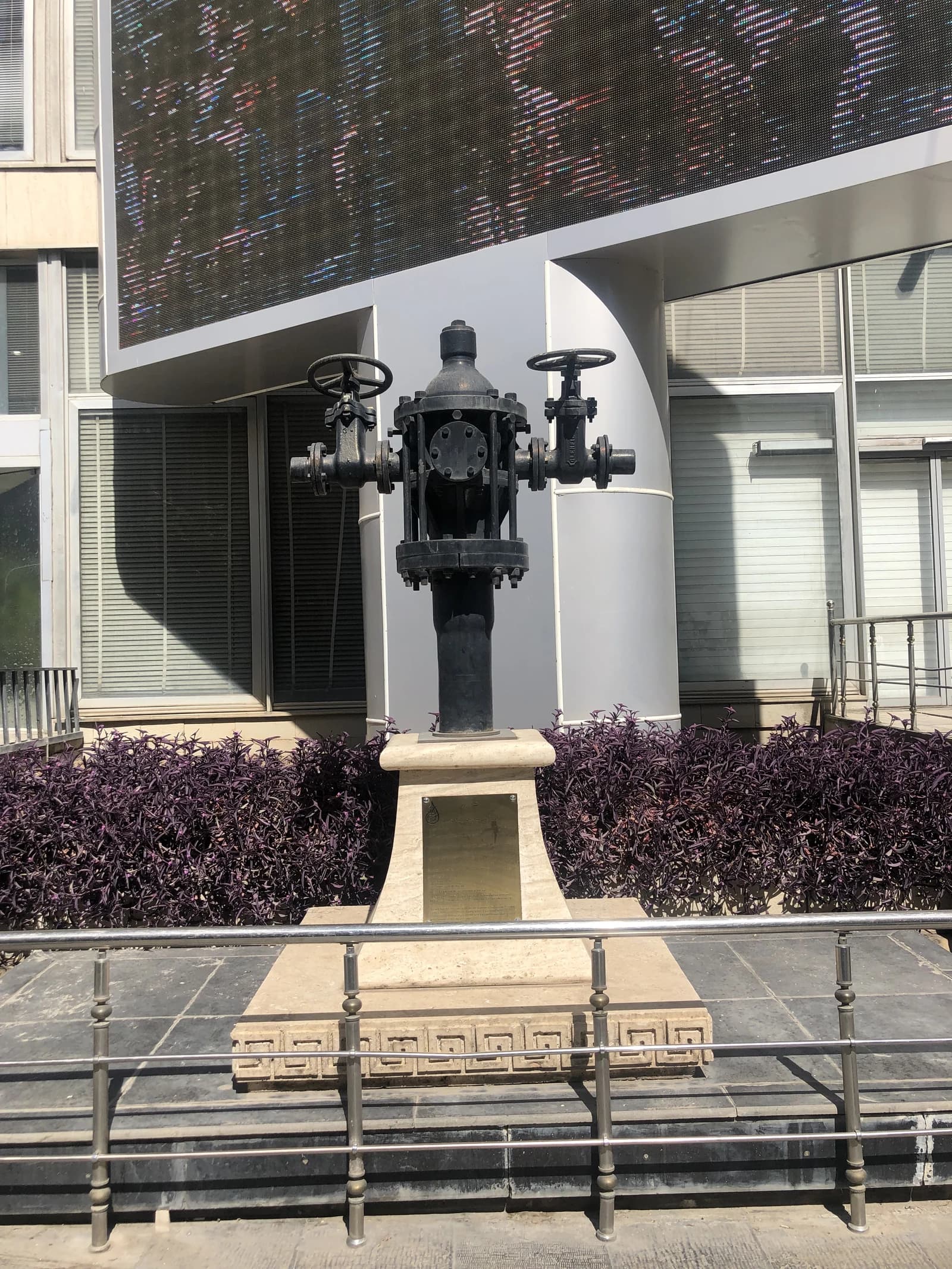
Iran’s Premium East Oil & Gas Production Company is preparing to lift gas output to 65 million cubic meters a day, a scale that underscores Tehran’s drive to shore up domestic fuel supply even as sanctions and infrastructure constraints continue to weigh on the sector.
Iran gas output target rises to 65 million cubic meters
The planned production level matters because natural gas is central to Iran’s power generation, industry and winter heating demand, and any sustained increase can ease pressure on the country’s strained energy balance. For Tehran, higher output also helps reduce the risk of local shortages that can slow factories, disrupt electricity supply and force difficult fuel-switching decisions when demand peaks.
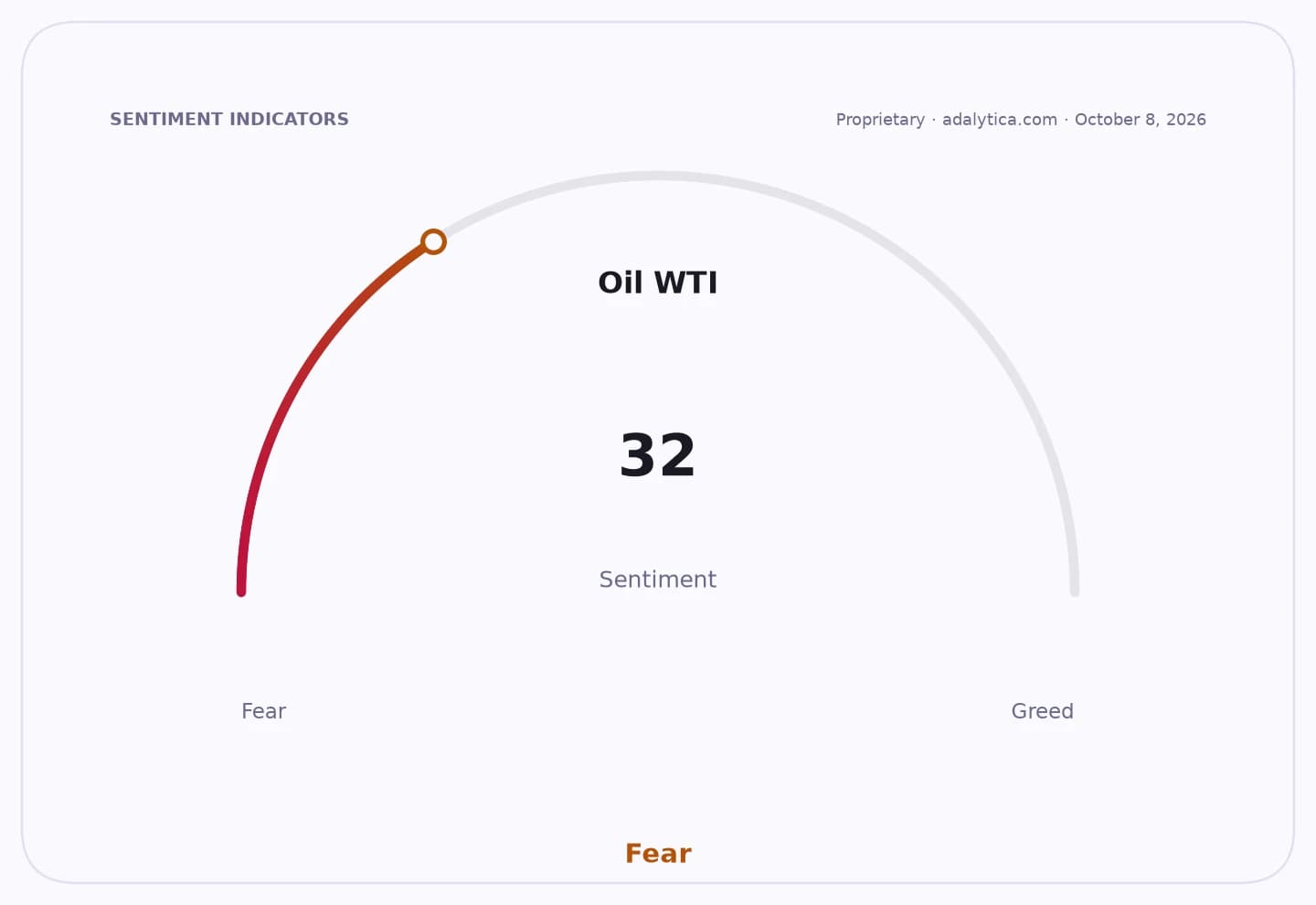
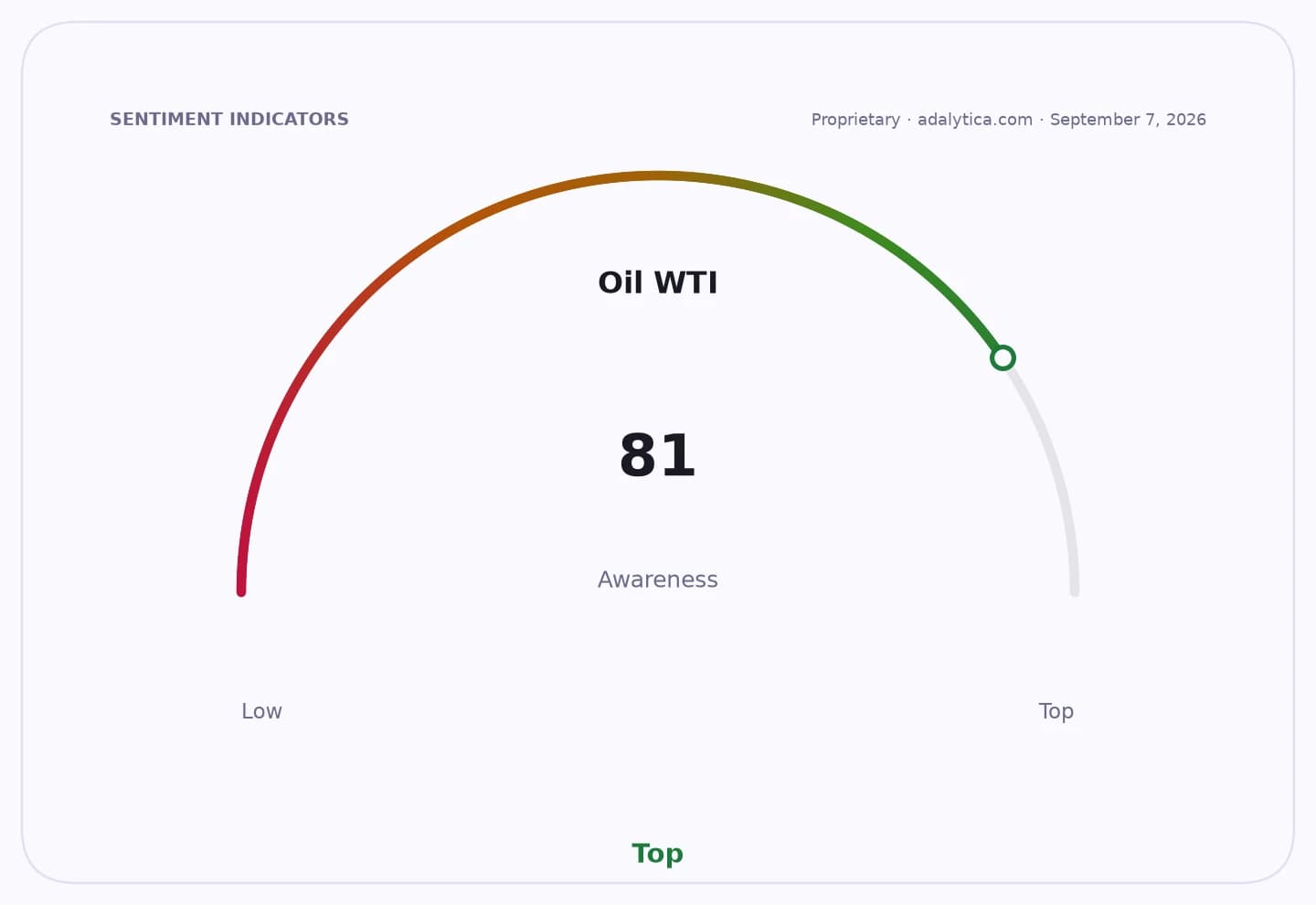
Sentiment IndicatorsⓘProprietary · adalytica.com · October 8, 2026
This is a snapshot — live sentiment, awareness and momentum for 130+ markets update continuously in the dashboard.Open AlphaPulse
For investors, the significance lies less in the company itself than in what the target says about Iran’s upstream resilience and the direction of the regional gas market. A credible increase in Iranian production can support domestic consumption while limiting the need for emergency imports or costly demand curbs. It also highlights the continuing importance of state-backed energy spending in a market where geopolitical isolation has reduced transparency and made production targets harder to verify.
The broader market backdrop is one of uneven gas pricing and heightened sensitivity to supply developments. Adalytica’s natural gas trade signals show sentiment at neutral while awareness remains in “extreme fear,” a combination that suggests traders are alert to supply shocks but not yet broadly positioned for them. In that kind of environment, any concrete move to raise output in a major producing country can affect regional pricing expectations, especially if it reduces the chance of sudden domestic curtailments or frees up more molecules for industrial use.
The story also fits a larger narrative about how Iran is trying to preserve energy security under pressure. The country has some of the world’s largest gas reserves, but ageing fields, investment shortfalls and sanctions have limited its ability to convert those reserves into reliable output. A push toward 65 million cubic meters a day would therefore be read as both an operational milestone and a political signal: Iran wants to show it can still bring supply to market despite long-running constraints.
For energy investors, the key question is whether the target reflects a durable ramp-up or another aspirational production goal. If output rises as planned, it could ease domestic bottlenecks and support broader industrial activity. If not, the gap between targets and deliveries will reinforce the long-running view that Iran’s upstream sector remains constrained by capital access, equipment shortages and export limits.
| Entity | Gains | Losses |
|---|---|---|
| Premium East Oil & Gas Company | ▲Higher output profile | ▼Execution pressure |
| Iranian industry and power sector | ▲More domestic fuel supply | ▼Less risk of shortages |
| Regional gas buyers | ▲Potentially steadier supply expectations | ▼Less pricing support |
| Oil and gas short sellers | ▲Lower disruption premium | ▼Tight-supply bets |