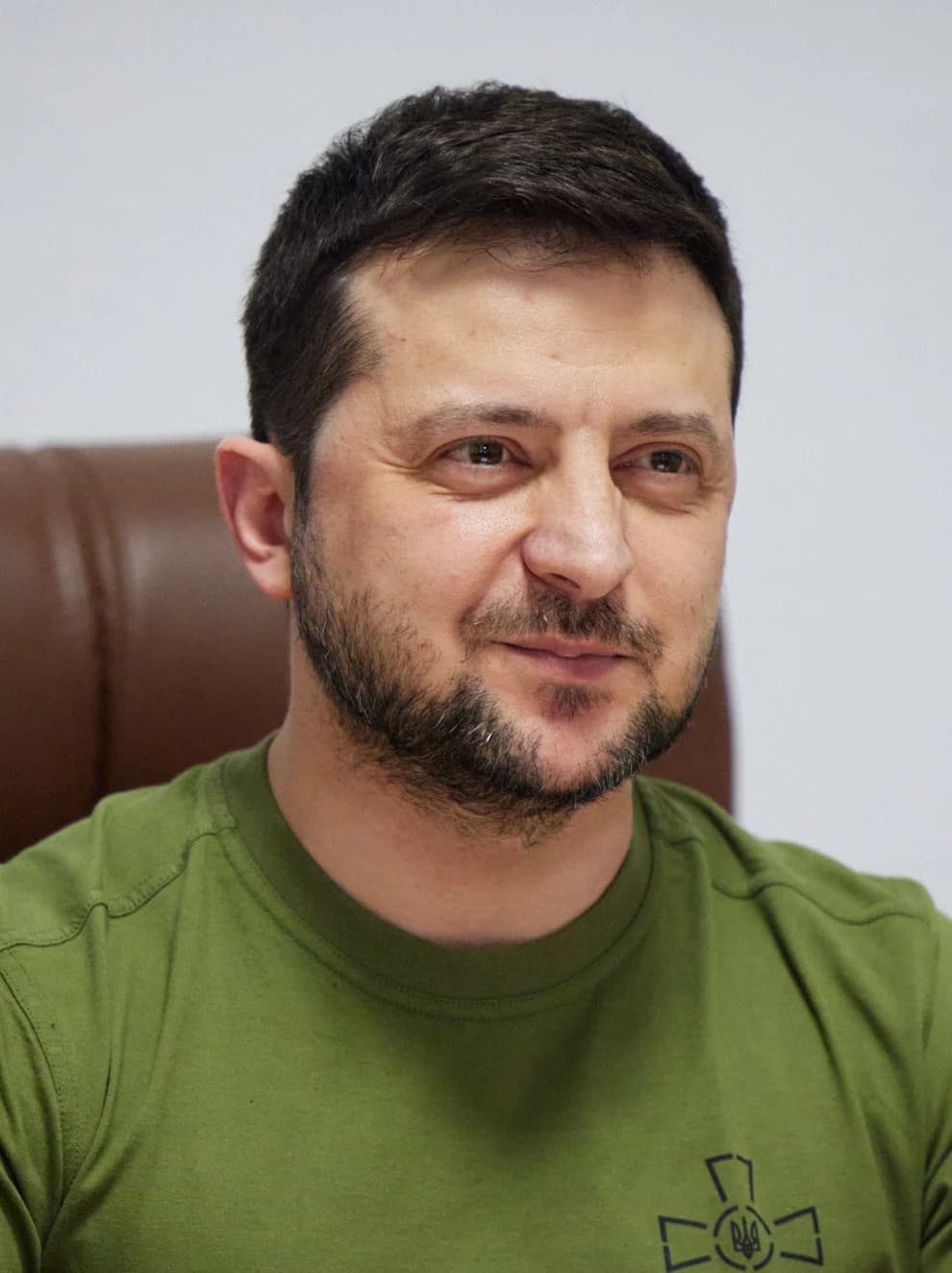
Russia and Iran said they will keep strengthening cooperation across “all areas” after President Vladimir Putin and Iranian President Masoud Pezeshkian spoke by phone on Wednesday, a reminder that the two sanctioned powers are tightening strategic links just as the Middle East remains on edge.
Russia and Iran deepen cooperation after Putin call
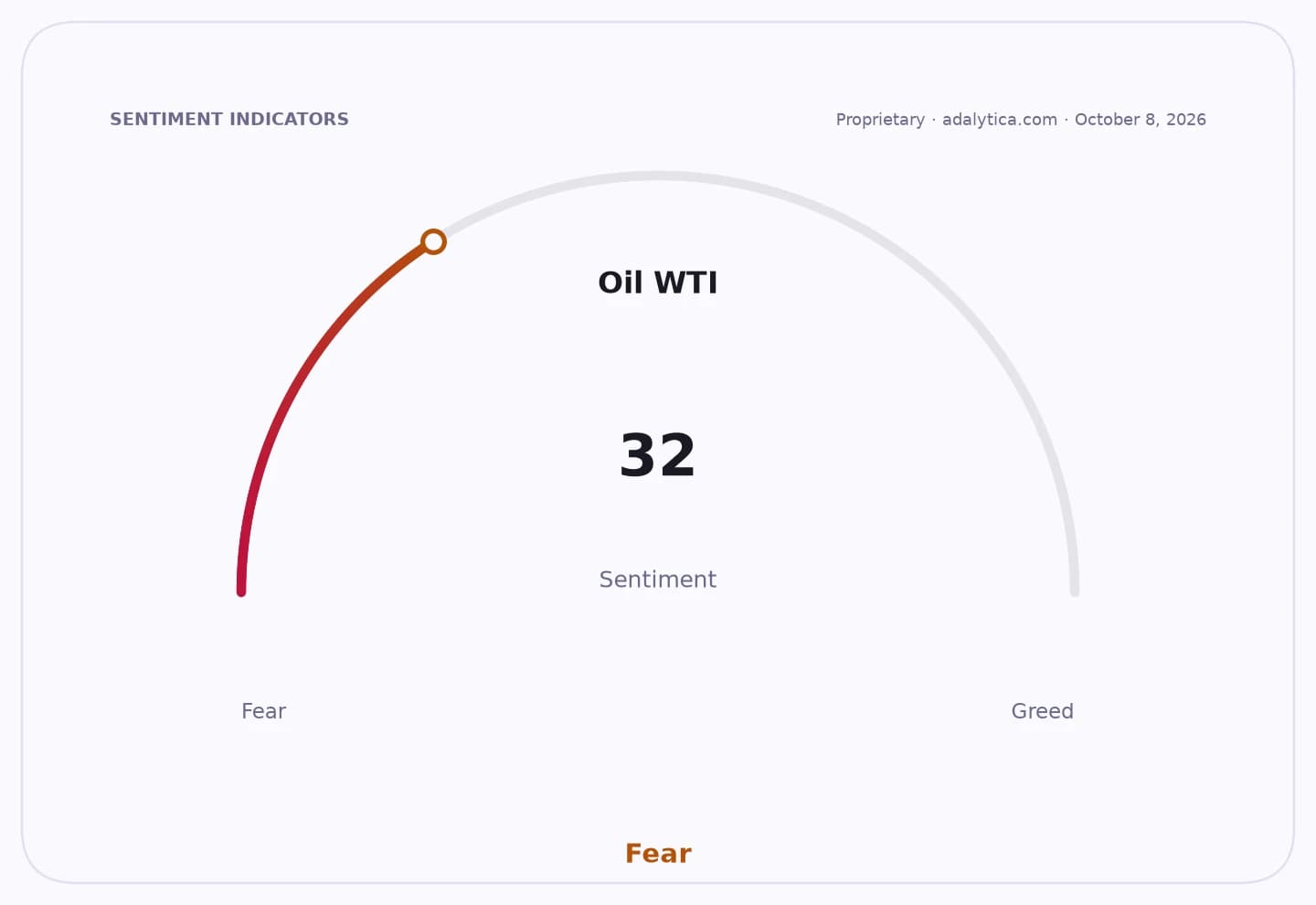
The call matters because Moscow and Tehran have increasingly leaned on each other to blunt Western pressure, expand trade and coordinate diplomatically in a more fragmented global order. For investors, that means more evidence that geopolitics is still feeding through to energy markets, shipping lanes and the broader risk premium attached to oil and defense-related assets.
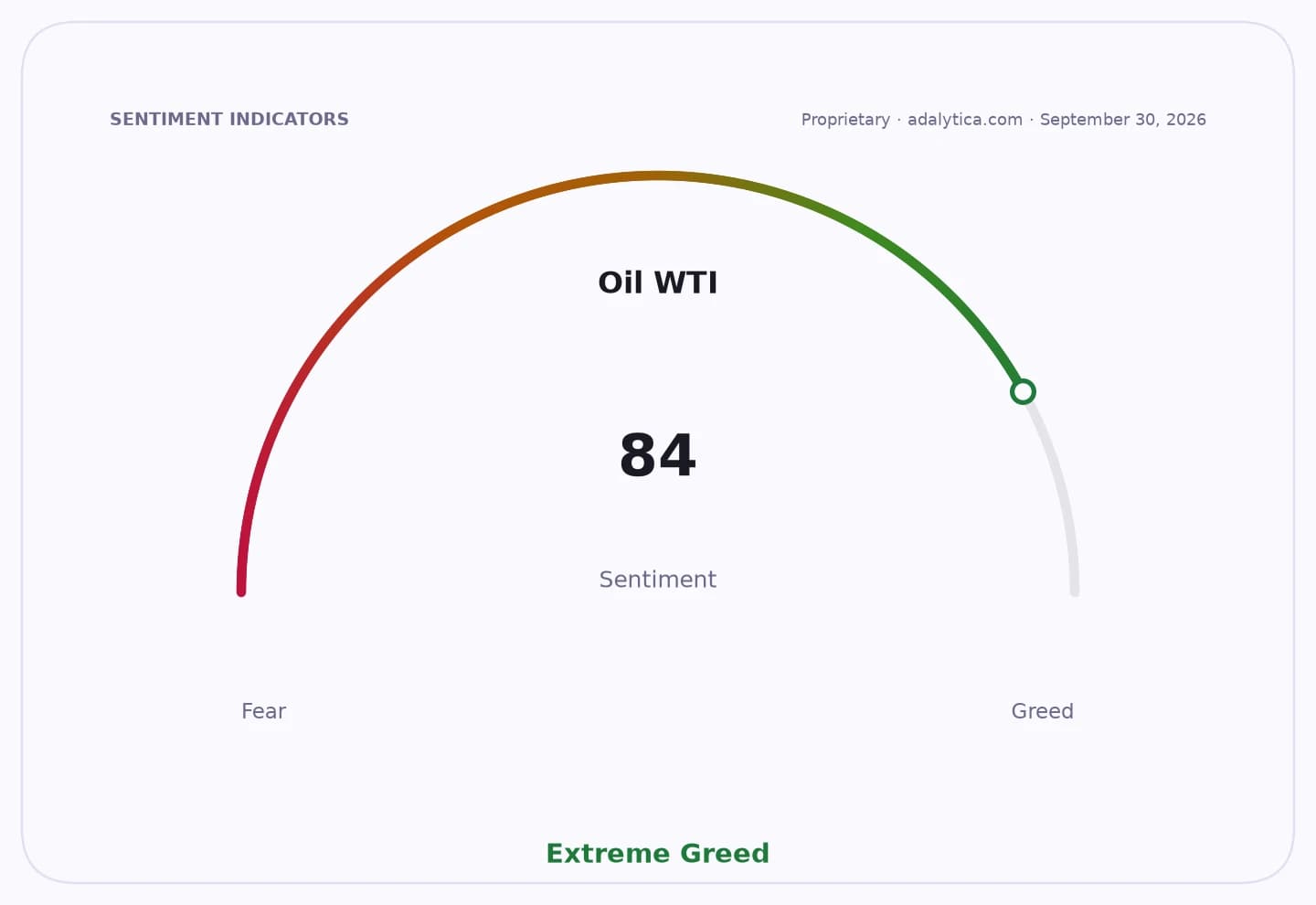
Sentiment IndicatorsⓘProprietary · adalytica.com · October 8, 2026
This is a snapshot — live sentiment, awareness and momentum for 130+ markets update continuously in the dashboard.Open AlphaPulse
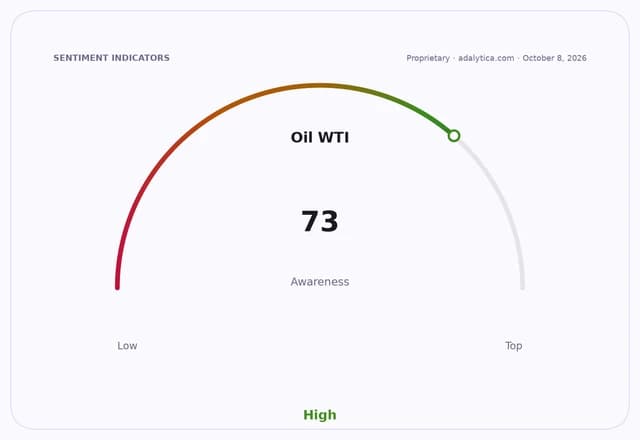
According to Mehr, Pezeshkian congratulated Putin on his birthday and pointed to what he called positive momentum in relations between Tehran and Moscow. Both sides said they want to continue and deepen bilateral cooperation, while Putin referenced the Comprehensive Strategic Partnership Treaty that underpins the relationship.
That treaty is the real economic and geopolitical anchor here. Russia and Iran are both operating under sanctions, which gives their partnership practical value well beyond symbolism. Each country has incentives to build trade channels, expand payment and logistics links, and reduce reliance on the Western-dominated financial system. The more they institutionalize that cooperation, the harder it becomes for sanctions to isolate either economy completely.
Putin also said Russia supports diplomatic efforts by several countries aimed at reducing tensions and stabilizing the situation, while stressing that Moscow is ready to play a role if needed. He praised the resilience of the Iranian people in the face of external aggression, language that underscores how closely the Kremlin is aligning itself with Tehran at a time when both remain in confrontation with the West.
For markets, the immediate takeaway is not a direct trade in Russian or Iranian assets — both are heavily constrained — but the indirect impact on crude oil, regional security and inflation expectations. Oil already remains sensitive to any sign of wider conflict in the Middle East, and geopolitical anxiety is still elevated. Adalytica’s Global Stability Sentiment gauge shows “Extreme Greed” at 100, even as awareness remains in “Extreme Fear,” a combination that often reflects investor complacency sitting on top of real-world instability.
That matters because any deeper Russia-Iran coordination can complicate efforts to calm regional flashpoints. It can also reinforce supply-side risks in energy markets if tensions spread or transport routes come under pressure. Even without an immediate disruption, the mere prospect of escalation keeps a floor under risk premiums.
The longer-term story is that Russia and Iran are building a parallel diplomatic and commercial lane that makes both countries harder to isolate. For investors, that means geopolitics remains a live input into oil, currencies and broader portfolio risk. It is a relationship worth watching closely, especially for long-term investors who know that persistent instability can reshape commodity cycles and defense spending trends for years, not weeks.
| Entity | Gains | Losses |
|---|---|---|
| Russia | ▲strategic partner | ▼Western isolation efforts |
| Iran | ▲diplomatic backing | ▼pressure from sanctions |
| Oil producers | ▲higher risk premium | ▼stable supply expectations |
| Consumers/importers | ▲little immediate benefit | ▼higher energy-cost risk |