Iran is trying to deepen economic and political links with the South Caucasus and Central Asia as Tehran looks for more reliable regional partners amid sanctions pressure, trade-route risks and wider instability in the Middle East.
Iran Deepens Ties With Armenia and Central Asia
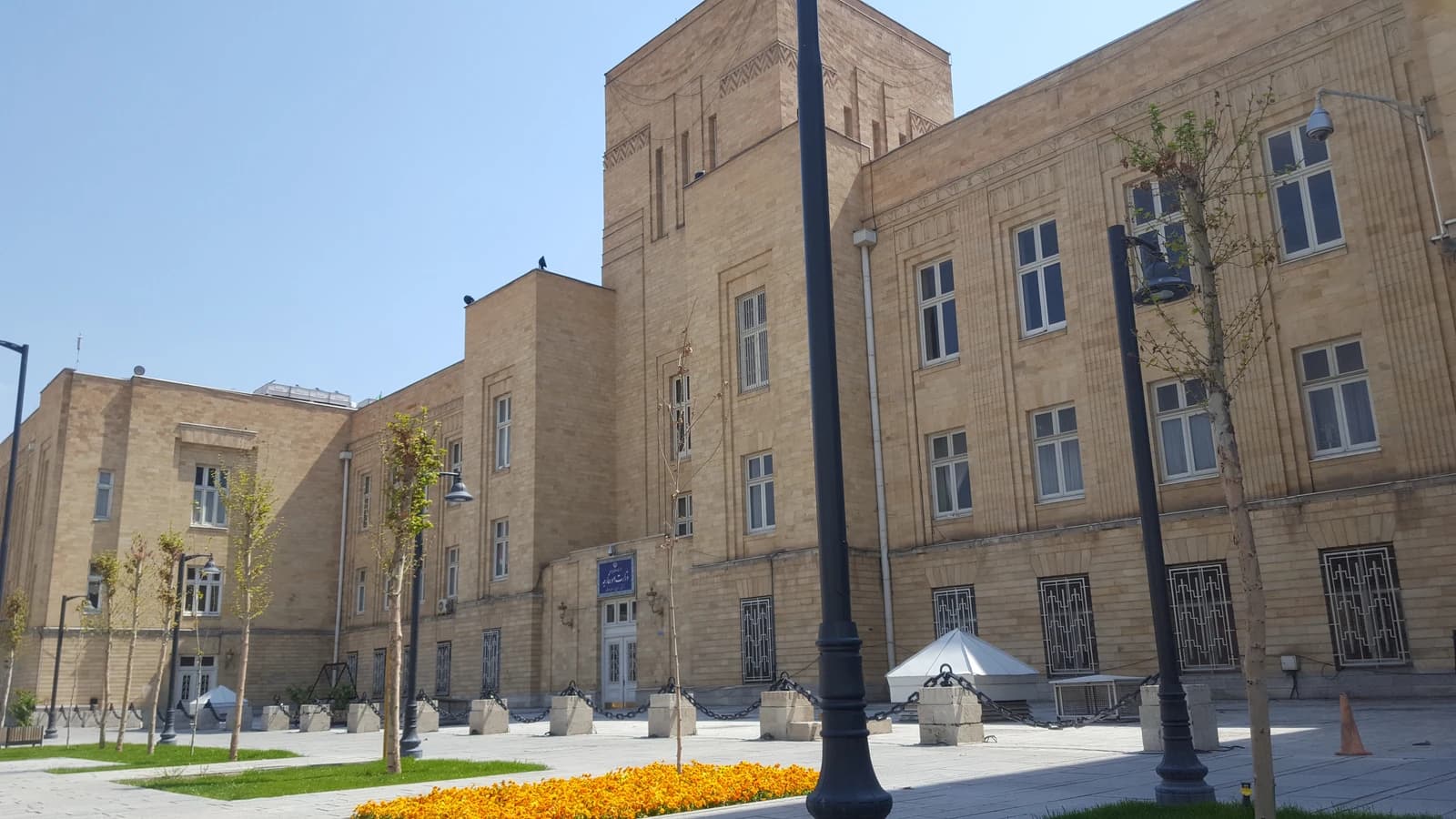
Foreign Minister Seyyed Abbas Araghchi said in Tehran that Iran attaches “particular importance” to friendly relations with Armenia and sees stronger ties with the wider South Caucasus and Central Asia as a guarantee of peace and a support for economic development across the region. He also reiterated Iran’s readiness for multilateral cooperation in the 3+3 format, a regional mechanism that brings together Armenia, Azerbaijan, Georgia, Iran, Russia and Turkey.
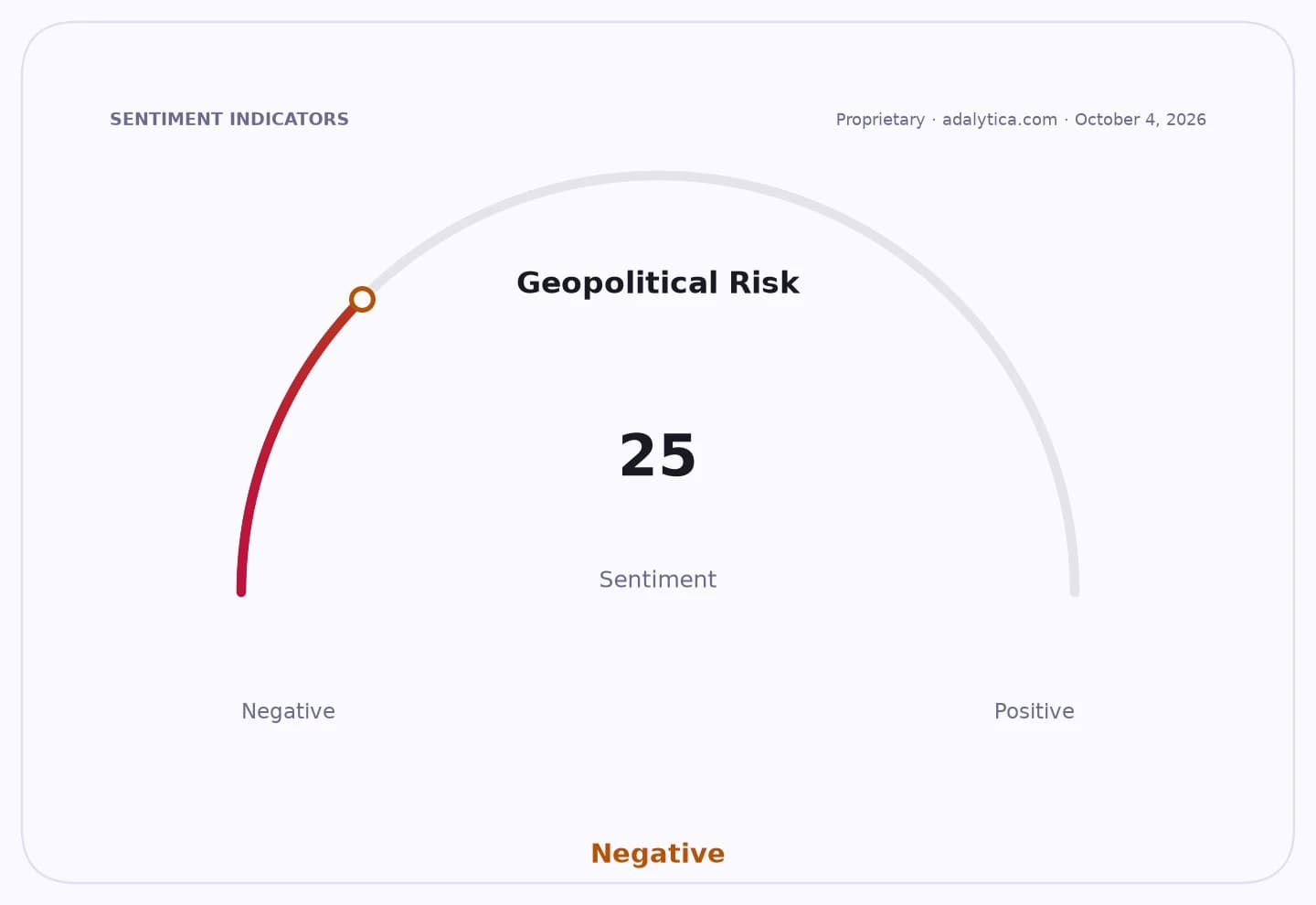
Sentiment IndicatorsⓘProprietary · adalytica.com · October 5, 2026
This is a snapshot — live sentiment, awareness and momentum for 130+ markets update continuously in the dashboard.Open AlphaPulse
The message matters because Iran is using neighborhood diplomacy as both an economic strategy and a geopolitical hedge. With access to global finance constrained and shipping in the Strait of Hormuz under pressure, Tehran has a clear incentive to expand trade, transport and energy links over land. That makes the South Caucasus and Central Asia more than diplomatic talking points: they are potential corridors for freight, energy exports and sanctions-resistant commerce.
Araghchi’s warning about “third-party” interference in South Caucasus affairs underscores the strategic dimension. Iran wants a regional order in which outside powers have less room to shape transport routes and security arrangements. For Tehran, that is partly about limiting U.S. and Israeli influence, but also about protecting its own access to markets and transit networks as rivals compete to define post-conflict connectivity in the region.
Armenia, for its part, is signaling that it sees value in moving closer to Iran. Foreign Minister Ararat Mirzoyan said Yerevan wants a comprehensive strategic partnership with Tehran, and both sides discussed economic, trade, transport, freight and energy cooperation. That mix is important: it points to practical interests such as cross-border commerce, transit links and energy supply rather than purely symbolic diplomacy.
The timing is also notable for investors watching the broader risk premium in the region. Oil-focused U.S. exchange-traded fund USO has rebounded to $143.99, well above its 50-day moving average of $137.51, while the commodity’s recent pullback has left momentum indicators softer than earlier in the year. The move reflects how quickly geopolitical headlines can feed through to energy prices when the Strait of Hormuz is in focus. By contrast, China-exposure fund FXI is still trading below its 50-day and 200-day moving averages, while EEM has strengthened above both, suggesting investors are still differentiating between specific regional and commodity-driven risks rather than pricing a uniform emerging-market shock.
That said, the economic upside for Iran is constrained by hard realities. Even if ties with Armenia and Central Asia deepen, the scale of trade will likely be limited by sanctions, financing frictions and infrastructure bottlenecks. The bullish case is that Iran can carve out a larger role in overland logistics and regional energy flows. The bearish case is that any gains remain tactical and vulnerable to renewed conflict, especially if U.S.-Iran tensions escalate or if outside powers harden their positions in the Caucasus.
For investors, the key takeaway is that Tehran is trying to convert geopolitical isolation into regional relevance. Any progress on transport corridors, energy swaps or cross-border trade could support select infrastructure, logistics and energy names tied to the broader Eurasian corridor. But the trade remains highly event-driven, and the main risk premium will continue to come from diplomacy, sanctions enforcement and shipping security rather than from any single bilateral agreement.
| Entity | Gains | Losses |
|---|---|---|
| Iran | ▲Regional trade options | ▼Isolation from West |
| Armenia | ▲Energy and transit links | ▼Dependence on unstable routes |
| South Caucasus exporters | ▲New overland corridors | ▼Outside-power friction |
| Oil markets | ▲Geopolitical premium | ▼Supply stability |