Armenia and Iran have stepped up talks on energy, transport and infrastructure, underscoring how both countries are trying to turn geography into economic leverage even as sanctions risk and regional tensions limit how far the relationship can go.
Armenia, Iran Discuss Bridge and Power Line
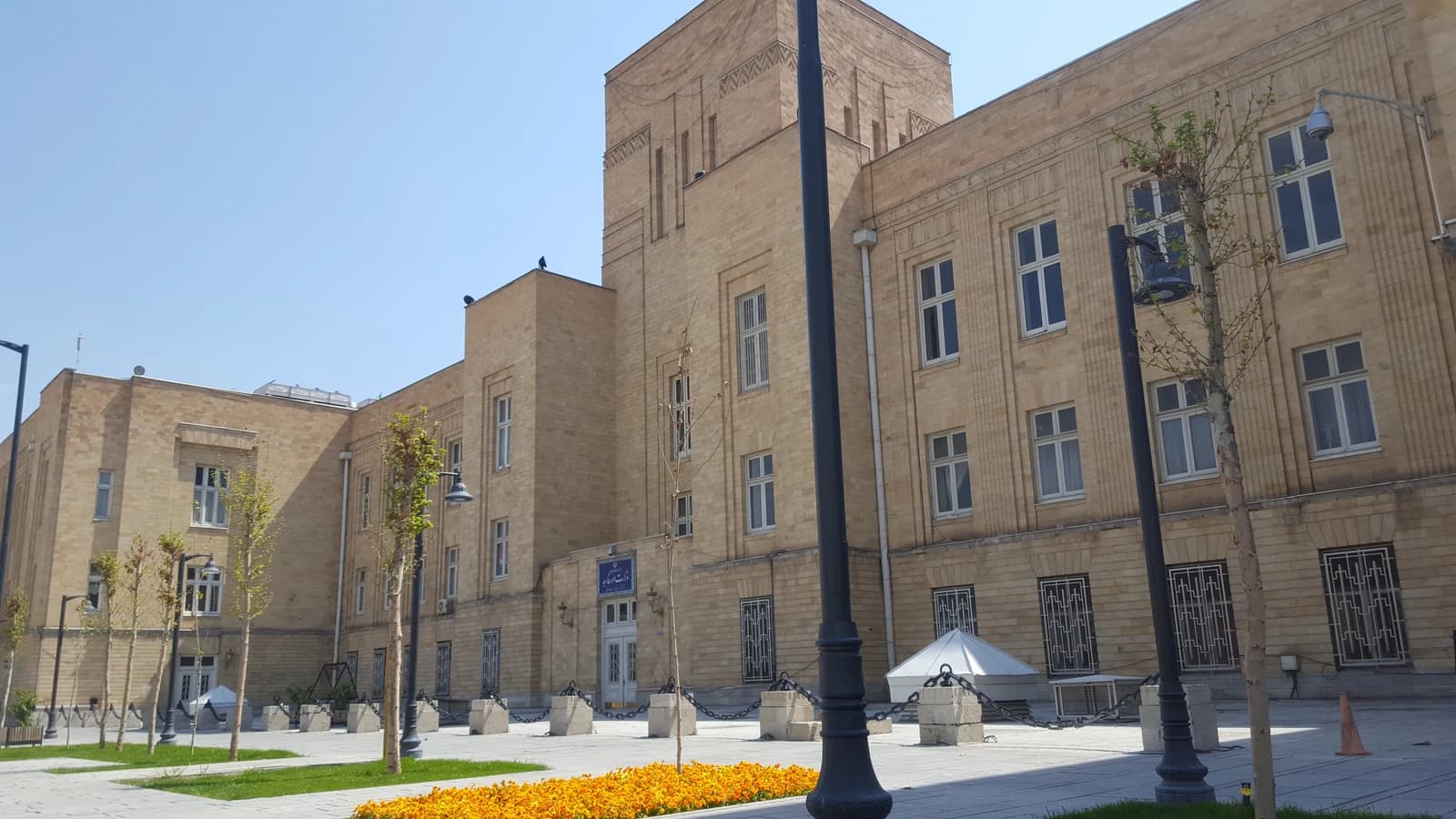
The immediate significance is practical: Yerevan and Tehran discussed building a second bridge at their border, speeding work on a third electricity transmission line and easing freight movement between the two countries. Those projects matter because they would deepen Armenia’s access to a southern corridor into Iran while giving Tehran a more reliable overland link to the South Caucasus at a time when regional trade routes remain politically sensitive.
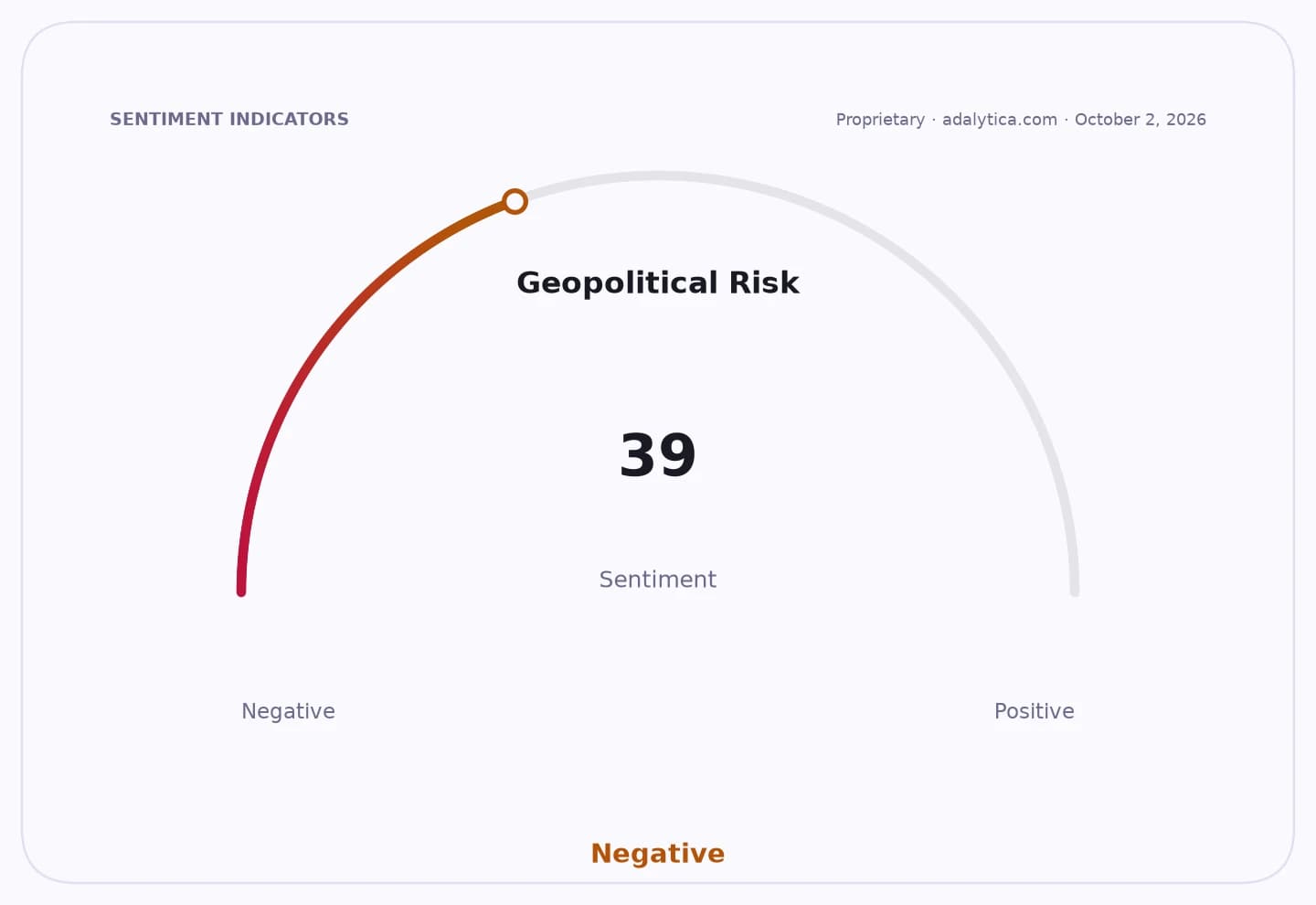
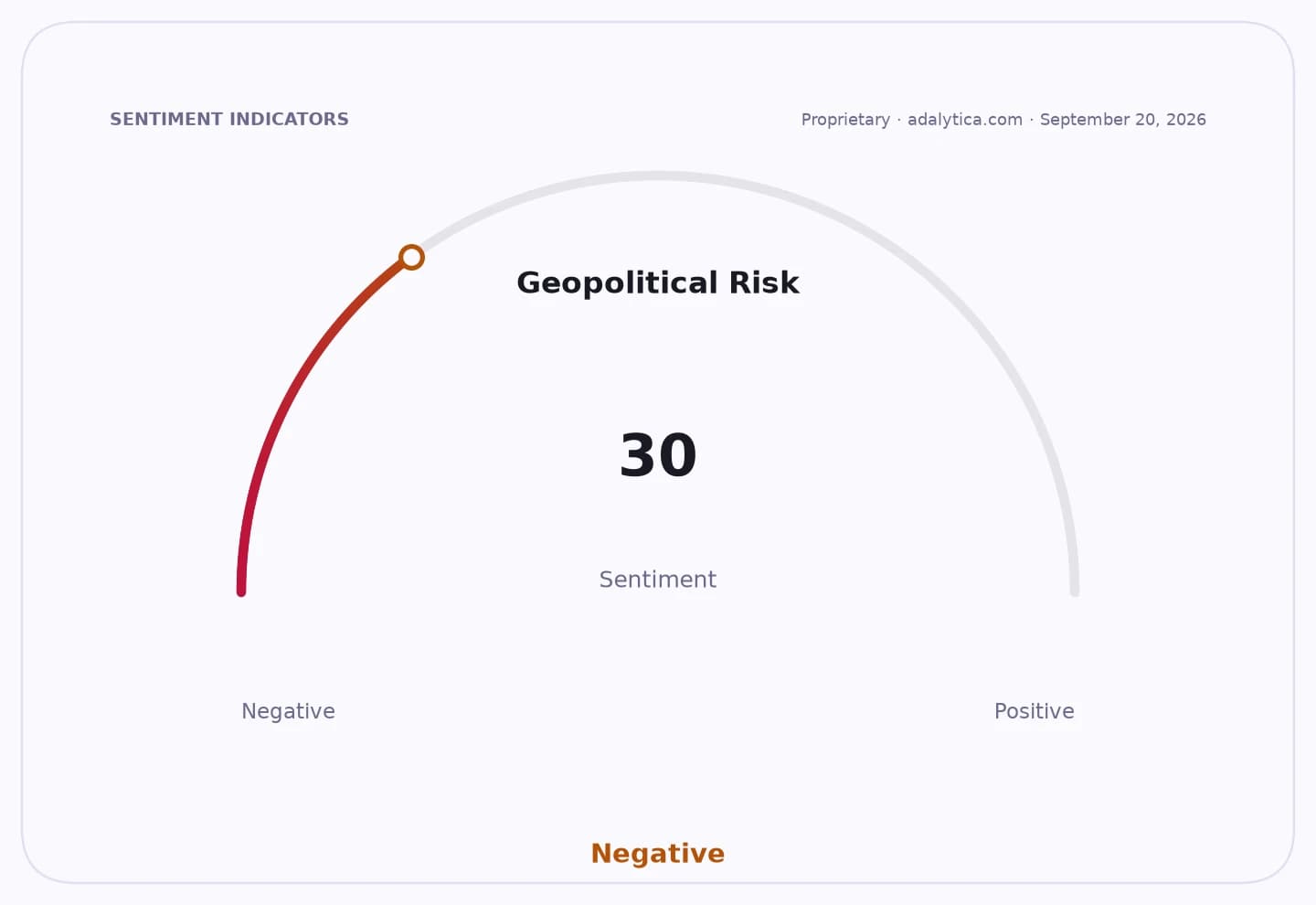
Sentiment IndicatorsⓘProprietary · adalytica.com · October 6, 2026
This is a snapshot — live sentiment, awareness and momentum for 130+ markets update continuously in the dashboard.Open AlphaPulse
The meeting in Tehran between Armenian Foreign Minister Ararat Mirzoyan and Iranian Foreign Minister Abbas Araghchi also highlighted the strategic weight both sides attach to the relationship. Armenia’s government has embedded the bilateral relationship in its 2026-2031 program, suggesting the country sees Iran not just as a neighbor but as a key energy and logistics partner. For Armenia, a landlocked economy with limited transport options, the value of alternative routes is economic resilience: lower freight bottlenecks, diversified access to markets and reduced dependence on any single corridor.
Energy is the most commercially consequential piece of the talks. The two ministers focused on completing the third power transmission line, which would improve cross-border electricity exchange and strengthen grid connectivity. That could support seasonal balancing, expand trade in power and reduce infrastructure constraints that have long capped the scale of energy cooperation. For investors, the issue is less about near-term earnings than about the direction of capital spending and the credibility of regional infrastructure pipelines that can eventually support construction, engineering and utility contracts.
The talks also fit a broader regional narrative around connectivity. Armenia and Iran discussed the benefits of unblocking transport links and revisited Armenia’s “Crossroads of Peace” initiative, which aims to open routes through the South Caucasus. Mirzoyan also briefed Araghchi on the TRIPP project, another connectivity effort that could create new transit opportunities if political conditions hold. In a region where corridors can determine trade flows, even incremental progress can change the economics of freight, customs and energy transit.
At the same time, the diplomacy sits against a more complicated geopolitical backdrop. Armenia is balancing its ties with Iran against outside pressure and wider security concerns, and the official language about countering “unfounded speculation” in the media suggests both sides are sensitive to how the relationship is being interpreted. That is important because any move by Armenia toward broader sanctions alignment or any deterioration in Iran ties could slow or derail projects that depend on political trust, financing and cross-border coordination.
For investors, the key takeaway is that the Armenia-Iran relationship remains economically relevant because it is one of the few routes through which Armenia can diversify its infrastructure and energy options. The bullish case is that concrete projects on electricity, bridges and freight could support cross-border construction activity and gradually improve logistics efficiency. The bearish case is that sanctions exposure, regional politics and financing constraints keep the corridor underdeveloped and turn strategic talk into delayed delivery.
What happens next will depend on whether the two governments can move from diplomatic alignment to execution. Progress on the power line and border bridge would be the clearest signals that this is more than a symbolic partnership and that Armenia and Iran are trying to build a durable economic corridor in a fragmented region.
| Entity | Gains | Losses |
|---|---|---|
| Armenia | ▲Better transit access | ▼Infrastructure bottlenecks |
| Iran | ▲Regional trade links | ▼Isolation from sanctions |
| Construction and utilities | ▲New project pipeline | ▼Delayed financing |
| Rival corridors | ▲Less relevance | ▼Lost freight share |