Russia is not abandoning the South Caucasus so much as losing the old rules that once made its dominance automatic.
Russia, Armenia and Georgia in South Caucasus

That is the real market-moving, geopolitically important shift in the region: Moscow still has military, trade and transport leverage in Armenia, Georgia and Azerbaijan, but each country is now dealing with Russia on its own terms. For investors, that means the South Caucasus is less a story of retreat than of recalibration — and the winners are likely to be the corridors, logistics channels, energy links and regional powers that can profit from a more multipolar map.
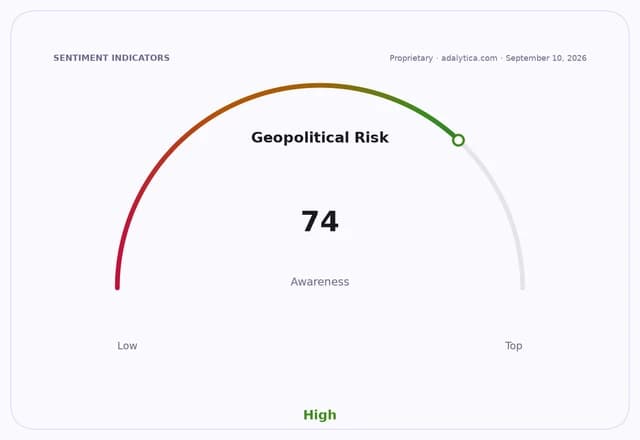
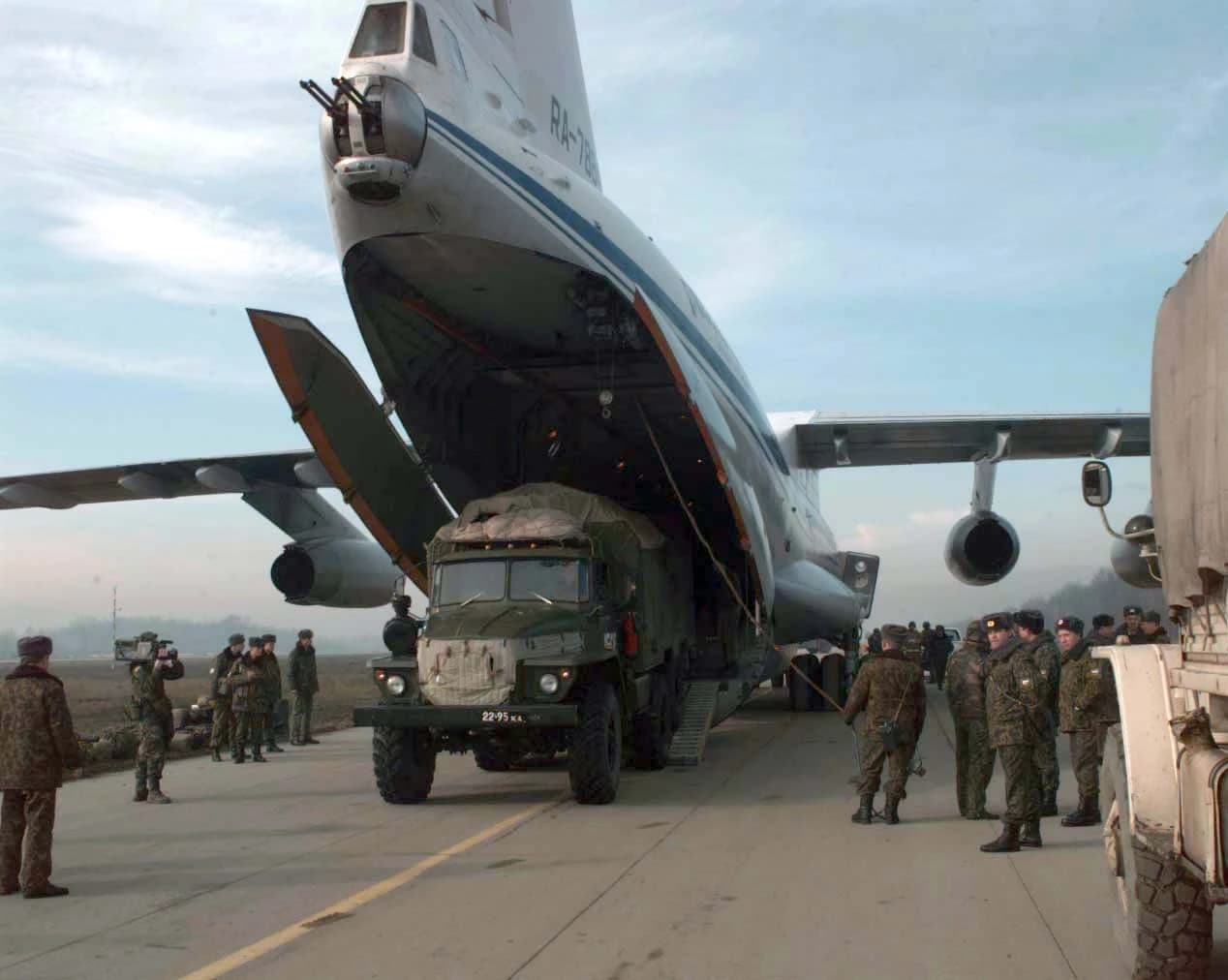
The clearest evidence came in back-to-back moves around Armenia. Vladimir Putin met Nikol Pashinyan on the sidelines of the Shanghai Cooperation Organization summit in Bishkek on Sept. 1 and stressed interest in “friendship” and strategic partnership. Two days later, Pashinyan said Yerevan no longer sees the 102nd Russian military base as vital, and that Armenia would not object if Moscow decided to withdraw it. That does not amount to a clean break. It does signal a deeper change: Armenia is trying to widen ties with the European Union, the United States and other centers of power while resisting any automatic alignment with Moscow’s security agenda.
Economically, that matters because political distance does not erase interdependence. Russia remains deeply embedded in Armenia’s trade, energy and broader economy, which means any shift in the base’s status would be symbolic before it is commercial. But symbolism matters in frontier geopolitics. A reduced Russian security footprint in Armenia would give Yerevan more room to court Western capital and institutions, while forcing Moscow to defend its influence with economics rather than hard power alone.
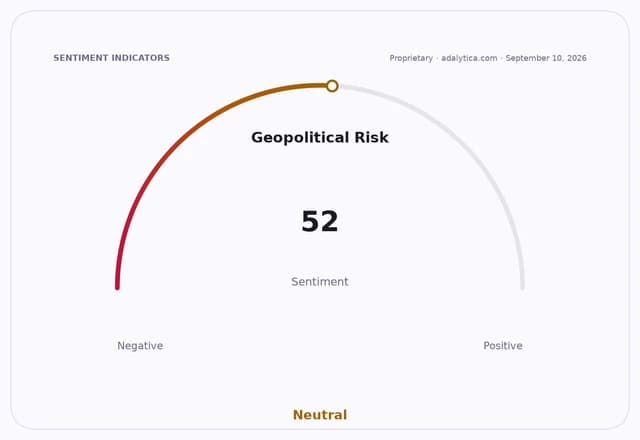
Georgia shows a different, more practical version of the same pattern. Tbilisi and Moscow have no diplomatic relations after the 2008 war, and Russia still backs the breakaway regions of Abkhazia and South Ossetia. Yet trade, transport and tourism continue. Russia accounted for 13.1% of Georgia’s imports in January-February 2026, according to GeoStat, underscoring that sanctions-era isolation has not severed the economic relationship. Georgia has stayed outside the Western sanctions regime, preserving commercial flows that give both sides a stake in keeping tensions contained.
That creates an investable takeaway: even where politics are frozen, the economic arteries remain open. For companies and funds exposed to regional logistics, border trade, ports and transit routes, Georgia’s role as a connector between Russia, Turkey and the wider Black Sea-Middle East corridor remains underappreciated.
Azerbaijan is the third and most strategically flexible model. Vladimir Putin’s Sept. 7 call with Ilham Aliyev centered on trade, economic and humanitarian cooperation and a pledge to intensify contacts. Baku is not in Russia’s alliance system and is instead building a multi-vector foreign policy that spans Turkey, Iran, China, Europe and the United States. That makes Azerbaijan less predictable diplomatically, but more valuable economically. Its centrality to the North-South transport corridor, which links Russia to Iran and onward to the Persian Gulf and Indian Ocean, gives Moscow a reason to keep working with Baku even as it loses the easy leverage of the past.
This is why the headline narrative of Russia “losing” the South Caucasus is too simplistic. Moscow is not disappearing. It is being forced to compete in a region where Turkey is stronger in Azerbaijan and Central Asia, Iran is fighting to preserve its own influence, and the EU and U.S. are building alternative political and economic channels. In other words, the region is shifting from a sphere of control to a corridor of contested access.
For investors, that is the more powerful thesis. The upside is not in betting on a single dominant power, but in positioning for the infrastructure, energy and trade infrastructure that becomes more valuable when geopolitical control fragments. North-South routes, Black Sea access, transit logistics and cross-border commerce all gain strategic premium when no one actor can dictate terms.
| Entity | Gains | Losses |
|---|---|---|
| Russia | ▲Trade leverage | ▼Monopoly influence |
| Armenia | ▲Strategic autonomy | ▼Security guarantees |
| Georgia | ▲Transit income | ▼Diplomatic normalcy |
| Azerbaijan | ▲Multi-vector leverage | ▼Reliance on one bloc |