Azerbaijan’s president said the 2020 Karabakh war victory created the conditions for the Zangezur corridor, underscoring how Baku is turning a military outcome into a longer-term push for a new regional trade and transit map.
Azerbaijan links Karabakh victory to Zangezur corridor

Ilham Aliyev made the argument in a message to participants in a fifth meeting of security council secretaries from member states of the Organization of Turkic States, framing the corridor as more than a transport link. In his telling, the war established a “new geopolitical reality” and opened a historic route that would bind countries together “economically, logistically and strategically.”
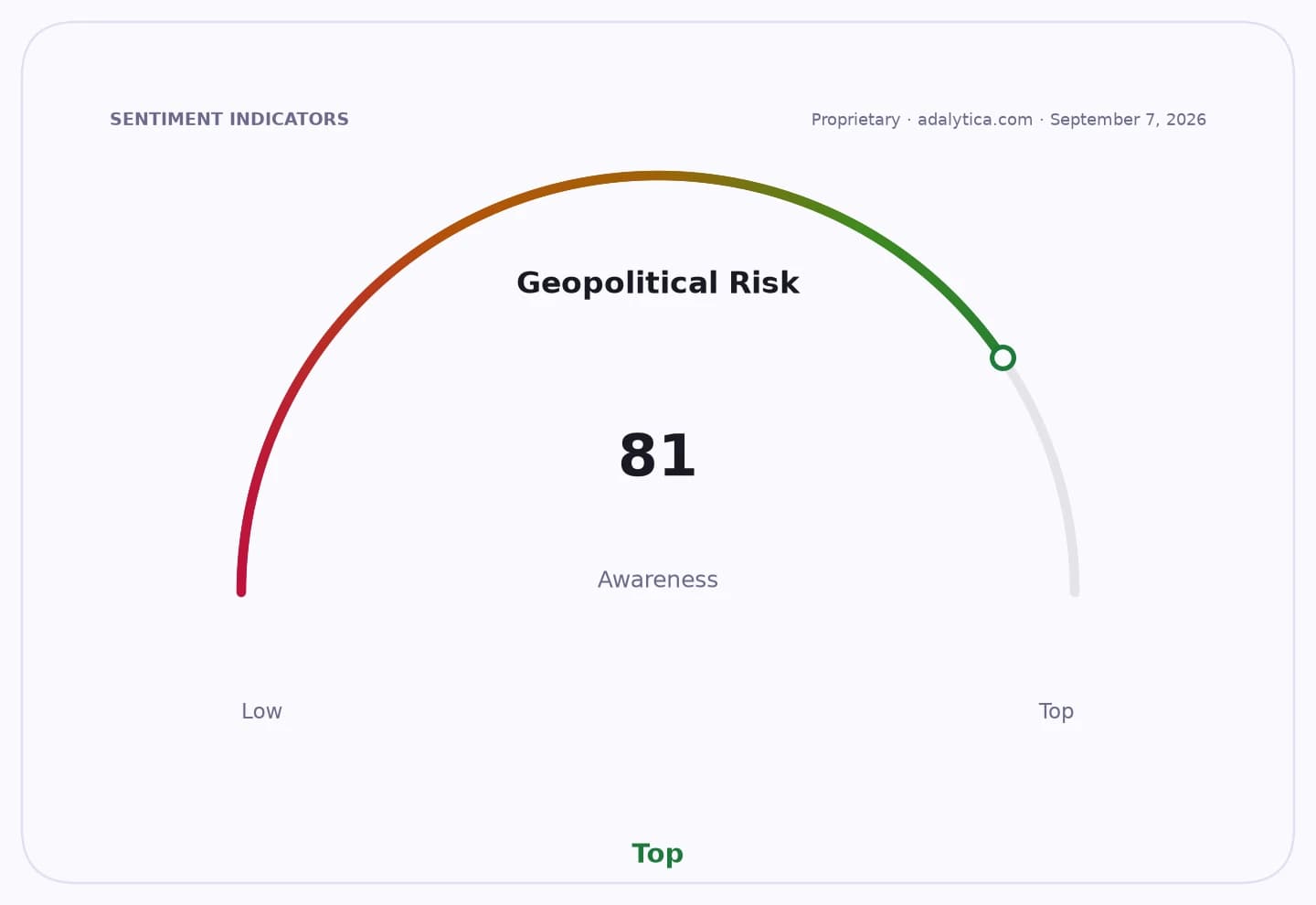
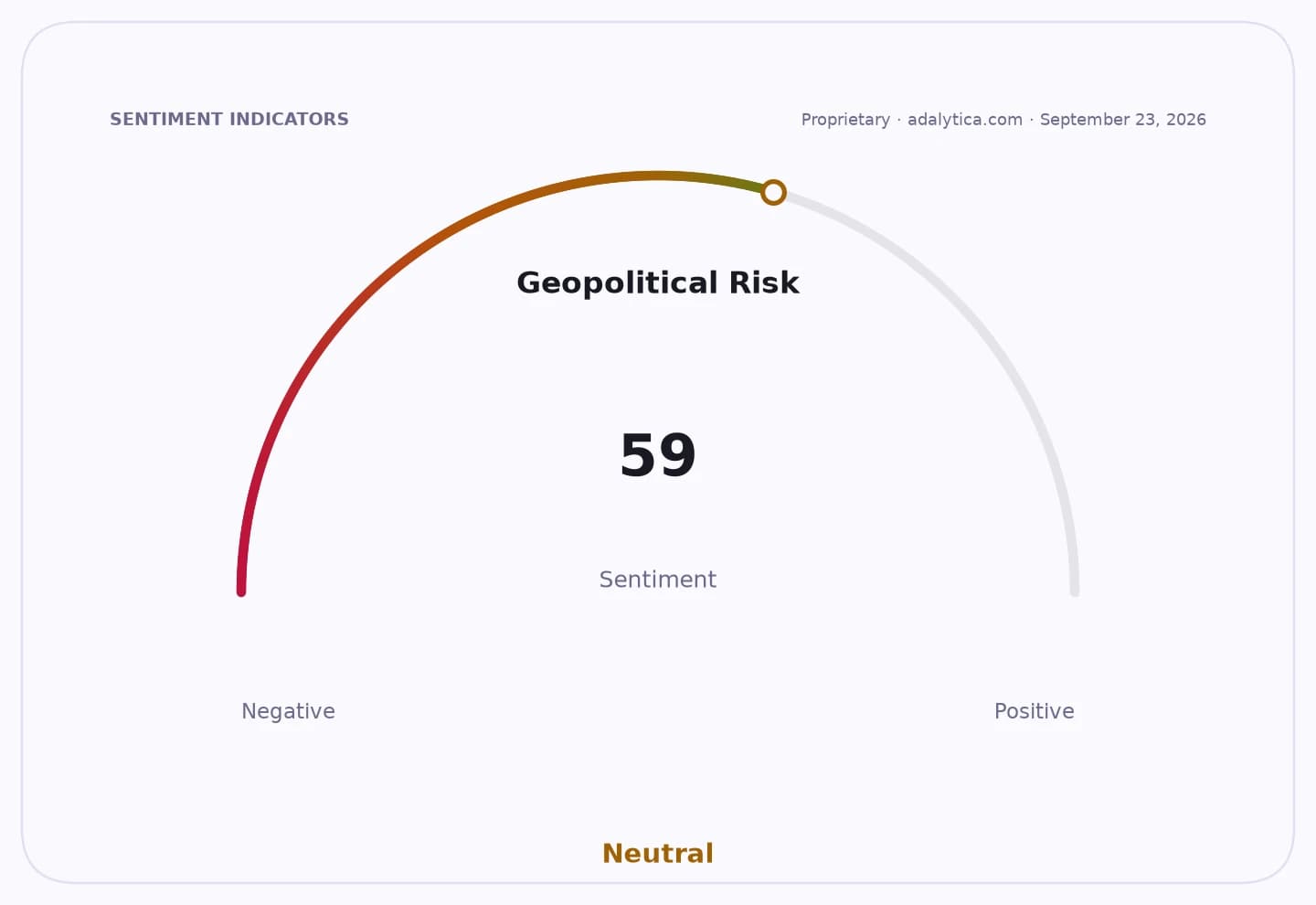
Sentiment IndicatorsⓘProprietary · adalytica.com · September 18, 2026
This is a snapshot — live sentiment, awareness and momentum for 130+ markets update continuously in the dashboard.Open AlphaPulse

That matters because the Zangezur corridor has become one of the clearest tests of whether the South Caucasus can shift from a conflict zone into a transit hub. If realized, the route would offer Azerbaijan a direct land connection to its Nakhchivan exclave and, by extension, strengthen east-west links across the Turkic world. For regional economies, the prize is lower shipping frictions, shorter transit times and greater leverage over trade flows moving between Europe and Asia.
The political sensitivity is just as important as the economic logic. Any corridor crossing southern Armenia would alter the balance of influence among Azerbaijan, Armenia, Turkey, Russia and Iran, making the project a strategic issue as much as an infrastructure one. Baku’s wording suggests it sees postwar normalization and corridor diplomacy as parts of the same agenda, not separate tracks.
Investors tend to treat such initiatives through the lens of infrastructure, logistics and energy routing. A functioning corridor could improve the economics of the broader Middle Corridor, the Caspian-backed trade route that has attracted rising attention as shippers seek alternatives to longer or more politically exposed paths. It could also support investment themes tied to rail, ports, customs modernization and warehousing across the Caucasus and Central Asia.
The counterargument is that symbolism has often run ahead of execution. Corridor projects in the region have repeatedly run into legal disputes, security concerns and disagreements over sovereignty. Until there is a durable political settlement and financing is visible, the corridor remains a strategic aspiration rather than a bankable transit asset.
Still, Aliyev’s remarks show that Baku is determined to keep the corridor at the center of regional diplomacy. For markets, the key question is whether the geopolitical narrative can be converted into operating rail and road capacity — and whether that would start to reroute trade, investment and influence across the South Caucasus.
| Entity | Gains | Losses |
|---|---|---|
| Azerbaijan | ▲Transit leverage | ▼None if project stalls |
| Armenia | ▲Potential trade access | ▼Sovereignty friction |
| Turkey and Turkic states | ▲Shorter east-west routes | ▼Dependence on stable passage |
| Competing routes | ▲Less strategic attention | ▼Possible traffic diversion |