Russia is trying to turn a worsening environmental problem in the Caspian Sea into a regional cooperation project, and that matters because falling water levels are now threatening ports, infrastructure and the broader economic lifeline of the five countries that border the inland sea.
Russia backs Caspian water cooperation plan
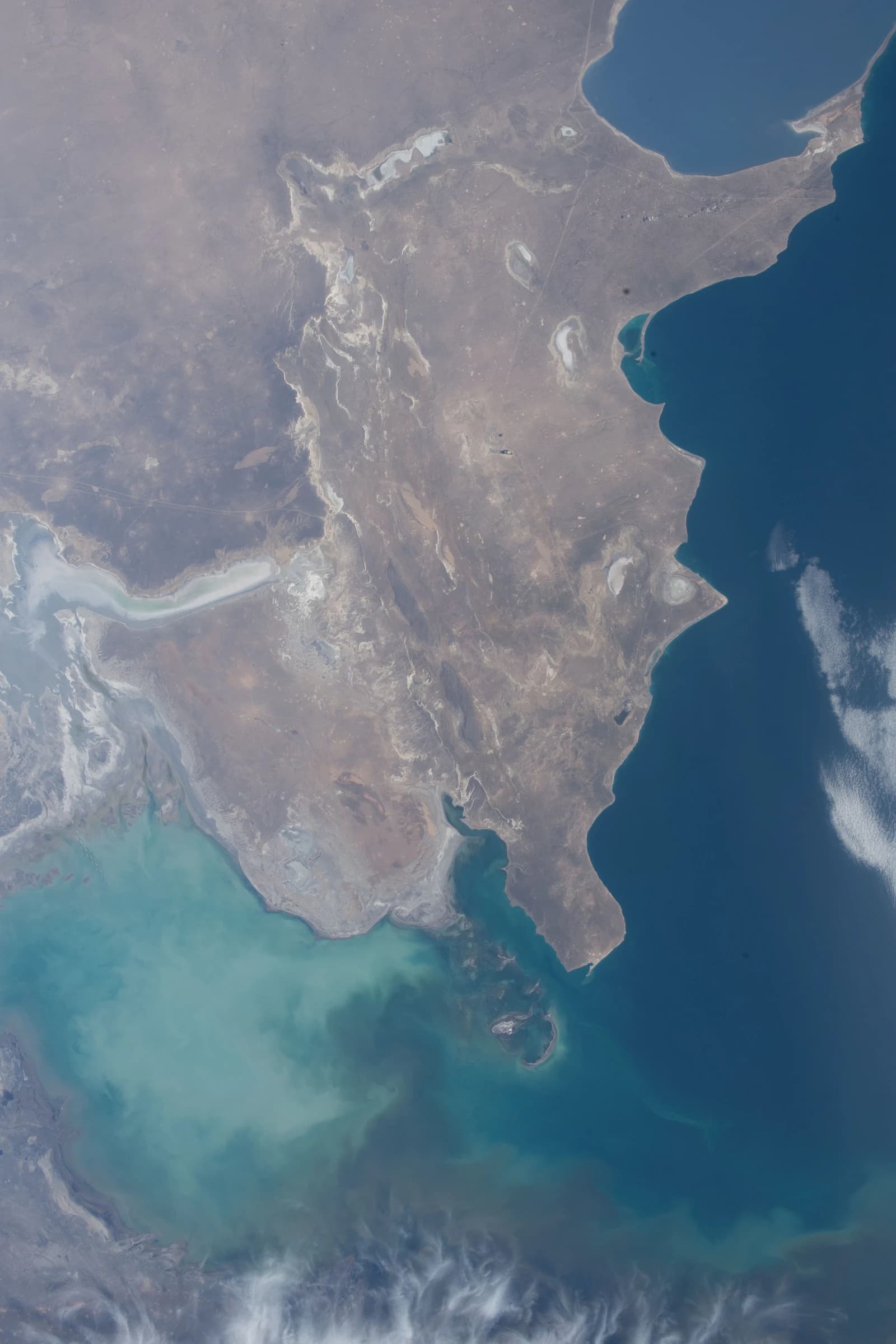
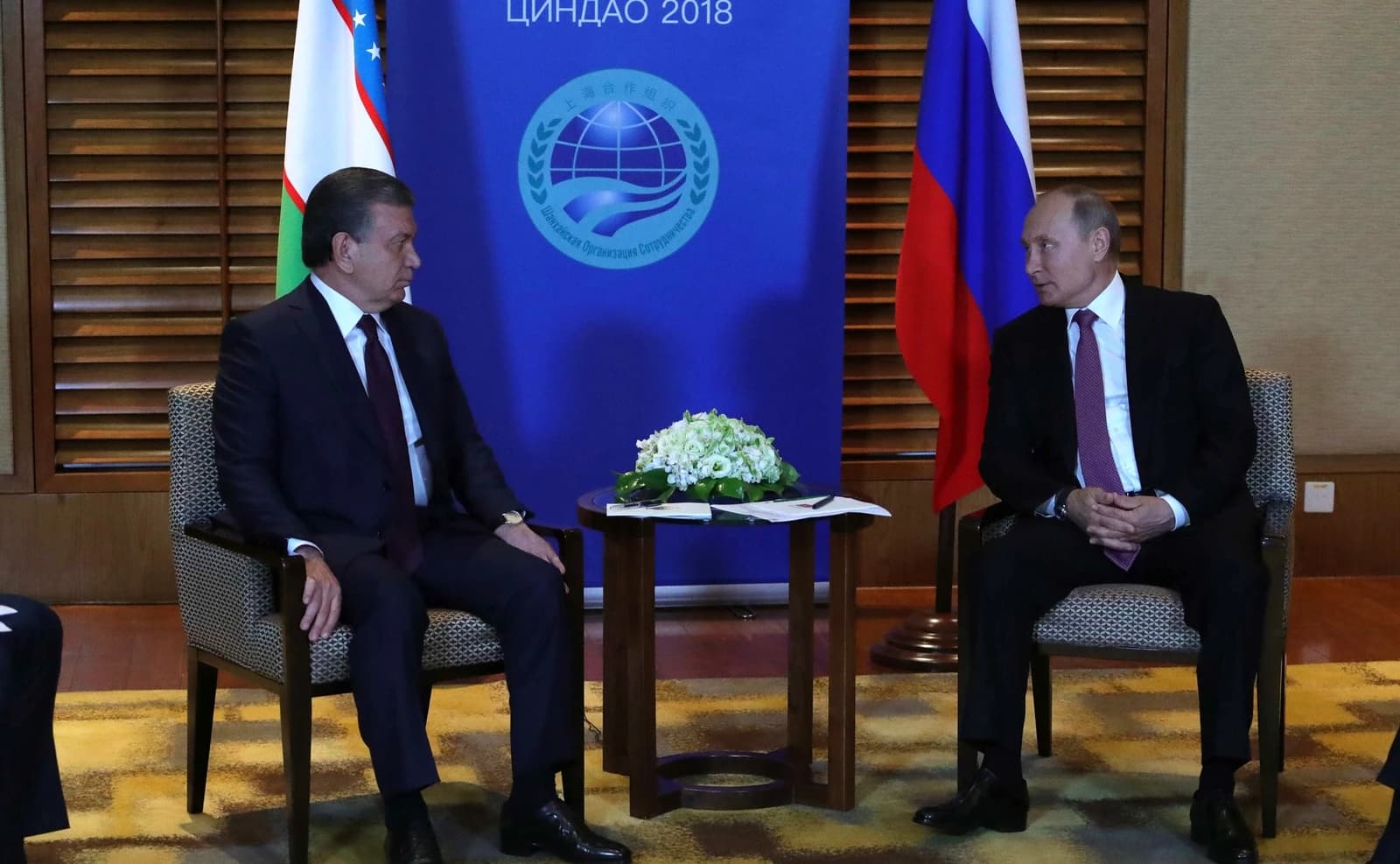
President Vladimir Putin told a Caspian environmental summit in Turkmenistan that Russia “will always” support stronger coordination to preserve the Caspian ecosystem, with a particular focus on water management, reducing losses and modernizing irrigation systems. For investors, the significance is not the rhetoric itself but the policy direction: when leaders start framing an environmental issue as a shared economic risk, it often becomes a driver of public spending, cross-border infrastructure work and technology contracts.
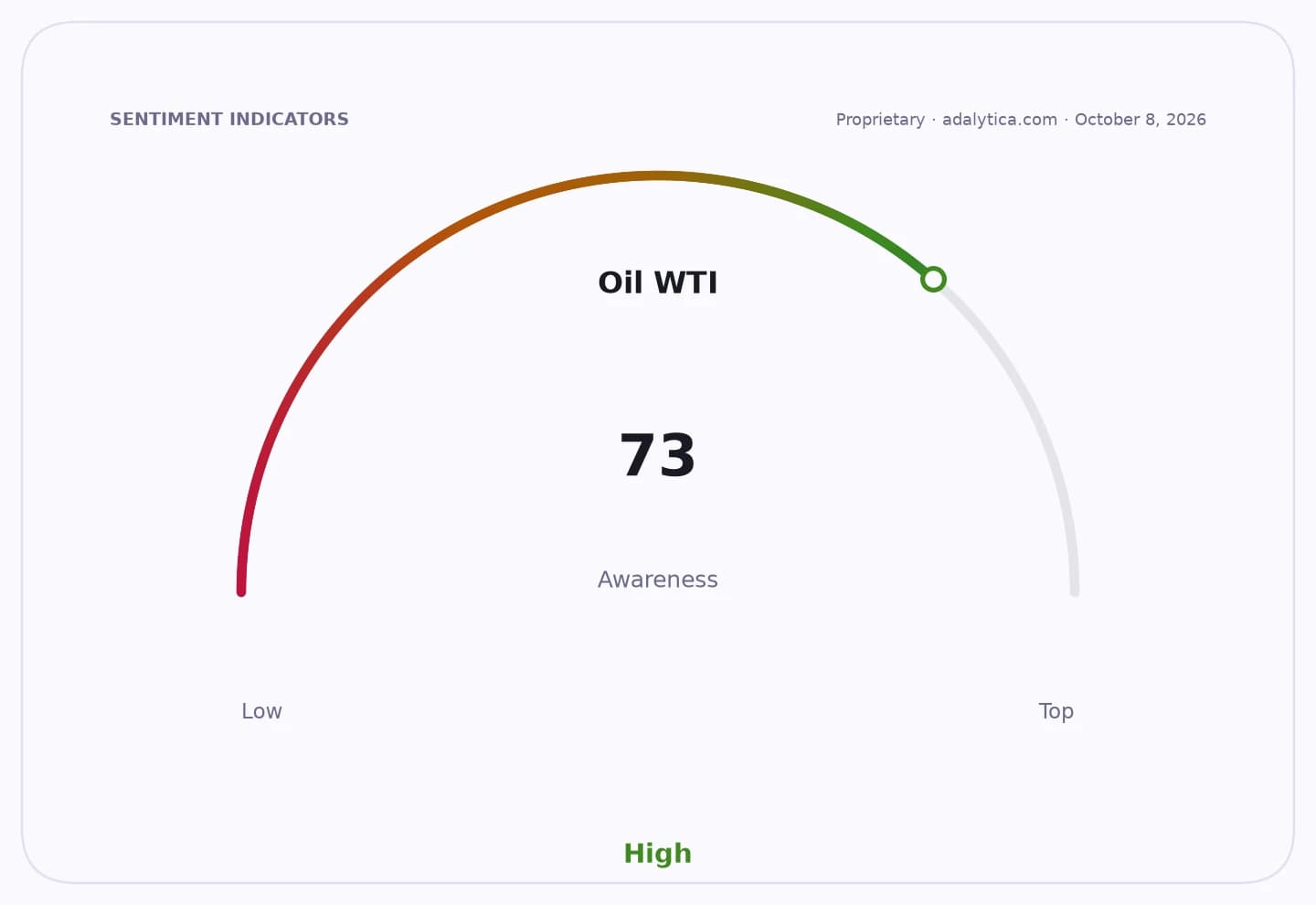
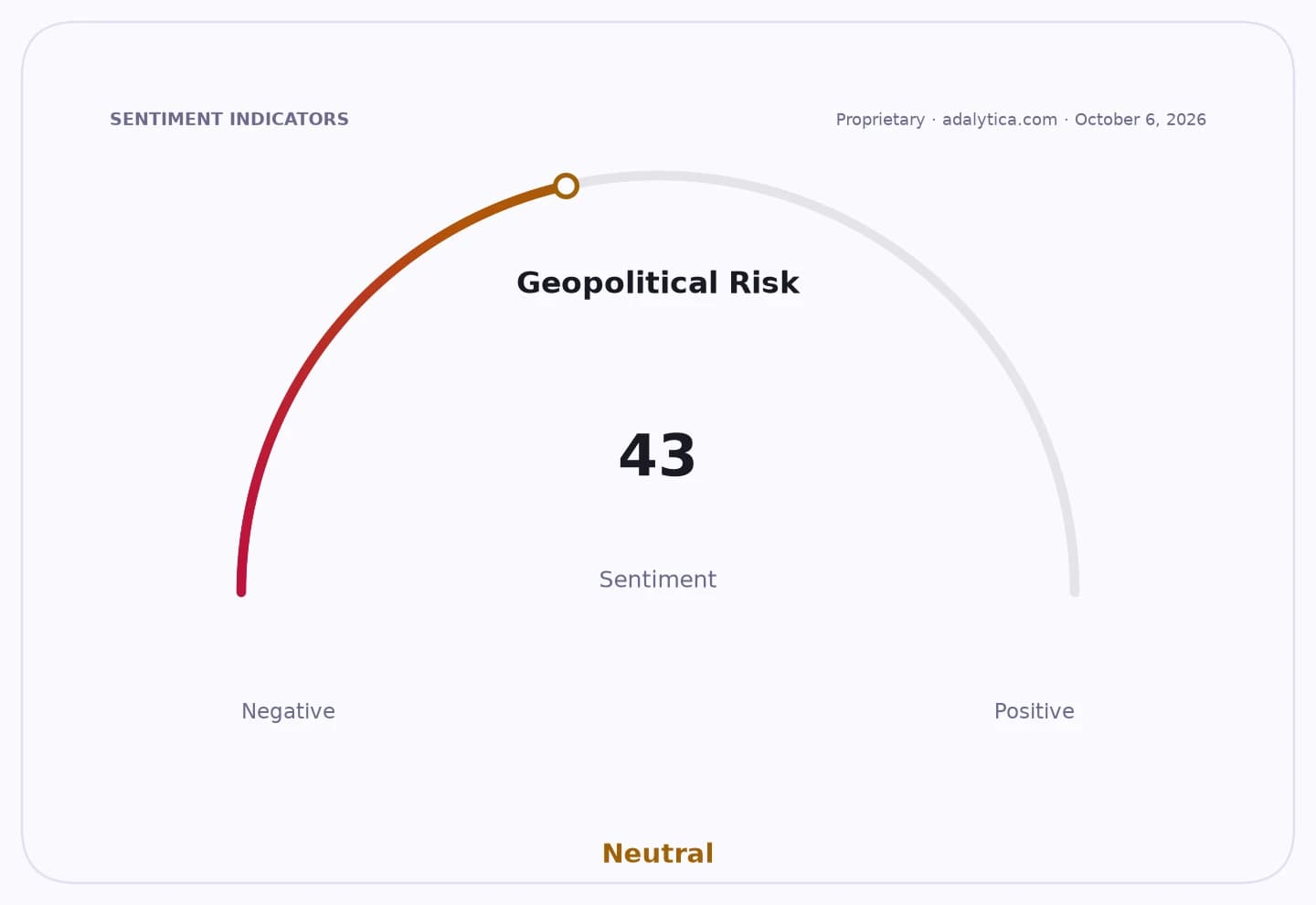
Sentiment IndicatorsⓘProprietary · adalytica.com · October 11, 2026
This is a snapshot — live sentiment, awareness and momentum for 130+ markets update continuously in the dashboard.Open AlphaPulse
That opens the door for Russian engineering, digital water-management and satellite-monitoring firms to compete for regional projects tied to canal design, irrigation upgrades and so-called smart monitoring. Putin specifically said Russian companies have the expertise needed in those areas, a reminder that environmental diplomacy can quickly spill into industrial policy and procurement.
The urgency is coming from Azerbaijan, whose president, Ilham Aliyev, called for a permanent mechanism to fight the Caspian’s shallowing and warned the drop in sea level could have “catastrophic” consequences. He said the surface area has shrunk by more than 20,000 square kilometers, a change that is already complicating port operations and coastal infrastructure. In economic terms, that is not a distant ecological concern; it is a logistics problem, a trade problem and eventually a capital-expenditure problem for governments and businesses around the basin.
That is why the summit matters beyond environmental symbolism. The Caspian is central to energy exports, shipping routes and coastal industrial activity, so any sustained decline in water levels can raise costs, disrupt transport and force new investment in dredging, ports and water systems. A joint declaration on environmental cooperation is expected, and if it leads to permanent coordination, it could mark the start of a long buildout in regional infrastructure spending.
For investors, the direct market angle is selective rather than broad. Energy producers and shippers with assets around the Caspian face more operational risk if navigation becomes more difficult or if governments impose new adaptation requirements. At the same time, firms tied to water engineering, infrastructure, remote sensing and environmental monitoring could see fresh demand as governments look for practical fixes instead of political slogans.
The bigger lesson is that climate stress in strategically important regions can create both strain and opportunity. The Caspian’s retreat may be a warning about regional stability, but it is also the kind of problem that tends to generate contracts, state-backed investment and longer-term demand for industrial solutions. Investors should watch whether today’s summit produces real coordination, because if it does, the winners will be the companies able to help governments measure, manage and eventually slow the damage.
| Entity | Gains | Losses |
|---|---|---|
| Russian water-tech firms | ▲New regional contracts | ▼Slow policy follow-through |
| Caspian ports and shippers | ▲Clearer coordination | ▼Shallowing waterways |
| Coastal governments | ▲Shared infrastructure agenda | ▼Higher adaptation costs |
| Energy operators in the basin | ▲Potential state support | ▼Operational disruption |