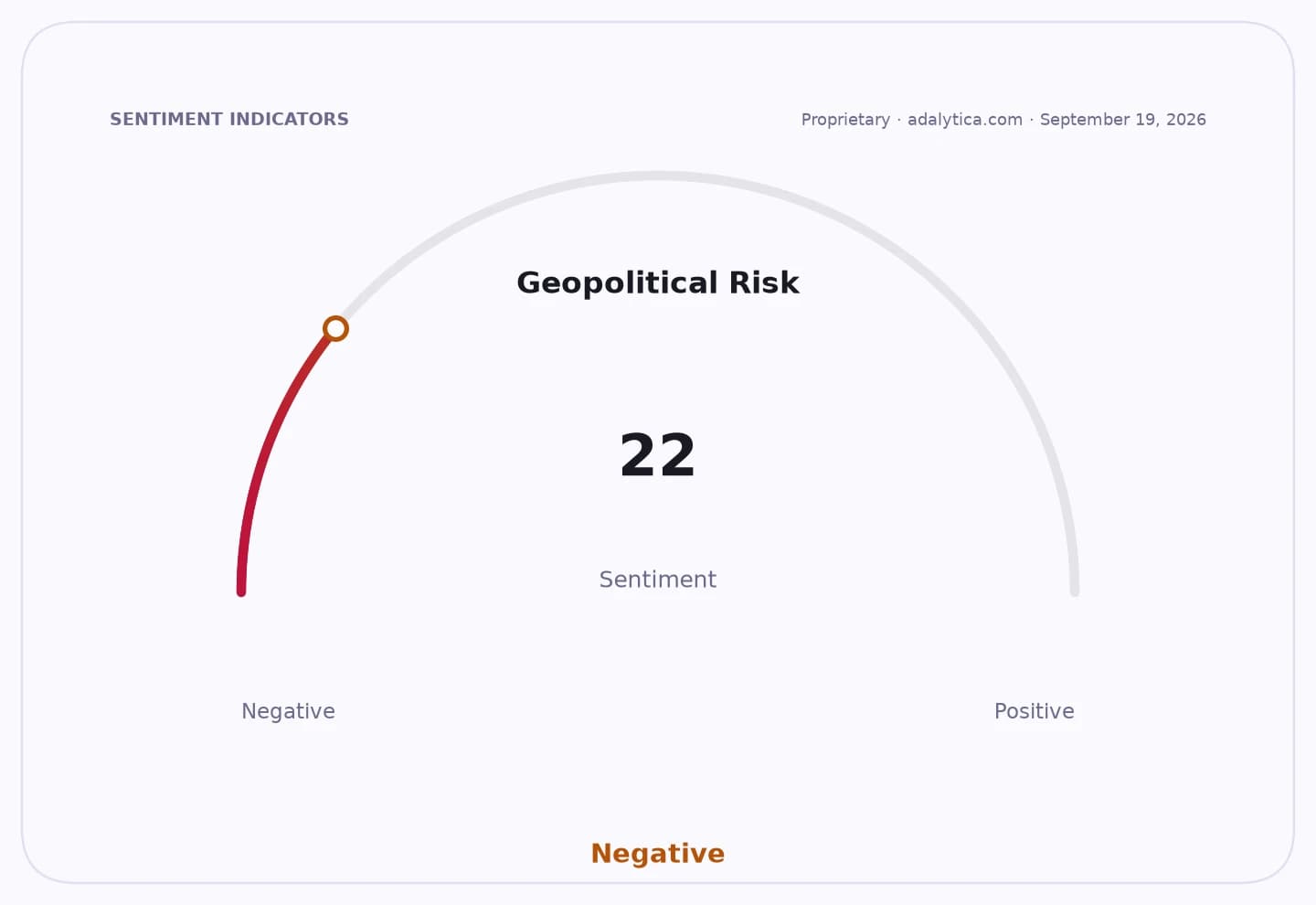
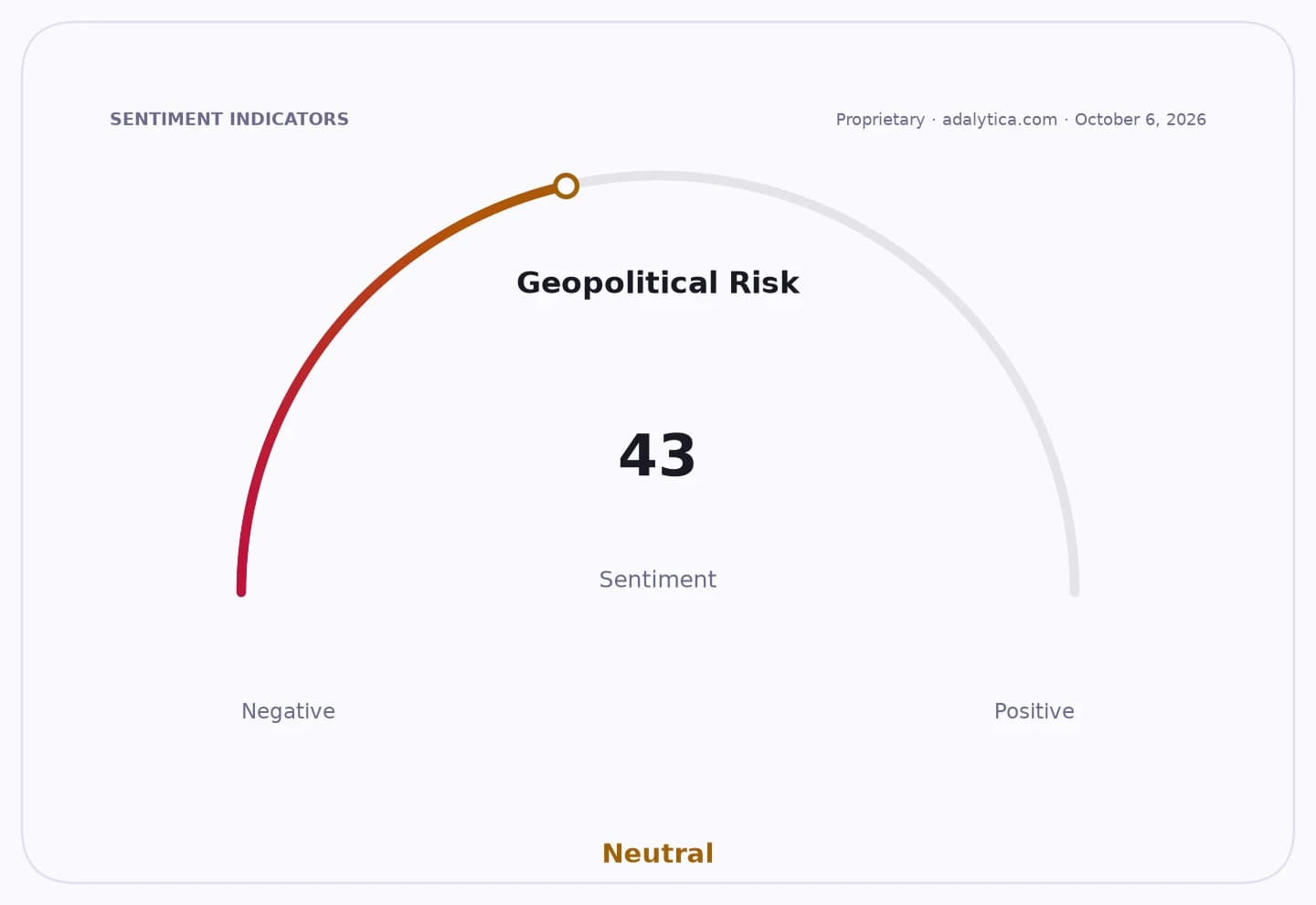
Turkey’s first seismic survey ship has started oil and natural gas exploration off Trabzon in the Eastern Black Sea, a step that could eventually reshape the country’s domestic energy balance and the investment case for offshore producers and service firms.
Turkey Black Sea seismic survey starts off Trabzon
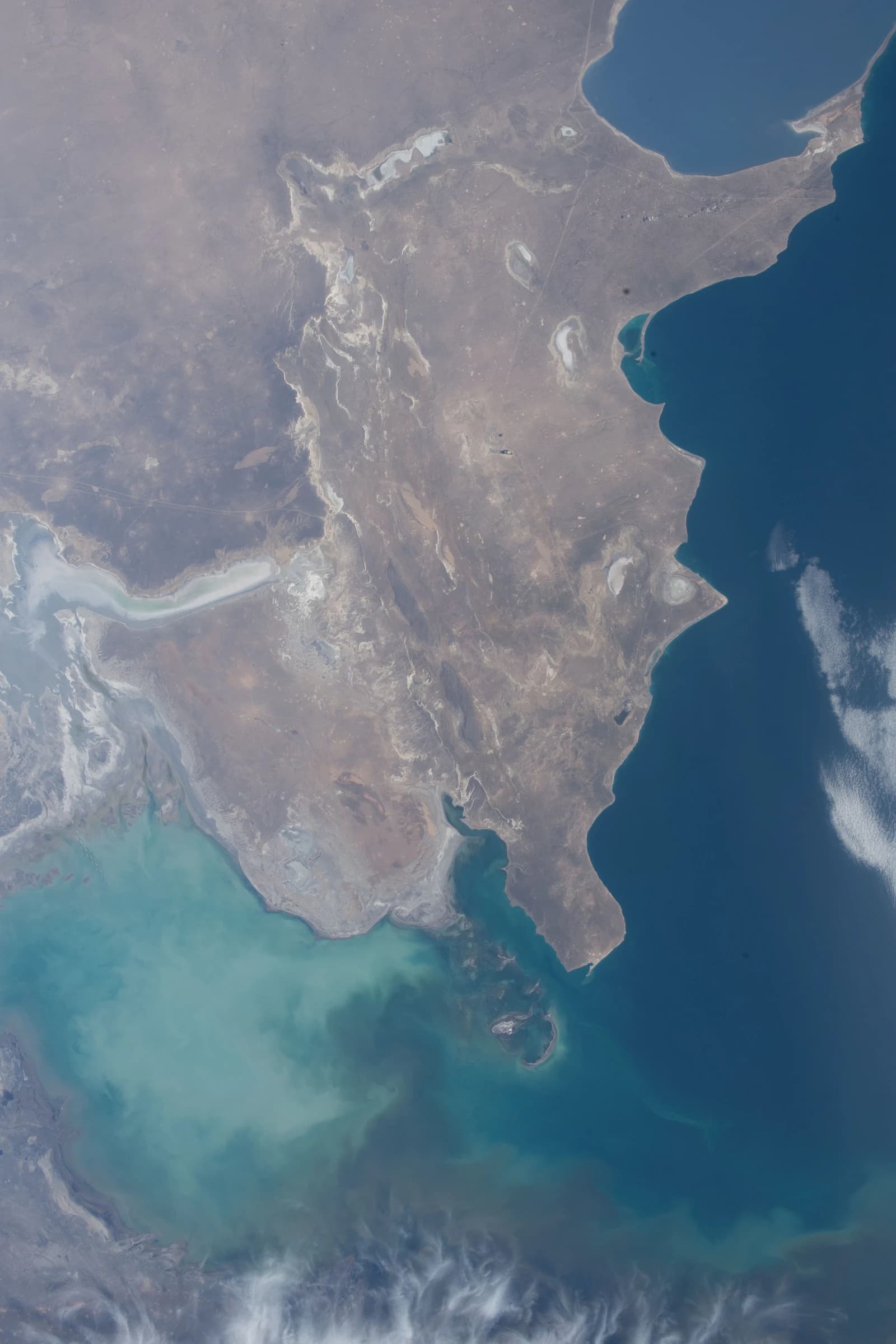
The Barbaros Hayreddin Paşa, operating under state energy company TPAO, has moved from the western Black Sea to Trabzon waters and begun collecting seismic data on the seabed’s geological structure. The work is designed to map potential hydrocarbon resources, with the next phase planned between Tirebolu and Rize from October 2026 through June 2027. In the long run, successful drilling would matter far beyond Turkey’s northeast coast: any meaningful domestic gas or oil discovery would reduce import dependence, support the current account and improve the country’s energy security.
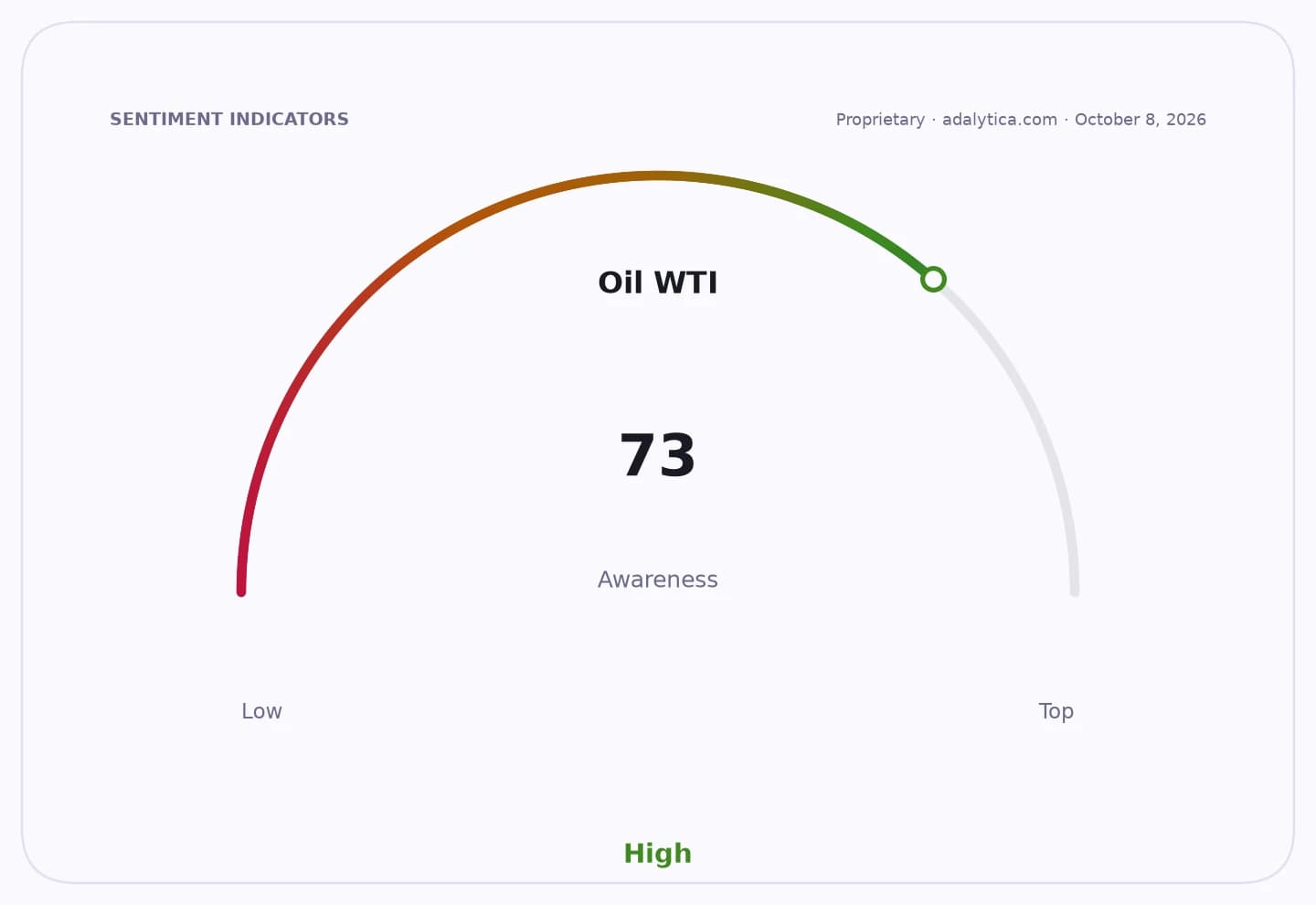
Sentiment IndicatorsⓘProprietary · adalytica.com · October 8, 2026
This is a snapshot — live sentiment, awareness and momentum for 130+ markets update continuously in the dashboard.Open AlphaPulse
For now, the market significance is less about barrels than about optionality. Turkey remains heavily exposed to imported crude and gas, so even the search itself can alter expectations for future supply, regional infrastructure and state-backed spending. That matters to investors because exploration campaigns tend to lift demand for survey, drilling and subsea services long before any commercial production arrives. It also keeps the Black Sea on the radar of international oilfield contractors and equipment suppliers, especially at a time when global upstream spending has been firm enough to support the sector.
The immediate local issue is access. The survey vessel will tow six cables stretching about 8.7 kilometers behind it, creating a working spread wide enough to limit maneuverability. Turkish authorities have warned fishing vessels to stay at least six nautical miles away from the ship and its equipment, and local cooperatives say near-shore operations could disrupt fishing grounds if the work moves closer to the coast. For now, officials say the first phase is taking place about 70 to 80 miles offshore, which should reduce conflict with fishing activity.
That balance matters politically as well as economically. Coastal communities want the promise of energy development without sacrificing a working fishery, and the government will want the project to move without a public backlash. If the survey leads to a drilling program, the payoff could be material for Turkey’s long-term energy bill and for companies with exposure to offshore exploration. If it comes up dry, the episode still reinforces a broader trend: governments in energy-importing countries are still searching aggressively for domestic supply, and investors are being rewarded for backing that search rather than waiting for certainty.
For long-term investors, the key takeaway is simple: this is early-stage exploration, not a production story yet. But early-stage exploration is where the biggest optionality sits. If Turkey’s Black Sea campaign keeps advancing, it is worth watching for the businesses that benefit from more seismic work, drilling activity and offshore services, while keeping an eye on the trade-off with local industries that may absorb the costs first.
| Entity | Gains | Losses |
|---|---|---|
| TPAO / Turkey | ▲Energy optionality | ▼Exploration costs |
| Offshore service firms | ▲More contract demand | ▼Project risk |
| Local fishermen | ▲Offshore access now | ▼Near-shore disruption |
| Turkey’s import bill | ▲Potential future relief | ▼Status quo if dry holes |