Egypt has signed a new exploration agreement with Chevron for the Lotus offshore block in the Mediterranean, betting fresh foreign capital and deepwater drilling can help lift local oil and gas output and support its energy balance.
Egypt signs Chevron Lotus offshore exploration deal
The deal, worth a minimum $88 million, covers two exploratory wells and reprocessing of three-dimensional seismic data in a frontier area about 200 kilometers off Egypt’s coast, where water depths range from 2,000 to 2,800 meters. For Cairo, the agreement is less about a single block than about drawing multinational drillers back into a basin that could still deliver new gas volumes at a time when domestic production and import needs remain politically and economically sensitive.
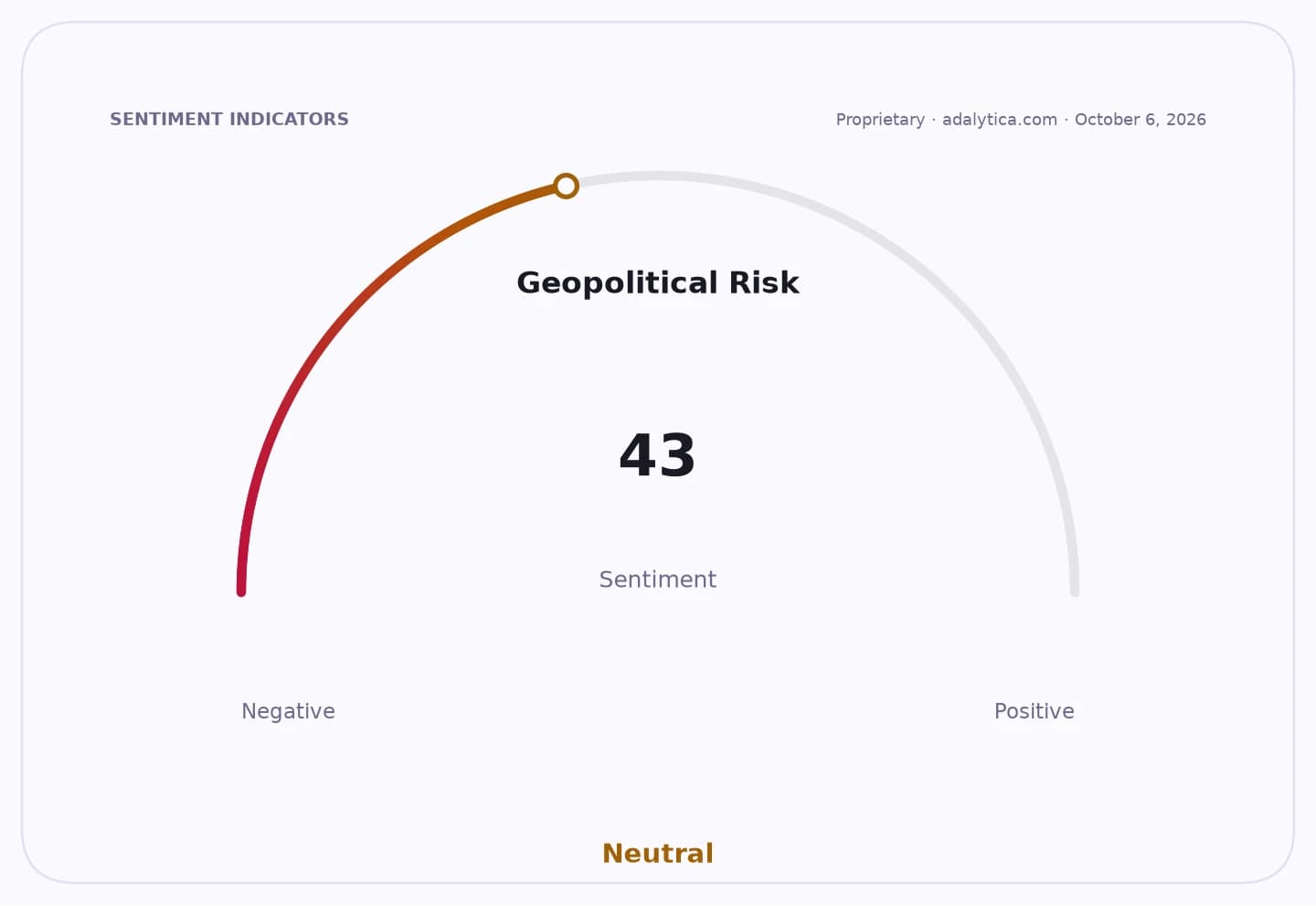
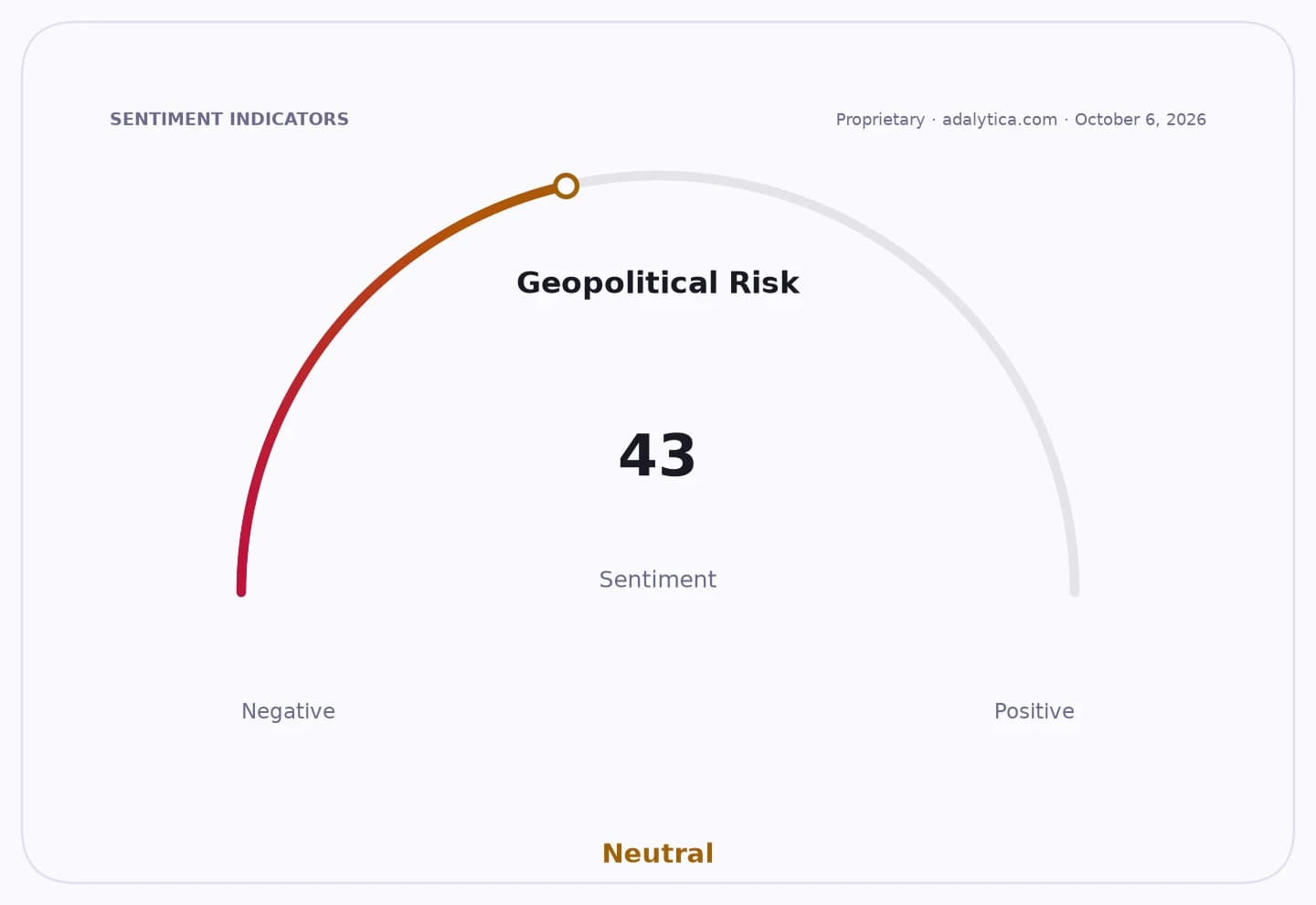
Sentiment IndicatorsⓘProprietary · adalytica.com · October 6, 2026
This is a snapshot — live sentiment, awareness and momentum for 130+ markets update continuously in the dashboard.Open AlphaPulse
Minister of Petroleum Karim Badawi said expanding the exploration map is central to the ministry’s strategy to raise local production, while also highlighting recent steps to pay arrears to foreign partners as a key factor in restoring confidence. That is important for investors because delayed payments had weighed on activity across Egypt’s upstream sector; clearing those obligations can unlock more drilling, faster field development and a wider pipeline of investment decisions.
Chevron is already active in six Mediterranean offshore areas in Egypt, including Nargis, North Dabaa, Lotus, North West Atoll, North Simian and North Cleopatra with Shell. The company has also seen encouraging exploration signs in the basin, including the Nargis gas discovery and more recently promising crude indications from the Filox well in North Cleopatra, giving it a stronger case to keep allocating capital to Egyptian acreage.
The timing also matters against the backdrop of heightened eastern Mediterranean energy tensions, where rival claims and survey activity have added geopolitical risk to offshore development plans. That raises the value of any successful Egyptian discovery, both as a supply source and as leverage for Cairo in a region where gas assets, pipeline routes and maritime control remain tightly linked.
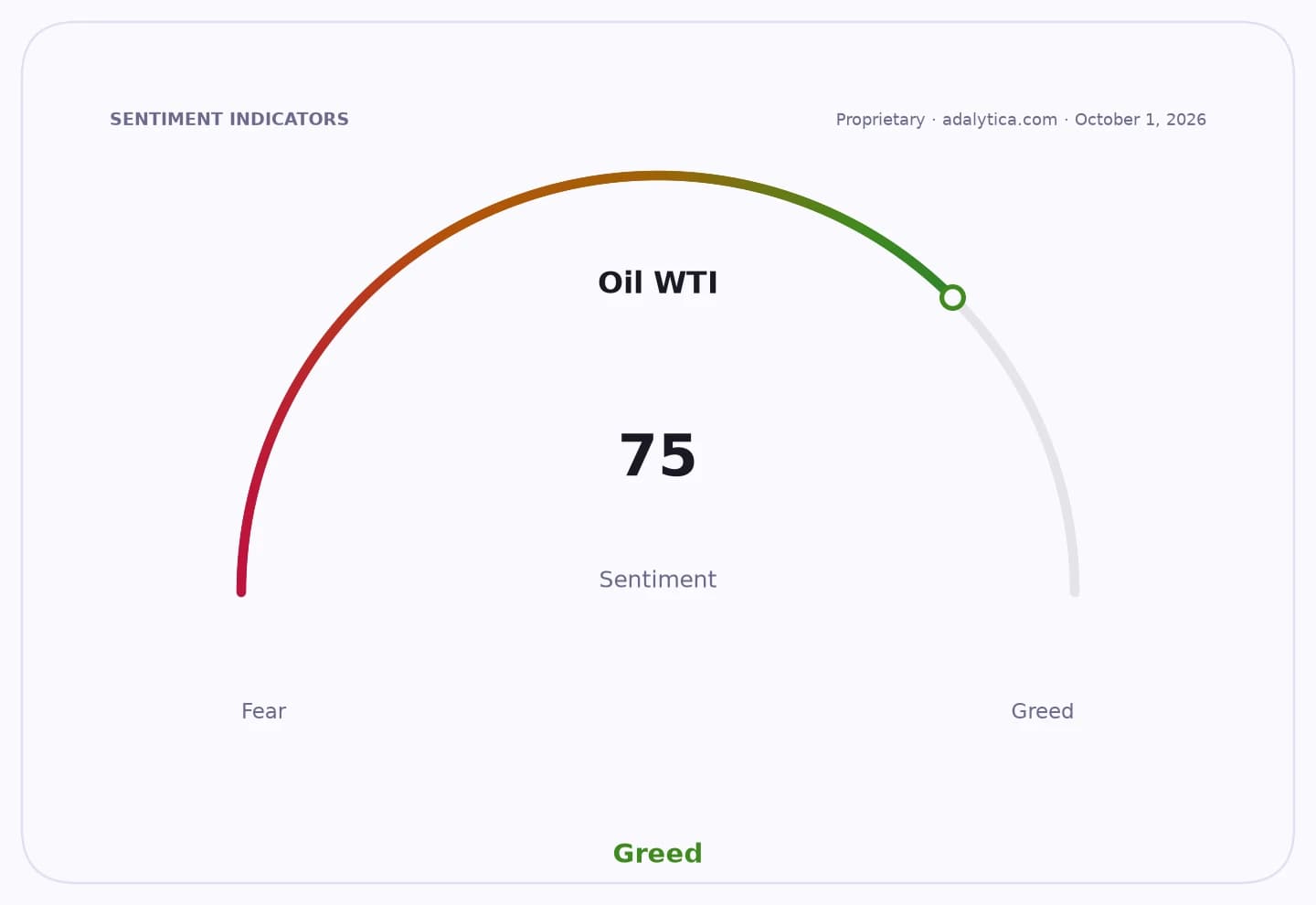
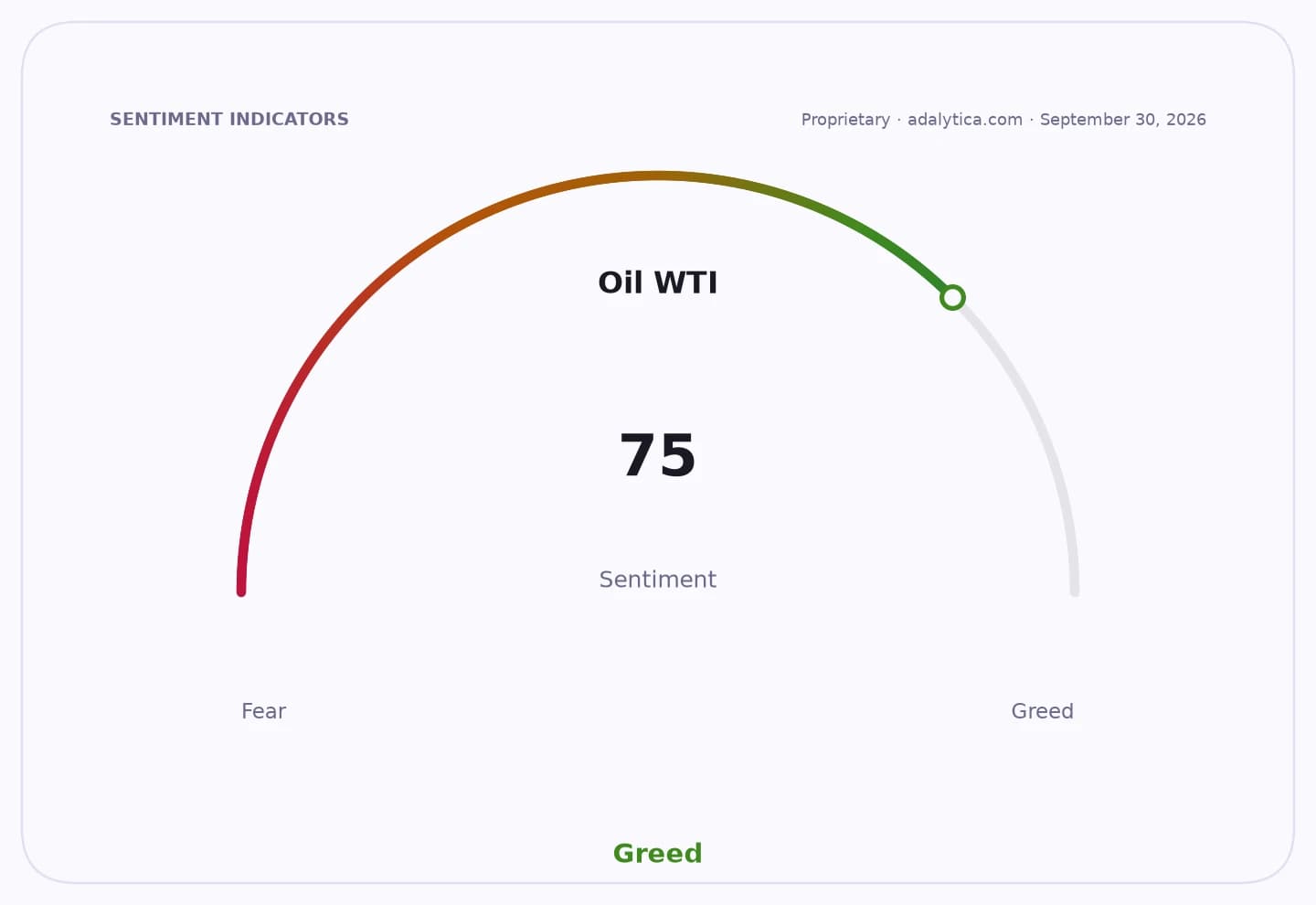
Oil prices were little changed to firmer in recent trading, with Brent and U.S. crude still near levels that keep offshore exploration economics relevant for majors with long-term capital budgets. Chevron and other international producers will now be watching for drilling results from Lotus, as well as whether Egypt can keep improving payment discipline and opening new acreage to sustain a broader exploration cycle.
| Entity | Gains | Losses |
|---|---|---|
| Egypt / EGAS | ▲More investment and potential output | ▼Higher reliance on imports if drilling disappoints |
| Chevron | ▲New frontier acreage and upside from discoveries | ▼Capital at risk in deepwater exploration |
| Domestic gas market | ▲Better supply prospects | ▼Continued pressure if finds are delayed |
| Regional rivals / claimants | ▲Little direct gain | ▼More competition over eastern Mediterranean energy assets |