Chevron is taking the next concrete step in building a long-term energy position in Greece, with offshore seismic surveys planned by the end of 2026 across four deepwater blocks that could eventually hold commercially viable oil and gas. For investors, the significance is bigger than a single exploration campaign: it expands Chevron’s footprint in the Eastern Mediterranean, reinforces Greece’s bid to become a more important energy hub, and keeps the company exposed to one of the world’s few remaining underexplored hydrocarbon frontiers.
Chevron Greece Offshore Seismic Surveys by 2026
The work is still early-stage, but that is precisely why it matters. Seismic studies are the gateway to any future drilling decision, helping Chevron and Helleniq Energy map geology before committing capital to test wells. The planned program covers blocks south of Crete, south of the Peloponnese and in the Ionian Sea, spanning about 47,000 square kilometers. Chevron already bought a 70% stake in an offshore block southwest of the Ionian from Helleniq Energy earlier this year, while a Chevron-led consortium also secured exclusive gas exploration leases in three other deepwater areas.
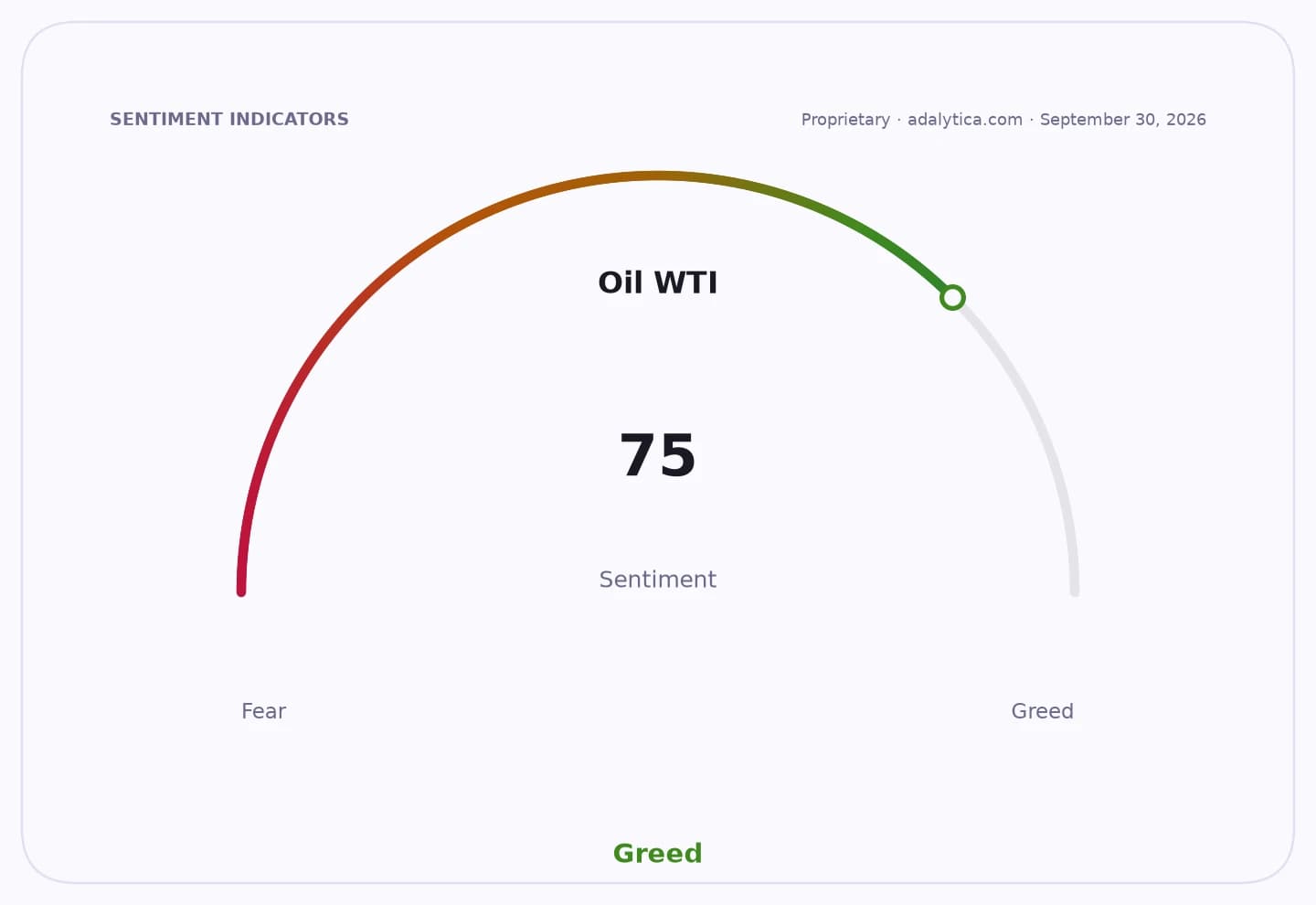
Sentiment IndicatorsⓘProprietary · adalytica.com · September 30, 2026
This is a snapshot — live sentiment, awareness and momentum for 130+ markets update continuously in the dashboard.Open AlphaPulse
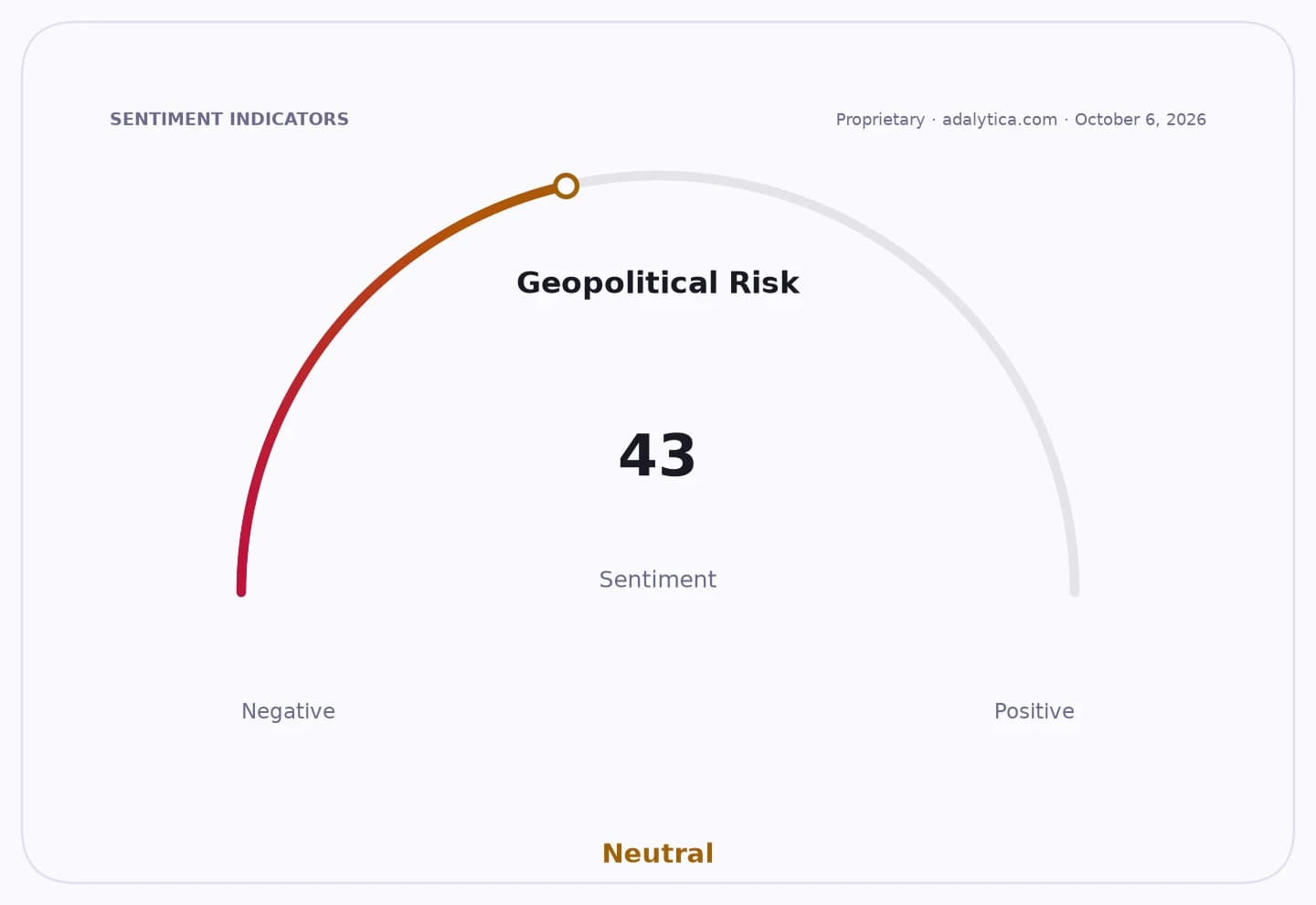
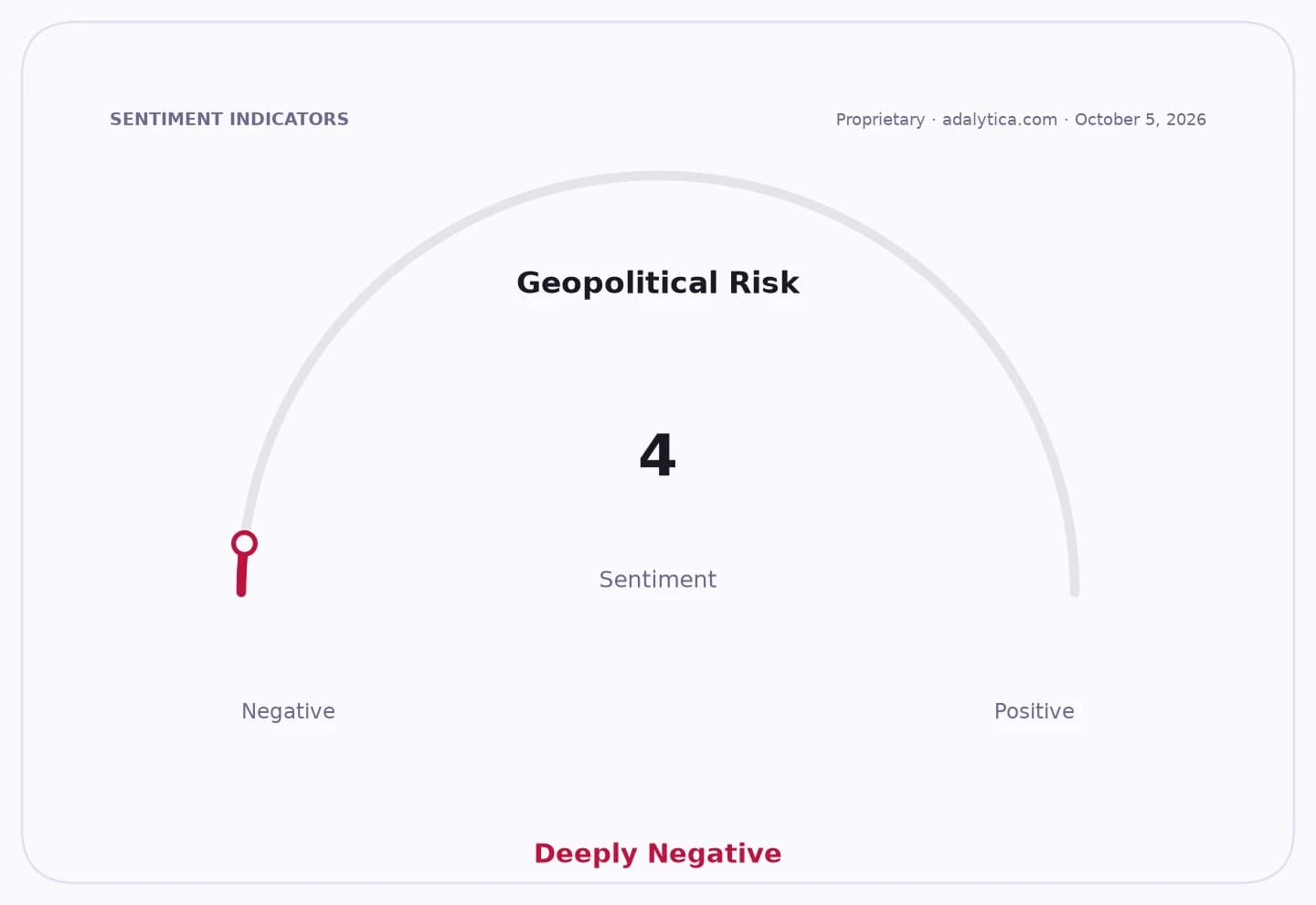
That gives Chevron a meaningful position in a region where geopolitical importance and energy economics overlap. Greece sits near Europe, the Middle East and North Africa, which makes offshore development there more than a domestic industry story. Any discovery would support European supply diversification at a time when the continent still values new non-Russian energy sources, while also bolstering Athens’ effort to raise its profile in Eastern Mediterranean energy markets. The Greek government is clearly treating this as a strategic opportunity, not just a licensing exercise.
For Chevron, the attraction is obvious: a bigger exploration portfolio without immediate production commitments. The company has active gas fields in Israel and interests in Egypt and Cyprus, so Greece extends an already established Eastern Mediterranean platform. That matters for a major oil company trying to replenish its reserve base while balancing capital discipline. It also fits Chevron’s broader push to keep growing its oil and gas business even as it hedges into new energies elsewhere.
The market backdrop helps explain the timing. Oil prices remain elevated enough to keep frontier exploration attractive, while Chevron’s stock has been trading well above both its 50-day and 200-day moving averages, suggesting investors still reward the company’s scale and cash-generation model. Energy shares more broadly have also been supported by a firmer crude backdrop. For long-term holders, the key point is that discoveries do not happen every year, but access to promising acreage can be a durable source of value when the geology works.
There are still real risks. Seismic data can disappoint, permits can slip and political sensitivities in the Eastern Mediterranean can complicate development. And even if the surveys are encouraging, commercial production would be years away. But that is also why the story is worth following as a patient investor: Chevron is planting a flag in a strategically located basin with optionality that could pay off over a multi-year horizon.
For now, the move looks less like a trading catalyst and more like another disciplined step in Chevron’s reserve-building strategy. Investors who think in years, not weeks, should keep Greece on the watchlist.
| Entity | Gains | Losses |
|---|---|---|
| Chevron | ▲Bigger Eastern Mediterranean footprint | ▼Near-term capital outlay |
| Greece | ▲Energy investment and strategic relevance | ▼Exposure to project delays |
| Helleniq Energy | ▲Partnership value and project activity | ▼Smaller direct control |
| Competitors | ▲— | ▼Less access to prime acreage |