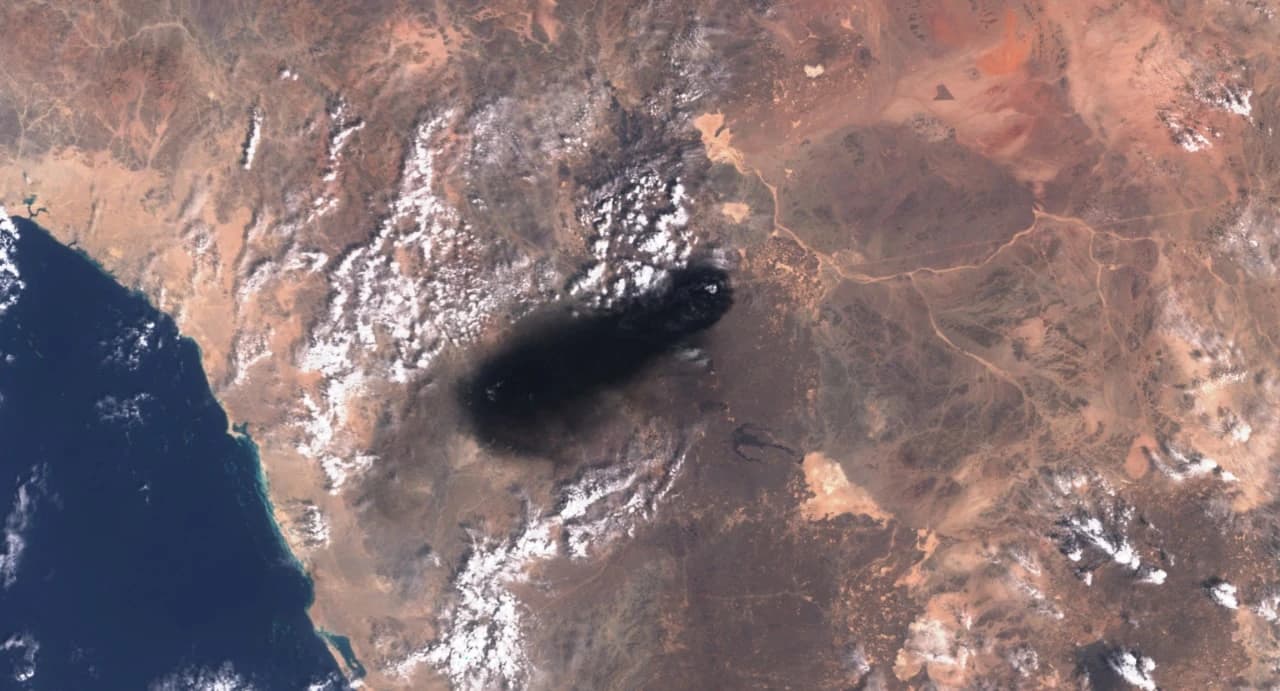
A mix of spill risk, methane leakage and underwater damage in the Gulf is keeping a fresh environmental overhang on the U.S. oil patch just as crude prices and energy shares remain sensitive to supply shocks.
Chevron and Exxon Face Gulf Spill Risk

The immediate market consequence is not a broad collapse in output, but a higher risk premium for the largest Gulf operators and their service chains. Chevron and Exxon Mobil were trading above their 50-day and 200-day moving averages in the latest session, showing that investors are still willing to pay for upstream cash flow, yet the recent pullback in Exxon’s shares and the softer tone in Chevron suggest the market is not ignoring operational and regulatory risk.
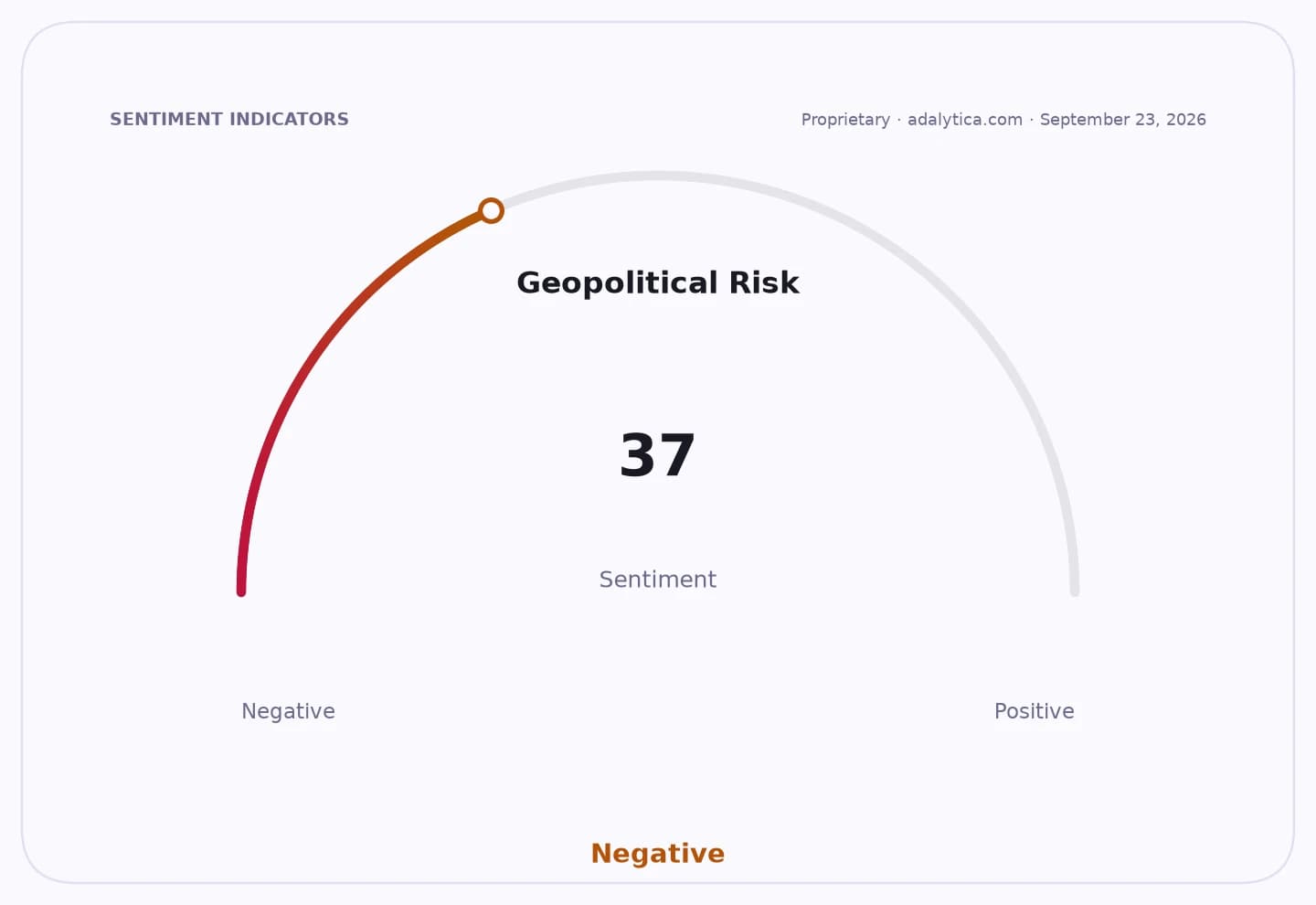
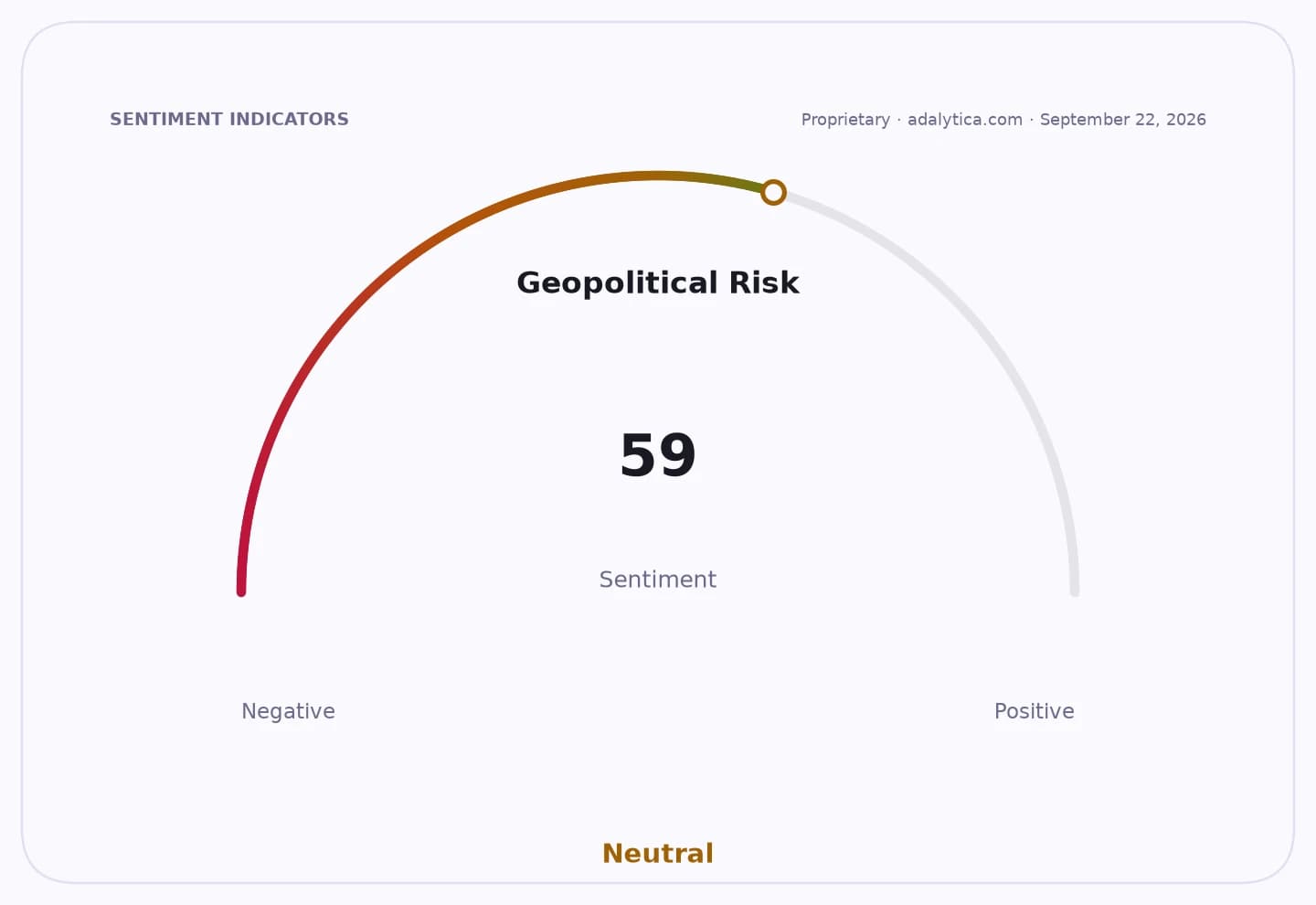
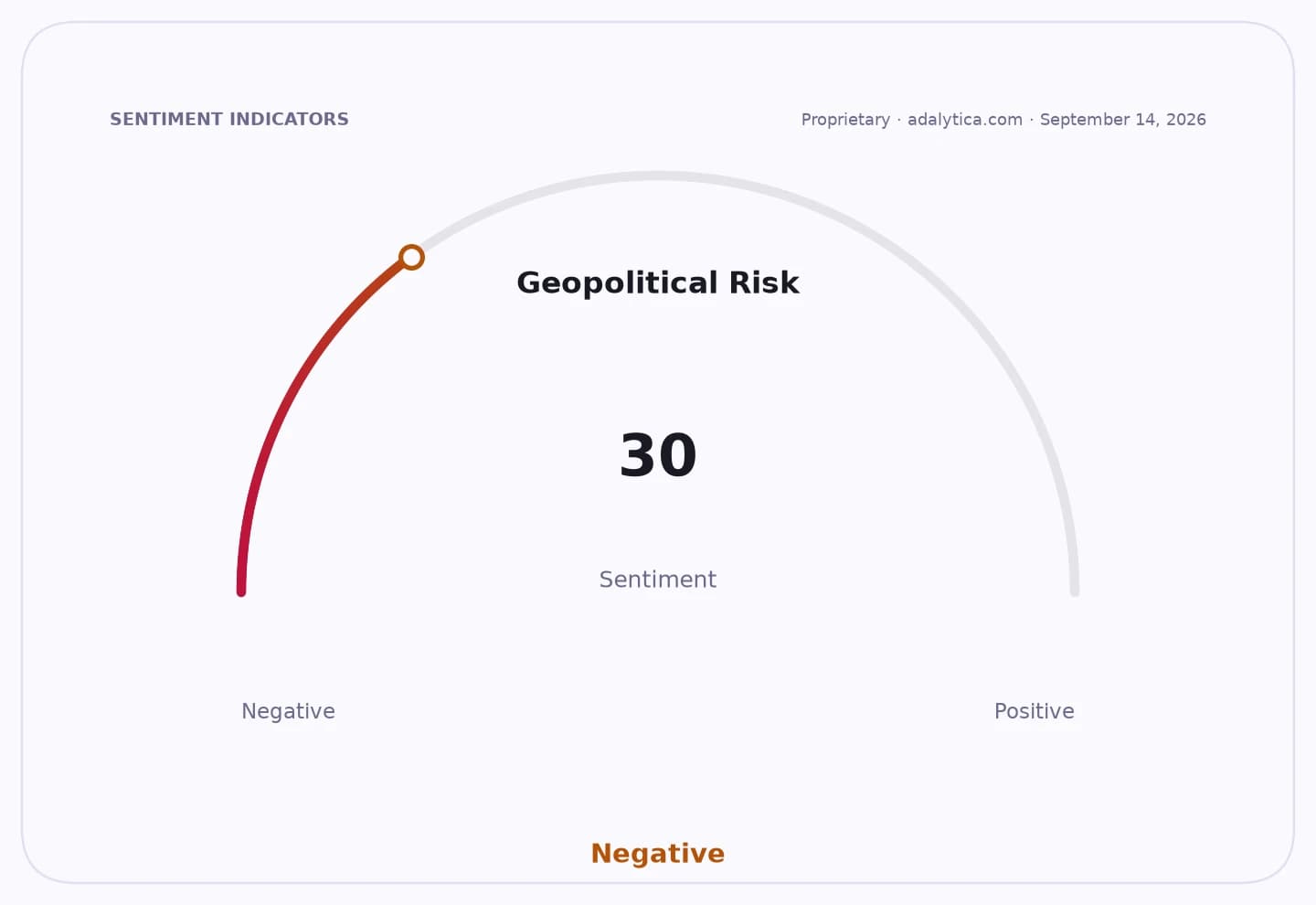
Sentiment IndicatorsⓘProprietary · adalytica.com · September 6, 2026
This is a snapshot — live sentiment, awareness and momentum for 130+ markets update continuously in the dashboard.Open AlphaPulse
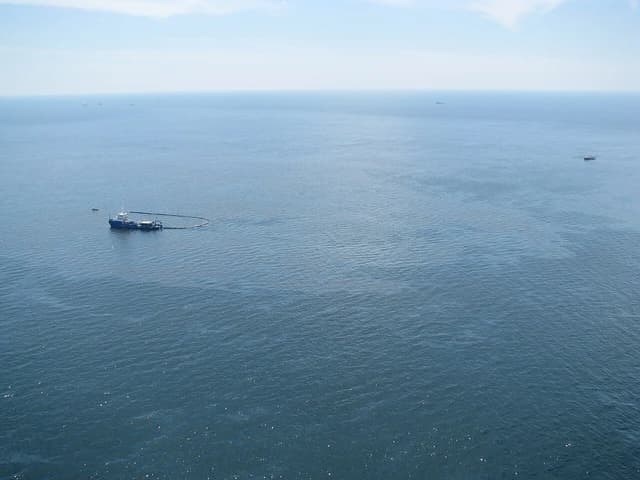
Oil itself remains the key transmission channel. Brent-equivalent U.S. crude pricing has been volatile, with West Texas Intermediate climbing from the high $80s to above $90 a barrel in recent sessions, a reminder that any Gulf disruption can quickly feed into supply expectations. That matters because the Gulf of Mexico is still a core source of U.S. offshore production, and any spill response, methane repair work or seabed remediation can slow new drilling, raise costs and tighten near-term barrels.
Methane leaks are particularly important because they are no longer treated as a secondary compliance issue. They directly affect emissions intensity, potential carbon liabilities and, increasingly, access to capital. Chevron’s latest filing highlights climate-related strategy and the financial impact of environmental proceedings, while Exxon’s disclosures continue to emphasize technology and project execution as essential to maintaining reserves and production. For investors, that means environmental incidents are not just headline risk; they can alter operating expense assumptions, delay project cash flow and pressure returns on capital.

The Gulf-floor angle also matters because damage to subsea infrastructure can be expensive and slow to fix. Repair work can involve well shut-ins, inspection campaigns and equipment replacement, all of which can constrain output even when the broader oil market is firm. That is why shares in Chevron and Exxon have remained closely tied to production discipline and operational reliability rather than just crude prices. BP, another major Gulf player, has also traded with elevated volatility in the past year, reflecting how quickly investor sentiment shifts when environmental or operational issues move to the fore.
The bigger narrative is that oil producers are being asked to do two difficult things at once: maintain supply in a market that still rewards barrels, while also proving they can contain leaks, limit methane emissions and avoid costly offshore incidents. That tension is likely to stay live as regulators tighten scrutiny and as investors demand both higher cash returns and better environmental performance.
For traders, the near-term question is whether the latest Gulf developments become a contained maintenance issue or a broader operational setback. If spill response and methane repairs remain localized, the impact should stay company-specific. If inspections widen or subsea damage proves deeper than expected, the risk would be slower Gulf output, higher service costs and another leg of volatility in oil-linked equities.
| Entity | Gains | Losses |
|---|---|---|
| Oil producers | ▲Higher prices from supply risk | ▼Cleanup and repair costs |
| Chevron | ▲Relative cash-flow support from crude | ▼Spill and methane liability |
| Exxon Mobil | ▲Stronger upstream pricing | ▼Operational and regulatory scrutiny |
| Gulf service firms | ▲More inspection and repair work | ▼Project delays and shutdowns |