The market’s immediate message from Vienna is simple: the world has lost visibility into Iran’s nuclear program, and that raises the odds of a geopolitical shock that can still move oil, defense and safe-haven assets in a hurry.
Iran nuclear inspection gap raises oil risk premium

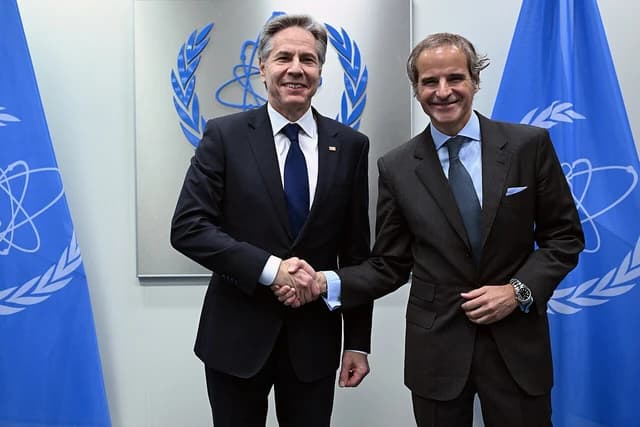
IAEA chief Rafael Grossi said the agency has received no information from Iran on the status of declared nuclear material or facilities during the current reporting period and has not been allowed access for verification at any of those sites. For investors, that is not a procedural footnote. It means the inspection regime meant to provide early warning on Iran’s nuclear inventory is effectively blind at a time when the region is already one miscalculation away from another spike in crude prices.
Sentiment IndicatorsⓘProprietary · adalytica.com · September 7, 2026
This is a snapshot — live sentiment, awareness and momentum for 130+ markets update continuously in the dashboard.Open AlphaPulse
That matters economically because Iran sits at the center of a supply-risk premium the market never fully prices until it has to. Brent-linked exposure has already shown how quickly crude can reprice when the Middle East turns volatile, and USO’s recent surge underscores that oil traders are still willing to pay up for geopolitical hedge value. When verification breaks down, the probability of sanctions escalation, military retaliation or covert disruption rises, and that pushes up energy costs, freight costs and inflation risk far beyond the Gulf.
Grossi’s warning also matters because it shifts the burden back onto diplomacy at a moment when diplomacy looks increasingly fragile. He said Iran still has obligations under the Non-Proliferation Treaty and must provide information on damage to nuclear facilities and uranium inventories, adding that Tehran’s message has been that it will not cooperate until broader political talks produce an agreement. That posture increases the chance of the issue being pushed toward the UN Security Council, which would harden lines further and make any near-term de-escalation harder to engineer.
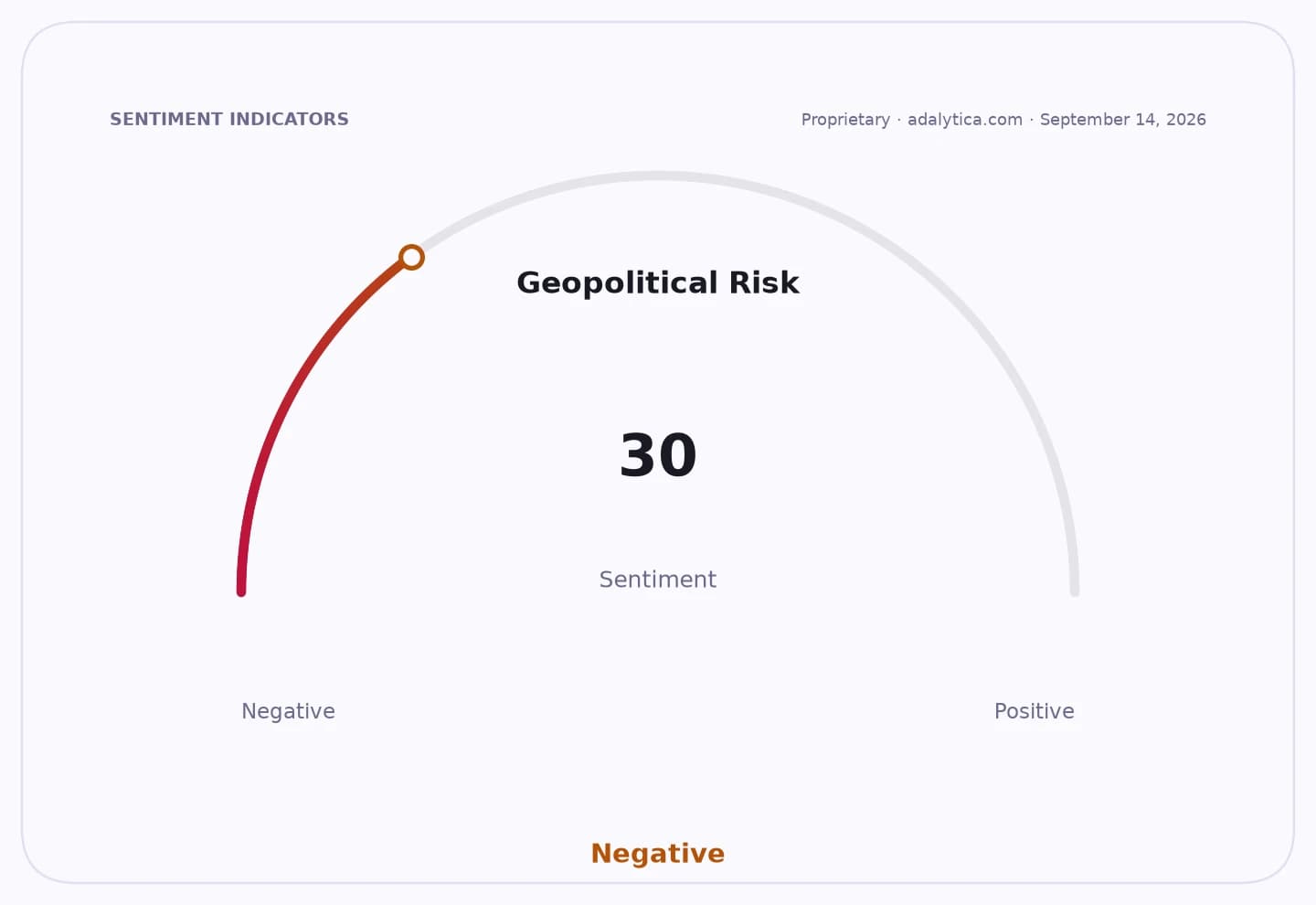
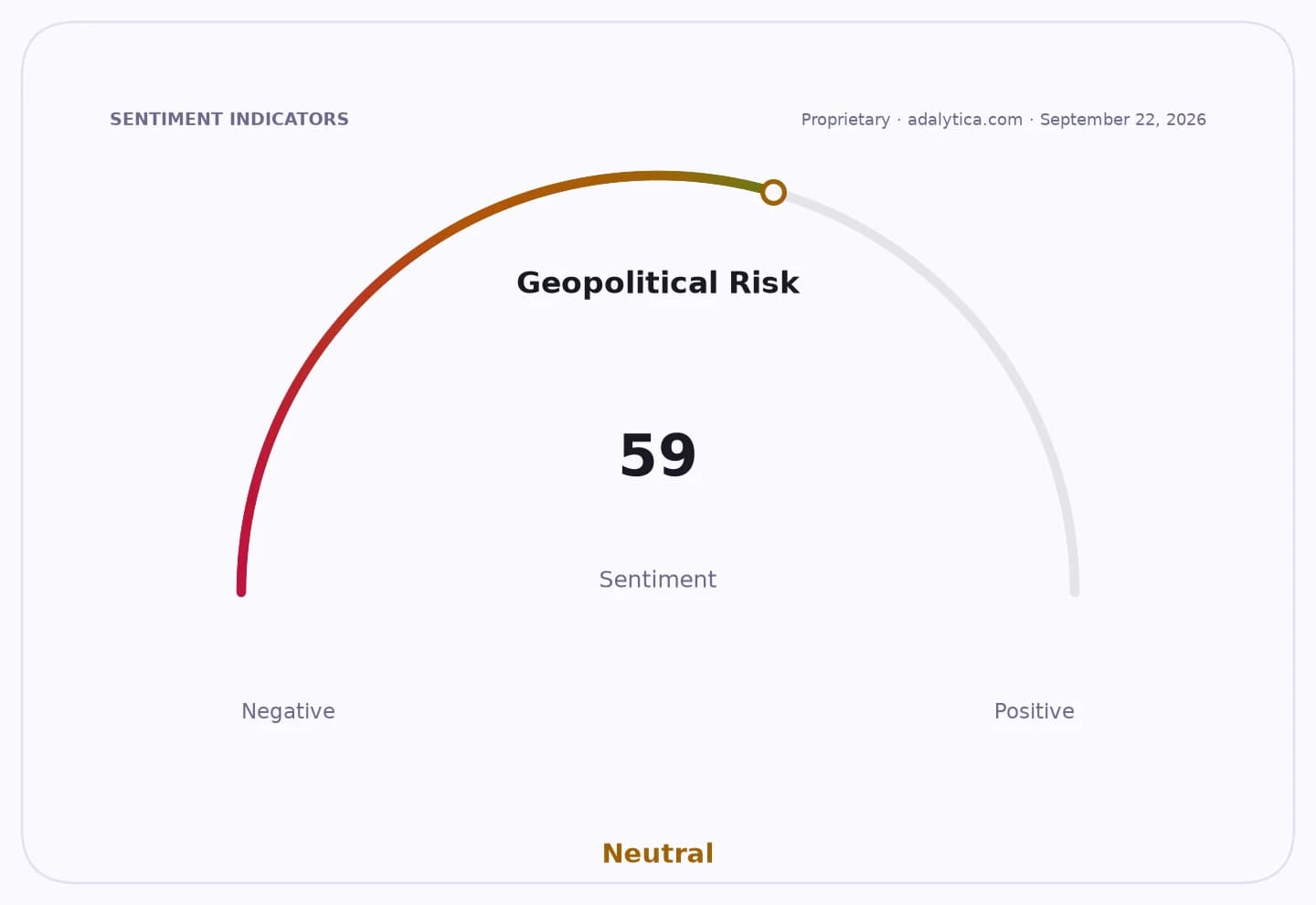
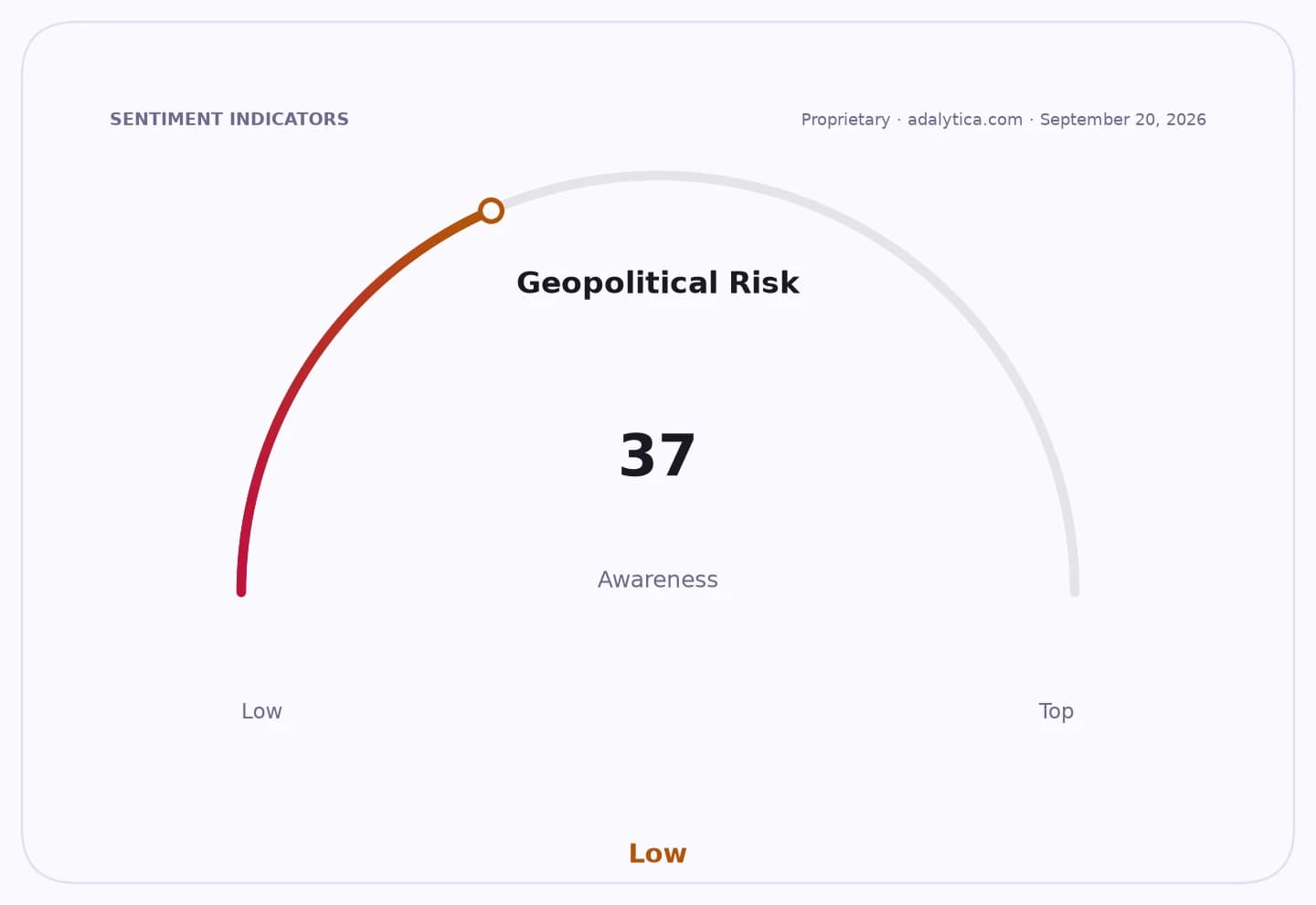
Geopolitical Risk — 30-day sentimentadalytica.com
Explore this data interactively — full history, time series and cross-market comparisons.Open AlphaPulse
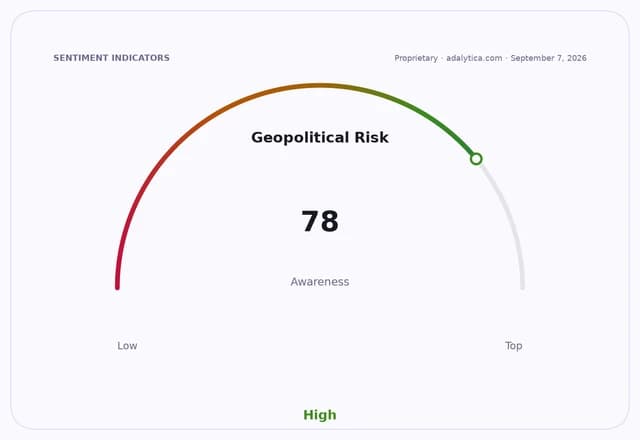
Markets are already set up to react asymmetrically. Oil has been trading with elevated geopolitical awareness, while the US dollar tends to catch a bid when confrontation risk rises. Gold, meanwhile, remains the classic hedge for investors seeking protection against both conflict risk and policy uncertainty. In technical terms, USO is already extended well above its 50-day and 200-day moving averages, a sign the market is pricing risk, not comfort. GLD has also held firm near recent highs, showing that safe-haven demand is not disappearing even as broader risk appetite returns elsewhere.
The bigger investment message is that the market still underestimates the second-order effects of a verification vacuum. If inspectors cannot account for Iran’s nuclear material and facilities, every headline about sanctions, retaliation or talks carries more weight. That is bullish for energy producers and service names with Middle East exposure, and supportive for defense names tied to regional deterrence spending. It is also a warning flag for importers, airlines, shippers and any business whose margins would be squeezed by another sudden jump in oil.
The thesis here is not that war is inevitable. It is that opacity itself is a catalyst, and the market tends to reprice opacity violently. Grossi’s comments make the Iranian nuclear file less manageable and more tradable, which is exactly why investors should be positioned for a wider risk premium in energy and defense while keeping exposure to oil-sensitive consumer and transport names tight. The next move in this story will come from diplomacy or escalation — and until one of those arrives, the premium on hedges remains justified.
| Entity | Gains | Losses |
|---|---|---|
| Oil producers | ▲Higher crude prices | ▼Demand-sensitive buyers |
| Defense contractors | ▲More deterrence spending | ▼Diplomacy-first investors |
| Gold holders | ▲Safe-haven bid | ▼Cash-heavy portfolios |
| Airlines and shippers | ▲Lower fuel costs would help later | ▼Margin pressure from oil spikes |