Türkiye aims to lift trade with the U.S. to $50 billion by 2028, betting on stronger energy imports, aircraft purchases and deeper investment ties to extend a bilateral commercial relationship that has already nearly doubled in a decade.
Türkiye Targets $50 Billion U.S. Trade by 2028

Trade Minister Ömer Bolat said the two countries’ total trade volume reached $38.6 billion last year and is running about 17% higher in the first nine months of this year, putting it on course to exceed $43 billion in 2026 if the pace holds. He also said the U.S. has about $16.5 billion in investment stock in Türkiye, while cumulative U.S. inflows have reached $60 billion.
Sentiment IndicatorsⓘProprietary · adalytica.com · October 9, 2026
This is a snapshot — live sentiment, awareness and momentum for 130+ markets update continuously in the dashboard.Open AlphaPulse

The target matters because it frames one of Türkiye’s most important external trade relationships at a time when Ankara is trying to balance a large import bill with stronger export growth and steady foreign capital. Bolat said U.S. exports to Türkiye have risen by $2.5 billion this year, while Turkish exports to the U.S. are up by another $1.8 billion, reflecting broader growth in both directions rather than a one-sided trade swing.
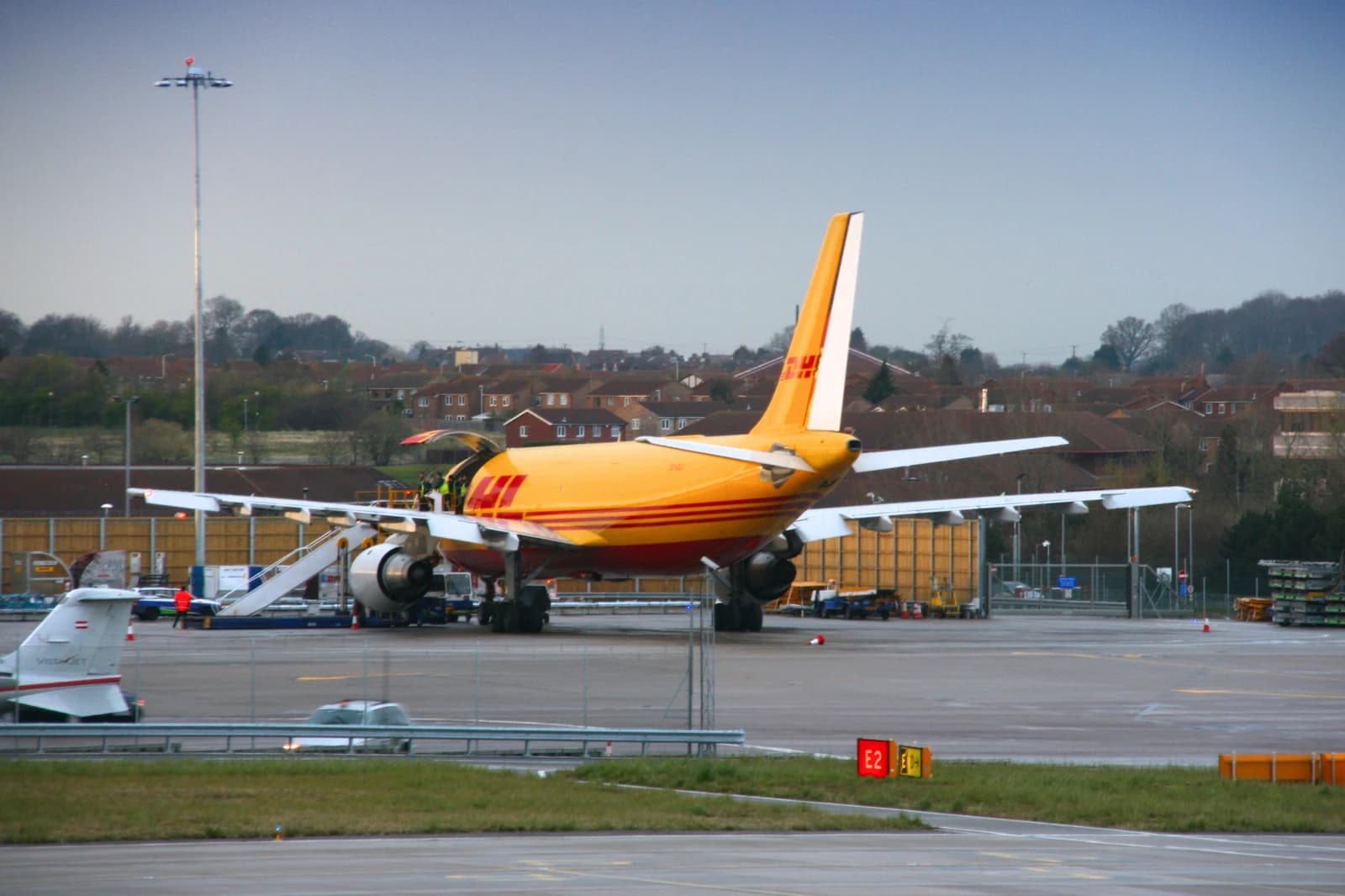
Energy and aviation are doing much of the work. Bolat pointed to higher LNG imports and aircraft purchases as major drivers of trade growth, while noting that Turkish Airlines flies to 14 U.S. cities with 23 daily departures, giving Türkiye an important logistics and connectivity advantage. He also said about 1,600,000 American tourists visit Türkiye annually, a flow that supports services trade as well as airlines, hotels and related spending.
For investors, the message is that commercial ties between the two allies are deepening even as global trade frictions intensify. Bolat said nearly 2,000 U.S. investors and companies operate in Türkiye and that Turkish firms are active in U.S. trade, logistics and investment, underscoring the scale of cross-border exposure for manufacturers, transport groups and energy suppliers on both sides.
The broader backdrop is a world of rising protectionism and supply-chain realignment, with Türkiye trying to position itself as a manufacturing and logistics hub between Europe, the U.S. and Asia. Bolat said Türkiye’s trade with the EU has surged from $21 billion in 1996 to $233 billion today, arguing that the Customs Union helped create a stronger industrial base that can also support transatlantic business.
The next catalyst will be whether the 2028 target is backed by new procurement, energy contracts and investment flows, or whether higher trade volumes are offset by Türkiye’s persistent need for imports in energy and industrial inputs.
| Entity | Gains | Losses |
|---|---|---|
| Türkiye exporters | ▲Bigger U.S. market access | ▼Higher competition |
| U.S. exporters | ▲More sales to Türkiye | ▼Trade friction risk |
| Turkish Airlines | ▲More transatlantic traffic | ▼Fuel and capacity costs |
| Energy importers | ▲LNG supply access | ▼Wider import bill |