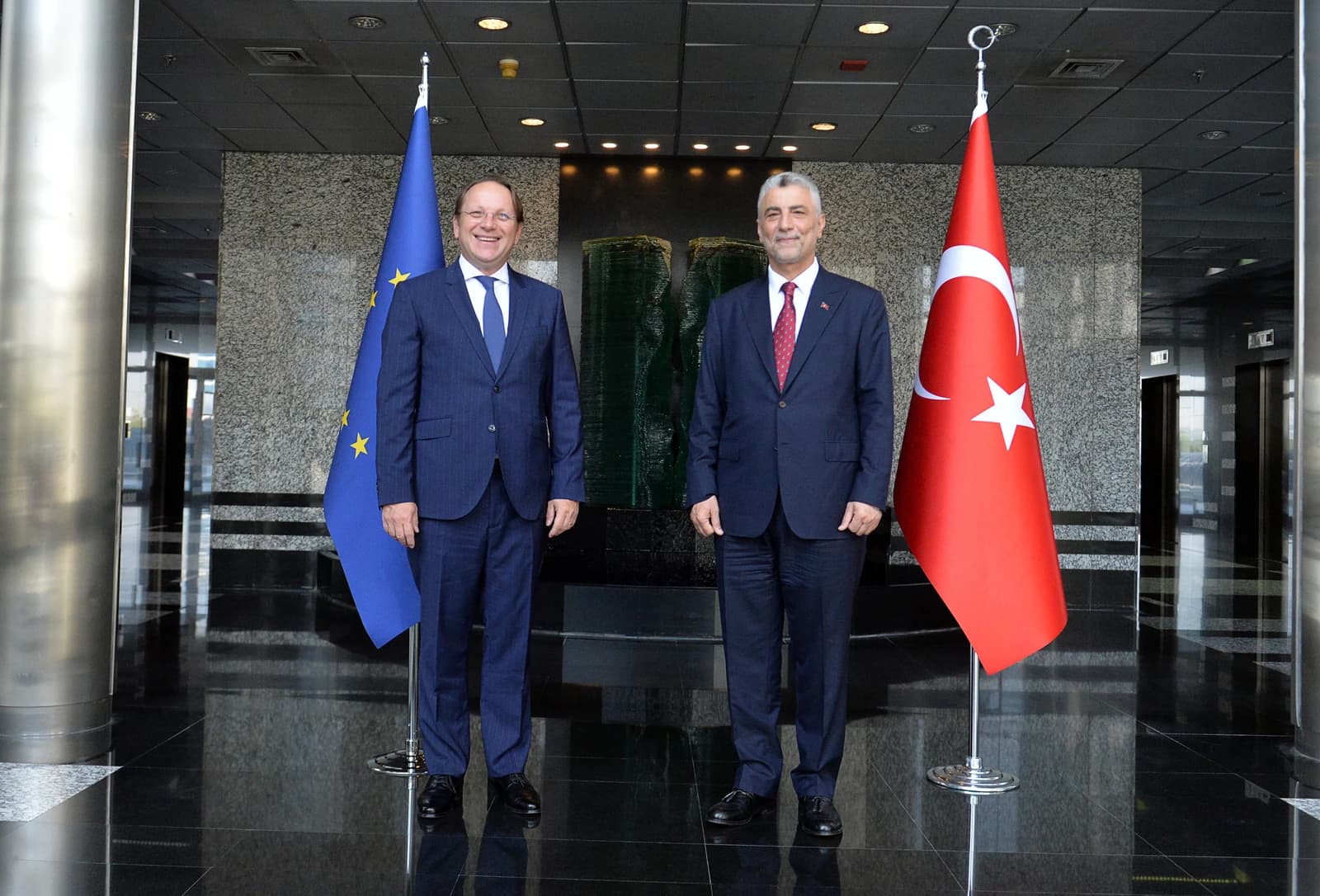
Egypt and Turkey are pressing to deepen economic cooperation at a moment when both governments are trying to support growth without losing control of fragile financial conditions.
Egypt, Turkey Seek Deeper Economic Cooperation
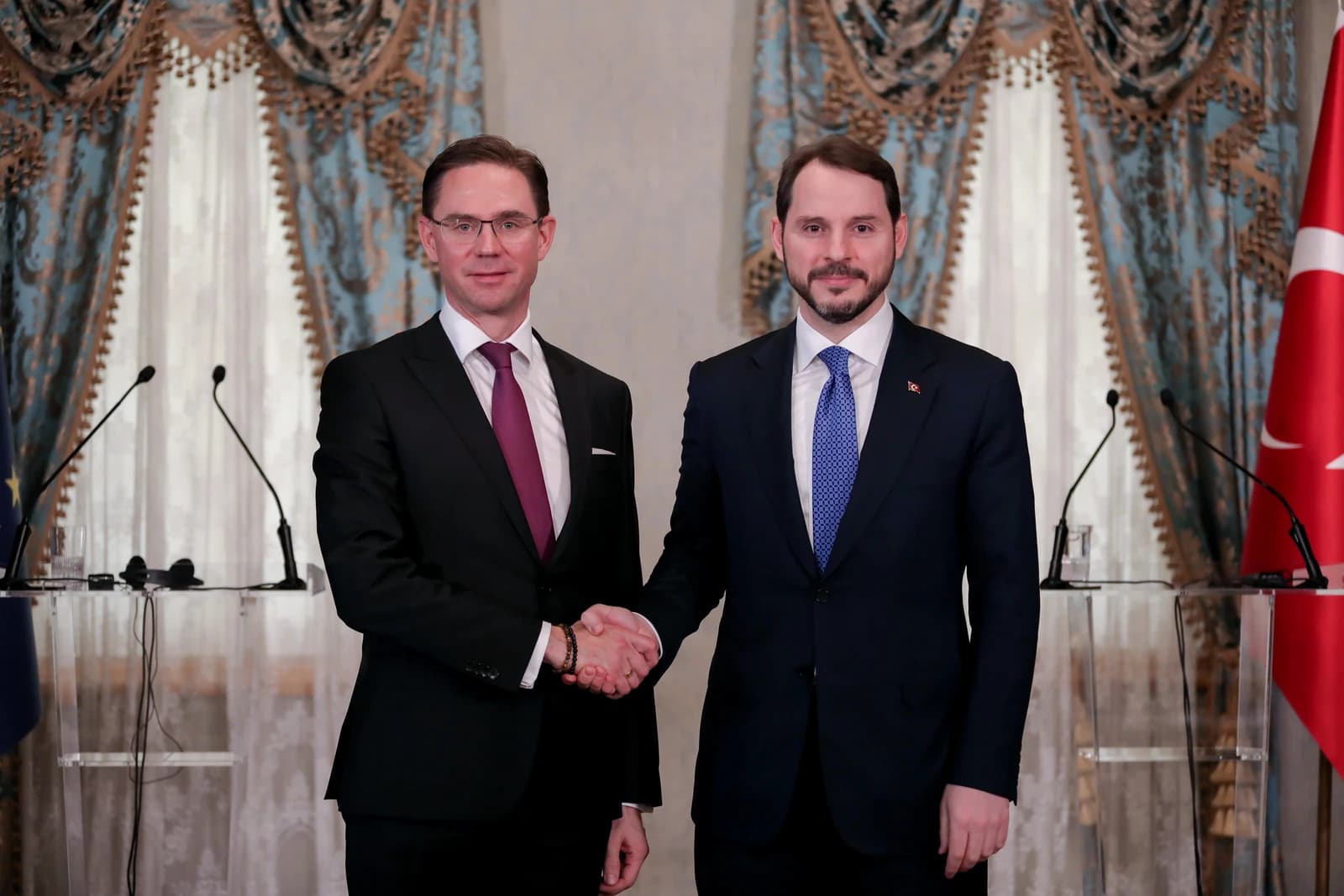
Egyptian Finance Minister Ahmed Kouchouk said in Istanbul that Cairo wants to expand cooperation and exchange expertise with Turkey to develop “growth-supporting” fiscal policies, improve trade and transport links, and accelerate logistics integration between the two economies. The meeting with Turkish Treasury and Finance Minister Mehmet Simsek came on the sidelines of the Istanbul Economic Forum, underscoring how fiscal policy, customs reform and export competitiveness are increasingly being treated as tools of industrial and external-balance strategy rather than just domestic administration.
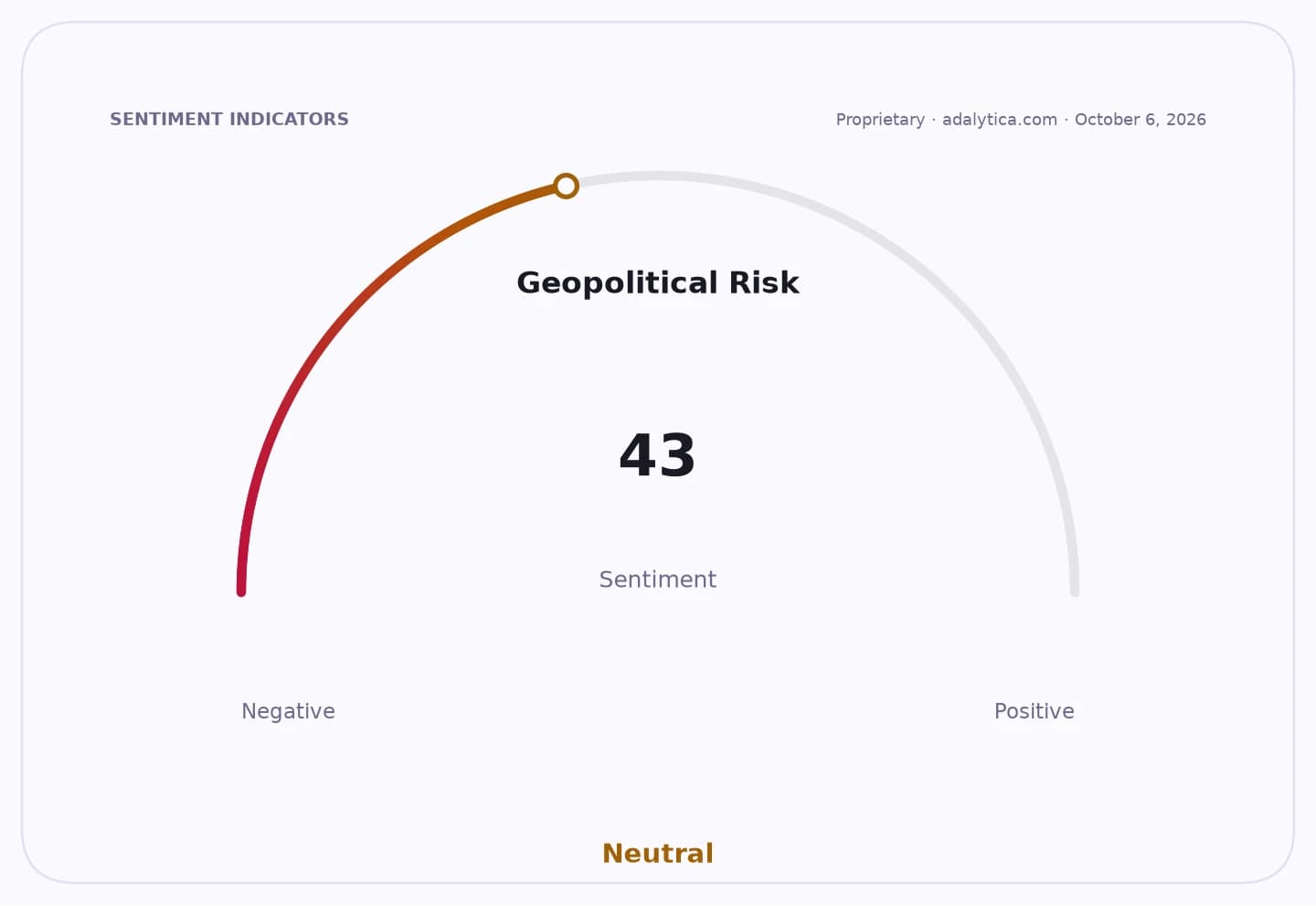
Sentiment IndicatorsⓘProprietary · adalytica.com · October 10, 2026
This is a snapshot — live sentiment, awareness and momentum for 130+ markets update continuously in the dashboard.Open AlphaPulse
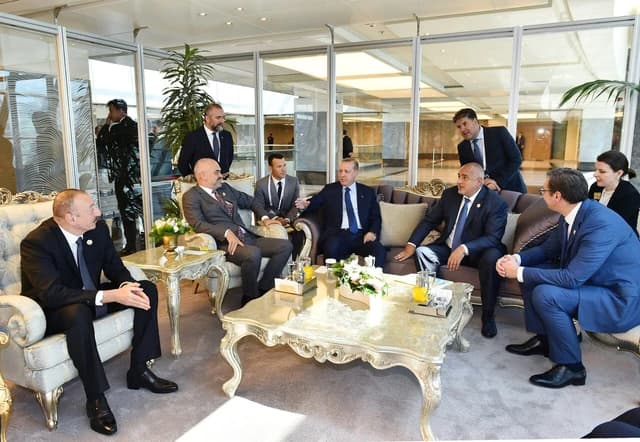
For Egypt, the significance is straightforward: anything that improves access to Turkish know-how in digital transformation, customs, taxation and public procurement could help streamline state functions and lower frictions on trade flows. Kouchouk also pointed to Turkey’s experience in simplifying export procedures, a model Egypt hopes can strengthen the competitiveness of its own export system and improve access to global markets. That matters economically because Egypt still needs faster export growth, more efficient logistics and a broader industrial base to generate hard currency and support the pound over time.
The timing also matters for investors. Turkey is dealing with a separate but politically sensitive fund liquidation scandal, while markets in Istanbul have been volatile and domestic confidence has been under strain. Against that backdrop, the finance ministers’ meeting projects a broader effort by Ankara to show continuity in economic management and by Cairo to diversify external partnerships. Cooperation on customs modernization, tax administration and public-sector contracting could appeal to companies exposed to cross-border trade, infrastructure and logistics in the eastern Mediterranean.
The meeting is less about a single deal than a policy narrative: both countries are looking for ways to make the state more efficient and the private sector more competitive. If the collaboration moves beyond statements and into administrative reform, training programs and trade facilitation, it could support exporters, reduce transaction costs and improve investor perception of reform momentum. If it remains rhetorical, the economic impact will be limited.
| Entity | Gains | Losses |
|---|---|---|
| Egypt exporters | ▲Easier market access | ▼Trade bottlenecks |
| Turkish reform officials | ▲Regional policy credibility | ▼Crisis distraction |
| Logistics and transport firms | ▲Higher cross-border volumes | ▼Friction from slow customs |
| Importers relying on red tape | ▲Faster clearance | ▼Protection from inefficiency |