Global trade is proving more resilient than many expected, even as higher tariffs, geopolitical shocks and volatile rates keep pressure on supply chains and corporate planning.
DHL Globalization Tracker Sees Trade Growth Through 2029
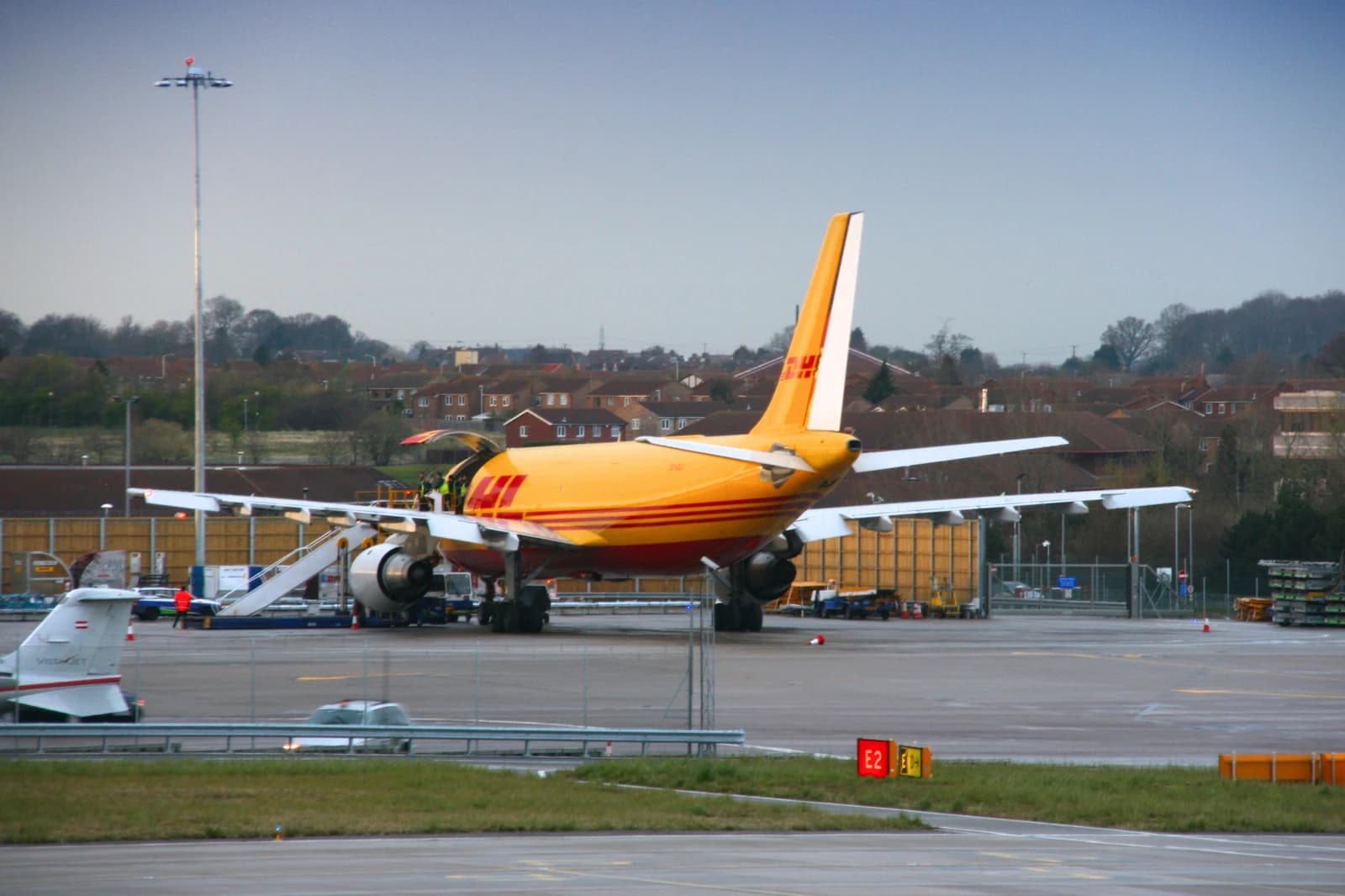
DHL’s latest Globalization Tracker, compiled with New York University Stern School of Business, puts cross-border integration at 25.8% and forecasts annual goods trade growth of 3.4% through 2029, arguing that trade has accelerated rather than retreated as companies pour money into artificial intelligence and diversify production networks.
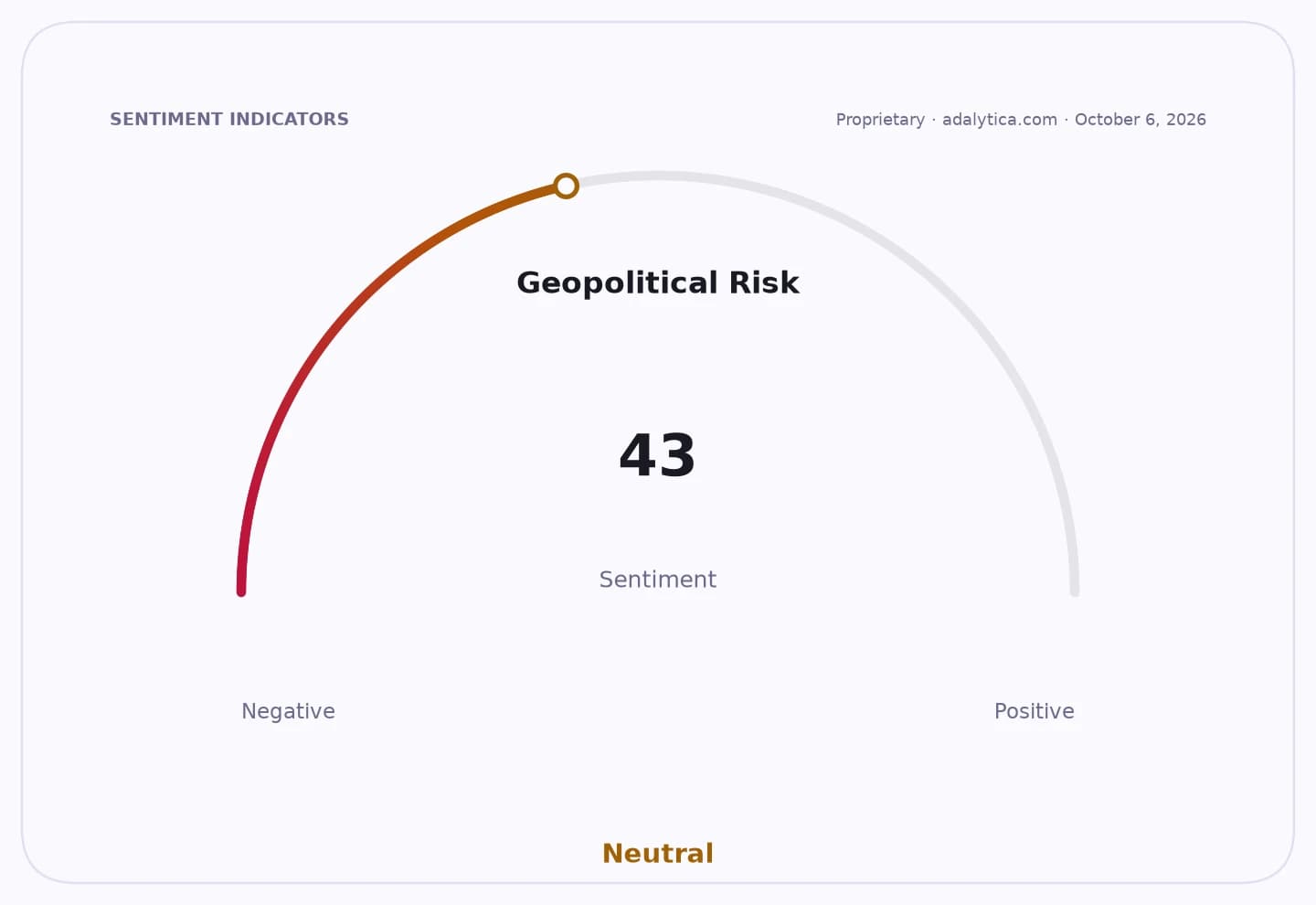
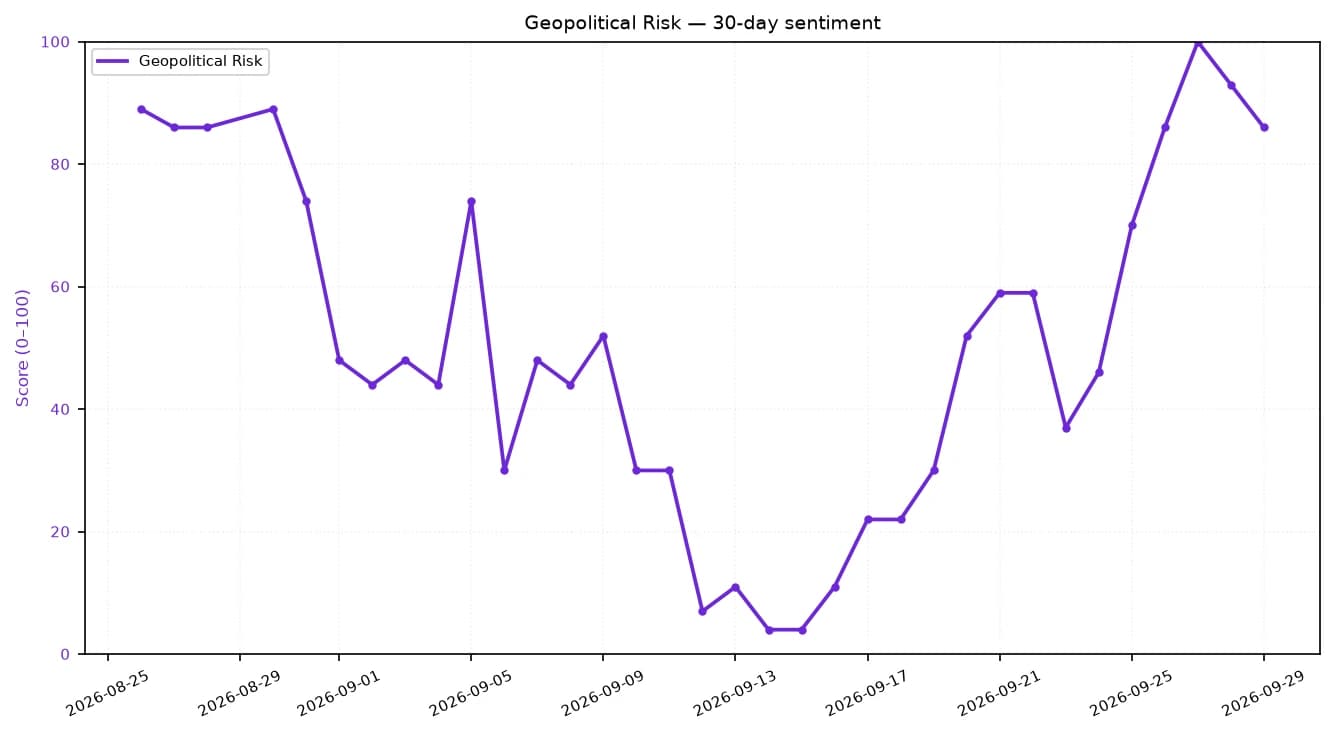
Sentiment IndicatorsⓘProprietary · adalytica.com · October 10, 2026
This is a snapshot — live sentiment, awareness and momentum for 130+ markets update continuously in the dashboard.Open AlphaPulse
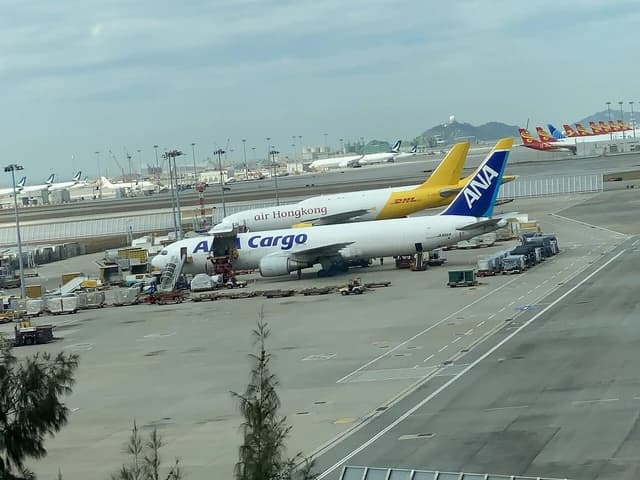
That matters because the narrative of a broad deglobalization slowdown has helped drive policy and investment decisions across industries from logistics to manufacturing. If trade volumes keep expanding despite tariffs, the hit to global commerce from protectionism may be less severe than feared, even if routes, sourcing and pricing remain more complicated.
For investors, the message is mixed but important. A sturdier trade backdrop supports freight carriers, parcel operators, ports, industrial suppliers and exporters that depend on cross-border flows. It also suggests companies with global supply chains may be able to absorb tariff shocks better than markets assumed, though margins remain exposed to higher input costs and rerouting expenses.
The report lands against a backdrop of uneven macro signals. U.S. benchmark 10-year Treasury yields have stayed around 5.2%, oil has traded near the mid-$90s a barrel, and global growth worries have not disappeared. Yet DHL’s data points to continued movement in goods, implying that AI-related capex, inventory reconfiguration and trade in higher-value products are partly offsetting political friction.
Shares of major transport names reflect that tension. FedEx has slipped to about $291.71 from an August peak above $338, while UPS trades around $94.57, both still above recent lows but below key moving averages after a sharp pullback. Container shipper ZIM has held near $30, underscoring that freight markets remain active even if pricing and volume conditions are uneven.
The broader implication is that investors may need to separate trade policy risk from trade activity itself. Tariffs can reshape routes and squeeze margins without necessarily stopping goods flows, and DHL’s forecast suggests the latter is still intact heading into 2029.
| Entity | Gains | Losses |
|---|---|---|
| DHL and logistics peers | ▲Higher shipment volumes | ▼Margin pressure from rerouting |
| Exporters and manufacturers | ▲Continued cross-border demand | ▼Tariff and compliance costs |
| Protectionist policymakers | ▲Political leverage | ▼Less trade contraction than expected |
| Consumers and importers | ▲More resilient supply chains | ▼Higher landed costs |