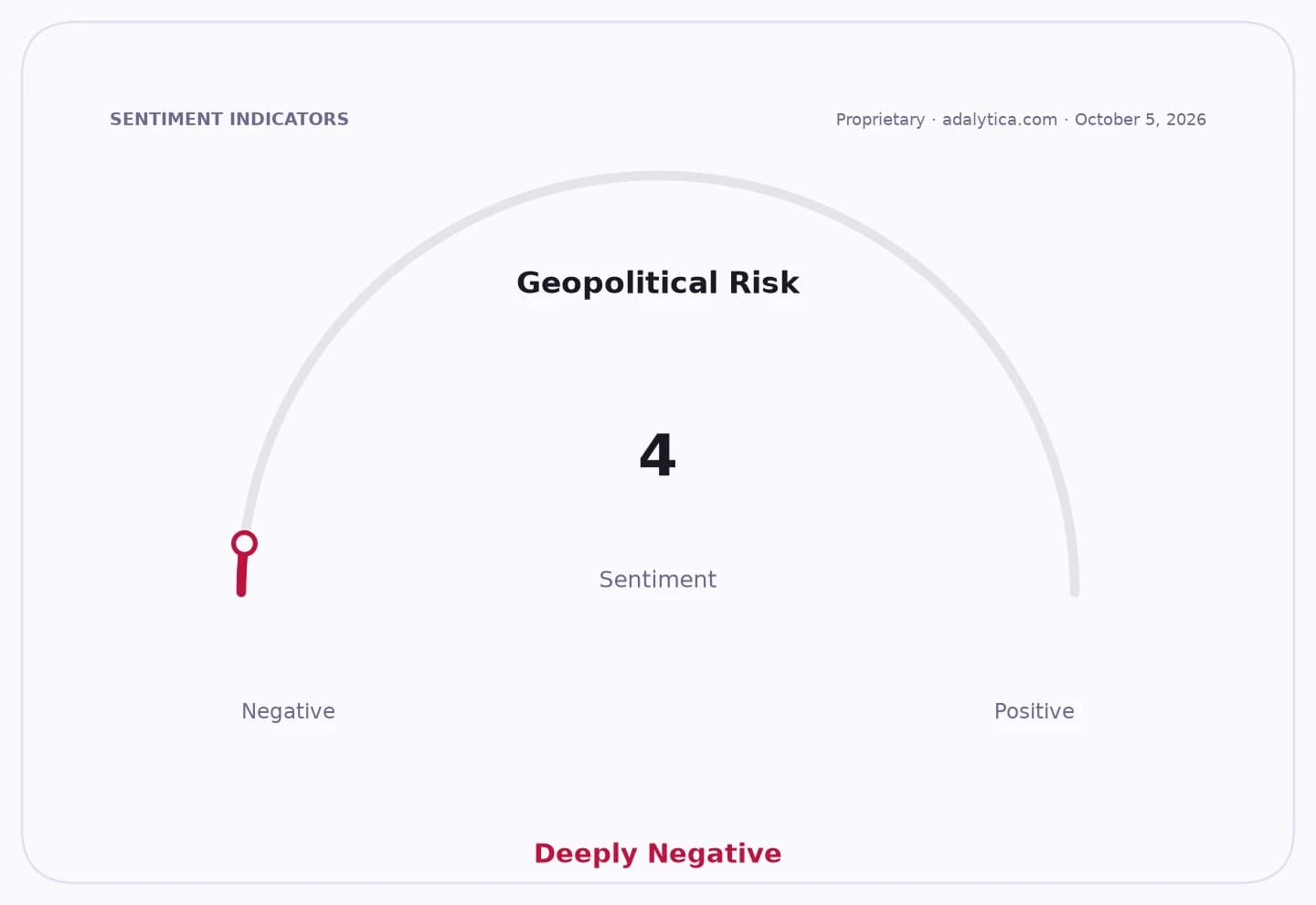
Greece is moving closer to becoming a key gateway for non-Russian gas into southeastern and central Europe, and that matters because geopolitical disruption is forcing the continent to pay up for supply security.
Greece Vertical Corridor Gas Hub Role
U.S. Secretary of State Marco Rubio said Washington wants Greece to serve as an energy and security hub through the Vertical Corridor, underscoring how fast energy infrastructure is becoming strategic rather than merely commercial. For investors, that is the real story: Europe’s need to reduce exposure to Russian routes, including TurkStream, is redirecting capital toward LNG terminals, pipelines, storage and transmission assets tied to alternative supply chains.
The Vertical Corridor would let gas enter Greece and move north through Bulgaria and Romania into Central and Eastern Europe, giving Athens a role that is far more valuable than simple transit fees. It also strengthens the case for long-term U.S. LNG contracts, which would add pricing stability for buyers while locking in demand for exporters and infrastructure operators. In a market still living with volatile oil and gas prices, that kind of contractual visibility is a premium asset.
The timing matters. Brent was trading near $101.59 a barrel and U.S. crude around $90.21 on Wednesday as traders weighed storm risk in the Gulf of Mexico and continued Middle East tensions. Oil flows remain vulnerable to weather, war and shipping chokepoints, and that keeps the case for diversified European gas routes firmly alive. Even after the latest supply disruptions, the market is still treating energy security as a structural issue, not a temporary headline.
That is why Greece’s upgraded geopolitical role should not be dismissed as diplomatic theater. It places the country at the center of a broader European reshuffling of energy dependence, where infrastructure placement can translate into decades of strategic leverage and investment spending. The beneficiaries are clear: pipeline operators, LNG exporters, port and storage assets, and the countries that gain redundancy in their energy systems. The losers are the old intermediaries and any supplier relying on monopoly routing power.
The bigger thesis is simple: geopolitical fragmentation is creating a new class of toll roads in energy, and Greece is one of them. Investors looking for asymmetric exposure should focus on the infrastructure and supply-chain winners that stand to gain as Europe pays more for reliability, optionality and security.
| Entity | Gains | Losses |
|---|---|---|
| Greece | ▲Hub status and transit leverage | ▼Dependence on old routes |
| U.S. LNG exporters | ▲Long-term contract demand | ▼Spot-market volatility |
| Pipeline and storage operators | ▲Higher strategic value | ▼Lower-utilization legacy routes |
| Russian gas routes / TurkStream | ▲— | ▼Share of European flows |