Russia’s relationship with Uzbekistan is deepening at a time when Moscow is seeking to reinforce regional partnerships and keep trade, investment and logistics links open despite wider geopolitical strain.
Russia Uzbekistan Ties Deepen Through Regional Projects
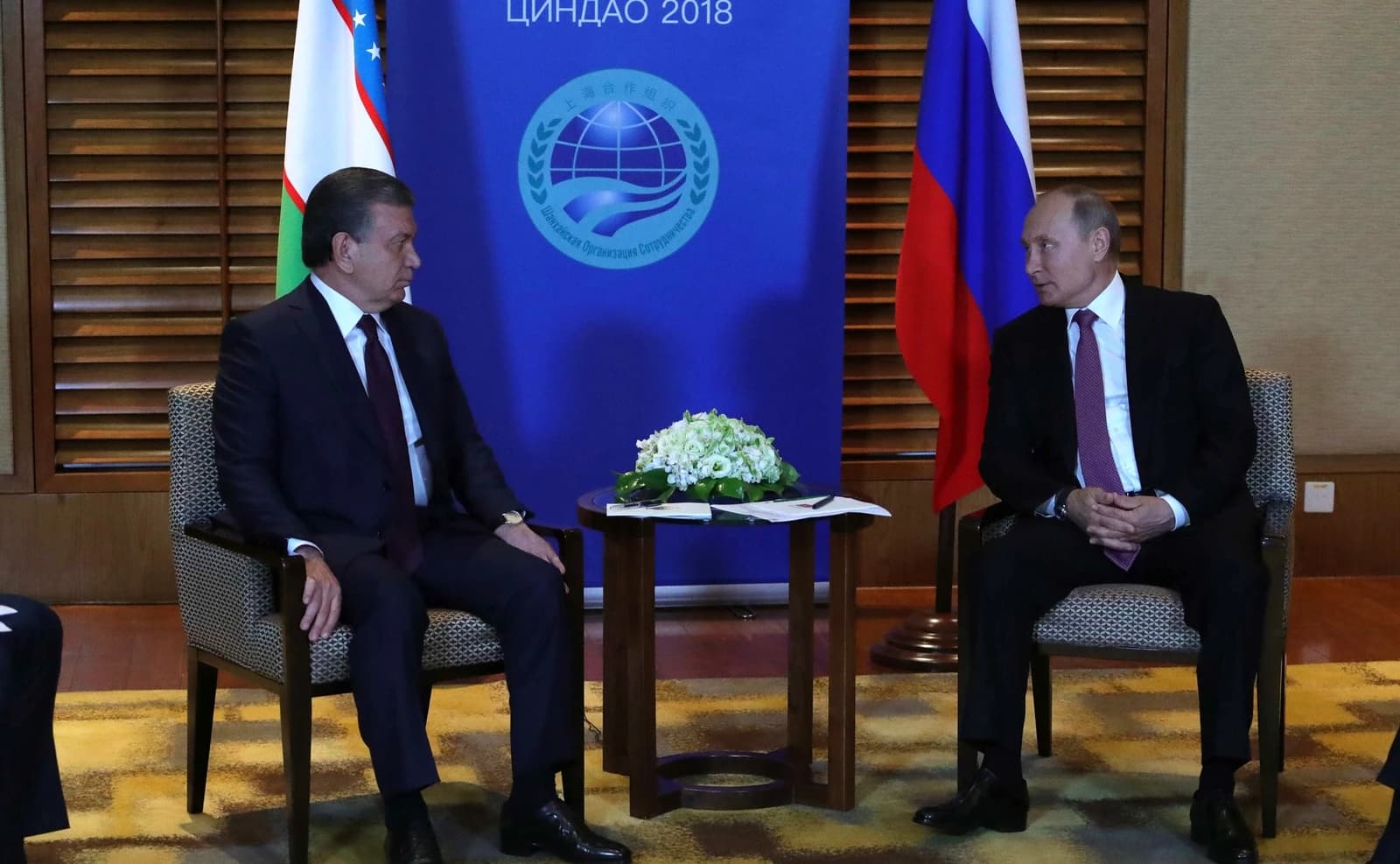
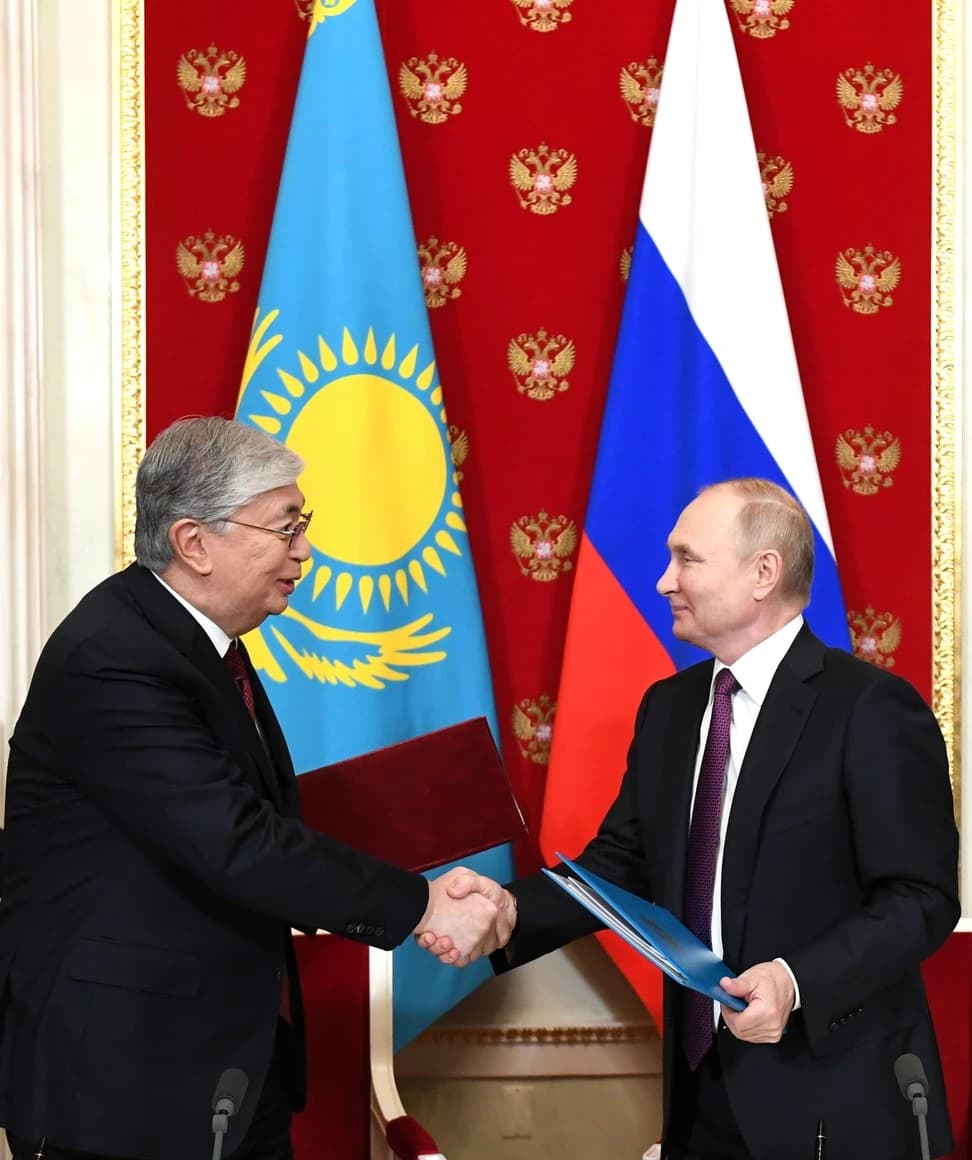
President Vladimir Putin said ties with Uzbekistan were “successfully developing” in a strategic partnership and alliance, underscoring a relationship that now reaches nearly 80 Russian regions and spans hundreds of joint projects, from industrial parks to infrastructure and social facilities.
Sentiment IndicatorsⓘProprietary · adalytica.com · October 7, 2026
This is a snapshot — live sentiment, awareness and momentum for 130+ markets update continuously in the dashboard.Open AlphaPulse
The remarks matter because the Russia-Uzbekistan corridor has become more than a diplomatic talking point: it is an economic channel for trade, manufacturing cooperation, labor ties and regional development. For Moscow, the partnership helps sustain commercial links in Central Asia and preserve influence in a region where external competition is intensifying. For Tashkent, closer ties with Russia support investment, market access and project financing while giving Uzbekistan room to balance among larger powers.
Putin’s comments came in a greeting to participants in the third Russia-Uzbekistan Regional Council, which he described as an effective mechanism for direct, informal dialogue. That forum brings together regional and municipal officials, business groups, universities, scientists and cultural figures, reflecting how bilateral ties increasingly depend on subnational links rather than only top-level diplomacy.
The scale of engagement is notable. Putin said trade, economic, scientific, technical and humanitarian cooperation now involves nearly 80 of Russia’s constituent regions. That breadth suggests the relationship is embedded in local supply chains and development plans, making it harder to unwind than a purely political alignment.
The economic significance is also broader than the bilateral numbers alone imply. Uzbekistan is one of Central Asia’s most populous economies and a key node in regional connectivity. Stronger cooperation with Russia can support exports, industrial buildout and workforce links, while also helping keep cross-border commerce resilient as sanctions, transport disruptions and shifting alliances reshape Eurasian trade flows.
For investors, the message is that Russia-Uzbekistan ties remain a live geopolitical and commercial theme. Sectors tied to construction, industrial equipment, transport, energy services and consumer trade can benefit if joint projects advance and regional coordination deepens. The upside case is continued project execution and tighter economic integration. The risk case is that geopolitical friction, financing constraints or policy shifts could slow implementation or complicate cross-border settlement.
The relationship also has a strategic overlay. Putin separately praised Uzbekistan’s development and said Moscow and Tashkent continue to coordinate on international issues, including security and regional stability. That suggests the partnership is intended to be durable, not transactional, and to extend beyond commerce into the architecture of Eurasian security.
For now, the key takeaway for markets is that Russia and Uzbekistan are not merely maintaining ties; they are expanding them through a network of regional actors and tangible projects. That makes the relationship economically sticky and strategically important, especially as both governments look for reliable partners in an unsettled region.
| Entity | Gains | Losses |
|---|---|---|
| Russia | ▲Wider regional trade links | ▼Isolation from Central Asia eases |
| Uzbekistan | ▲Investment and market access | ▼More room for Western balance narrows |
| Regional businesses | ▲More joint projects | ▼Less certainty from geopolitics |
| Rival external powers | ▲Little direct gain | ▼Influence in Central Asia diluted |