Russia has drawn a hard line against any NATO military foothold in Afghanistan or neighboring states, a stance that deepens the fault line between Moscow and the alliance while reinforcing Russia’s effort to position the Taliban-led government as a security partner rather than a pariah.
Russia Rejects NATO Presence in Afghanistan
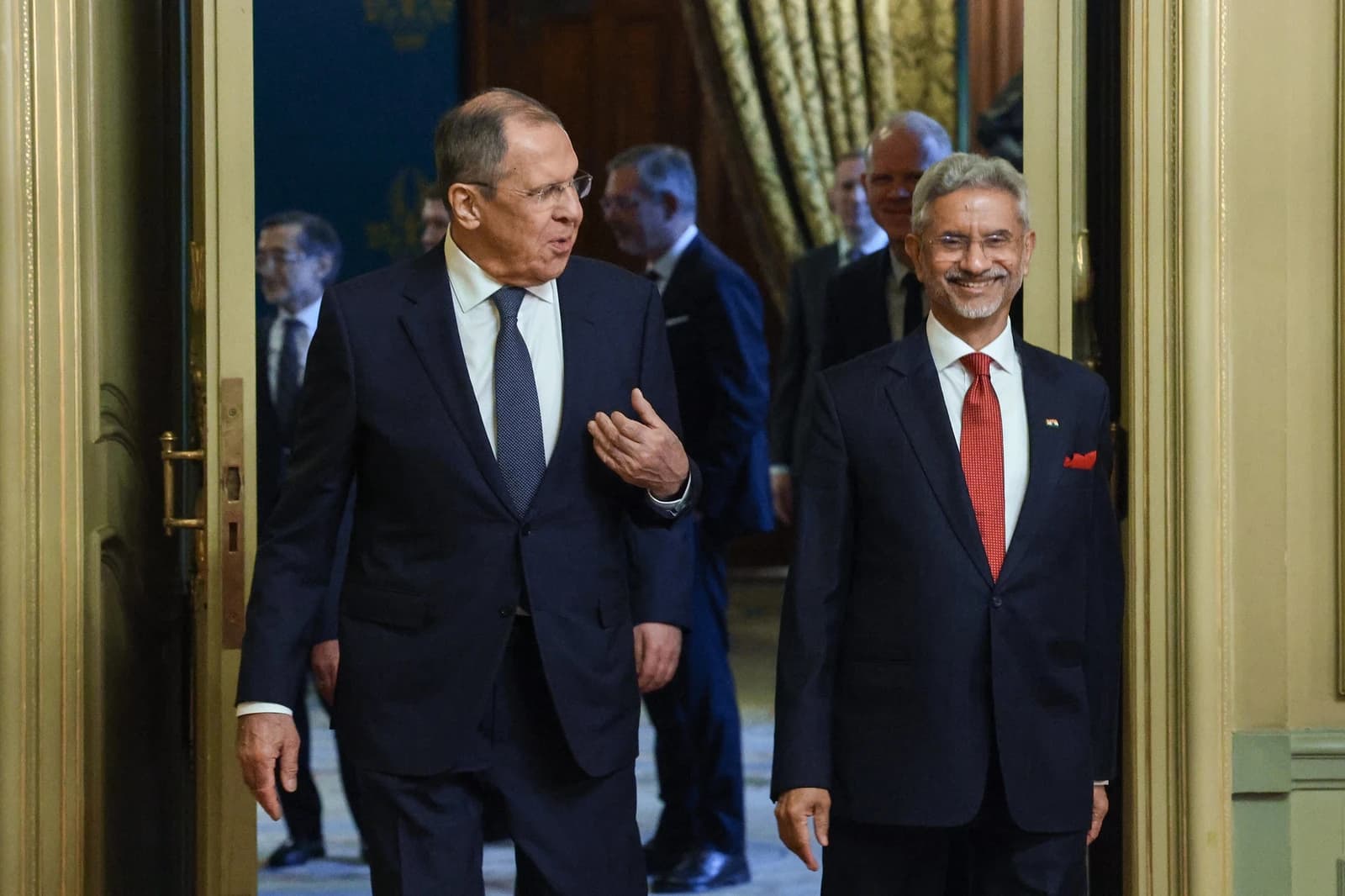
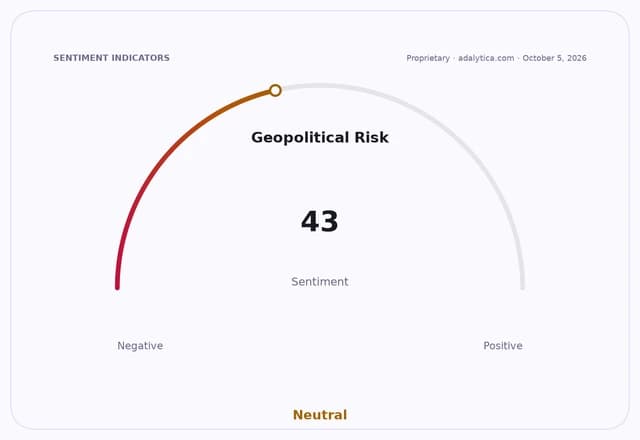
The remarks from Foreign Minister Sergei Lavrov matter because they go beyond rhetoric. They signal Moscow’s intent to block any Western return to a geography it views as strategically sensitive, even indirectly through nearby countries. For investors, that raises the risk that Afghanistan remains cut off from the international financial system and dependent on patchy humanitarian aid, while the wider Russia-NATO confrontation keeps a lid on regional stability across Central and South Asia.
Lavrov told a Moscow-format meeting on Afghanistan that the “categorical unacceptability” of NATO infrastructure in Afghanistan or bordering states was rooted in historical experience, which he said had repeatedly shown that foreign military presence can destabilize the region and fuel conflict. He also said the current authorities in Kabul, led by the Taliban, had “quite successfully” managed the country and were fighting terrorist groups.
That is a notable political shift. Russia has in effect recast the Taliban from an insurgent movement into a working counterterrorism interlocutor, echoing President Vladimir Putin’s earlier description of the group as an ally against extremism. Moscow’s framing helps justify continued engagement with Kabul even as most Western governments maintain sanctions and diplomatic distance.
Economically, the message is that Afghanistan is likely to remain outside normal capital flows for the foreseeable future. Lavrov said Russia would continue humanitarian aid and expected another shipment within one or two months, while arguing that sanctions had severed Afghanistan from the international financial system and frozen national banking assets. That keeps the country reliant on aid and narrow bilateral support rather than investment-led recovery, limiting opportunities in banking, infrastructure and reconstruction.
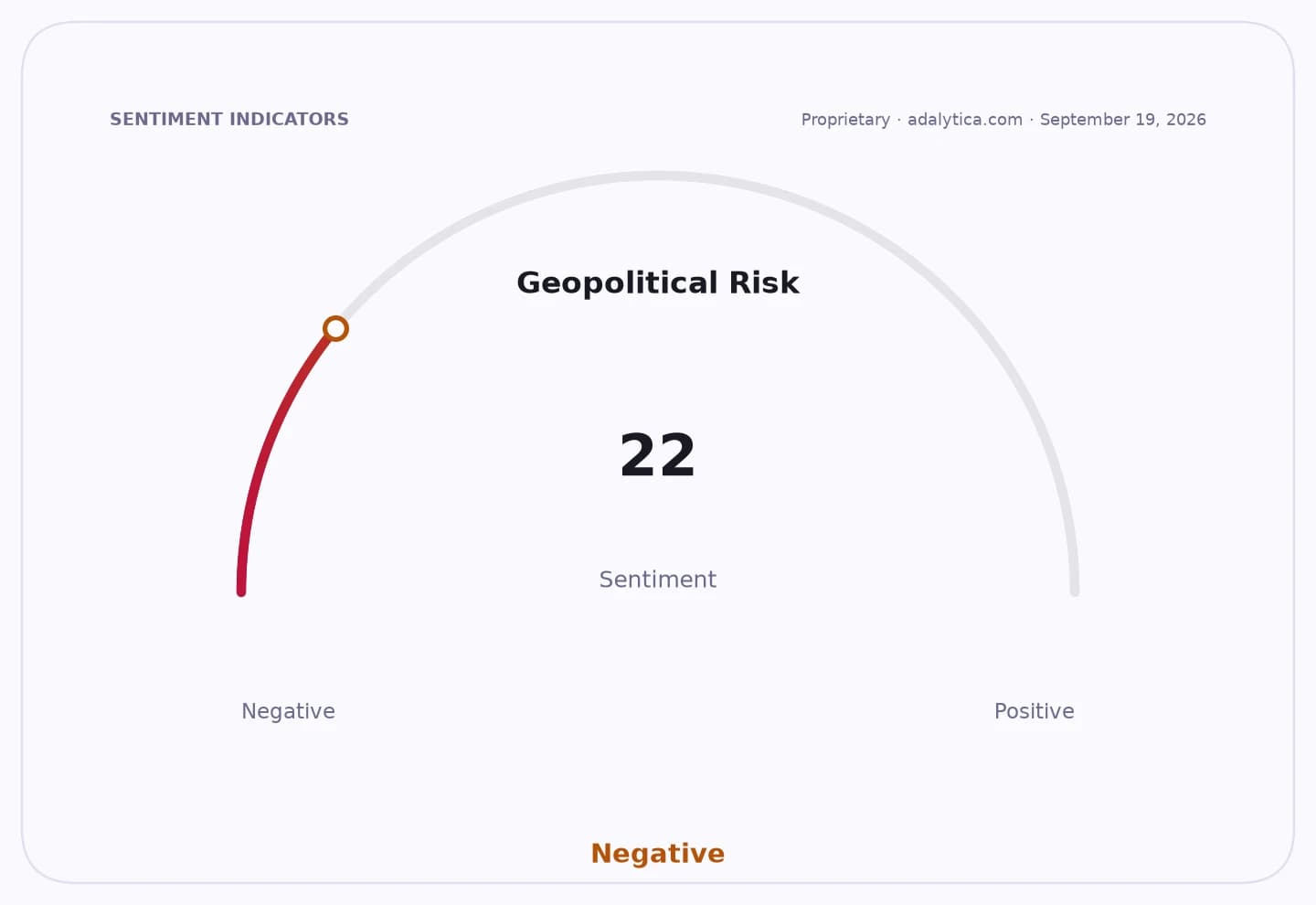
The market read-through is broader than Afghanistan itself. The harsher the rhetoric from Moscow over NATO deployments, the more entrenched the security premium becomes across frontier regions tied to Russian influence. That matters for defense contractors, energy routes and sovereign risk across emerging markets that sit between Russia, NATO members and conflict zones.
The contrast with NATO’s own posture is sharp. The alliance has been warning about Russian hybrid operations, sabotage and escalation while hardening its rapid-response planning. Against that backdrop, Lavrov’s comments underscore that Moscow is not seeking de-escalation on the alliance’s periphery; it is trying to define red lines and preserve strategic space in areas where it sees Western military infrastructure as unacceptable.
For investors, the key question is whether the rhetoric stays confined to diplomacy or broadens into more coercive action around transit corridors, border states and aid channels. Until then, Afghanistan remains a weak-growth, sanction-constrained economy, while the Russia-NATO standoff continues to favor defense spending and keep geopolitical risk elevated.
| Entity | Gains | Losses |
|---|---|---|
| Russia | ▲Strategic leverage | ▼Western military influence |
| Taliban-led Afghanistan | ▲Diplomatic engagement | ▼Access to global finance |
| NATO | ▲None | ▼Regional access and credibility |
| Defense sector | ▲Higher security spending | ▼Lower tension premium |