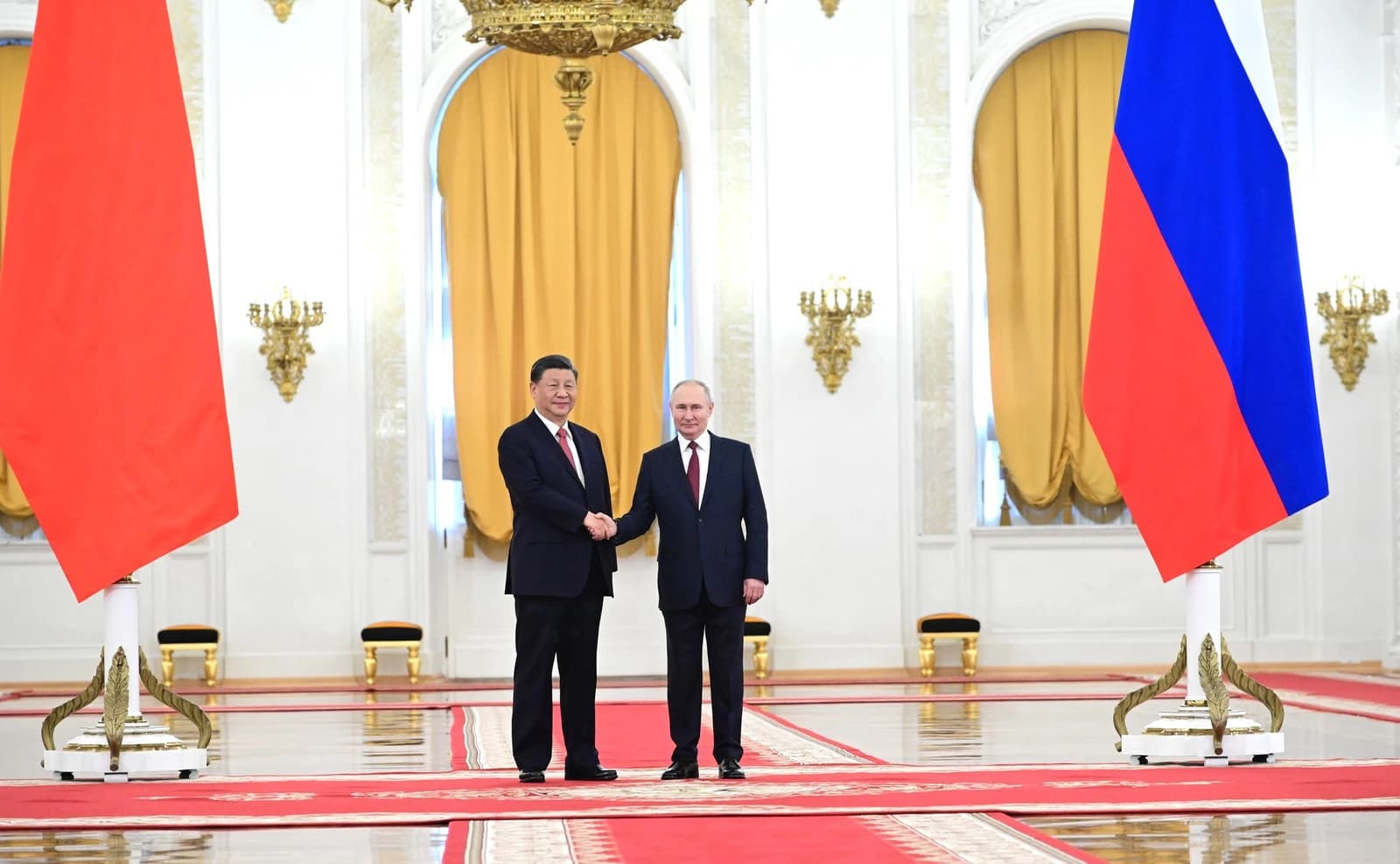
China and Russia said they are discussing ways to deepen bilateral cooperation, with talks in Vladivostok underscoring how the two sanctioned powers are moving to lock in trade, investment and energy links as both face persistent pressure from the West.
China and Russia discuss deeper trade and energy ties

The most important economic takeaway is not the symbolism of another high-level meeting, but the practical push to widen cooperation in sectors that can still generate hard currency, jobs and strategic resilience. For Russia, closer access to Chinese capital, equipment and demand is central to sustaining growth as European markets remain largely closed and financing options stay constrained. For China, the relationship offers discounted energy supply, a route to expand industrial and infrastructure influence, and another channel to diversify geopolitical risk.
Sentiment IndicatorsⓘProprietary · adalytica.com · September 3, 2026
This is a snapshot — live sentiment, awareness and momentum for 130+ markets update continuously in the dashboard.Open AlphaPulse
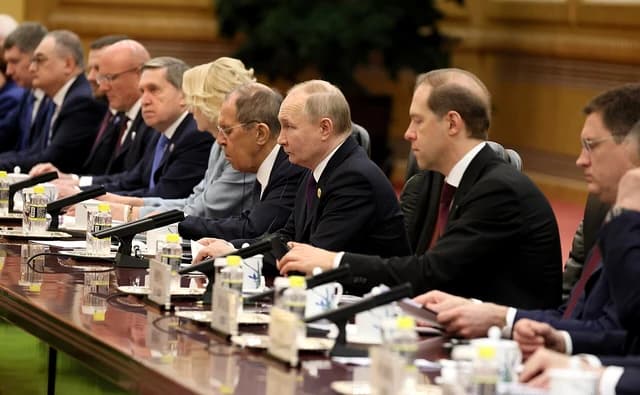
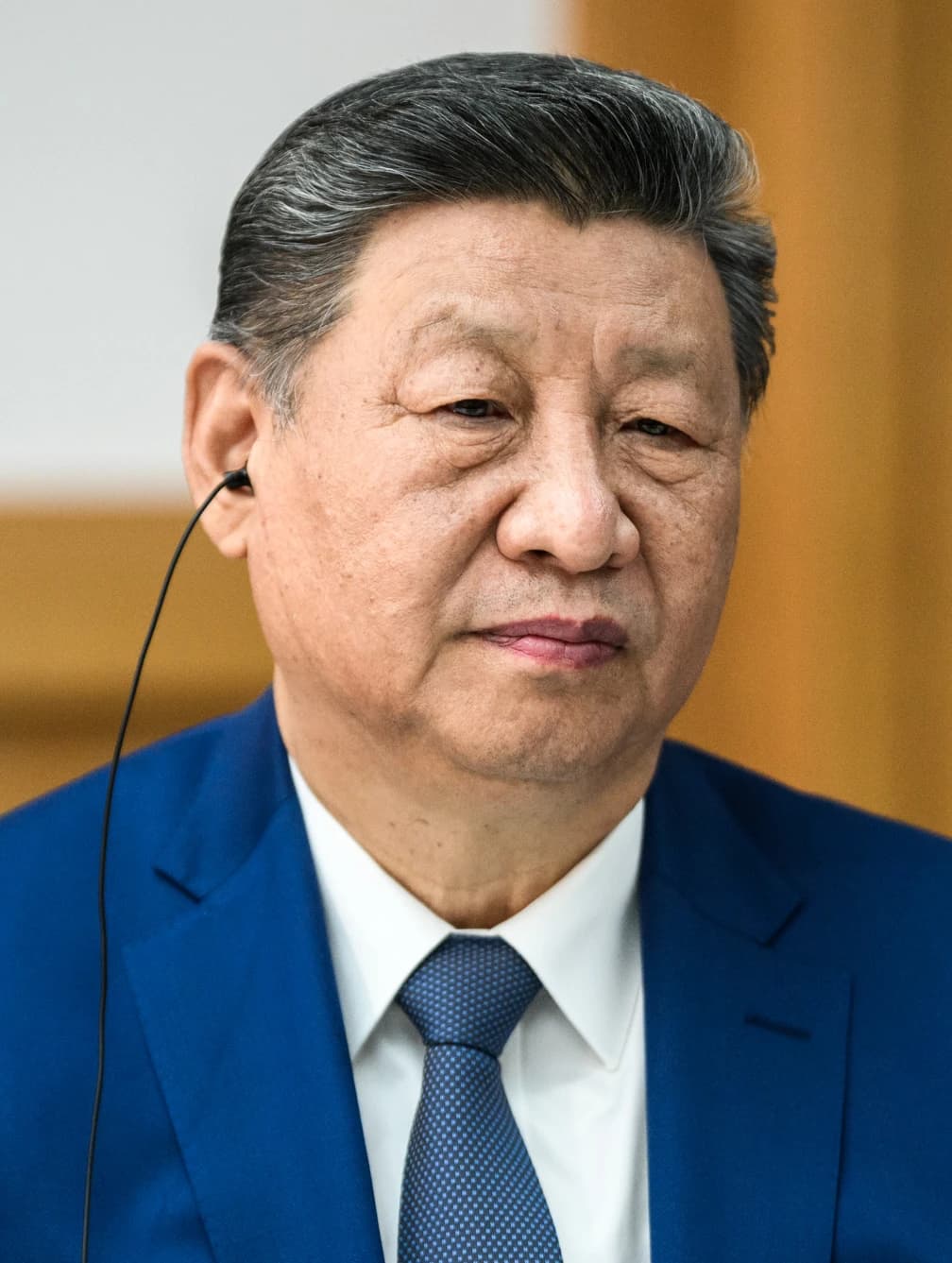
Chinese Vice Premier Ding Xuexiang told President Vladimir Putin that Beijing was ready to implement the “important consensus” reached by the two heads of state and deepen integration of interests through practical steps, according to Xinhua. He highlighted investment and energy as priority areas and said cooperation on developing Russia’s Far East had strong potential. Putin said ties had reached an “unprecedented” level and that Russia was ready to strengthen strategic coordination.
That framing matters because the Far East has become a test case for how far the relationship can move beyond headline diplomacy into long-duration capital allocation. Beijing wants to link its northeastern revitalization strategy with Russia’s Far East development drive, which could support ports, logistics, mining, energy transport and industrial projects. If those plans translate into real financing and contracts, they would reinforce cross-border supply chains at a time when both countries are trying to reduce vulnerability to US-led sanctions and trade restrictions.

For markets, the implications are uneven. Chinese firms with exposure to Russia’s energy, infrastructure and commodities sectors could benefit if policy support opens more deal flow. Russian exporters, especially in energy and raw materials, gain from a deeper reliance on China as a buyer and potential investor. But the same trend keeps Western investors cautious, because tighter bilateral cooperation can invite more sanctions scrutiny, higher compliance costs and more fragmented global trade.
The backdrop is a relationship already pushed closer by geopolitics. Beijing and Moscow have expanded coordination since Russia’s invasion of Ukraine and the subsequent tightening of Western sanctions. The new round of talks suggests neither side sees that alignment as temporary. Instead, they are trying to institutionalize it around sectors that can survive political shocks: energy, investment and regional development.
For investors, the key question is whether this becomes another symbolic embrace or a pipeline of bankable projects. The former supports rhetoric about a multipolar world; the latter could shift commodity flows, infrastructure spending and regional trade patterns across Asia. The meeting in Vladivostok points to the second outcome, even if execution remains constrained by financing, sanctions risk and the practical limits of doing business between two heavily scrutinized powers.
| Entity | Gains | Losses |
|---|---|---|
| China | ▲Energy security, regional influence | ▼Higher sanctions exposure |
| Russia | ▲Investment access, export demand | ▼Reduced Western leverage |
| Chinese investors | ▲Deal flow in Far East | ▼Compliance risk |
| Western rivals | ▲— | ▼Strategic influence, market share |