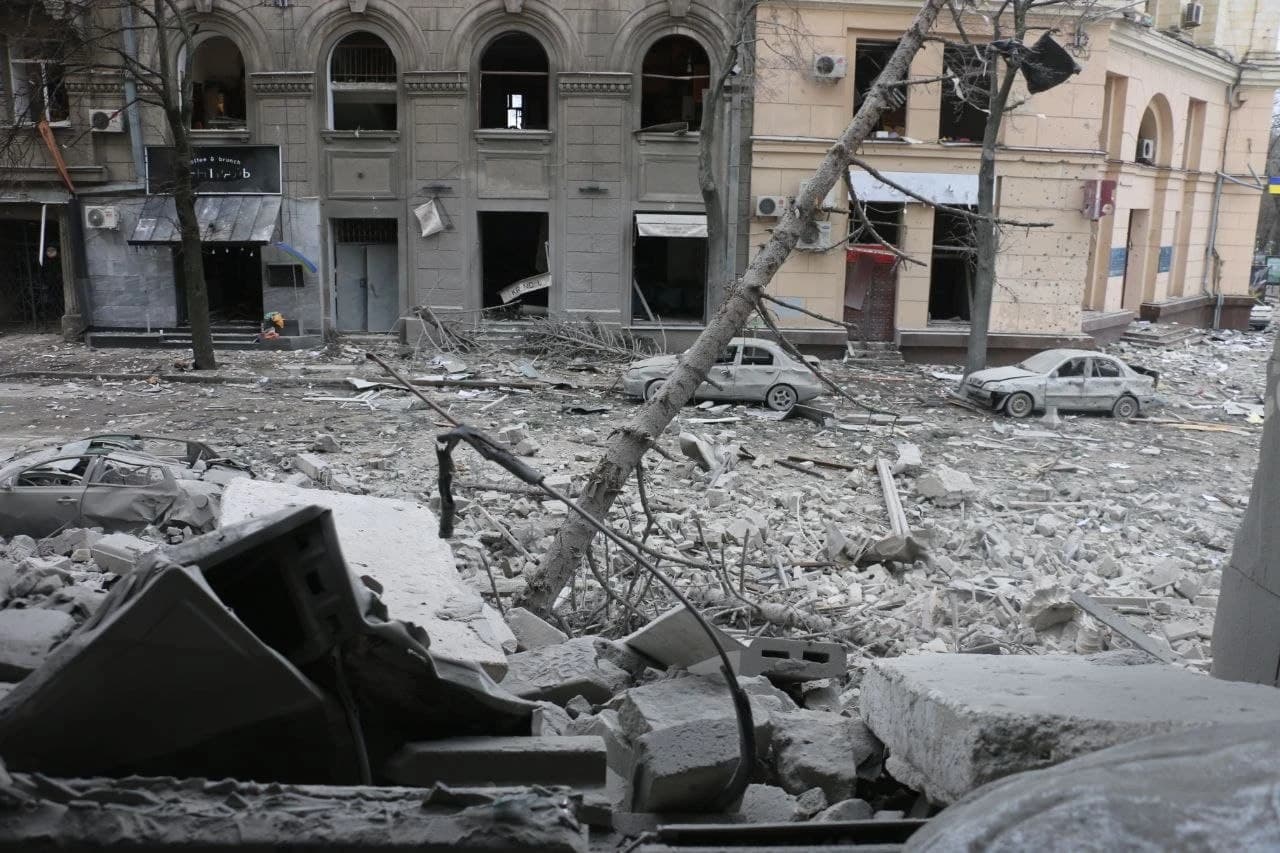
Russia and North Korea have opened their first road bridge over the Tumen River, a tangible sign that a wartime partnership built on weapons, troops and technology is moving beyond symbolism — and one that is increasingly uncomfortable for China.
Russia-North Korea Bridge Opens Over Tumen River

The bridge matters less as an engineering project than as an indicator of how quickly Moscow and Pyongyang are turning a military alignment into durable logistics. For Russia, the relationship is helping offset the strain of a war in Ukraine that is costing roughly $290 billion a year and draining manpower, with Moscow now relying on North Korean artillery, missiles and soldiers to sustain its campaign. For North Korea, the payoff is access to cash and sensitive military know-how that could improve everything from air defenses to drones and submarine-related technology.
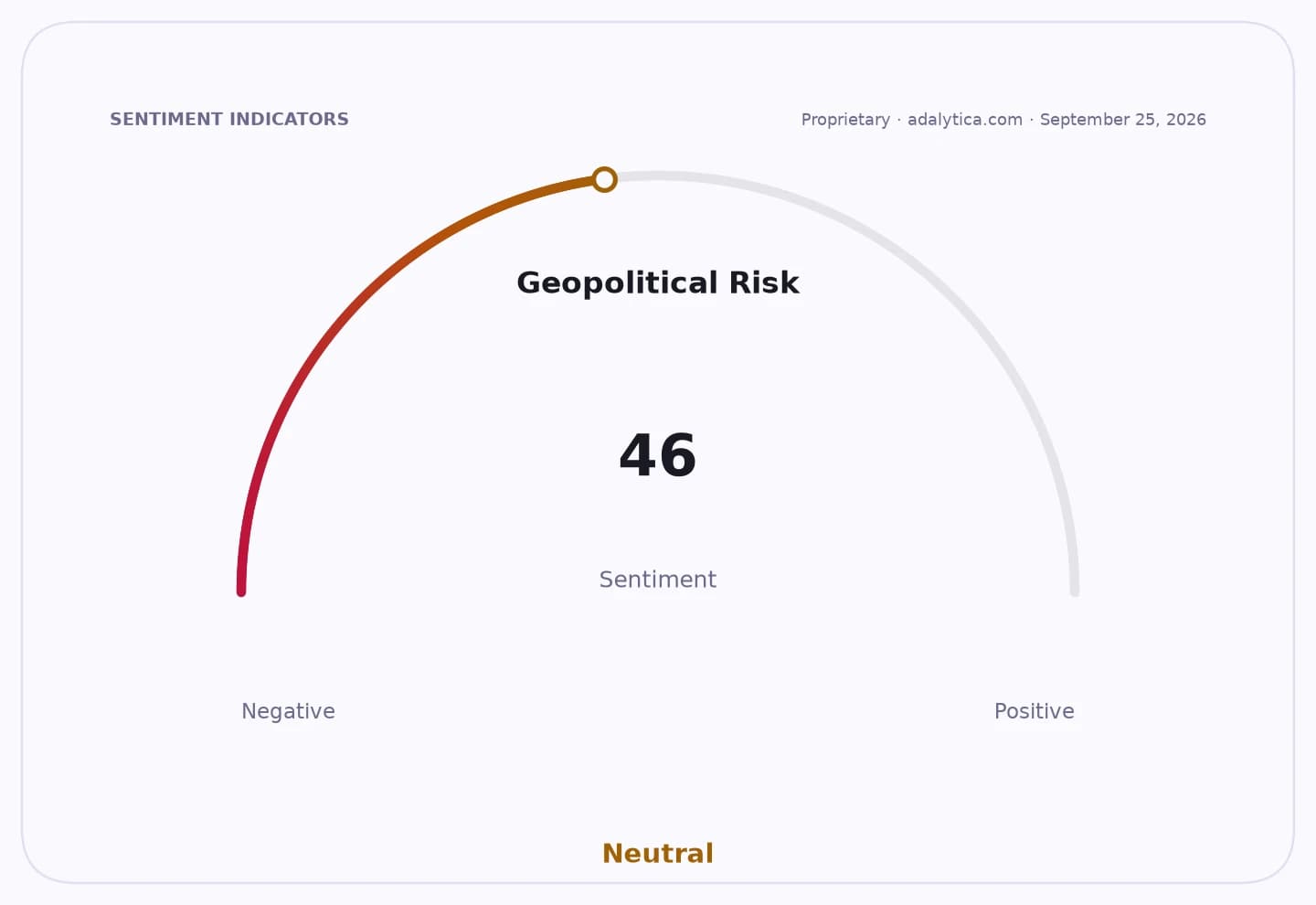
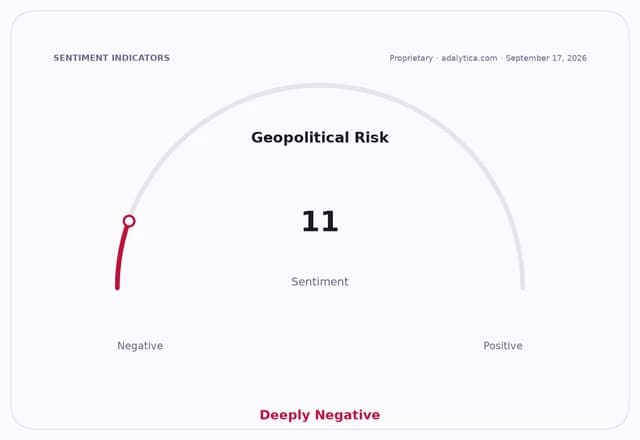
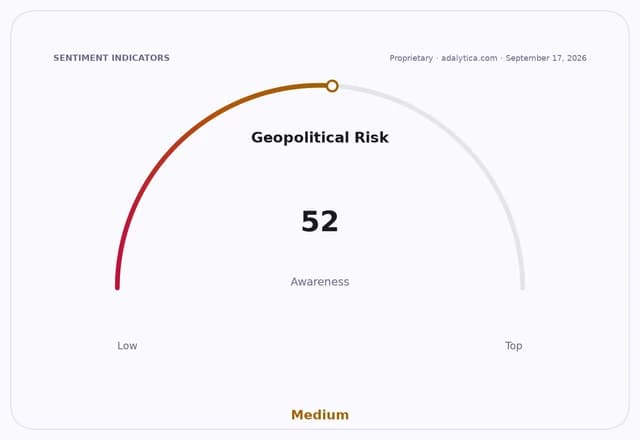
Sentiment IndicatorsⓘProprietary · adalytica.com · September 17, 2026
This is a snapshot — live sentiment, awareness and momentum for 130+ markets update continuously in the dashboard.Open AlphaPulse
That combination is a problem for Beijing because it strengthens a neighbor it prefers to keep stable, not empowered. Chinese officials see a more confident North Korea as a source of regional volatility that could sharpen US, South Korean and Japanese security cooperation, or even fuel nuclear proliferation pressures in Northeast Asia. It also risks diluting China’s own influence over Pyongyang, at a time when Moscow has become the more active partner.
The scale of the Russia-North Korea military relationship has accelerated sharply. South Korea’s defense intelligence agency estimates Pyongyang has sent more than 16,000 people to Russia since October 2024 and supplied more than 15 million artillery shells, along with dozens of KN-23 and KN-24 missiles. Over the last 18 months, Russia and North Korea have held 23 high-level ministerial visits, compared with only eight between China and North Korea, underscoring where the momentum lies.
The economic logic is straightforward. Russia needs ammunition and personnel at a moment when sanctions, battlefield attrition and domestic war fatigue are all rising. North Korea needs hard currency, with estimates in the source material putting its earnings from munitions sales and troop deployments at $7.7 billion to $14.4 billion. The bridge can make that exchange easier by reducing frictions in transport and logistics, and by deepening the infrastructure behind a trade relationship that was worth just $42 million in 2020.
For investors, the direct read-through is not to a single stock but to the broader risk premium attached to Northeast Asia and to global energy and defense markets. A more entrenched Russia-North Korea axis raises the odds of more sanctions enforcement, more US-led military coordination in the region and a higher probability of episodic escalation that can unsettle markets. The story also keeps geopolitical risk bid in assets tied to security spending, while reinforcing the case for caution in sectors exposed to trade disruption or Asian supply-chain shocks.
The market backdrop already reflects that tension. Adalytica’s Global Stability Sentiment gauge is at 11, labeled “Extreme Fear,” while its US-China Relations Sentiment stands at 41, in neutral territory but falling sharply over the past week. Conventional technical indicators on USO, the oil ETF, show a stretched rally, with the relative strength index at 80 and the price well above its 50-day moving average, suggesting investors are paying up for geopolitical hedges.
China’s dilemma is that it cannot easily oppose the partnership openly without validating a security bloc it does not control. But nor does it want a militarily emboldened North Korea on its border, especially one made more capable by Russian hardware and battlefield experience. That leaves Beijing trying to manage two partners whose interests increasingly overlap in ways that may strengthen both — and weaken China’s leverage over the peninsula.
For investors, the bridge is a reminder that the Russia-North Korea relationship is becoming operational, not just rhetorical. The key catalyst now is whether the logistical and military cooperation widens further, drawing in more technology transfer, more troop involvement and more pressure on China to respond to a regional alignment it would prefer did not exist.
| Entity | Gains | Losses |
|---|---|---|
| Russia | ▲More ammo and manpower | ▼Higher dependence on Pyongyang |
| North Korea | ▲Cash and military technology | ▼Greater sanctions risk |
| China | ▲Short-term leverage against West | ▼Influence over Pyongyang |
| US, South Korea, Japan | ▲Stronger security coordination | ▼Higher regional tension |