Armenia’s foreign minister Ararat Mirzoyan is set to visit Tehran tomorrow, a trip that comes as Yerevan reviews whether to join sanctions on Iran and reassesses how far it can go in tightening ties with the West without damaging a vital regional relationship.
Armenia Foreign Minister to Visit Tehran
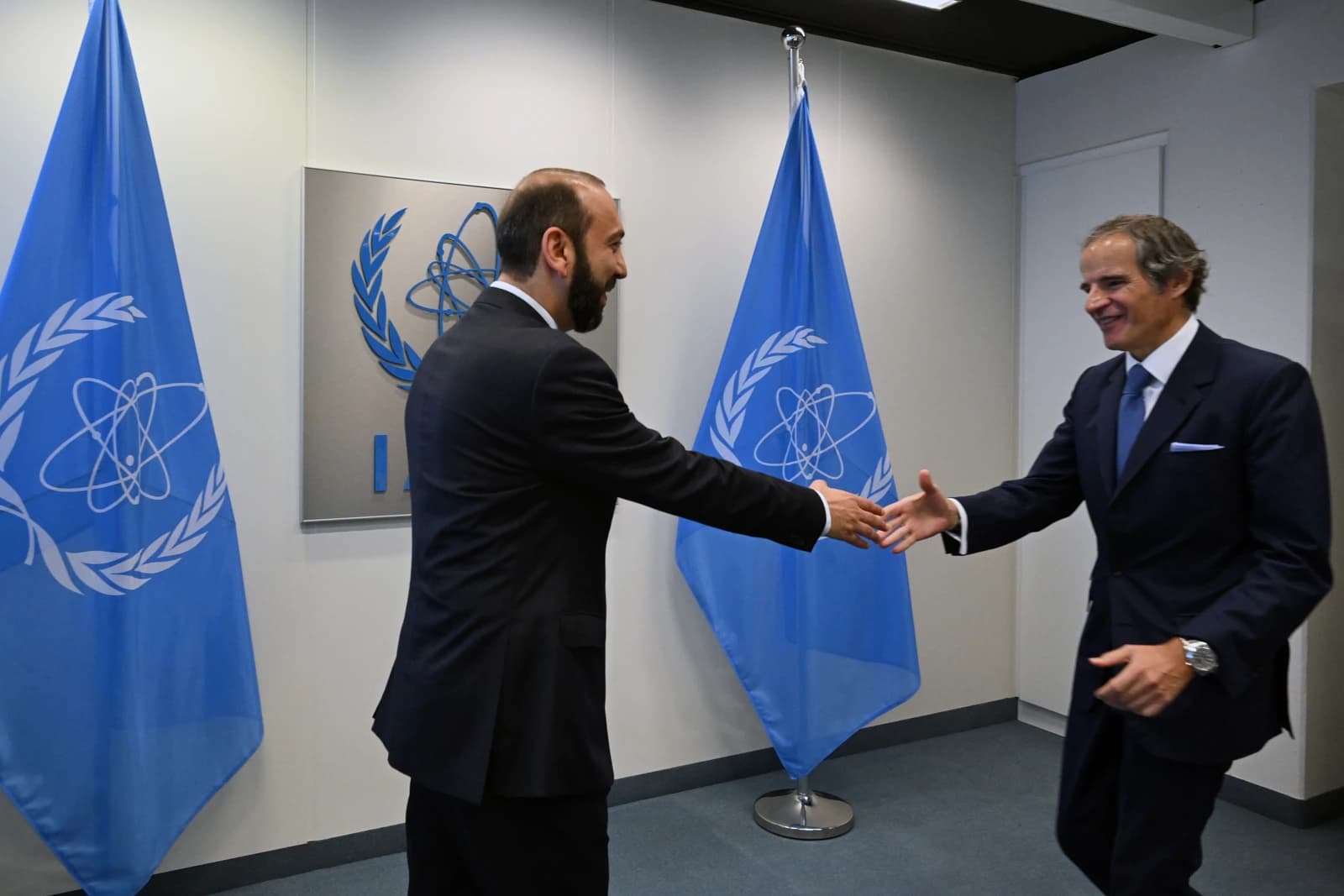
The visit matters because Armenia and Iran sit on a narrow but strategically important corridor in the South Caucasus, where diplomacy, trade and security are tightly linked. For Yerevan, Iran is not just a neighbor but a key economic outlet and geopolitical counterweight at a time when Armenia is under pressure from Azerbaijan, exposed to regional volatility and trying to diversify partnerships beyond Russia.
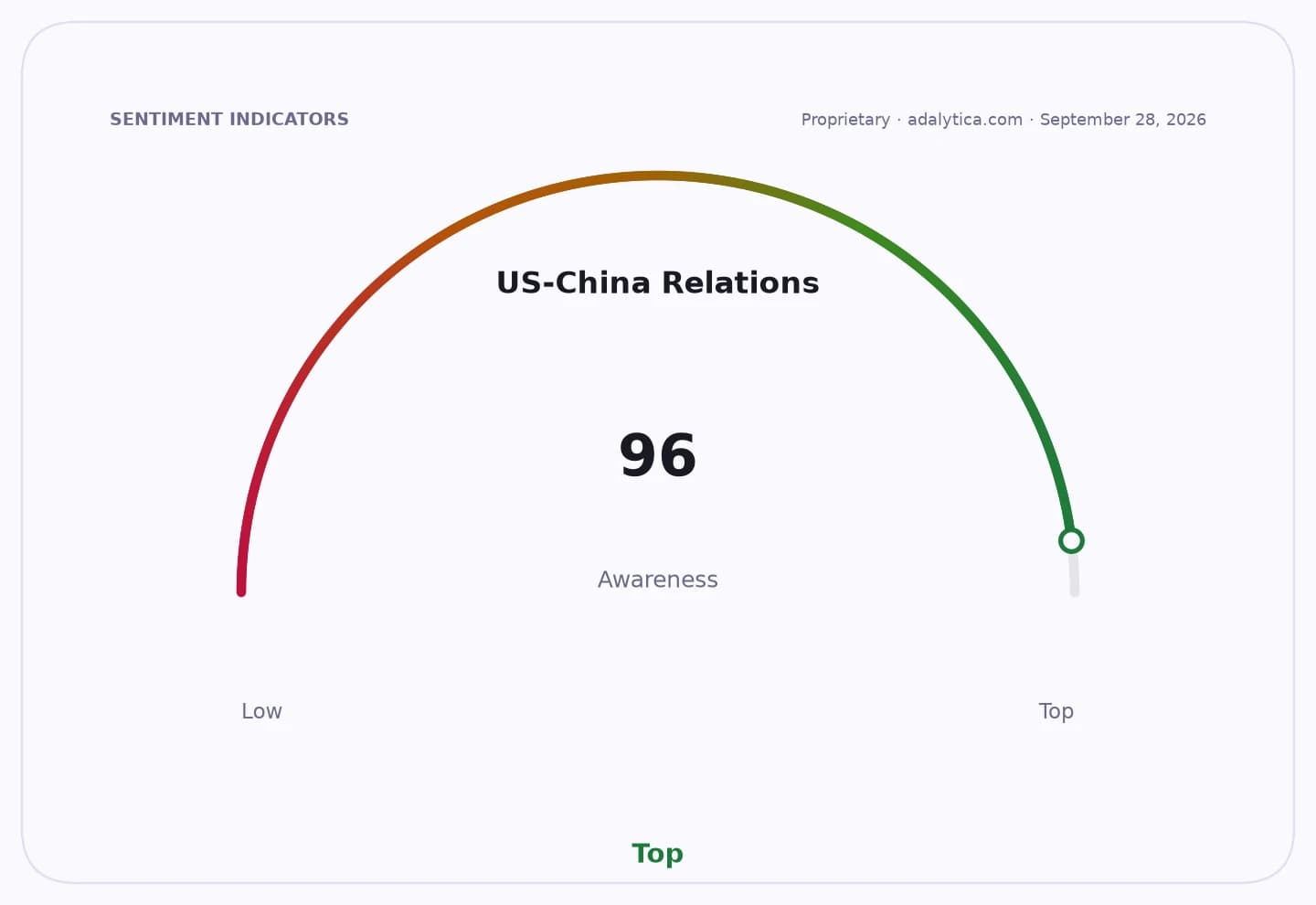
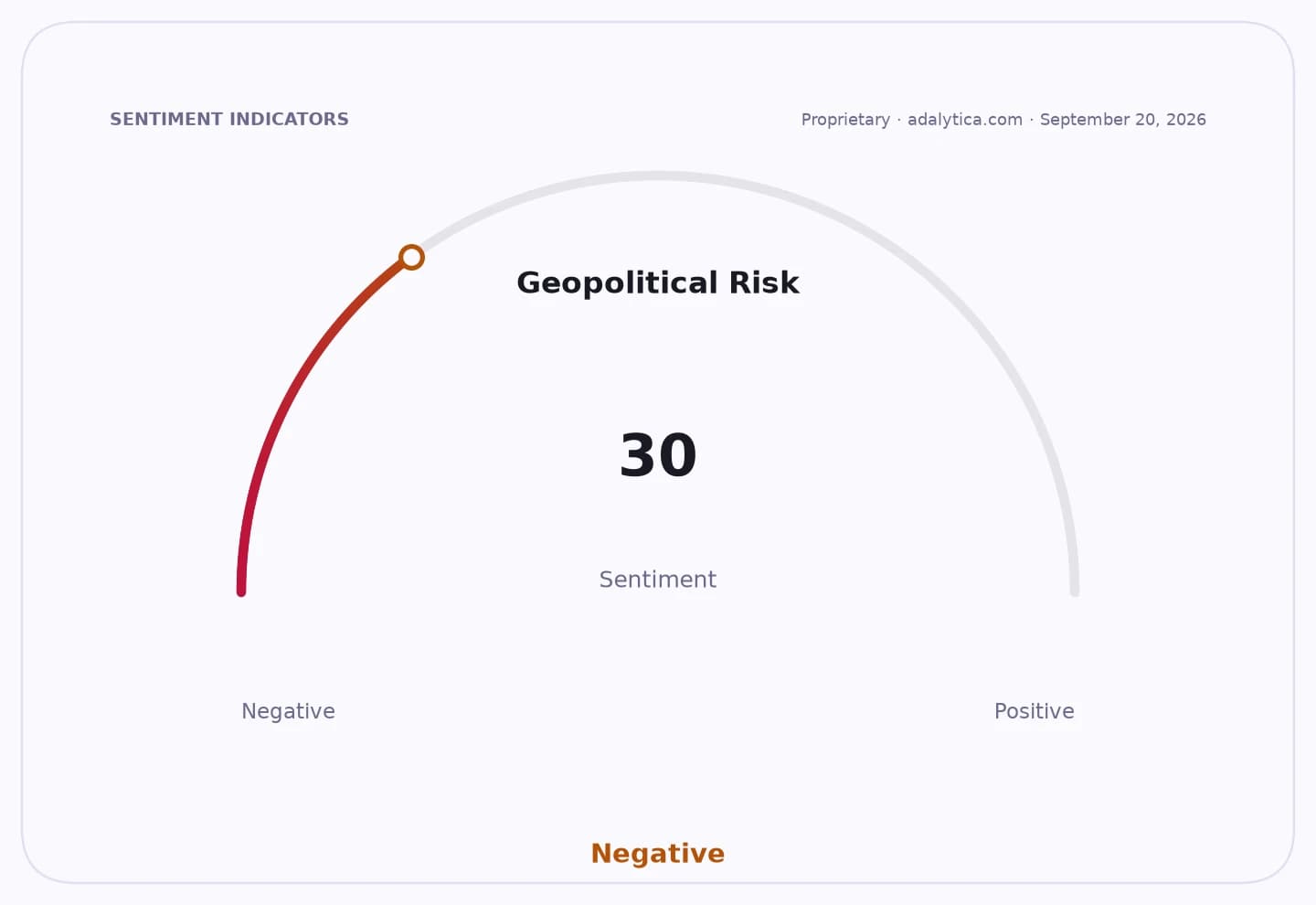
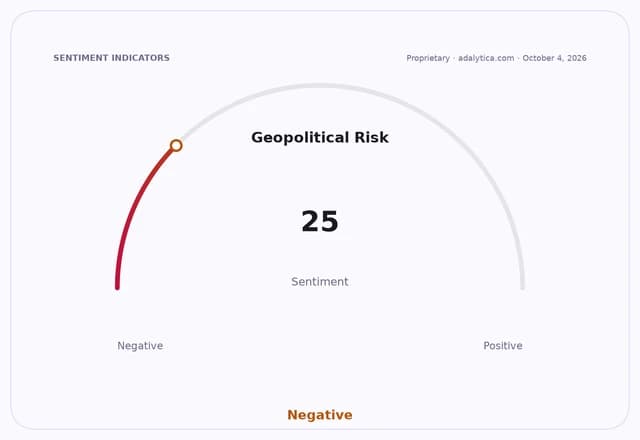
Sentiment IndicatorsⓘProprietary · adalytica.com · October 4, 2026
This is a snapshot — live sentiment, awareness and momentum for 130+ markets update continuously in the dashboard.Open AlphaPulse
Iran’s foreign ministry said the talks will focus on bilateral ties and on strengthening regional peace and security. That framing suggests both sides want to contain any fallout from Armenia’s policy review and keep the broader economic relationship intact even as sanctions questions hang over the agenda. For Tehran, preserving access to Armenia matters because it helps maintain a foothold in the South Caucasus and supports cross-border trade at a moment when its own external links remain constrained.
For investors, the significance lies less in the immediate diplomatic optics than in the policy trajectory it may signal. If Armenia moves closer to sanctions compliance, that could complicate commerce with Iran and alter regional transport and transit calculations, especially for businesses exposed to the South Caucasus logistics chain. If Yerevan instead prioritizes pragmatic ties with Tehran, it would underscore Armenia’s continued balancing act between Western alignment and hard economic geography.
The visit also lands against a backdrop of elevated geopolitical risk. Adalytica’s Global Stability Sentiment gauge is in “Fear” at 25, with awareness in “Extreme Fear” at 4, pointing to a market environment in which small policy shifts can quickly ripple through currencies, trade routes and risk assets. In that setting, a conversation between Mirzoyan and Iranian officials is more than routine diplomacy: it is a test of how much room Armenia has to maneuver before external pressure forces a sharper choice.
Markets are unlikely to price a major direct impact immediately, but the medium-term stakes are real. A thaw in Armenia-Iran cooperation would support regional trade continuity, while a harder line on sanctions could add friction to an already fragile corridor economy. The key catalyst now is whether the Tehran meetings produce a clearer signal on Armenia’s sanctions review and on how both capitals intend to manage a relationship that remains economically useful but increasingly exposed to geopolitical strain.
| Entity | Gains | Losses |
|---|---|---|
| Armenia | ▲Diplomatic leverage | ▼Policy flexibility |
| Iran | ▲Regional access | ▼Sanctions risk |
| Traders/Logistics firms | ▲Trade continuity | ▼Corridor disruption |
| Western-aligned policymakers | ▲Sanctions coordination | ▼Armenia-Iran commerce |