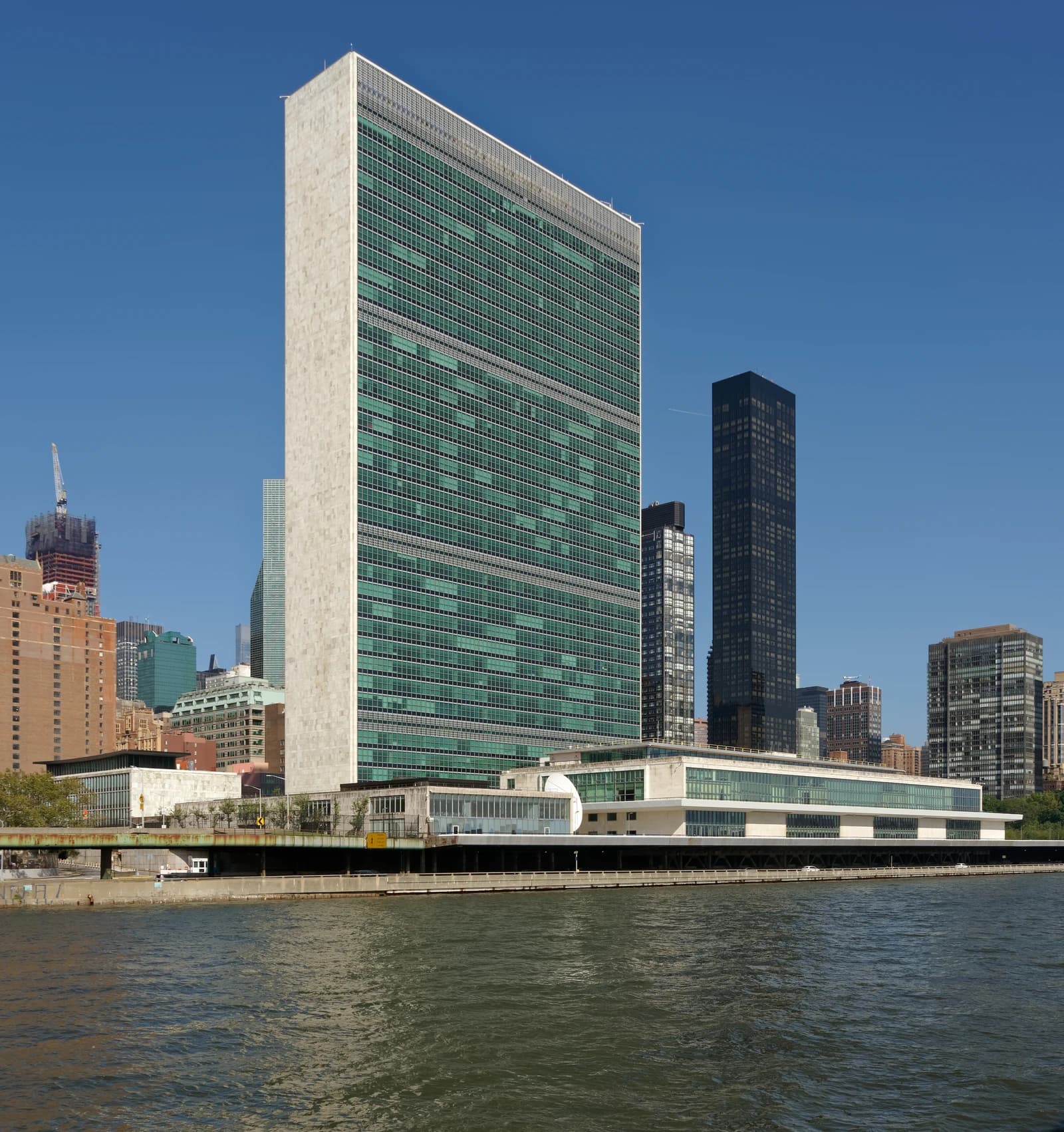
Iran and Ukraine used the sidelines of the UN General Assembly to keep a diplomatic channel open at a moment when the war in Ukraine, Middle East tensions and pressure on Tehran are converging.
Iran, Ukraine keep UN diplomatic channel open
The meeting between Ukrainian Foreign Minister Andriy Sybiha and Iranian Foreign Minister Abbas Araghchi mattered less for any immediate breakthrough than for what it signaled: both sides have a stake in preventing another escalation. Sybiha said the talks focused on bilateral steps to avoid a rise in tensions and that the two countries agreed to keep lines of communication open.
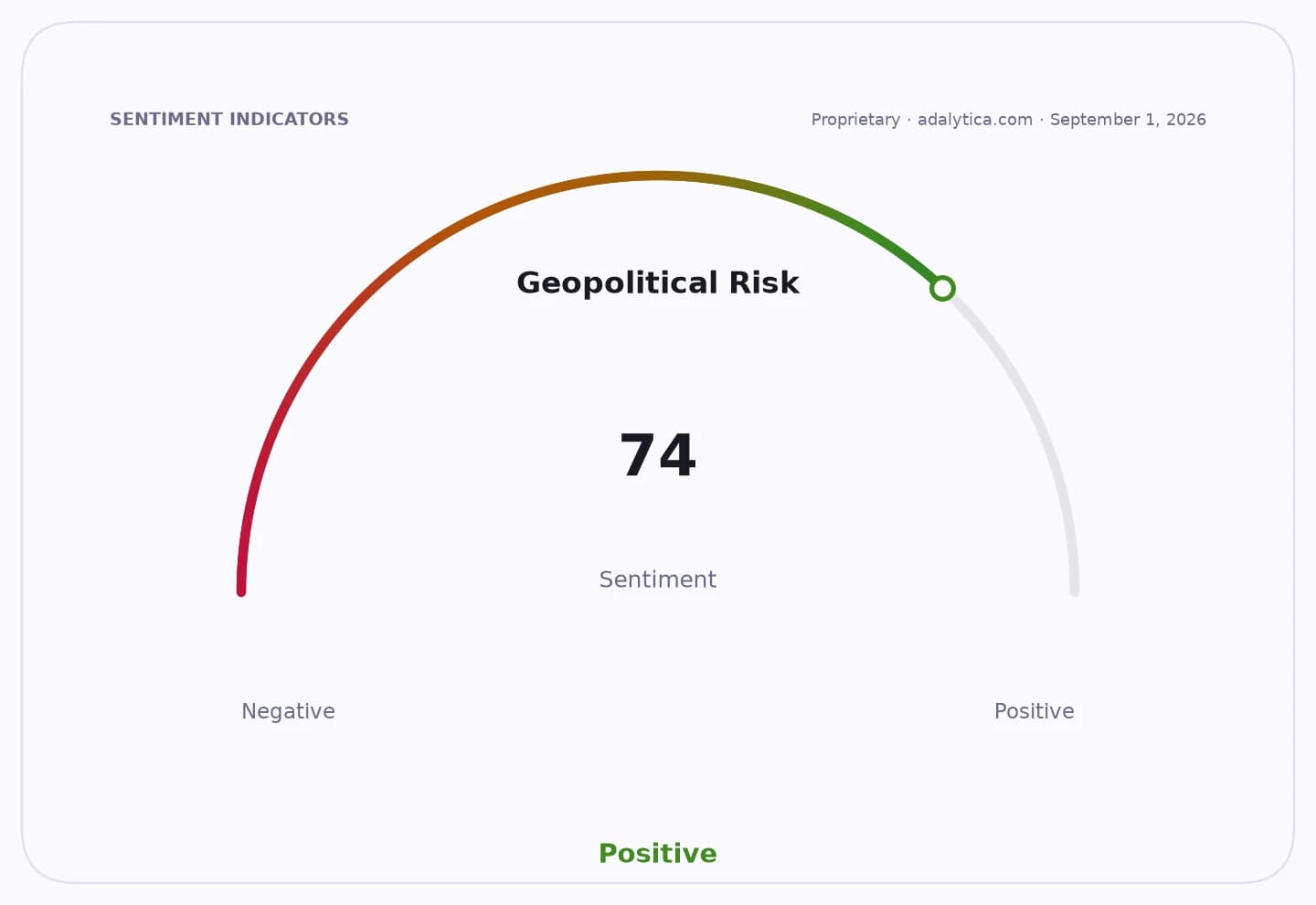
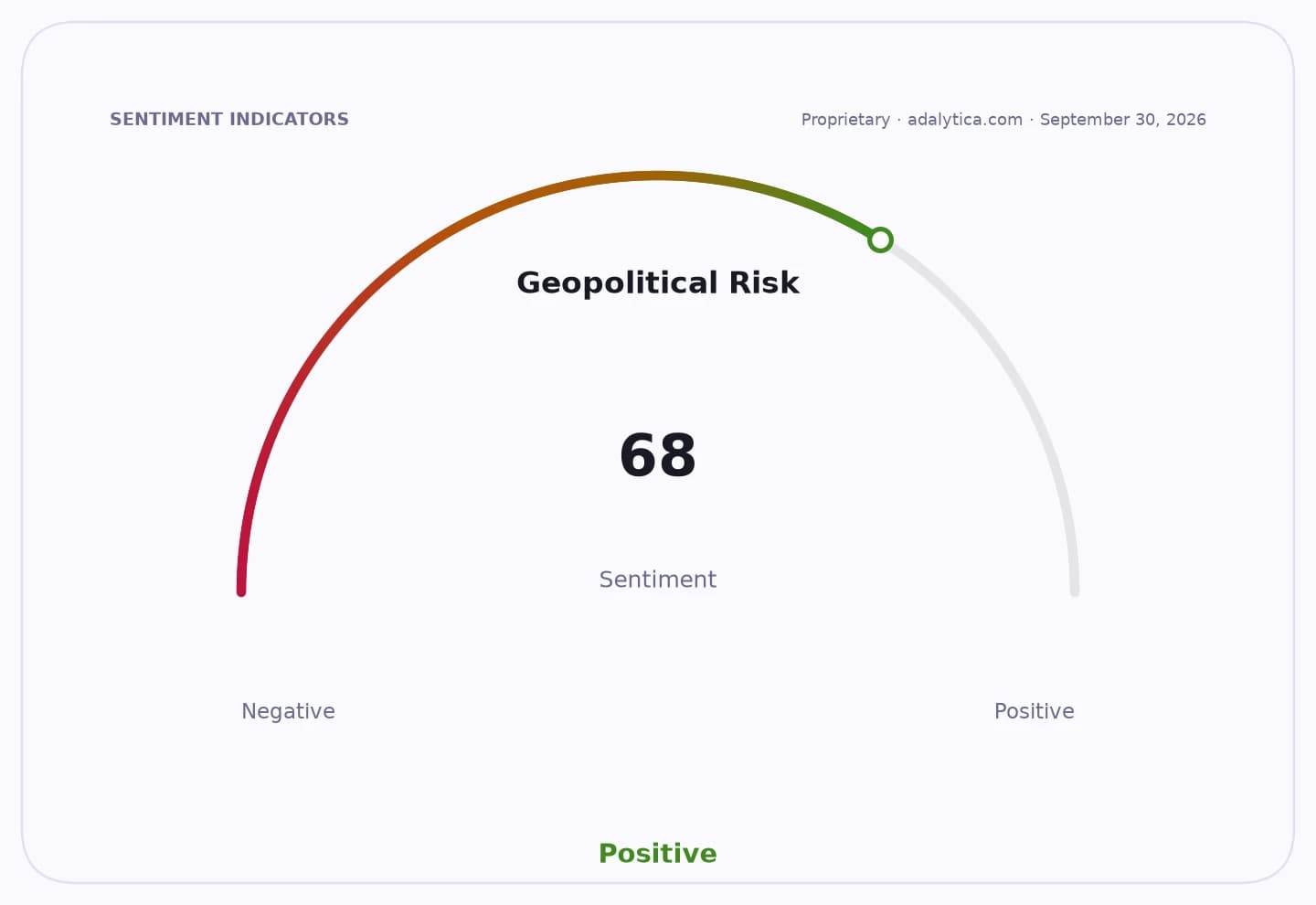
Sentiment IndicatorsⓘProprietary · adalytica.com · September 29, 2026
This is a snapshot — live sentiment, awareness and momentum for 130+ markets update continuously in the dashboard.Open AlphaPulse
That is economically relevant because the conflict between Kyiv and Tehran is not isolated. Iran is one of Russia’s closest allies in the war against Ukraine, and any sharp deterioration in Ukrainian-Iranian ties would add another layer of geopolitical risk to already strained energy, shipping and security markets. The Caspian Sea has become a flashpoint before, and a July Ukrainian strike on an Iranian vessel there killed one sailor and wounded two others, prompting Tehran to threaten retaliation.
For investors, the immediate significance is not a tradeable deal but a reduction in tail risk. Any sign that diplomacy can hold, even provisionally, lowers the odds of fresh disruptions to Black Sea and Caspian logistics, further escalation in the Russia-Iran relationship, or new shocks to oil-linked assets and regional risk premiums. Markets have been quick to price geopolitical stress when it threatens energy supply or shipping routes, and the UN talks suggest at least a temporary effort to cap that risk.
The broader backdrop is more complex. Donald Trump, in his UN remarks, called for the economic isolation of Iran while saying he remained optimistic about agreements on Tehran’s nuclear program and on peace in Ukraine, though he suggested substantive deals may wait until after the U.S. midterm elections in November. That mix of pressure and conditional diplomacy underscores how little room there is for lasting de-escalation before politics in Washington and elsewhere reshape the negotiating landscape.
For now, the talks point to pragmatic damage control rather than reconciliation. Ukraine is trying to prevent a second front of diplomatic confrontation with a country that supplies strategic backing to Russia, while Iran is seeking to avoid new retaliation and preserve maneuvering room as sanctions pressure persists. The next market-relevant test will be whether those channels are used to contain incidents, or whether one more strike, sanction or political move turns a managed rivalry into a fresh escalation cycle.
| Entity | Gains | Losses |
|---|---|---|
| Ukraine | ▲Lower escalation risk | ▼Less leverage if talks stall |
| Iran | ▲Open diplomatic channel | ▼Pressure over support for Russia |
| Global markets | ▲Reduced tail risk | ▼Renewed shock if tensions rise |
| Russia | ▲Breathing room via ally | ▼More pressure if Iran stays restrained |