Iran has ordered Sweden’s ambassador to leave Tehran within 48 hours, turning a diplomatic dispute over alleged espionage and threats to Israeli interests into a fresh sign of how quickly Europe’s tensions with Tehran can spill over into broader security and market anxiety.
Iran Orders Sweden Ambassador to Leave Tehran

The move is a direct response to Stockholm’s decision to expel an Iranian embassy official, which Sweden said was tied to long-running Iranian activity on Swedish soil targeting dissidents as well as Jewish and Israeli interests. Tehran has rejected the allegations as baseless and framed Sweden’s step as a violation of international law.
For investors, the immediate economic impact is limited, but the geopolitical implications are not. The exchange adds another layer of friction between Iran and a European Union member at a time when regional risk premia remain sensitive to conflict in the Middle East, sanctions enforcement and the security of diplomatic channels. It also reinforces concerns that state-backed pressure campaigns are increasingly playing out in Europe, not just in the Gulf or around shipping lanes.
The dispute comes against a backdrop of already strained ties. Sweden has accused Iran of activity inside the country that has included attempts to recruit criminal gangs for violence against Israeli targets, allegations Tehran denies. The two governments have also clashed over the execution in Iran of a Swedish-Iranian man accused of spying for Israel, while another Iranian-Swedish dual national remains imprisoned in Tehran. Those cases make the latest expulsions less an isolated incident than part of a longer cycle of retaliation.
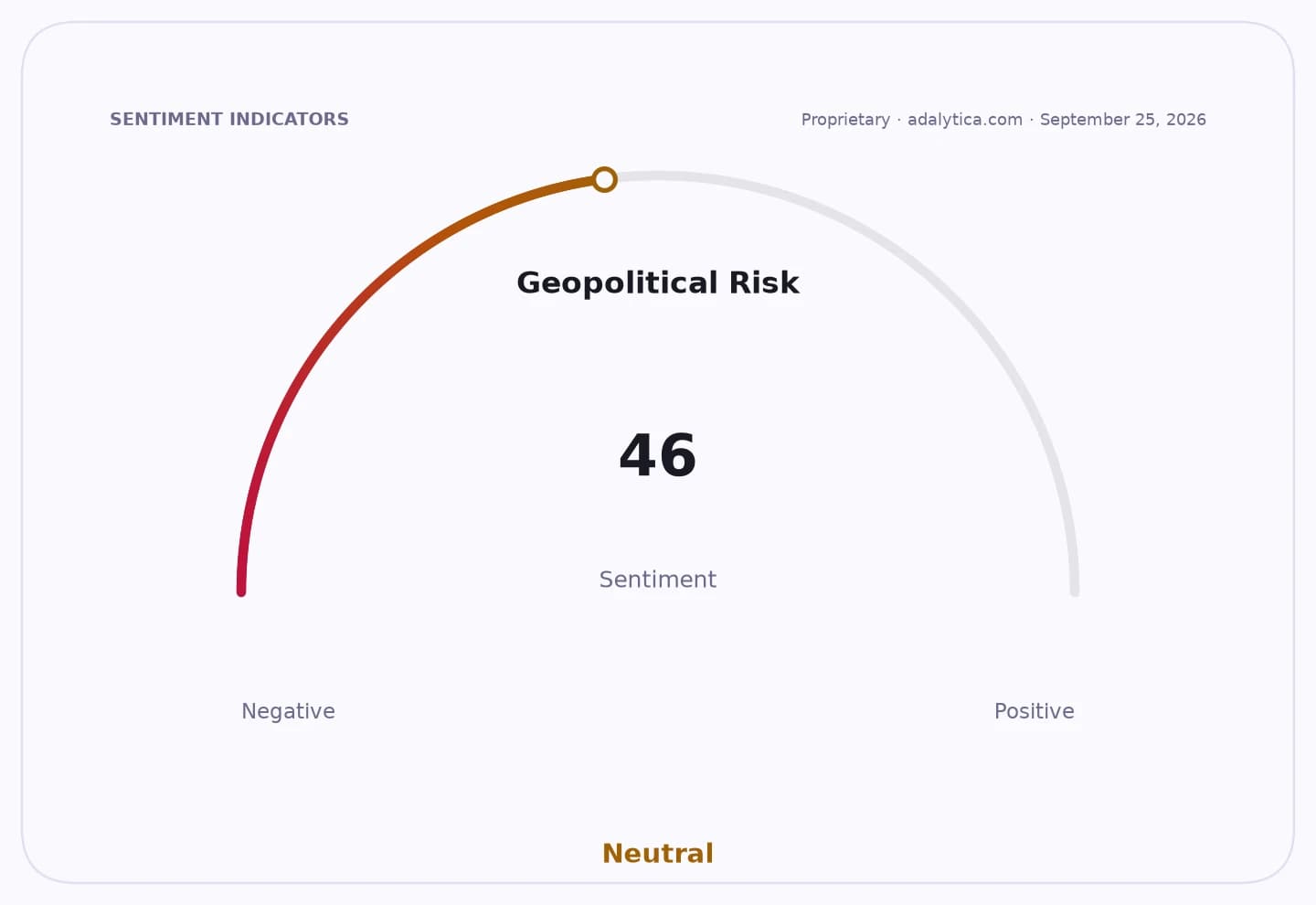
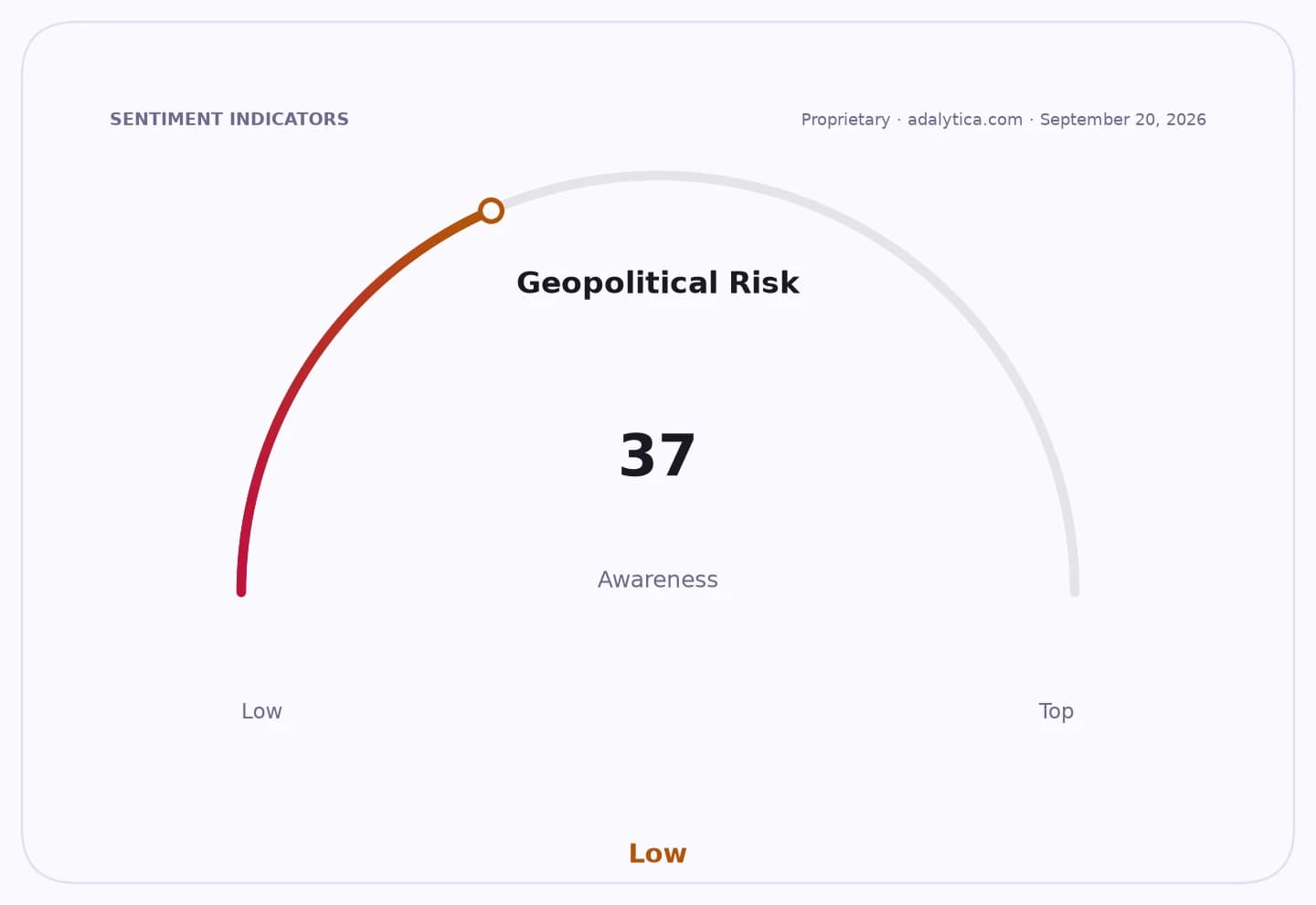
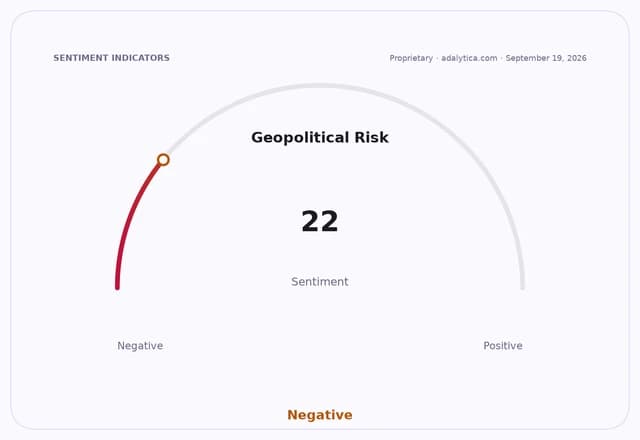
Geopolitical Risk — 30-day sentimentadalytica.com
Explore this data interactively — full history, time series and cross-market comparisons.Open AlphaPulse
The broader market read-through is mostly indirect but still relevant. Escalation involving Iran tends to keep attention on energy security, regional military risk and the possibility of further diplomatic breakdowns between Tehran and Europe. So far, there is no sign this episode alters oil supply fundamentals or triggers sanctions changes, but it does support a cautious stance toward geopolitical risk assets and defense-related names, while offering little comfort to sectors exposed to Middle East instability.
Adalytica’s Global Stability Sentiment remains in fear territory, reflecting the fragile backdrop for cross-border diplomacy and risk-taking more broadly. While this standoff is not a market-moving event on its own, it adds to a pattern investors are watching closely: persistent state-to-state confrontation that can intensify quickly and leave policy, security and energy markets more vulnerable to surprise.
The key question now is whether both sides stop at expulsions or whether the row widens into further consular, legal or sanctions-related measures. If so, the economic relevance would rise fast, particularly if European capitals move to harden their stance on Iranian security operations or if Tehran seeks additional retaliation against European diplomats.
| Entity | Gains | Losses |
|---|---|---|
| Iran | ▲Signals defiance | ▼Deepens isolation |
| Sweden | ▲Defends security line | ▼Faces diplomatic backlash |
| EU investors | ▲Gain clarity on risk | ▼Higher geopolitical uncertainty |
| Israel-linked interests | ▲Tighter security focus | ▼Remain exposed to threats |