Azerbaijan’s cotton export earnings rose 23.3% in the first eight months of this year, underscoring how the country is eking out a larger role in a global fiber market under pressure from weather shocks, regulatory scrutiny and uneven demand.
Azerbaijan Cotton Exports Rise 23.3% to $187.9M
The value of cotton shipped abroad reached $187.9 million in January-August, according to customs data, while cotton imports climbed 13.9% to $7.14 million. Cotton exports accounted for 0.86% of Azerbaijan’s total exports over the period, a reminder that the commodity remains a niche but useful foreign-exchange earner rather than a dominant trade pillar.
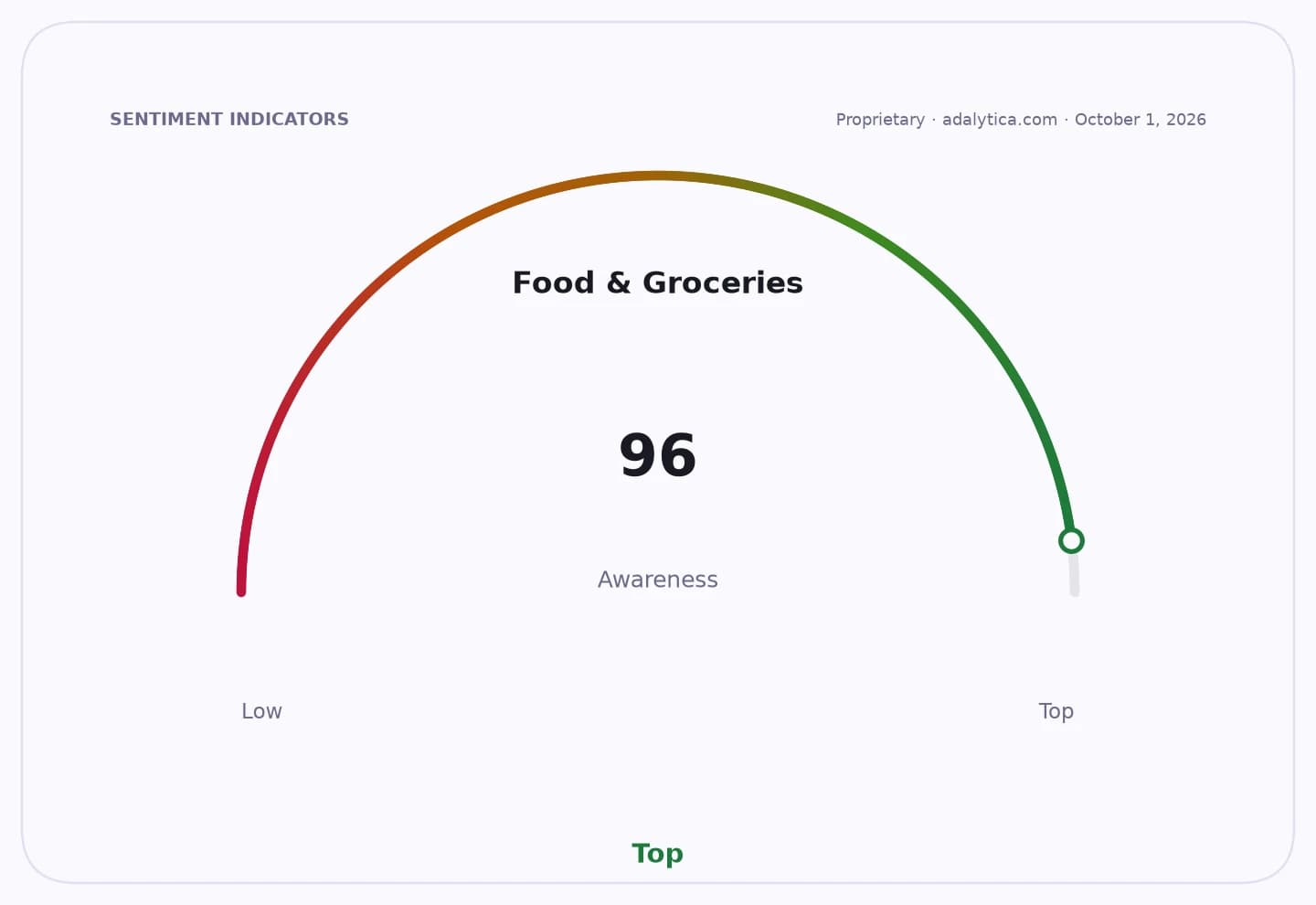
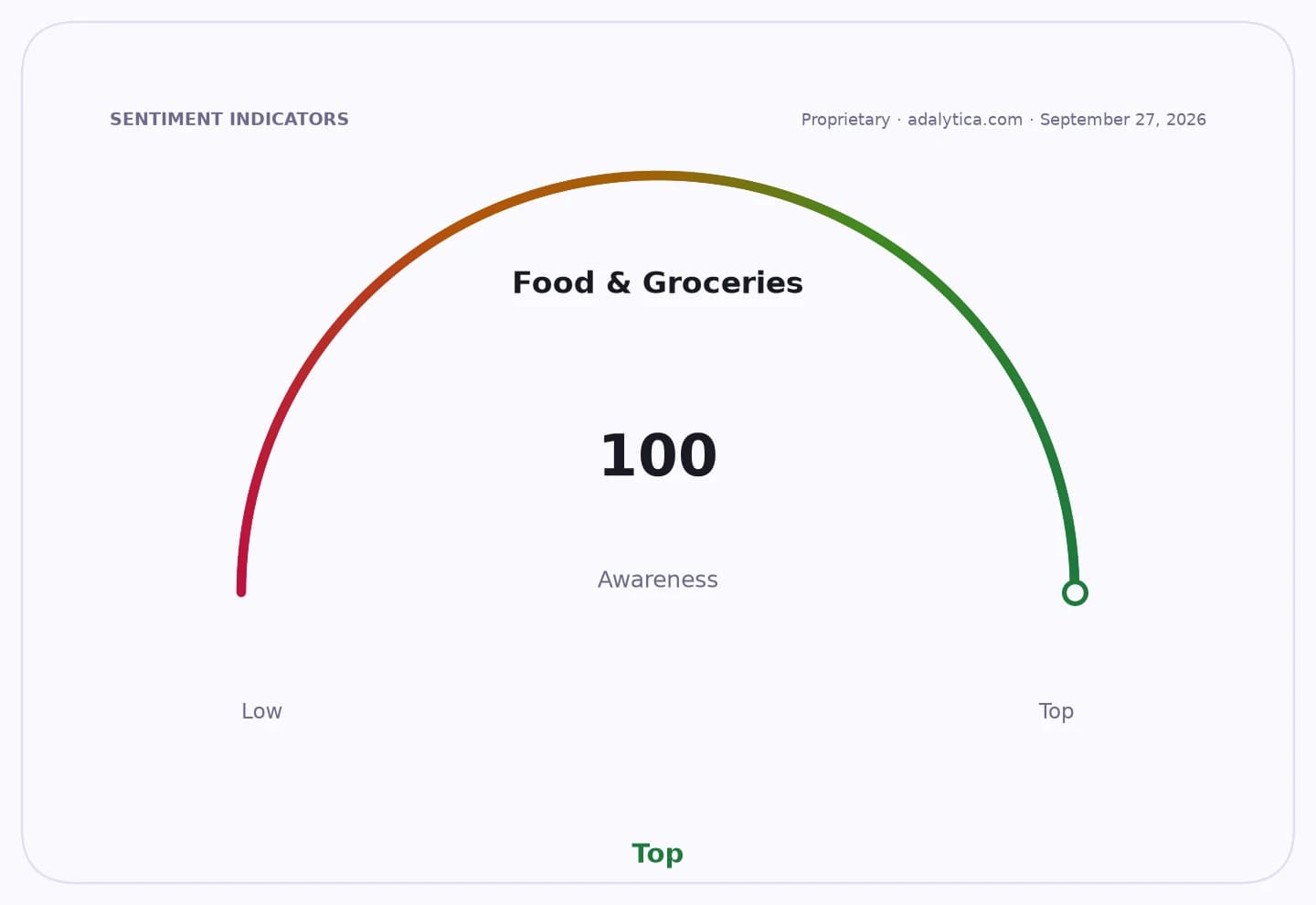
Sentiment IndicatorsⓘProprietary · adalytica.com · October 13, 2026
This is a snapshot — live sentiment, awareness and momentum for 130+ markets update continuously in the dashboard.Open AlphaPulse
That matters because for a smaller exporter like Azerbaijan, cotton is less about headline GDP impact and more about hard currency, rural income and trade diversification. Every incremental gain in fiber exports helps offset the economy’s heavy reliance on hydrocarbons and gives Baku another lever as energy prices fluctuate. It also suggests the country is capturing more value from agricultural output at a time when supply chains are being reshaped by climate risk and policy shifts across major producing regions.
The broader cotton backdrop is mixed. Floods and extreme rainfall have damaged crops in parts of South Asia, while harvests are beginning in Turkey and quality concerns continue to dog some Asian production. In that environment, even modest exporters can benefit if global buyers seek steadier supply, better traceability or alternate origins. For traders, that creates an investable theme around the logistics, warehousing and trade-finance rails that sit behind commodity flows, not just the growers themselves.
For investors, Azerbaijan’s increase is a sign that agricultural export income can rise even without a breakthrough in production scale. The real opportunity lies in the second-order beneficiaries: freight, port services, customs brokers, insurers and financiers that capture fees on every ton moved. If cotton exports keep compounding, the market may eventually assign more value to the country’s non-energy trade infrastructure and to businesses tied to the Caucasus’ export corridor.
The takeaway is simple: Azerbaijan’s cotton business is still small, but it is moving in the right direction, and in a world where supply chains are being rewired by weather, tariffs and quality controls, that kind of steady export growth can become more valuable than it first looks.
| Entity | Gains | Losses |
|---|---|---|
| Azerbaijan cotton exporters | ▲Higher FX earnings | ▼Local buyers facing firmer supply costs |
| Trade and logistics providers | ▲More shipment volume | ▼Margin pressure if costs rise |
| Rural producers | ▲Better export demand | ▼Exposure to crop/weather risk |
| Competing cotton exporters | ▲Less pricing power | ▼Market share to newer origins |