Egypt’s cotton exports have declined over the past four years, underscoring pressure on one of the country’s strategic crops and raising questions about farm incomes, foreign-currency earnings and the competitiveness of Egyptian cotton in global markets.
Egypt cotton exports fall as acreage shrinks
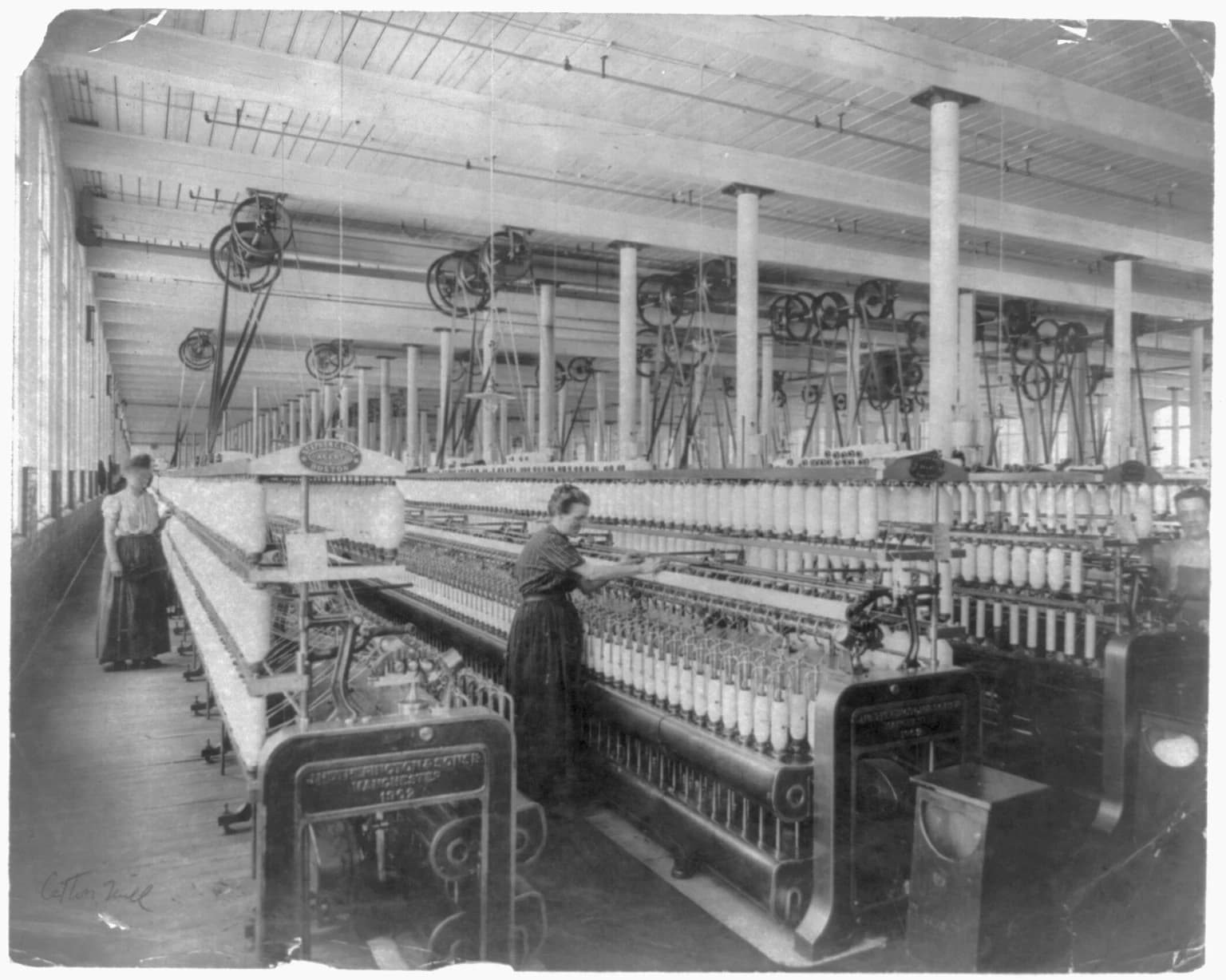
Official trade data cited by Al-Masry Al-Youm show Egypt exported 69,662 tons of raw cotton worth $220.958 million in 2021, down by 24,202 tons and $67.435 million from four years earlier, a drop of 31% in value. The slide matters because cotton is not just an agricultural commodity in Egypt; it is a source of export revenue, rural employment and industrial input.
Sentiment IndicatorsⓘProprietary · adalytica.com · October 10, 2026
This is a snapshot — live sentiment, awareness and momentum for 130+ markets update continuously in the dashboard.Open AlphaPulse
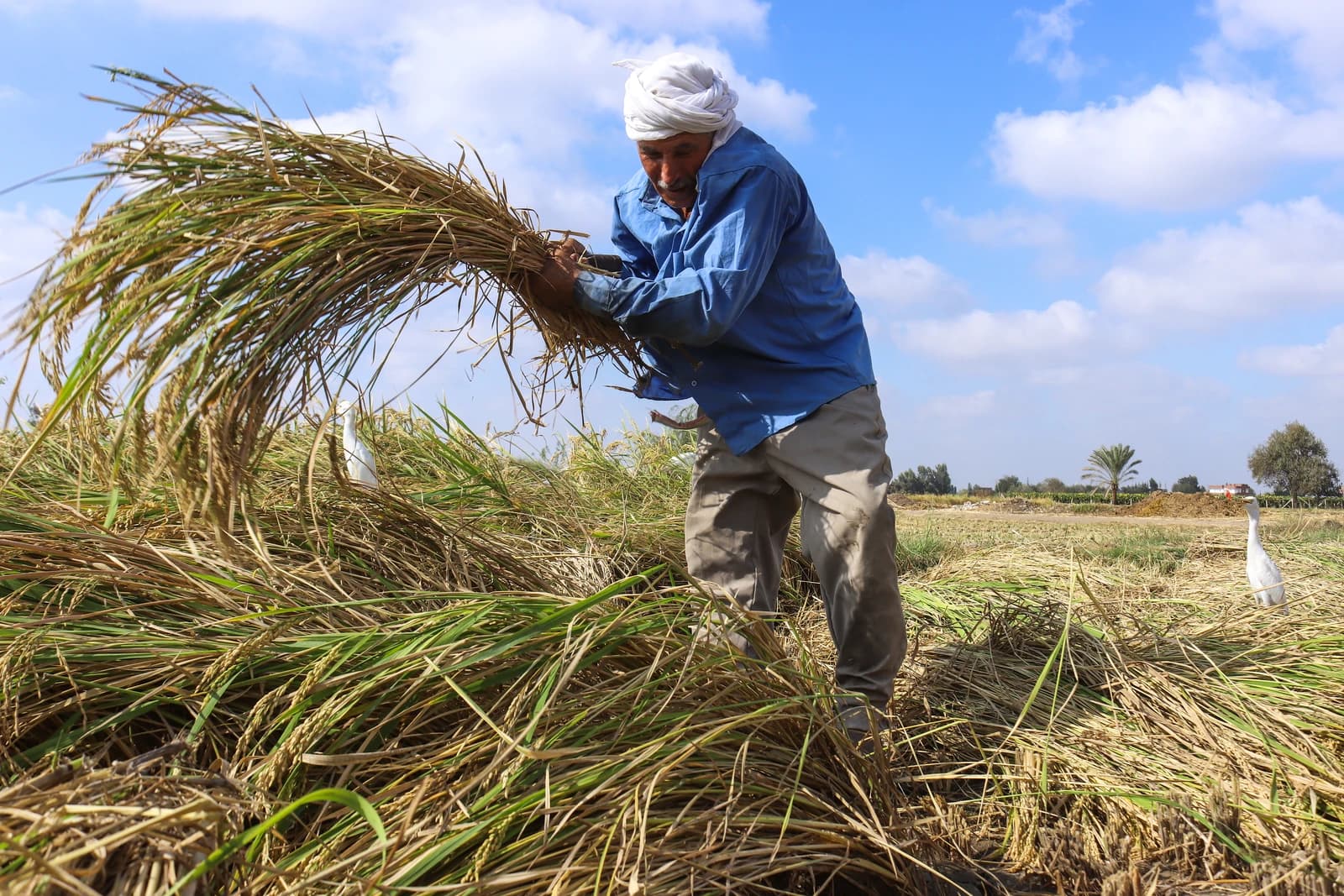
India was the largest buyer of Egyptian raw cotton, importing 32,737 tons worth $110.028 million, but that too was down sharply from four years ago. The export retreat comes as the planted area has fallen to 120,000 feddans, though it had risen to 220,000 feddans this year after directives from President Abdel Fattah el-Sisi, according to Hussein Abu Saddam, head of the farmers’ union.
Farmers’ complaints point to the core economic problem: official procurement prices are too low to make cotton attractive. Abu Saddam said the government set indicative prices at 12,000 Egyptian pounds per feddan in the Delta and 10,000 pounds in Upper Egypt, levels he said farmers reject and that companies are unwilling to pay. That mismatch can curb planting, squeeze supply and weaken Egypt’s position in a market where quality and consistent output matter.
For investors and policymakers, the story is about more than one crop year. Lower cotton exports mean less hard currency, weaker rural demand and less feedstock for textile producers trying to build a domestic value chain. If the government wants to revive acreage and exports, it will likely need to support farmgate prices, provide affordable seed and push export promotion in overseas markets.
The next test is whether higher planting incentives and better procurement terms can reverse the decline before the next export season. Without that, Egypt risks losing more ground in a crop long marketed as a national brand.
| Entity | Gains | Losses |
|---|---|---|
| Farmers | ▲Higher support prices | ▼Low farmgate returns |
| Exporters | ▲Bigger crop supply | ▼Smaller export volumes |
| Egypt | ▲Foreign-currency earnings | ▼Trade revenue |
| Indian buyers | ▲Cheaper negotiating leverage | ▼Less supply from Egypt |