Egypt is trying to turn a historic brand advantage in cotton into a broader industrial comeback, betting that new varieties, tighter marketing rules and modern gins can lift output, protect quality and move more of the crop into higher-value textile production.
Egypt Cotton Output, Gins, and New Giza Varieties
The push matters because Egyptian cotton has long commanded a premium for its long staple, softness and uniformity, but that premium has been eroded by weaker productivity, quality leakage and a heavy reliance on raw exports. Raising cultivated area to about 202,000 acres this season, with an expected crop of around 1.2 million kantars, gives Cairo a base to rebuild supply. More important for investors and manufacturers, the strategy is shifting from volume alone to value retention: keep the fiber clean, preserve varietal identity and channel more of it into spinning, weaving and apparel rather than shipping the commodity out unchanged.
Sentiment IndicatorsⓘProprietary · adalytica.com · October 12, 2026
This is a snapshot — live sentiment, awareness and momentum for 130+ markets update continuously in the dashboard.Open AlphaPulse
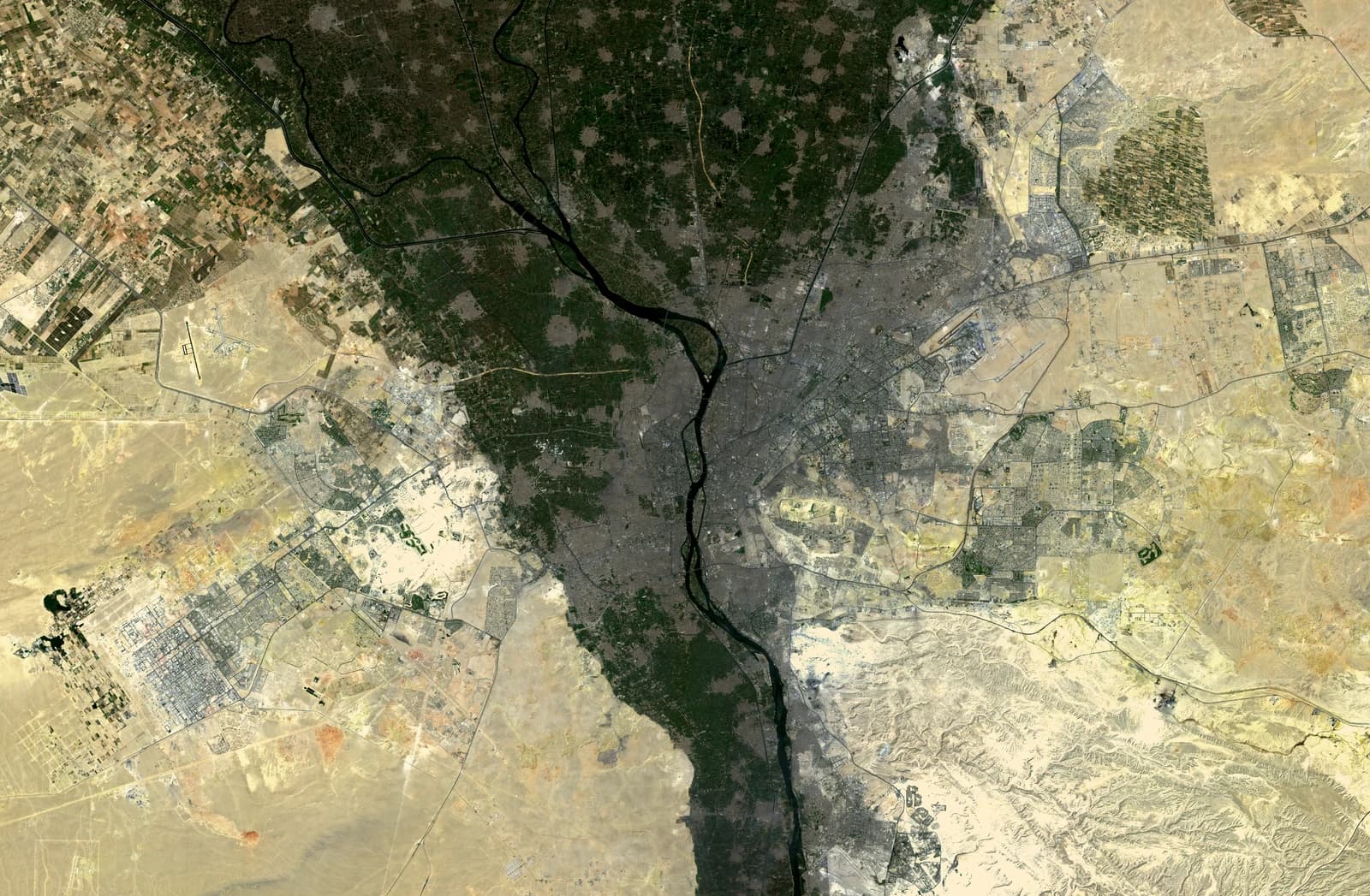
That is the economic logic behind the crop and the infrastructure spending. Egypt’s eastern Nile Delta accounts for the bulk of planting, with about 191,700 acres versus 10,300 acres in Upper Egypt, underscoring how concentrated the industry remains. The geography matters because cotton quality is highly sensitive to handling, sorting and gin performance, and Egypt is trying to reduce the blending that can dilute the “Egyptian cotton” label in overseas markets. Modern gins are therefore not a cosmetic upgrade but a pricing tool: if contamination falls and varietal identity is preserved, the crop can better defend its premium in international supply chains.
The research-driven component is equally central. Existing varieties such as Giza 95 and Giza 98 in Upper Egypt and Super Giza 86, 94 and 97 in the north are now being joined by extra-long-staple lines including Extra Giza 45, 93 and 96, with the Cotton Research Institute preparing to launch Extra Giza 99. The new variety is being marketed around three things investors care about in a commodity system: longer fiber, earlier maturity and higher yields. That combination would help offset rising production costs, water constraints and climate volatility, which have all squeezed margins across the agricultural sector.
The policy architecture also looks more commercial than in the past. Since 2019, Egypt has used a more transparent auction-based system for marketing cotton, with collection in marked jute bags, grading by official bodies and sales intended to better link farmers to market prices. In theory, that improves farm-gate returns while reducing the kind of quality mixing that can undermine a premium export brand. In practice, its success will depend on whether the system consistently rewards clean fiber and whether buyers trust the grading enough to pay for it.
For textile companies and global brands, the upside is a steadier pipeline of high-end fiber from a politically important supplier outside the U.S.-China price axis. For Egyptian policymakers, the prize is bigger: more domestic spinning and apparel output, more jobs and more foreign exchange captured at home. The bear case is that Egypt can expand acreage and still fail to translate it into premium pricing if yields disappoint, research rollouts slow or downstream mills do not absorb more of the crop. The bull case is that a protected brand, better seed genetics and modern gins restore enough consistency for Egypt to reclaim some of the pricing power it once enjoyed.
What happens next will be judged less by planted area than by whether the new varieties and auction system can deliver the one thing the market still pays for: reliably high-quality fiber with an Egyptian identity intact.
| Entity | Gains | Losses |
|---|---|---|
| Egyptian cotton growers | ▲Better prices, clearer auctions | ▼Lower margins if yields lag |
| Textile mills and brands | ▲Premium long-staple supply | ▼Less access if output stays tight |
| Egypt’s economy | ▲More value-added exports | ▼Raw fiber exporters |
| Competing cotton origins | ▲Opportunity if Egypt stumbles | ▼Premium market share |