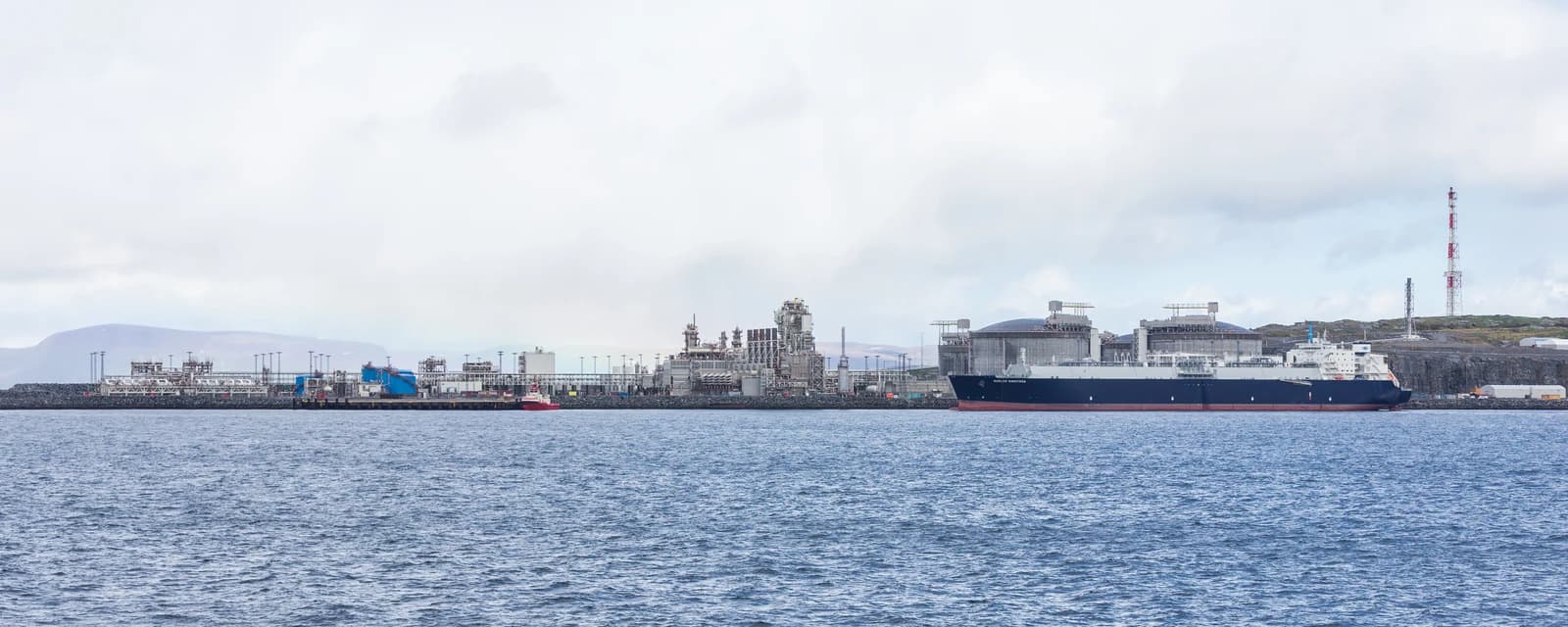
Europe kept sending money to Moscow’s Arctic gas industry even as it promised to sever the energy ties that helped fund Russia’s war in Ukraine, underscoring the gap between Brussels’ rhetoric and the market reality of LNG dependence.
EU Russian LNG Imports and 2027 Ban Risks
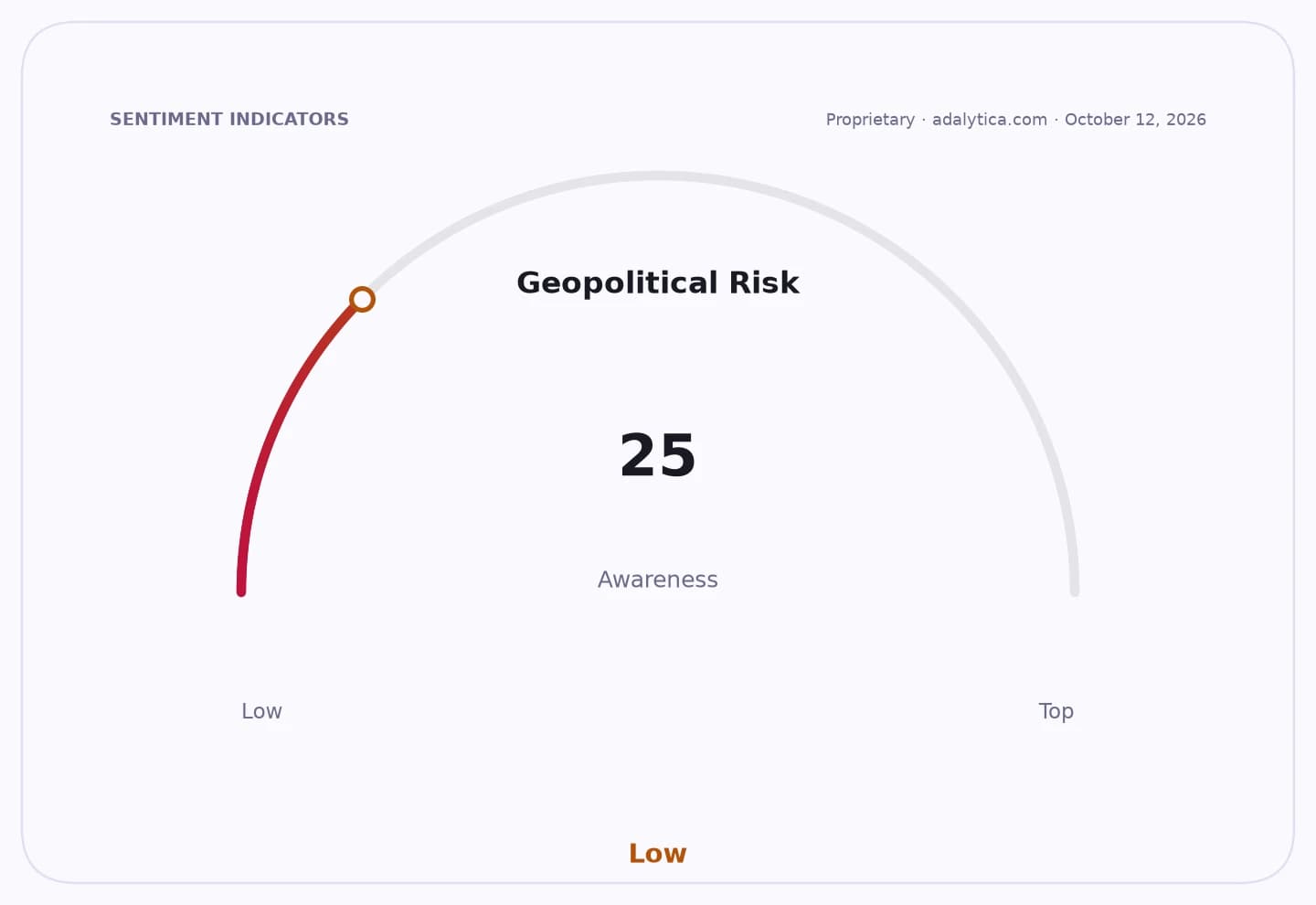
The most important development is not just that the EU bought Russian LNG. It is that the purchases remained large, sticky and strategically difficult to replace: Europe paid about €7.88 billion for cargoes from Russia’s Yamal project in the first nine months of 2026, while imports hit a record 12.18 million tonnes. That means the bloc is still financing a sanctioned adversary at scale, and it is doing so as the war drags on and policymakers try to prove they can cut off Moscow’s energy lifeline without destabilizing their own system.
Sentiment IndicatorsⓘProprietary · adalytica.com · October 12, 2026
This is a snapshot — live sentiment, awareness and momentum for 130+ markets update continuously in the dashboard.Open AlphaPulse
This matters economically because gas is no longer just a fuel story — it is a supply-chain, inflation and industrial-competitiveness story. With European storage levels described as low and the continent facing a severe energy squeeze, LNG remains the swing supply that keeps power systems and factories running. That leaves Brussels trapped between two bad options: accept continued Russian flows and undermine its sanctions credibility, or tighten restrictions and risk a fresh jump in gas prices when winter demand rises. Either outcome has consequences for growth, manufacturing margins and household energy bills.
The data show how incomplete the EU’s decoupling remains. Imports from Yamal rose 9.5% year on year in the first nine months, with European ports taking 85% of recorded shipments. France alone received nearly three-quarters of deliveries in September, while the Netherlands and Portugal also took cargoes. A ban on short-term contracts took effect in April, but September shipments still reached 792,440 tonnes, slightly above a year earlier. The bigger test comes on Jan. 1, 2027, when the EU’s full LNG ban is due to bite.
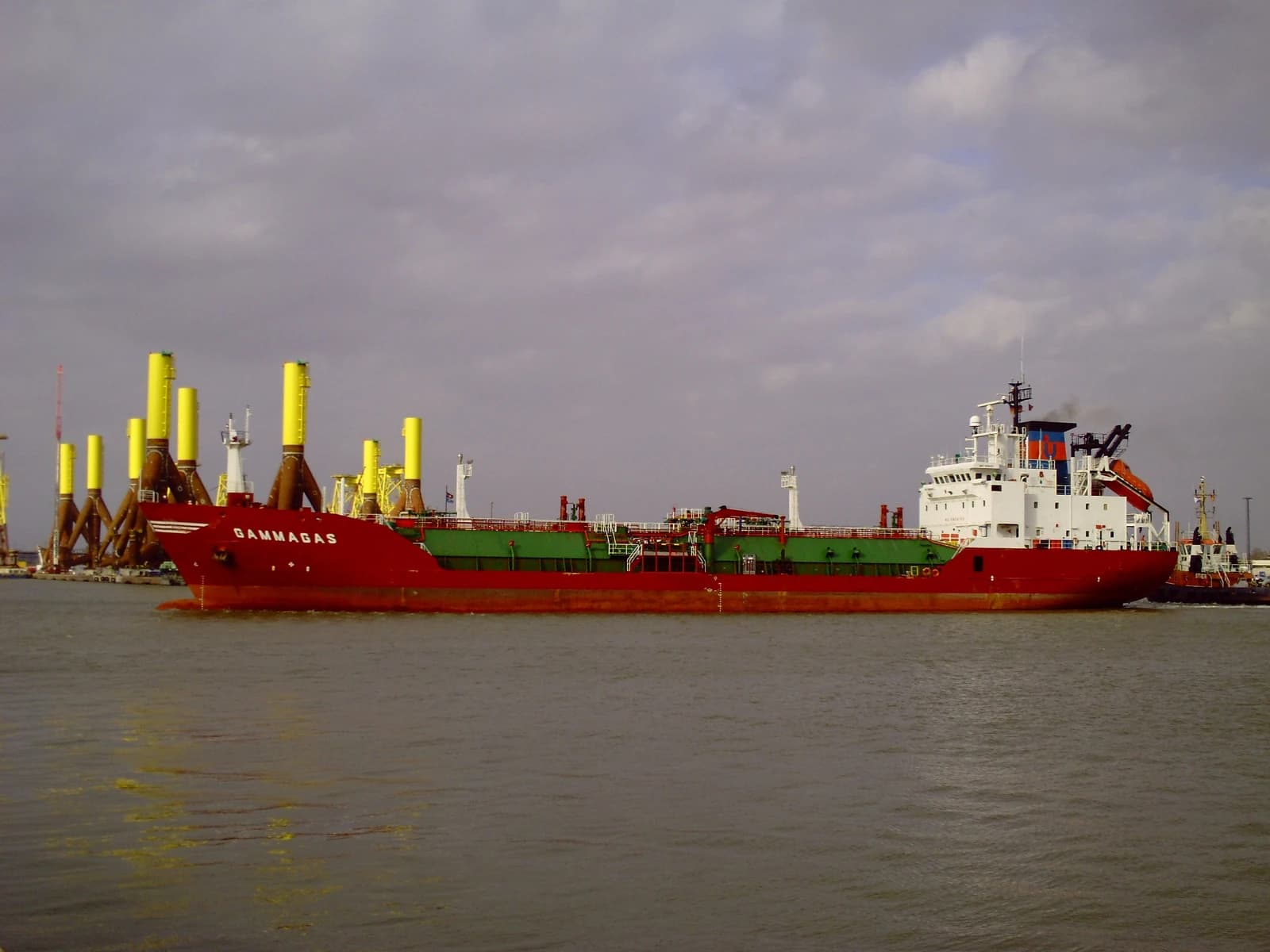
Investors should see this as a geopolitical stress point with direct market implications. Russian LNG cargoes keep flowing because the trade is built around long-term contracts, specialized Arc7 ice-class tankers and logistics that favor nearby European ports. That creates a clear thesis: the market is underestimating the value of infrastructure, shipping and LNG producers outside Russia that can fill the gap if Brussels finally closes the loopholes. U.S. exporters, Middle Eastern suppliers and non-Russian LNG developers stand to gain from any enforced diversion of demand, while European buyers remain exposed to higher spot prices and policy risk.
Washington now has another lever. The Trump administration’s Lindsey Graham law gives it power to sanction Russian LNG deliveries to Europe before the EU embargo starts, and Urgewald says the first review is due by Oct. 18. That introduces a second layer of uncertainty for traders and utilities, because the timing and scope of any U.S. action could abruptly tighten supply before Europe has finished lining up replacements. In that sense, the real market story is not Russian LNG alone — it is the race to secure replacement molecules, ships and regasification capacity before policy forces the issue.
That is why the opportunity lies in the beneficiaries of disruption, not the disruptors themselves. The market may still be treating Europe’s Russian LNG dependence as a temporary anomaly. I believe it is better understood as a bridge to a more durable restructuring of global gas flows, where non-Russian exporters, LNG infrastructure owners and shipping-linked service providers gain pricing power as Europe is forced to pay up for energy security. For investors, the actionable takeaway is simple: stay positioned in the picks-and-shovels of LNG reconfiguration, because the 2027 ban is turning into a catalyst long before it formally arrives.
| Entity | Gains | Losses |
|---|---|---|
| U.S. LNG exporters | ▲Higher demand, better pricing | ▼None |
| Middle East LNG suppliers | ▲Share gains in Europe | ▼Russian cargoes, European buyers |
| European utilities and importers | ▲Short-term supply continuity | ▼Margin pressure, policy risk |
| Russia/Yamal project | ▲Cash flow until 2027 | ▼Long-term market access, leverage |