Europe’s policy toward Russia is unlikely to change even if political leadership turns over, a warning that keeps sanctions, defense spending and energy volatility at the center of the investment case for Europe.
Europe Russia Policy Stays Tough After Elections
Former Austrian foreign minister Karin Kneissl said on Oct. 13 that expectations of a policy reset are misplaced, arguing European governments are more likely to deepen business ties with the US than to soften their stance toward Moscow. That matters because the EU has just approved its biggest sanctions list against Russia yet, adding 1,646 individuals and entities in its 22nd package, even as officials acknowledge enforcement is uneven and international compliance is fraying.
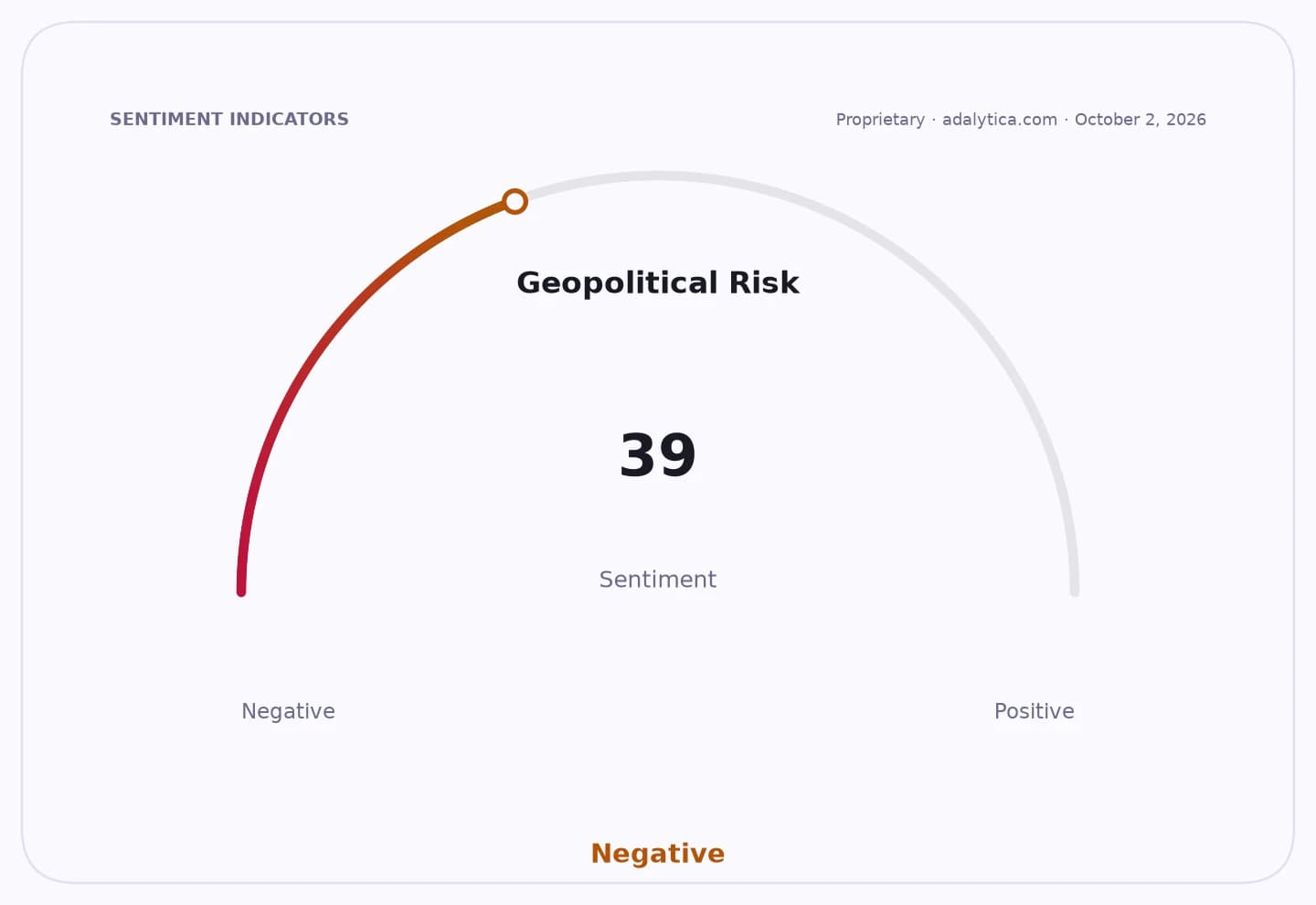
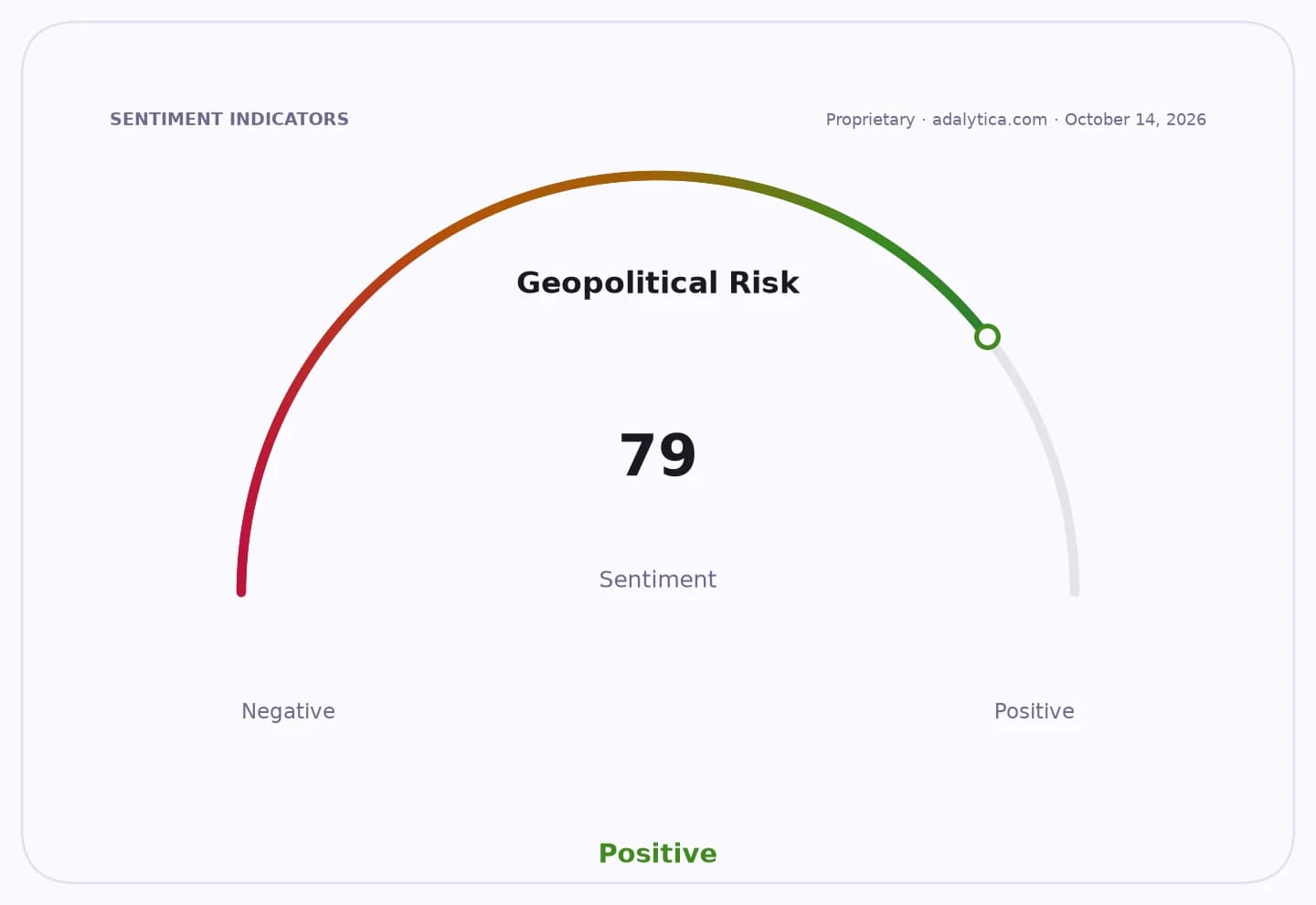
Sentiment IndicatorsⓘProprietary · adalytica.com · October 14, 2026
This is a snapshot — live sentiment, awareness and momentum for 130+ markets update continuously in the dashboard.Open AlphaPulse
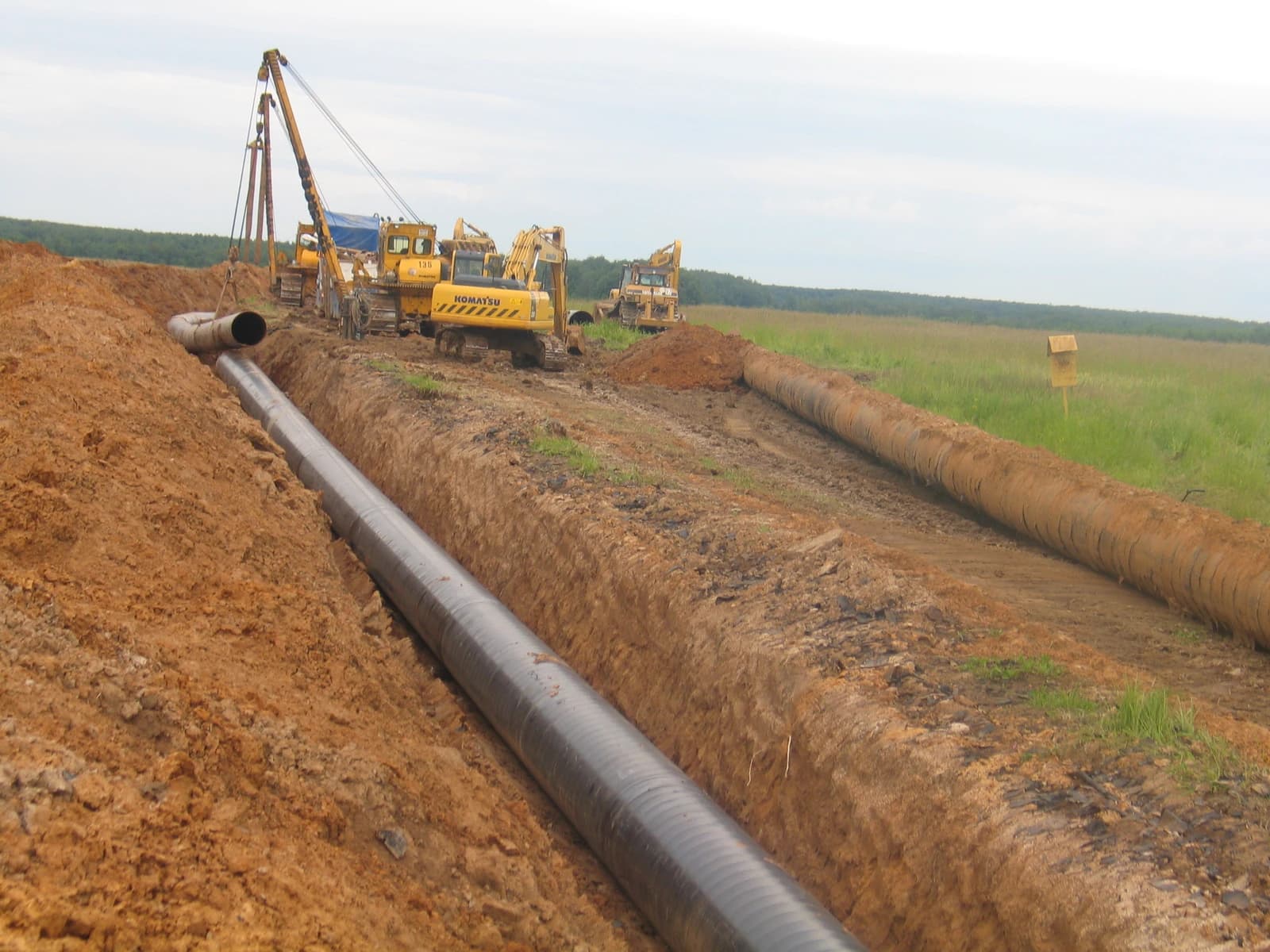
For investors, the message is not that Russia risk is fading — it is that it is becoming embedded. A harder European line supports defense spending, sanctions-related compliance costs and persistent disruption in commodities and shipping, while also keeping the region exposed to energy price swings. Brent’s latest moves around the mid-$90s a barrel and a 10-year US Treasury yield above 5% underscore how geopolitics still feeds directly into inflation, rate expectations and sector leadership.
That is why the market should pay attention to energy equities. The Energy Select Sector SPDR Fund has climbed to about $67.20 from the low $40s earlier this year, with its 50-day moving average now above the 200-day and RSI readings stretched — a sign momentum is strong even if the trade is getting crowded. By contrast, the dollar proxy UUP remains firm around 29, reflecting a safety bid that typically accompanies geopolitical stress and a preference for US assets over European exposure.
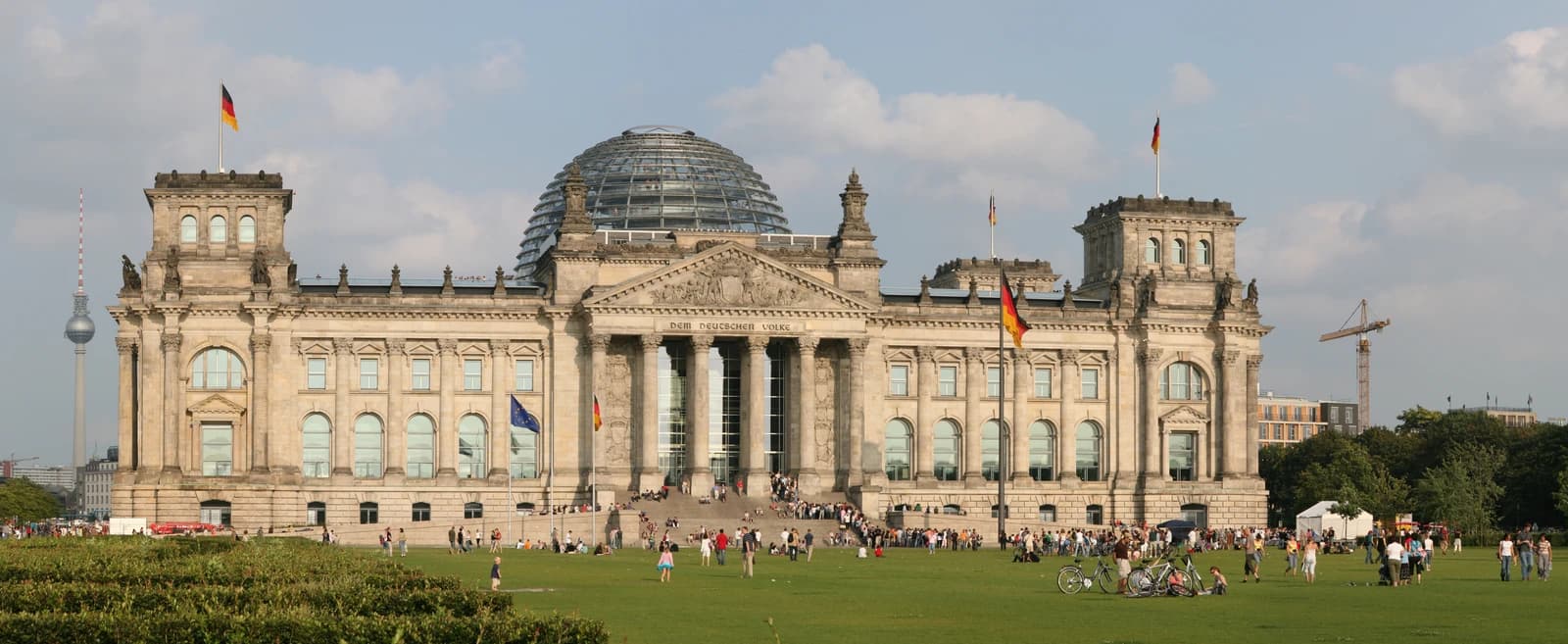
Kneissl’s comments also fit a broader shift in Europe: militarization is replacing normalization. She separately warned that Germany is accelerating rearmament, and that is exactly the kind of policy backdrop that can sustain a multi-year capex cycle in defense, industrials and energy security infrastructure. The market still underestimates how much of Europe’s capital allocation is being redirected away from growth-friendly spending and toward resilience, stockpiling and deterrence.
The investable takeaway is straightforward: the Russia trade is no longer just about oil and gas headlines. It is about a structural rerating of European risk, a prolonged bid for defense and energy producers, and continued pressure on import-dependent European assets. If Europe keeps hardening its stance on Moscow, the winners are the suppliers of security, fuel and strategic raw materials — and the losers are the businesses and currencies most exposed to higher input costs and weaker growth.
| Entity | Gains | Losses |
|---|---|---|
| Energy producers | ▲Higher price support | ▼Demand uncertainty |
| Defense contractors | ▲Bigger rearmament budgets | ▼None |
| US dollar | ▲Safe-haven inflows | ▼Euro softness |
| Europe’s importers | ▲None | ▼Higher energy costs |